Connect with us

News

A new neighbourhood hangout is coming to Dubai, and it’s designed around everyday living

Published

on

Spread the love

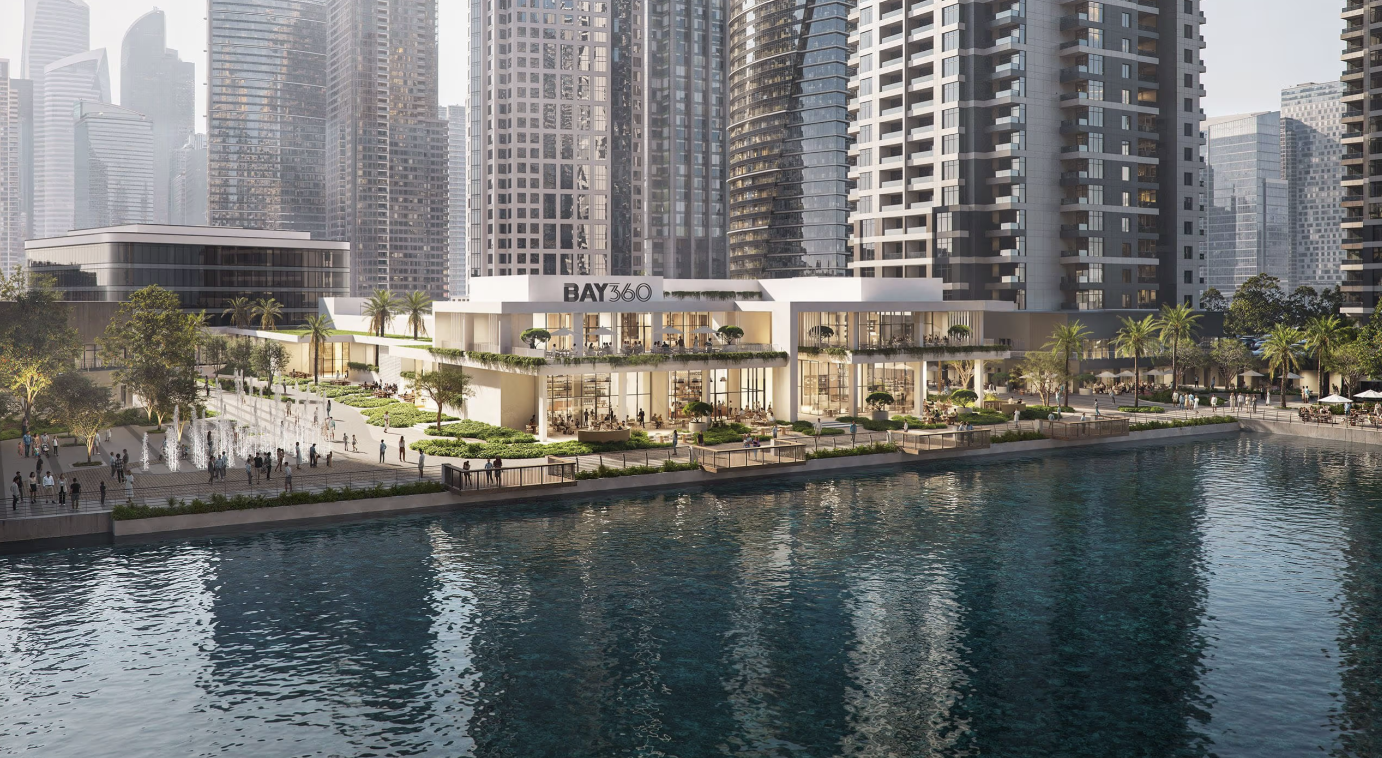
Life in Jumeirah Lakes Towers is set to get a major upgrade. DMCC, in partnership with Dubai-based developer Sweid & Sweid, has unveiled BAY360, a new mixed-use lifestyle destination that promises to make daily life in JLT easier, greener and more connected.

Planned as a community-first hub rather than a traditional retail development, BAY360 is all about convenience at your doorstep. Think morning grocery runs, casual coffee by the lake, wellness appointments, family-friendly spaces and evening padel matches, all within walking distance.

Set along Lake D, the development will retain most of the existing waterfront, ensuring the area’s open, lakeside feel remains intact. The design focuses on pedestrian-friendly spaces, encouraging residents to stroll, linger and socialise, while seamlessly blending into the existing neighbourhood.

At the heart of BAY360 will be a 22,000-square-foot Spinneys supermarket, offering a modern, premium grocery experience for JLT residents. Surrounding it will be a curated mix of cafés and restaurants, including lake-facing dining spots with outdoor terraces, ideal for relaxed breakfasts, sunset dinners or casual meet-ups.

The lifestyle offering goes beyond food. BAY360 will also include medical facilities, wellness and lifestyle retail, rooftop padel courts, and outdoor family spaces, all designed to support day-to-day living rather than just weekend visits. An underground car park with around 300 spaces will help keep the area accessible without cluttering the streets.

The project also forms part of a wider refresh of the JLT public realm. DMCC and Sweid & Sweid will upgrade the areas around Lake D, introducing more greenery, seating and walkways, and creating a clearer pedestrian route connecting the metro station to JLT Park. The goal is simple: make moving around JLT smoother, safer and more enjoyable.

With completion expected by the end of 2027, BAY360 aims to become a natural extension of daily life in JLT, a place where errands, exercise, dining and downtime all come together in one thoughtfully designed space.

For residents, it’s less about a new development and more about a better way to live in one of Dubai’s most established neighbourhoods.

With over 35 years of experience in journalism, copywriting, and PR, Michael Gomes is a seasoned media professional deeply rooted in the UAE’s print and digital landscape.

Continue Reading
Advertisement
Click to comment

Leave a Reply

Your email address will not be published. Required fields are marked *

News

How parking changes at Palm Jumeirah could affect your daily walks and drives

Published

on

Spread the love

If Palm Jumeirah Crescent is part of your daily routine, whether for walking, running or quick evening drives, there’s a new change you’ll want to know about.

Paid parking has now been introduced along the entire Palm Jumeirah Crescent, including the much-loved Palm Boardwalk, one of Dubai’s most popular waterfront paths.

Previously, free parking spots have been replaced by a ticketless, automated system operated by Parkonic, meaning residents now need to pay every time they park, at any hour of the day.

What’s changed?

  • Parking now costs Dh10 per hour
  • Charges apply 24/7, including weekends and holidays
  • Covers all zones along the Crescent, including Zone P108
  • Applies to People of Determination parking spaces

How to pay

  • Automatic payment via Salik
  • SMS payment using instructions on parking signs

The move is designed to reduce congestion and improve space turnover in one of Dubai’s busiest lifestyle destinations. Similar systems have already been rolled out in other residential areas across the city.

If you regularly spend time at Palm Jumeirah, it’s worth planning your visits and parking a little differently.


Continue Reading

Announcements

Dubai Loop explained: What Elon Musk’s underground transport project means for city’s residents

Published

on

Spread the love

Getting around Dubai could soon become much faster and easier. The city has confirmed that work on the Dubai Loop, an underground high-speed transport system developed by Elon Musk’s Boring Company, is set to begin soon, starting in some of Dubai’s busiest areas.

The announcement was made by Matar Al Tayer, Director General and Chairman of the Board of Executive Directors of the Roads and Transport Authority (RTA), at the World Government Summit.

The project aims to cut travel times, reduce traffic congestion, and make daily commutes smoother, especially in high-density districts.

So, what exactly is the Dubai Loop?

The Dubai Loop is a network of underground tunnels where electric vehicles will transport passengers directly from one station to another, without stopping in between. Think of it as skipping traffic lights, junctions and road congestion altogether.

Once completed, the system will span 24 kilometres and could move up to 20,000 passengers every hour, with plans to expand capacity even further in the future.

Where will it start?

The first phase of the project will launch in key areas that many residents already commute through daily:

  • Dubai International Financial Centre (DIFC)
  • Dubai Mall area

These locations were chosen because they see some of the heaviest traffic in the city, especially during peak hours.

When is it happening?

According to Dubai’s Roads and Transport Authority (RTA), construction on the first phase will start immediately once contracts are finalised.

  • First phase: 6km (costing Dh600 million)
  • Total project: 24km (Dh2.5 billion)
  • Estimated completion: Around two years

How fast will it be?

Very fast. The vehicles inside the Dubai Loop could travel at speeds of up to 160km/h, meaning residents could move between major destinations in just minutes.

Why underground?

By going underground, Dubai avoids:

  • Road closures and surface disruption
  • Weather-related delays
  • Expensive road expansion projects

The tunnelling technology used is also cheaper and faster than traditional road construction, helping the city deliver infrastructure efficiently.

How will this help residents?

For people living and working in Dubai, the Dubai Loop could mean:

  • Shorter commutes in congested areas
  • Less time stuck in traffic
  • Better connections between business districts, malls and transport hubs
  • A smoother “first and last mile” journey to metro stations

The system is expected to serve around 13,000 passengers daily in its early stages, with numbers growing as the network expands.

Has this worked elsewhere?

Yes. A similar underground transport system already operates in Las Vegas, where it has carried more than 2 million passengers since 2021. Dubai’s version will build on that experience, adapted for local needs.

What’s next?

Dubai Loop is part of the emirate’s broader push towards smart, sustainable transport. If successful, the network could expand to more areas of the city, helping residents get from A to B faster, without adding more cars to the roads.

For Dubai residents, this could mark the beginning of a new era of stress-free commuting beneath the city streets.


Continue Reading

News

Sharjah to introduce toll gates as government approves new reforms

Published

on

Spread the love

Sharjah residents can expect smoother traffic flow as the emirate moves to introduce electronic toll gates for trucks, part of a broader set of reforms approved by the Sharjah Executive Council.

The Council, chaired by Sheikh Sultan bin Mohammed bin Sultan Al Qasimi, Crown Prince and Deputy Ruler of Sharjah, approved a resolution that will see existing truck toll gates converted into electronic “Masaar” gates. 

The move aims to regulate heavy vehicle movement, reduce congestion, improve road safety, and enhance the overall efficiency of Sharjah’s transport network.

For motorists, the shift to electronic tolling is expected to ease pressure on key roads, particularly during peak hours, by managing truck traffic more effectively. 

The digital system will also streamline crossing procedures and support Sharjah’s wider push towards smart, tech-enabled public services.

Alongside transport reforms, the Council also approved a draft law regulating the Correctional and Punitive Institution in Sharjah. The proposed legislation focuses on rehabilitation and reform programmes, while ensuring the dignity, rights and wellbeing of inmates are protected. The draft law will now be referred to the Sharjah Consultative Council to complete the legislative process.

The decisions form part of ongoing efforts by the Sharjah government to modernise infrastructure, improve public services, and enhance the quality of life for residents across the emirate.

Continue Reading

Popular

Exit mobile version
https://headline.ae/