Students face tighter appearance and food rules as schools warn that banned items could be confiscated, recorded and punished under conduct policies, according to local media reports.
The new school year has barely got into its second week, but some UAE students are already discovering that the rules are getting serious.
The UAE Ministry of Education’s 2026–27 public-school uniform guide requires approved uniforms and says hair should be styled appropriately according to local customs and remain its natural colour
Several public and private schools have now stepped up checks on student appearance, behaviour and food, introducing tougher controls covering everything from hairstyles and hoodies to what youngsters can bring in their lunch bags.
Among the biggest no-go items are qaza-style haircuts, long hair for male students, hoodies worn inside school premises, energy drinks, fizzy drinks, tea, coffee and chips.
And schools are warning that ignoring the rules could have consequences.
Haircuts under the microscope
Students sporting a qaza haircut, in which part of the head is shaved while another section is deliberately left long, have been put on notice.
Long hairstyles for male students are also among the appearance rules being enforced.
Schools say the measures are designed to promote a consistent appearance and discourage behaviour they believe conflicts with educational and social values.
The message to students is clear: what might pass as a trendy look outside the school gates may not make the cut once they walk into school.
Hoodies? Not inside school
The crackdown doesn’t stop at hair.
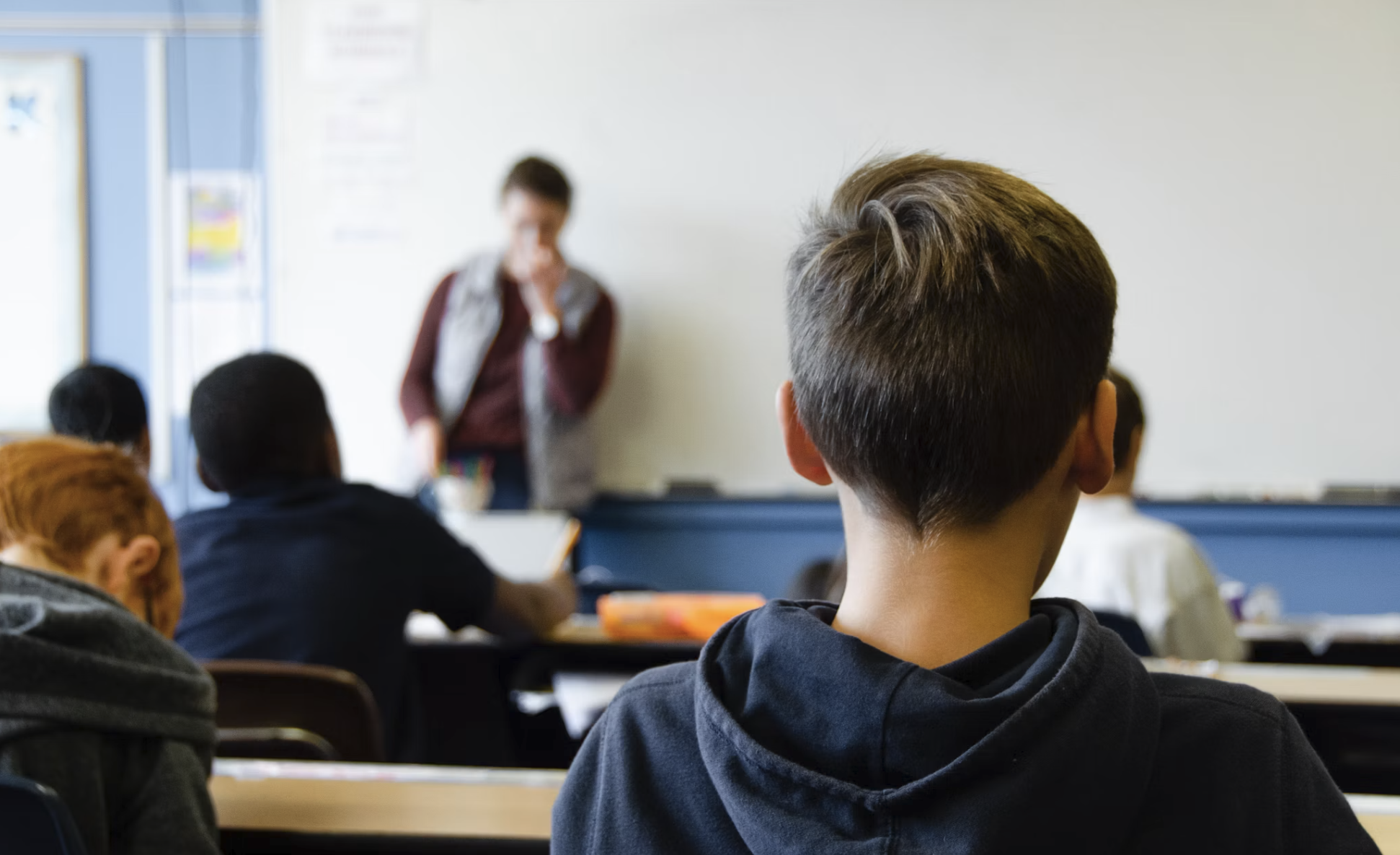
Schools have also prohibited students from wearing hoodies inside school premises, with the appearance requirements applying from the moment students enter through the gates.
Parents and students have been informed through circulars and official communications outlining the restrictions.
Your lunchbox could also land you in trouble
It isn’t just what’s on students’ heads that’s being scrutinised.
Schools are also tightening controls over what youngsters bring through the gates.
Tea, coffee, soft drinks, energy drinks and chips of all types have been listed among the prohibited food and beverages.
And there’s an important detail: students don’t necessarily escape a violation simply because they haven’t consumed the item.
Schools have warned that having a prohibited food or drink in a student’s possession can itself trigger action.
The item may be confiscated, the incident officially recorded and the school’s conduct code applied, potentially including deductions to the student’s conduct grade.
Students are instead being encouraged to rely on the nutrition and food options supplied by the school’s approved canteen service.
Schools say it’s about more than looks
School administrations say the tighter rules are not simply about policing fashion or deciding what ends up in a lunch bag.
They argue that appearance, conduct and nutrition are part of creating a structured educational environment and reinforcing respect for teachers, classmates and the wider school community.
The schools have also connected the measures to the qualities they want to develop in Emirati students, including national pride, responsibility, discipline, respect, academic ambition and a commitment to excellence and creativity.
In their view, a smart and appropriate appearance is not merely about looking the part. It is intended to reflect a student’s attitude towards themselves, their teachers and fellow students.
The new school-year message
With the academic year now gathering pace, students and parents are being urged to pay close attention to individual school circulars and requirements.
For pupils, that could mean checking the hairstyle before leaving home, leaving the hoodie behind and thinking twice before slipping a can of fizzy drink or a packet of chips into the school bag.
Because this year, UAE schools appear to be taking the message very seriously: school rules start at the gate, and they don’t end with the uniform.