Connect with us

News

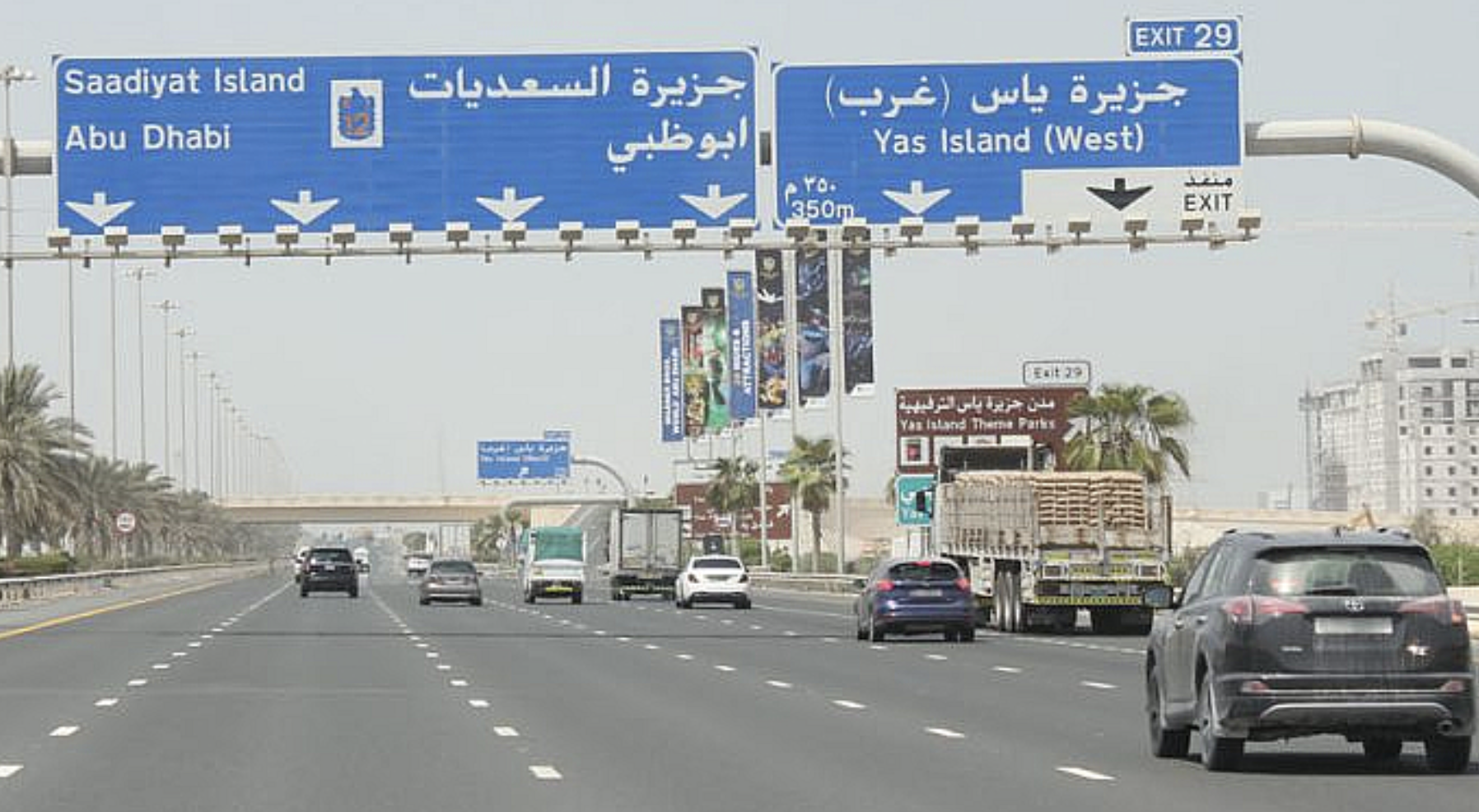
Abu Dhabi updates traffic diversion rules, Darb tolls to boost road safety and efficiency

Published

on

Spread the love

The Integrated Transport Centre (ITC) has announced new amendments to Abu Dhabi’s traffic diversion regulations, aimed at improving traffic flow, safety and compliance at construction and roadwork sites across the emirate.

The updated framework strengthens oversight of traffic permits, enhances enforcement powers and introduces clearer procedures for emergency works.

Key Changes to Traffic Diversion Rules

Under the revised regulations:

  • Definitions related to traffic permits and No Objection Certificates (NOCs) have been updated to improve clarity
  • Traffic permits are non-transferable; any attempt to transfer a permit will render it invalid
  • Emergency works may proceed without prior permit approval, provided all road safety requirements are met
  • ITC must be notified before emergency work begins, and a formal permit application must be submitted within 24 hours if work exceeds 12 hours

Permit Suspension and Enforcement Powers

The amendments grant ITC expanded authority to:

  • Temporarily suspend issuing traffic permits based on site conditions or safety risks
  • Reject extension requests or cancel permits if requirements are not met
  • Take action against entities that exceed approved timelines or commit repeated administrative violations

The schedule of violations and fines has also been updated to reflect current standards, with conflicting older provisions officially repealed.

Training, Inspections and Compliance

ITC said the changes followed specialised workshops and training programmes for contractors, consultants and relevant stakeholders to ensure proper implementation of safety standards.

The Centre will continue inspection campaigns and field visits, with fines imposed on violators to:

  • Protect road users and workers
  • Maintain public safety
  • Safeguard road infrastructure

Changes to Abu Dhabi’s Darb Road Toll System

Separately, ITC (Abu Dhabi Mobility) confirmed updates to the Darb road toll system.

New Darb Toll Timings

  • Morning peak: 7am to 9am (unchanged)
  • Evening peak: 3pm to 7pm
  • Toll-free: Sundays and official public holidays

The Dh4 toll per gate crossing remains unchanged.

Removal of Toll Caps

The revised system removes:

  • Daily toll cap of Dh16
  • Monthly caps of Dh200, Dh150 and Dh100 for first, second and additional vehicles

Exemptions Remain

Existing exemptions continue for eligible groups, including:

  • People of Determination
  • Low-income families
  • Senior citizens and retirees

The Darb system is operated by Q Mobility, a subsidiary of ADQ, in coordination with relevant authorities.


With over 35 years of experience in journalism, copywriting, and PR, Michael Gomes is a seasoned media professional deeply rooted in the UAE’s print and digital landscape.

News

What El Nino means for the UAE: Hotter summer, more humidity and rainfall in coming months

Published

on

Spread the love

The UAE could experience hotter-than-normal and wetter-than-normal weather in the coming months as El Niño conditions strengthen across the tropical Pacific Ocean, according to the National Centre of Meteorology (NCM).

In its latest seasonal outlook, the NCM said there is a 98 per cent probability of El Nino conditions continuing between July and November 2026, with temperatures and rainfall across the UAE expected to range from near-average to above-average levels.

The forecast is based on conditions in the Nino 3.4 region of the tropical Pacific Ocean, a key climate indicator used by meteorologists worldwide. The latest sea surface temperature anomaly in the region is 0.5°C above normal, officially placing it within El Nino territory.

What is El Nino?

El Nino is a natural climate pattern caused by unusually warm ocean temperatures in the central and eastern Pacific. Although it occurs thousands of kilometres away, it can influence weather systems across the globe, including the UAE and other countries in the region.

Historically, El Nino events have been associated with higher temperatures, increased humidity, heavier rainfall in some regions, and more extreme weather patterns worldwide.

What could it mean for the UAE?

While the UAE is not among the regions most severely impacted by El Nino, forecasters say residents could see:

  • Higher-than-normal temperatures
  • Increased humidity levels
  • Greater chances of rainfall compared to seasonal averages
  • More variable weather patterns during the second half of the year

The NCM stressed that climate conditions are continuously monitored and forecasts will be updated monthly based on the latest international weather models and observations.

For now, residents should prepare for a potentially hotter and more humid summer as the climate phenomenon strengthens.

Continue Reading

Food

Pests, expired food, poor hygiene: Why 69 Abu Dhabi restaurants and food shops were closed

Published

on

Spread the love

Abu Dhabi authorities have closed 69 food establishments since last year after inspectors uncovered serious food safety violations, including pest infestations, expired products and poor hygiene standards.

The Abu Dhabi Agriculture and Food Safety Authority (ADAFSA) said 55 businesses were shut down in 2025, while another 14 have been closed so far in 2026 after repeatedly failing to comply with food safety requirements.

Why were they closed?

Officials said the most common violations included:

  • Selling expired food products
  • Insects and pests in food preparation areas
  • Poor hygiene practices
  • Improper storage of perishable food
  • Failure to meet mandatory food safety requirements

Authorities stressed that closure is only used as a last resort after businesses fail to respond to warnings and corrective notices. The crackdown comes as consumers continue to report food safety concerns across the emirate.

What happens next?

Closed establishments are only allowed to reopen once inspectors confirm all violations have been addressed and food safety standards are fully met.

The authority said regular inspections and surprise visits will continue across restaurants, cafeterias, supermarkets and food outlets to help protect public health.

Officials also encouraged residents to report suspected violations and check food safety ratings displayed under the emirate’s Zadna Assessment programme before dining or shopping.

Continue Reading

News

How AI is cutting Dubai bus delays by 68% in real time

Published

on

Spread the love

Dubai’s Roads and Transport Authority (RTA) has introduced a new generation of AI-powered smart dashboards to manage the city’s bus network in real time, helping improve service reliability, predict disruptions and reduce emissions.

The technology has been deployed at the Bus Operations Control Centre and uses advanced data analytics and artificial intelligence to monitor and optimise bus services across Dubai.

Smarter bus operations

Developed by RTA’s Public Transport Agency in partnership with its Artificial Intelligence Centre, the system enables operators to identify issues before they affect passengers and make faster operational decisions.

The platform includes tools for:

  • Predicting potential trip cancellations
  • Monitoring early bus departures
  • Managing disruptions linked to metro services
  • Optimising bus turnaround and route operations

These applications are now fully integrated into the control centre’s daily operations.

Delays reduced by 68%

According to RTA, the AI-powered system has already delivered measurable improvements.

Early departures have been reduced by more than 68 per cent, while automated monitoring and response tools have helped improve service consistency and passenger experience.

The system can also trigger the rapid deployment of buses during metro service interruptions, reducing disruption for commuters.

Boosting sustainability goals

Beyond operational improvements, the technology is also helping support Dubai’s environmental targets.

By improving bus parking management and reducing unnecessary engine idling, the initiative has contributed to cutting more than 13,000 tonnes of carbon dioxide emissions.

RTA said the project represents a major shift towards proactive, data-driven public transport management and highlights Dubai’s growing use of artificial intelligence in everyday city operations.

The initiative forms part of wider efforts to strengthen public transport efficiency, enhance customer experience and reinforce Dubai’s position as a global leader in smart mobility and AI-powered urban services.

Continue Reading

Popular

Exit mobile version
https://headline.ae/