

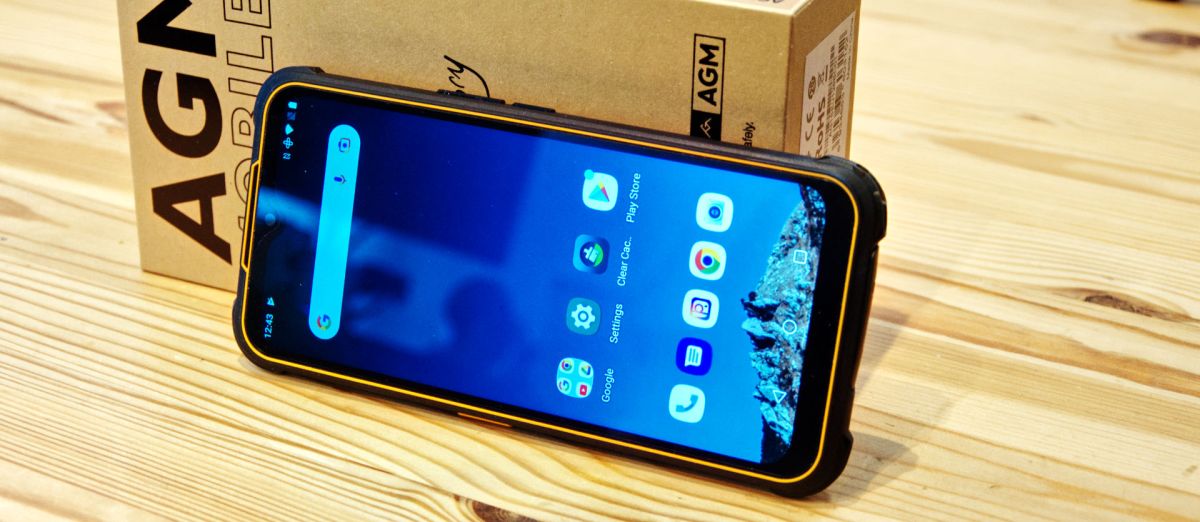
A subtle change is occurring in the ruggedized phone market.
This sector has been dominated by Chinese phone builders over the past few years, and most of these devices have sold on their ability to withstand harsh environments alongside being competitively priced.
Of lesser importance was the quality of construction, the inclusion of unique features and overall performance.
However, that era may be concluding with products like the AGM Glory G1S coming to the market. It proves this market is no longer a race to the bottom for Chinese phone makers but an ambition to compete more directly with the best Korean, Japanese and American designs.
In this review, we’ll be looking at a flagship phone that contradicts much of what we’ve come to expect from Chinese-made hardware.

Price
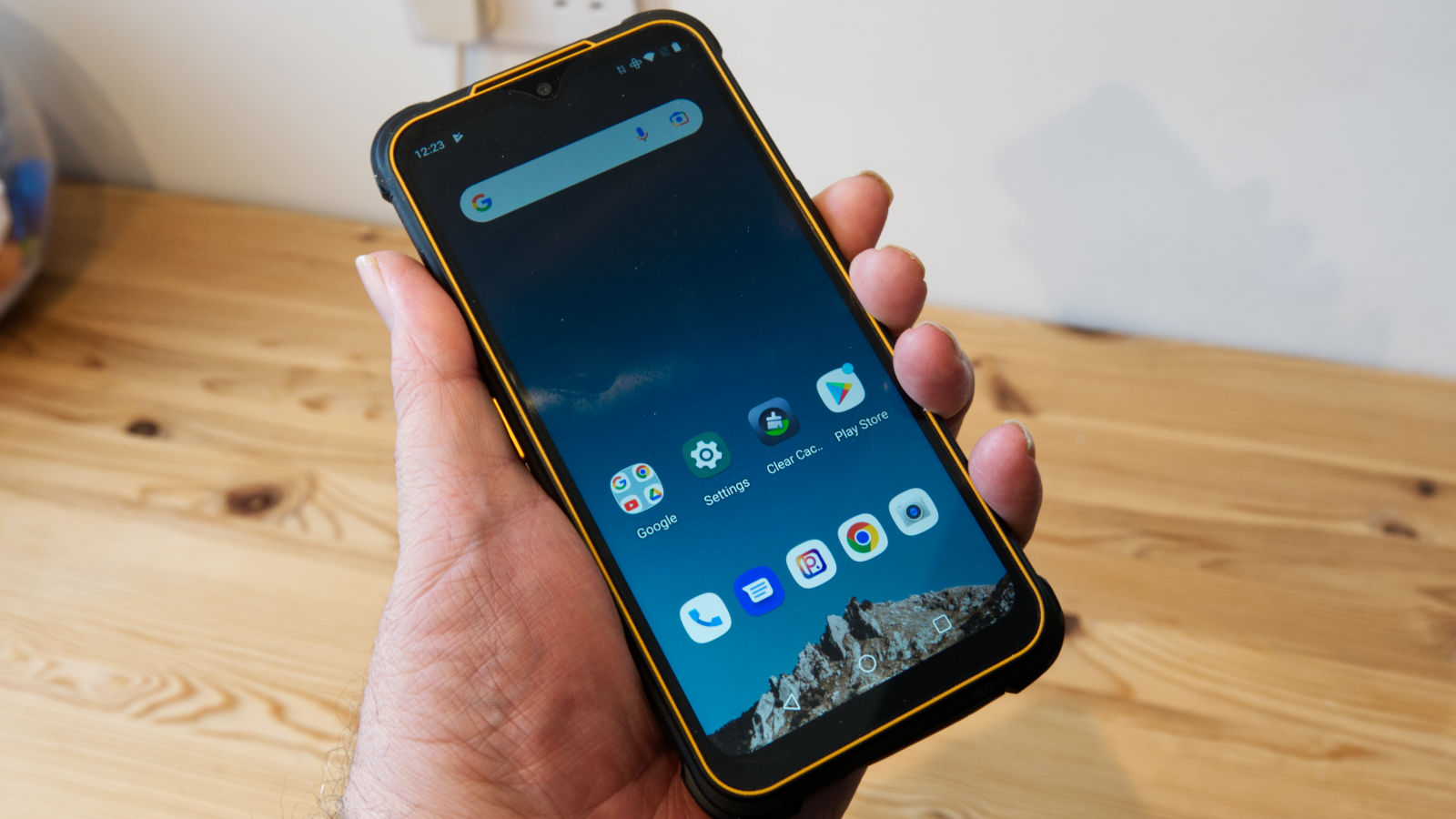
The AGM Glory G1S (opens in new tab) can be got directly from the makers, and it comes in only one SKU, with a single accessory option. A flat price of $699 is the price, and for a further $20, it can come with a charging dock.
It’s important to realise that this is an international design not specifically for the US market, and therefore it only supports the frequencies used by T-Mobile in that region.
According to the AGM website, there is also a Glory Pro based on the G1S available with a slightly different feature set, double the storage, and wireless charging for $819.99.
Compared to the typical pricing of rugged phones, the G1S and the Pro are both at the very high end of what customers might expect to pay, even from Samsung or other better-known brands.
Design
It’s good to see that AGM has joined the aesthetic movement away from making everything rugged look like it was made for the army.
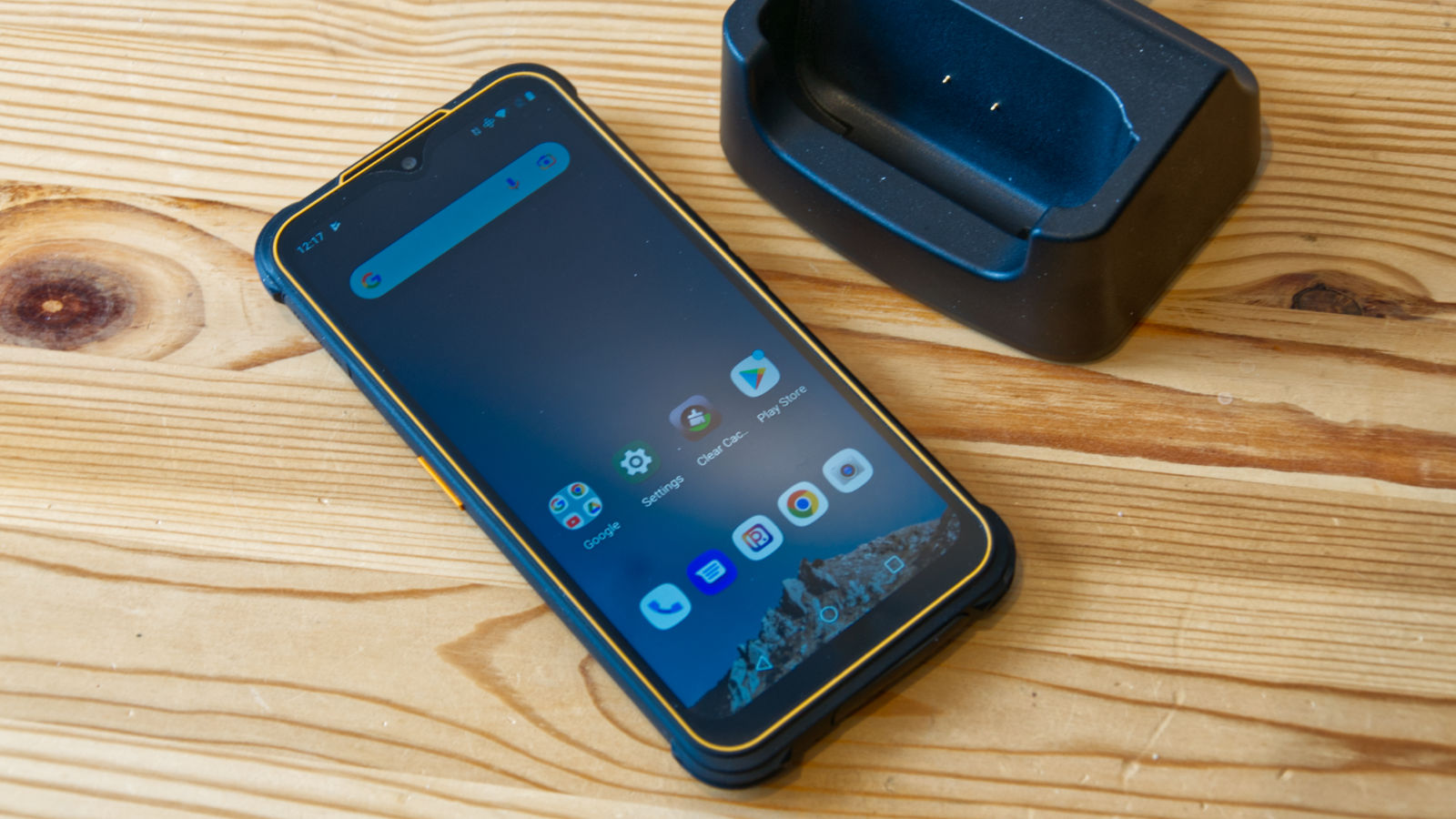
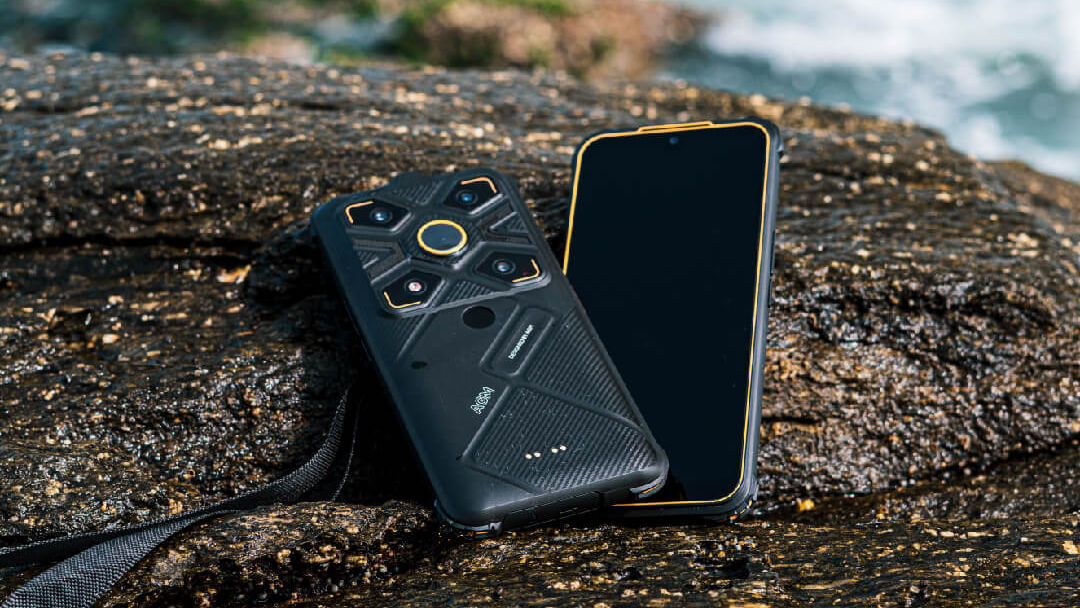
The Glory G1S appears to take its thematic cues from diving equipment, even if this phone wasn’t specifically designed for going underwater. The black with orange highlights is understated. And the coating, described by AGM as ‘Aramid-like texture + Bayer Soft Rubber’ provides sufficient grip that the G1S shouldn’t easily slip from the hand.
Looking at an overview of the various Glory models AGM makes, the phone appears to have been modularised into a core chassis, battery, cameras and a top module.
They all share the same SoC, 6.53-inch FHD+ (2340 x 1080) screen and fit the charging dock, but have different battery sizes, storage capacities and camera options.
The G1S comes with a smaller than the rest 5500mAh battery, and it lacks wireless charging, but at 315g it’s the lightest of its series, and it comes with the best camera options.
There are three features of this design that are worthy of note, but one in particular aspect addresses an issue we’ve seen with numerous rugged designs.
That’s the charging port, or rather the rubber plug that needs to be dislodged each time the phone is connected to be charged or data transferred directly.
If not correctly seated, these rubber plugs undermine the phones’ ability to stop water and dust ingress, and each time they’re removed, they become less effective at doing this job.
Our first reaction to the USB port on the G1S wasn’t good. We discovered that AGM engineers decided to modify USB-C to be magnetic. Therefore, if you use a standard USB-C cable with the USB port on this phone, it will fall out, as it only works with the magnetised cable AGM provides.
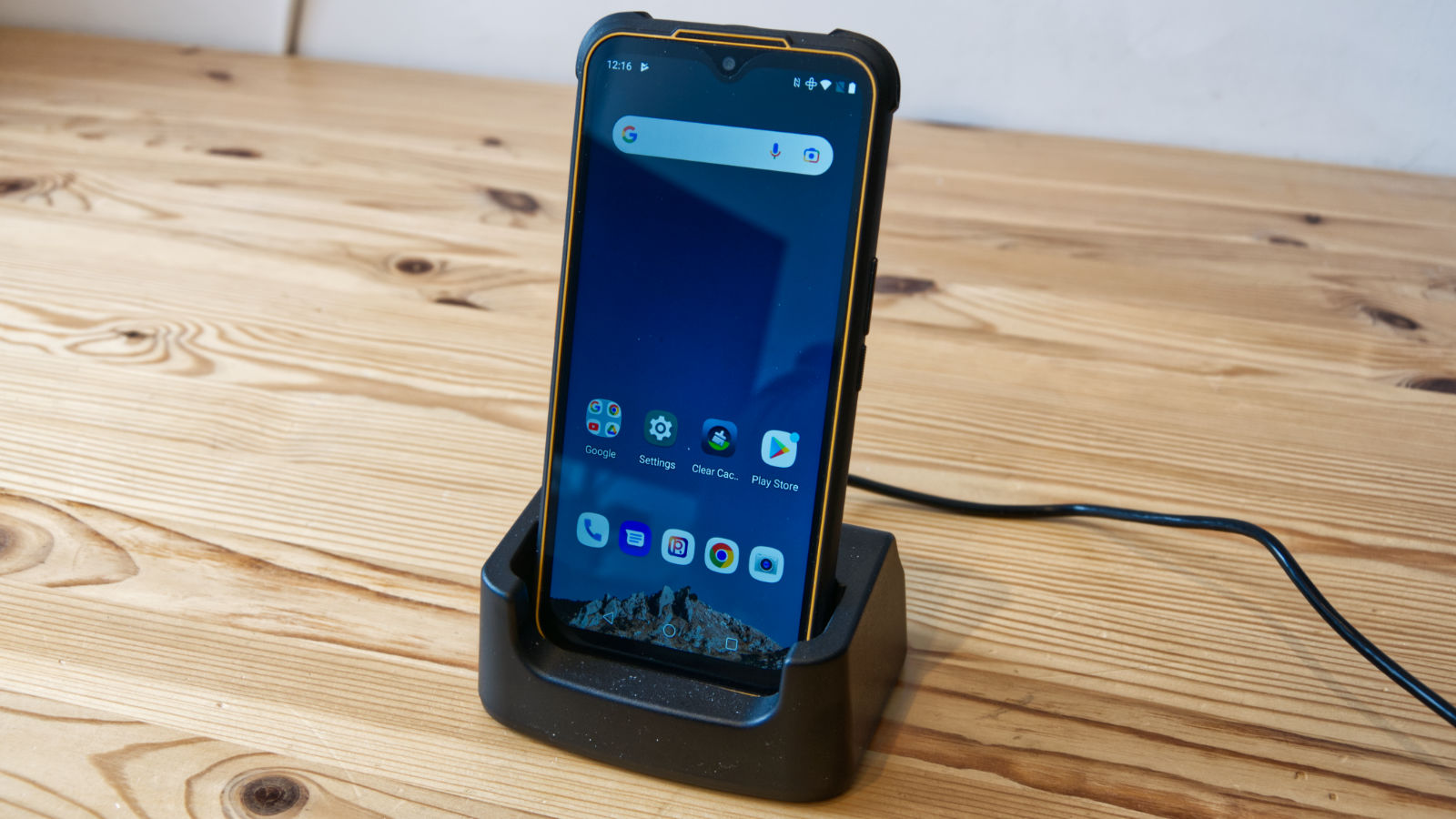
Skewing standards isn’t good, but thankfully AGM provides a means to avoid pulling that rubber plug out and using this port at all through a custom charging dock.
Instead of connecting to the USB-C port, the charging dock operates using four surface-mounted pogo-pin contacts on the underside of the G1S and entirely circumvents the plug removal mess.
What looked like it was one of the worst features of the G1S turned out to be a feature that more rugged phones need to embrace.
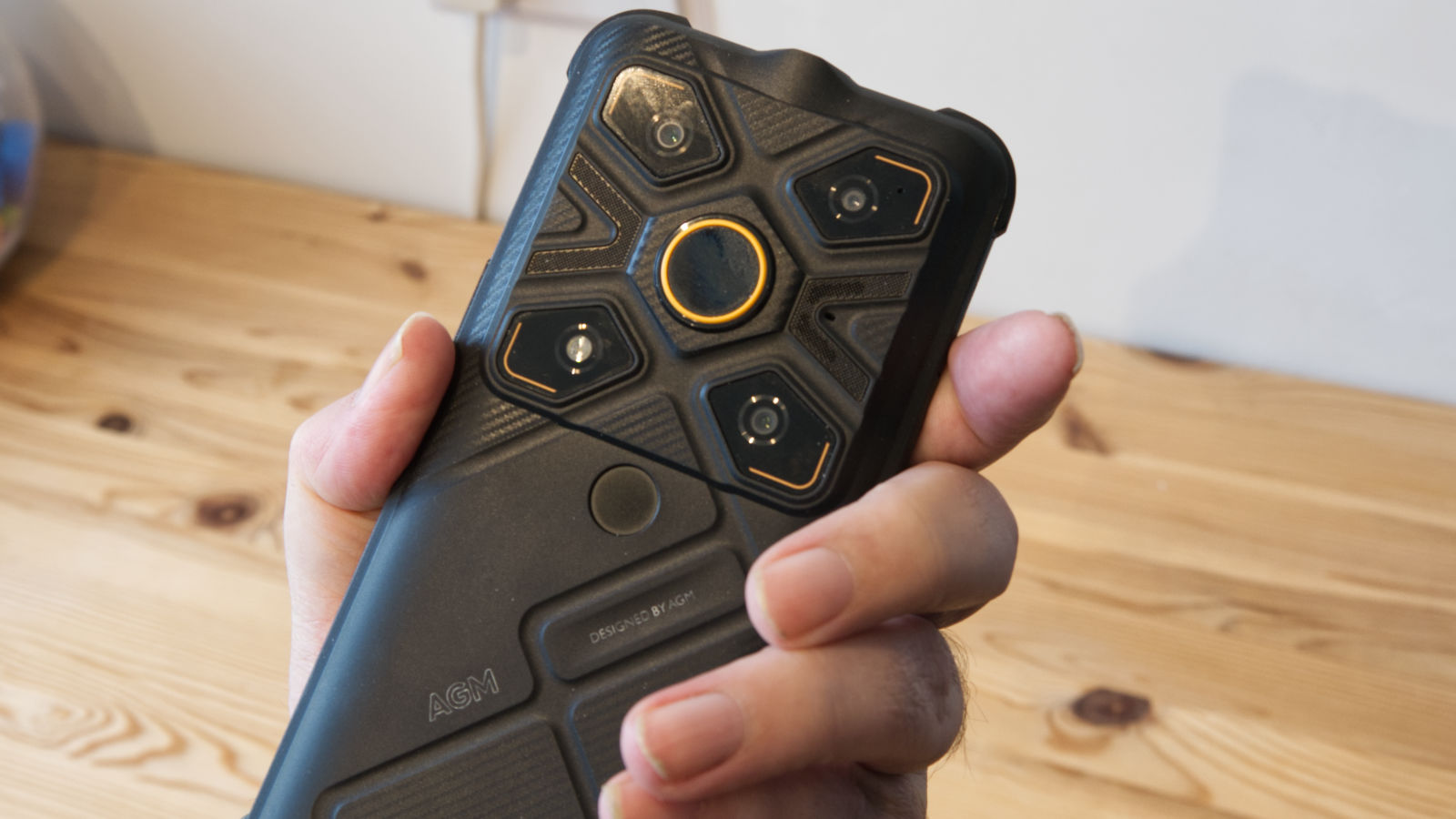
A couple of other oddities of this phone were less impressive, starting with the placement of the fingerprint sensor.
It sits just below the camera cluster in the middle of the phone back. A place where you are highly likely to put fingerprints on those camera lenses while you try to locate the sensor.
Why AGM designers didn’t use a thumb-based reader on a side button, we’ve no idea.
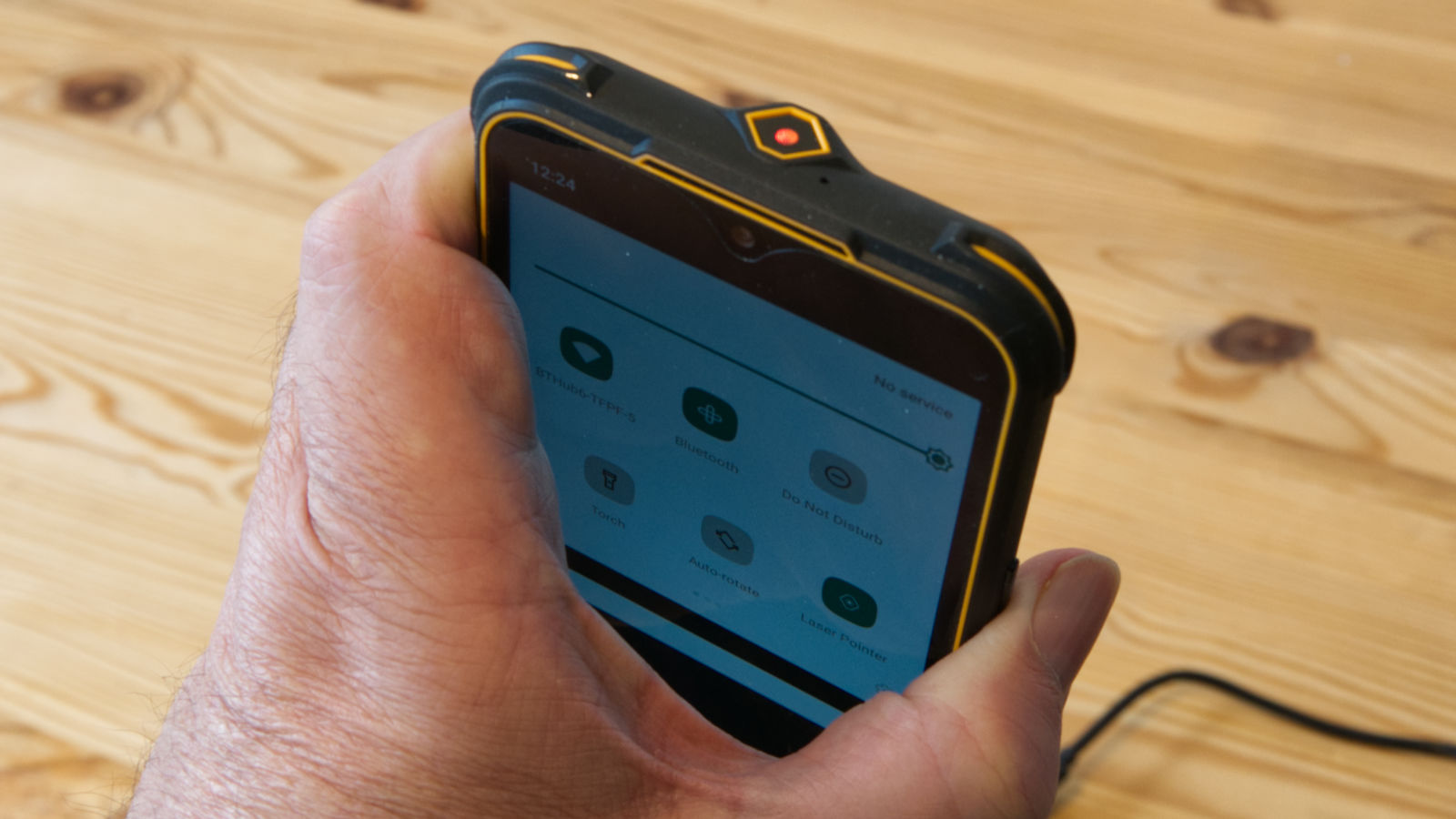
Another curious feature is that the top module on this model has a laser pointer. When we first used this feature, we tied activating it to the user-definable button on the left side. Only to then discover that the button will turn the pointer on but not off.
It can be toggled using the drop-down control panel, thankfully.
What those implementing this feature missed was an excellent opportunity to make the laser pointer much more useful, perhaps as a level marker. The raised part of the camera cluster causes the phone to rest on a surface at a slight angle.
If this angle could have been adjusted on the laser or a small projection on the bottom added to make it flat and perhaps offered a laser line mode, this would have made significantly more of that feature.
Hardware
Spec Sheet
The AGM Glory G1S that was sent to us for review came with the following hardware:
CPU: Qualcomm Snapdragon 480 5G
GPU: Qualcomm Adreno 619
RAM: 8GB LPDDR4X
Storage: 128GB
Screen: 6.53″ LPTS TFT
Resolution: 1080 x 2340
SIM: Nano + Nano or Micro SD
Weight: 315g
Dimensions: 172.8 x 82.8 x 14.8 mm
Rugged Spec: IP68, IP69K and MIL-STD-810H
Rear camera: Triple camera still/video (48MP Sony IMX582 + 20MP +1.9MP) night vision and thermal imaging/video
Front camera: 16 MP Sony sensor
OS: Android 11
Battery: 5500 mAh
Most phones of this type we’ve seen in the past few years were built around inexpensive SoCs by MediaTek and other cheaper SoC producers.
That’s not a direction that AGM took the Glory G1S, as it uses the same Qualcomm Snapdragon 480 SoC that the Moto G50, Redmi Note 10 JE and a slew of Nokia designs, including the XR20, X100, X20 and X10.
The core of this chip is an Octa-core CPU built from two units of A76-based Kryo 540 Prime CPU, clocked at 2GHz and six units of A55-based Kryo 560.
What this silicon doesn’t do is offer the raw power of the top-level Snapdragon SoCs, but it is highly efficient. The GPU is the Adreno 619, a decent option for those that might need graphics performance.
In this SKU, the Snapdragon 480 is coupled with 8GB of RAM and 128GB of storage, and you can increase storage by using a Micro SD card in the SIM slot. It’s the typical deal where the card slot either takes two Nano-sized SIMs or one and a Micro SD card.
An area where the G1S justifies its cost is in the clarity of the display. The larger 6.53-inch panel has high enough resolution to playback 1080p content with room to spare and is admirably bright and sharp.
While some flagship designs from Samsung and others have more powerful processing potentially, the G1S does have a camera specification that is fantastic, with no less than five cameras.
The primary rear camera is a Sony IMX582 48MP sensor with an f/1.79 aperture. It can take images at 8000 x 6000 resolution. Sadly, as good as it is at stills, this performance isn’t reflected in its video capture, which has a maximum of 1080p resolution. No 4K or even 2.7k here.
Alongside that sensor is a small 2MP sensor for macro work and a 20MP night vision camera with an infrared LED. And, a thermal imaging camera with a resolution of 256×192.
Finally, there is a 16MP front-facing facetime camera for those that like to talk face-to-face.
The parts used in the G1S aren’t cheap, which is reflected in the asking price.
Performance
Benchmarks
This is how the AGM Glory G1S performed in our suite of benchmark tests:
Geekbench: 510 (single-core); 1641 (multi-core)
PCMark (Work 3.0): 9159
Passmark: 8736
Passmark CPU: 4062
3DMark Slingshot: 3539 (OGL)
3DMark Slingshot Extreme: 2447 (OGL). 2370 (Vulkan)
Wild Life: 981 (Vulkan)
HWBot Prime: 4653
The Snapdragon 480 is a high-quality SoC that delivers excellent performance on the G1S, especially where power efficiency is a factor.
With two performance and six efficiency configured cores, the G1S is geared towards delivering consistently over a working day or two. And, even with the smallest battery in the AGM Glory series, this isn’t a design where battery life quickly ebbs away.
However, it isn’t all good news.
What few Chinese phone makers are prepared to pay for is Widevine stream certification, the secure mechanism that controls the quality of streaming services.
The G1S is yet another phone with a screen of high enough resolution for 1080p and 5G connectivity that is only rated to Widevine L3 stream certification. Therefore, the best streaming you will experience from most services, including Netflix and Disney+, is just 480p.
Because of this omission, we wouldn’t recommend this or any recent Chinese rugged design as a good streaming platform.
The cameras are a mixed bag, as the main Sony IMX582 with autofocus optics is very good for still image capture but much less compelling for video.
But where this phone excels is that it not only offers excellent night vision mode, using an infrared emitter and sensor combination, but it also has some top-notch thermal technology.
The thermal camera has a resolution of 256 x 192 and a frame rate of 25 FPS, enabling it to reveal excellent detail about the distribution of heat in a scene. At the focal point of the image, the temperature is read numerically on the screen, along with any hot spots and the lowest value overall.
This sort of information could be invaluable to anyone trying to fix a vehicle or looking for an overheating component on an electronics circuit. We played with it attempting to detect variation in the heating of a 3D printer bed, and the detail, even at this resolution, was great.
If night vision and thermals are useful to you, then the G1S might well be worth whatever AGM is asking for it.

Final verdict
There are things we genuinely liked about this design alongside a few mildly annoying choices that we also encountered.
In the plus camp, the Qualcomm Snapdragon 480 SoC and the efficiencies that come with such an evolved platform. That’s combined with a good still camera, night vision and one of the best thermal sensors we’ve seen used in a phone.
AGM wrapped it all up in a tough abuse-resistant shell that uses Pogo-pins to avoid breaking the rubber seal on the USB port for those with the $20 charging dock.
We also liked the relatively clean version of Android 11 that AGM used, providing an excellent level of Google compatibility and relatively few pre-loaded apps.
The flipside of these desirable aspects is a few niggles.
That this design isn’t suitable for other networks than T-Mobile in the US is a disappointment, as is the lack of Widevine L1 stream certification.
A few things, like the placement of the fingerprint sensor and the laser pointer functionality, needed more consideration from the design team, but these aren’t deal-breakers.
Easily the most significant issue here is the price. Most international users won’t spend this amount on a Chinese-branded phone almost irrespective of what features it has.
If you want thermal imaging, the Cat S62 Pro (opens in new tab) is significantly less outlay to get that feature, and the Blackview BV6600 Pro is less than half the cost if you accept lower thermal resolutions.
With pricing, all phone makers are navigating a fine line. Because just a little cheaper, and we’d probably recommend the AGM Glory G1S over these alternatives, as it’s a better overall design that uses better components.