Connect with us

News

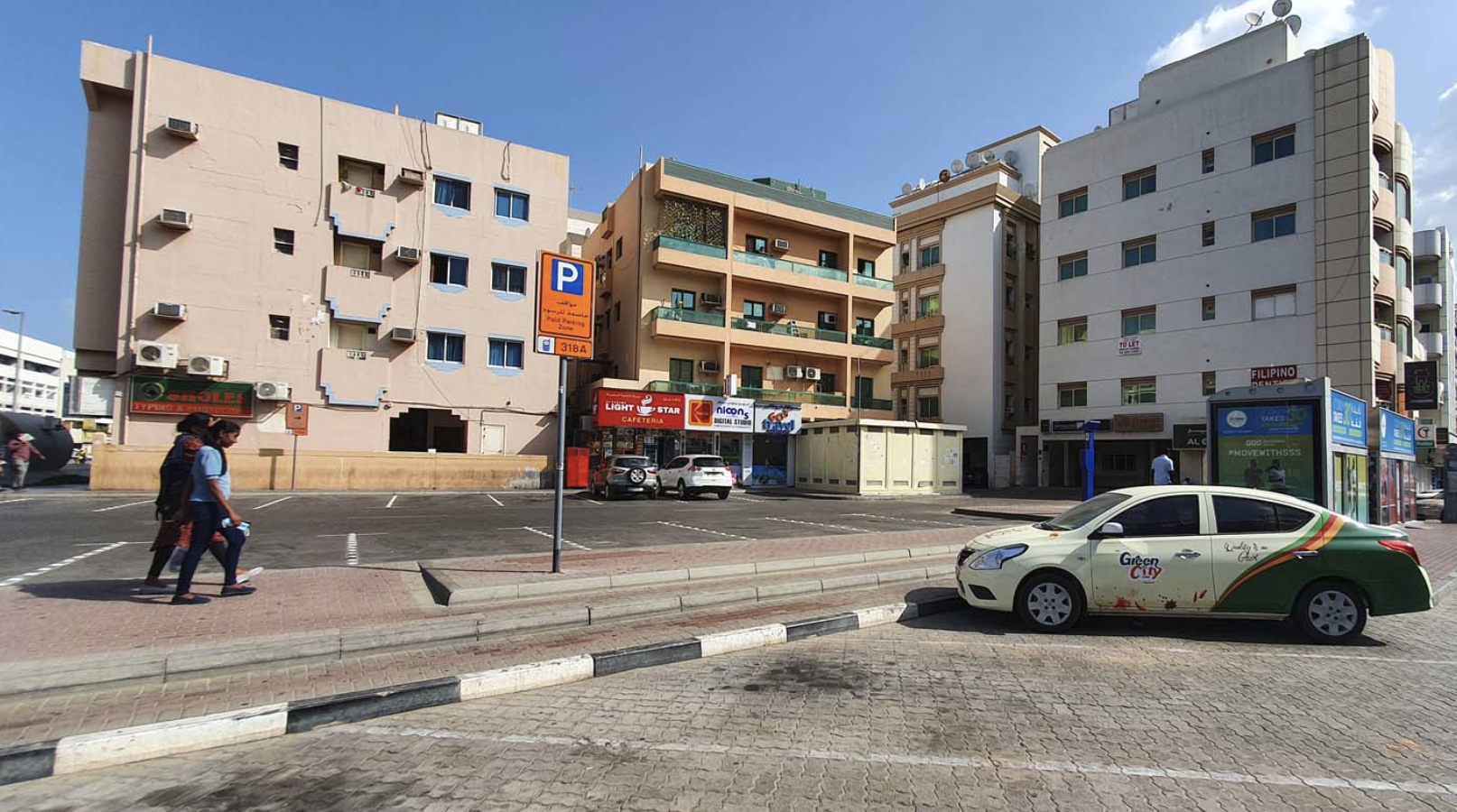
Dubai issues new law on sharing accommodation, fines up to Dh1 million for violations

Published

on

Spread the love

Sheikh Mohammed bin Rashid Al Maktoum, Vice President and Prime Minister of the UAE and Ruler of Dubai, has issued Law No. (4) of 2026 to regulate the management and occupancy of shared housing in Dubai.

The new law applies across Dubai’s private development zones and free zones and sets clear rules for property owners, authorised operators, and tenants involved in shared housing arrangements.

What the law aims to do

The legislation is designed to organise shared housing in the emirate and address issues such as overcrowding and informal accommodation. The law aims to:

  • Protect the rights of property owners and residents
  • Ensure safe and healthy living conditions
  • Prevent overcrowding and illegal housing practices
  • Address building and land-use violations
  • Promote fair rental practices
  • Support the stability and appearance of Dubai’s real estate market

Permit required for shared housing

Under the law, no individual or entity may allocate a property unit for shared housing without obtaining an official permit.

Permits will be issued and renewed according to rules set by Dubai Municipality, in coordination with Dubai Land Department and other authorities.

Properties must meet specific technical and safety requirements, including:

  • Maximum occupancy limits
  • Minimum space per resident
  • Adequate shared facilities
  • Compliance with building, health, fire, sanitation, security, and electrical standards

Permit validity and renewal

  • Permits are valid for one year and may be renewed for similar periods.
  • At the owner’s request, a two-year permit may be issued.
  • Renewal applications must be submitted at least 30 days before expiry.

Leasing rules

The law states that only the property owner or an authorised establishment can lease a shared housing unit.

Tenants or other parties are not allowed to sublease any part of the unit, ensuring better oversight and compliance with regulations.

Heavy fines for violations

Violating the law can result in fines ranging from Dh500 to Dh500,000.

If the same violation is repeated within one year, the penalty will be doubled, up to a maximum of AED1 million.

Authorities may also impose additional measures, including:

  • Suspension of activity for up to six months
  • Cancellation of the permit
  • Revocation of the commercial licence
  • Disconnection of public utilities
  • Eviction orders for non-compliant units

Oversight and implementation

Dubai Municipality will set detailed conditions for shared housing, including maximum occupancy levels, required space per resident, and necessary facilities. The authority will also determine which areas in Dubai are permitted for shared housing, based on urban planning, population density, infrastructure capacity, and neighbourhood characteristics.

The law applies to companies licensed to manage or lease properties on behalf of owners, including those operating in special development zones and free zones. However, collective labour accommodation is excluded from its scope.

When the law takes effect

The law will come into force 180 days after its publication in the Official Gazette, and any conflicting provisions in other legislation will be annulled.

With over 35 years of experience in journalism, copywriting, and PR, Michael Gomes is a seasoned media professional deeply rooted in the UAE’s print and digital landscape.

Business

How Dubai’s new rent plan could end the need for one-year rent payments upfront

Published

on

Spread the love

Paying a year’s rent upfront could soon become a thing of the past for some Dubai tenants.

A new Rent Now, Pay Later service is expected to launch in Dubai in September, giving eligible renters the option of spreading their annual housing costs across up to 12 months with zero interest.

The initiative is being developed by the Dubai Land Department (DLD) in partnership with a local bank and is aimed at giving residents more flexibility when managing one of their biggest monthly expenses.

How will the Rent Now, Pay Later service work?

Under the proposed arrangement, a tenant would select a residential property as usual.

The participating bank would then pay the landlord the full annual rent upfront.

Instead of paying the entire amount at once, the tenant would repay the bank through flexible, interest-free instalments over a period of up to 12 months.

The model could effectively turn an annual rent commitment into a monthly payment arrangement, potentially making it easier for residents to manage their cash flow.

However, the scheme is still being developed, so several important details have yet to be announced.

Who will be eligible?

DLD and its banking partner have not yet released the full eligibility criteria.

Details covering applications, qualifying tenants and properties, repayment arrangements and how landlords will participate are expected to be announced when the service officially launches.

Until those rules are published, tenants should not assume that every Dubai rental property or resident will automatically qualify.

When will the new scheme launch?

The Rent Now, Pay Later service is expected to be introduced in September.

If implemented as planned, the initiative could make Dubai the first city to introduce this type of rental payment model as part of its residential rental market.

The scheme also builds on Dubai’s wider push to give tenants more flexibility in how they pay for housing.

Flexible rent payments

The new service follows DLD’s Flexi Rent initiative, announced in June.

That programme was designed to give tenants alternatives to traditional rental payment arrangements, including the ability to pay rent monthly, quarterly or twice a year.

During its first phase, DLD partnered with 12 real estate companies to provide more flexible arrangements for tenants.

Depending on the participating company and agreement, options included:

  • Monthly rental payments
  • Instalment plans extending up to 12 months
  • Grace periods
  • Adjusted payment schedules
  • In some cases, waivers on rental increases

The Flexi Rent initiative was made available to both new and existing tenants.

Could monthly rent become the new normal?

Dubai’s rental market has traditionally involved tenants paying rent through a limited number of large payments, making the timing of rental cheques a significant financial consideration for residents.

The combination of Flexi Rent and the proposed Rent Now, Pay Later service could give tenants more ways to spread those costs throughout the year.

The key difference is that the upcoming bank-backed scheme would allow the landlord to receive the annual rent upfront, while the tenant repays the bank over time.

That could offer a different solution to the traditional monthly-rent model.

More details to come

The proposed service remains under development, meaning the final terms could change before launch.

Tenants will need to wait for DLD and its banking partner to confirm the precise requirements, participating properties, application process and repayment conditions.

For now, however, the headline proposal is straightforward: Dubai renters could soon have the option to spread an annual rent bill over as many as 12 months without interest.

Continue Reading

News

Etihad Rail tickets from Dh55: Which fare gives you most flexibility?

Published

on

Spread the love

Planning to travel on Etihad Rail’s Abu Dhabi–Fujairah passenger service? The ticket you choose could make a big difference if your plans change.

Etihad Rail offers three fare categories, Saver, Value and Flexible, across both Comfort and Premium classes. Each comes with its own rules covering ticket changes, cancellations, refunds, transfers and seat selection.

With bookings now exceeding 70,000, here’s what passengers need to know before choosing their fare.

Saver ticket: Cheapest, but least flexible

The Saver fare is aimed at passengers who are confident about their travel plans.

Once booked, the ticket cannot be changed, refunded or transferred to another passenger.

Seat selection is available, but passengers will need to pay an additional fee if they want to choose a specific seat.

Otherwise, the system will automatically allocate a seat 24 hours before departure.

In short, Saver may suit passengers who want the lower fare and don’t expect their plans to change.

Value ticket: More flexibility before departure

The Value fare offers a middle ground for passengers who want some flexibility without paying for the most flexible option.

Passengers can make unlimited changes free of charge up to 72 hours before the scheduled departure time.

If a change is made within 72 hours of departure, a Dh20 change fee applies, along with any difference between the original and new fares.

Seat selection is included at no extra cost.

However, Value tickets cannot be refunded or transferred to another passenger.

Flexible ticket: Maximum flexibility

As its name suggests, the Flexible fare gives passengers the greatest freedom to adjust their plans.

Changes can be made without a change fee before departure, and passengers can also make changes for up to 30 minutes after the scheduled departure time.

The ticket can be transferred to another passenger before boarding, providing an additional option for travellers whose plans change.

Cancellation rules are also more generous.

Passengers who cancel at least 24 hours before departure can receive a full refund. If the ticket is cancelled on the day of travel, a 30% cancellation fee applies.

All changes remain subject to availability and the conditions attached to the relevant fare.

How can you change an Etihad Rail ticket?

Passengers have several ways to modify their bookings.

Tickets can be changed through:

  • The Etihad Rail mobile app
  • The Etihad Rail website
  • Ticket vending machines at stations
  • The call centre

However, passengers cannot change their itinerary itself. This means the departure or arrival station cannot be changed, regardless of the ticket category.

Any requested change must also comply with the applicable fare rules and deadlines.

If the new ticket costs more than the original, the passenger must pay the difference in fare, along with any applicable change fee.

If the new fare is cheaper, Etihad Rail says the difference will not be refunded.

Once the new ticket has been issued, the original ticket becomes invalid.

How do Etihad Rail refunds work?

Passengers who can no longer travel can request a cancellation through the My Bookings section of the Etihad Rail website or app.

Cancellations are also possible through station ticket vending machines or the call centre.

The call centre operates daily from 5am to 11pm.

It’s important to cancel before departure if you are not going to travel.

Passengers who simply fail to show up without cancelling their booking are classified as no-shows. Their tickets become invalid, and no refund is provided.

Saver and Value tickets are non-refundable, while Flexible tickets qualify for refunds according to the applicable cancellation rules.

How much do Etihad Rail tickets cost?

Introductory fares on the Abu Dhabi–Fujairah route start from:

  • Dh55 in Comfort Class
  • Dh120 in Premium Class

The final fare depends on the selected ticket category and class.

Comfort vs Premium: What’s included?

Etihad Rail currently offers two passenger classes: Comfort and Premium.

Premium Class

Premium passengers receive around 39–40 inches of legroom, along with seats featuring extra legroom and reclining backrests with padded headrests.

Other features include:

  • USB charging ports
  • Free Wi-Fi
  • Complimentary light refreshments and beverages
  • Additional food and drink available for purchase

Comfort Class

Comfort Class provides around 37–38 inches of legroom and comfortable seating.

Passengers also receive:

  • Free Wi-Fi
  • A power outlet and USB charging point at every seat
  • Hospitality trolley service available for purchase

Which Etihad Rail ticket should you choose?

The best fare depends largely on how certain you are about your travel plans.

Saver makes the most sense if your schedule is fixed and you want to prioritise the fare price.

Value is a better option if you want the ability to change your journey without paying a fee, provided you make those changes more than 72 hours before departure.

Flexible is the strongest choice if your plans could change at short notice, particularly if you want the option of transferring the ticket or receiving a refund.

Before booking, it’s worth comparing the fare conditions rather than looking only at the headline ticket price. A slightly more expensive ticket could prove better value if there’s a chance you’ll need to change your plans.

Continue Reading

News

From Machboos to Gahwa: Etihad Rail serves up a taste of traditional Emirati cuisine

Published

on

Spread the love

A journey on Etihad Rail’s Abu Dhabi–Fujairah passenger service is getting a distinctly Emirati flavour.

Passengers travelling between the two emirates can now enjoy an onboard menu inspired by the UAE’s culinary traditions, with dishes and drinks designed to bring local flavours into the modern rail experience.

The menu, created by Capital Catering, the food and beverage arm of ADNEC Group, was developed around the concept A Journey Through the Emirates.

The idea is simple: as passengers travel through the UAE, they can experience some of the country’s flavours and hospitality along the way.

What’s on the Etihad Rail menu?

The menu uses ingredients closely associated with Emirati cuisine and hospitality, including dates, saffron, cardamom, local honey and Arabic coffee.One of the standout dishes is a contemporary interpretation of machboos, a traditional rice dish.

The Etihad Rail version features slow-braised short rib served with fragrant Emirati-spiced rice, combining familiar flavours with a more modern presentation.

The menu has been designed to cater to different journey times, with options available for breakfast, lunch, dinner and snacks.

Passengers travelling in both Comfort and Premium classes have access to specially curated selections.

There’s a menu for younger passengers too

Families travelling by rail haven’t been overlooked.

Etihad Rail has introduced a dedicated children’s menu, designed to make the onboard dining experience more accessible for younger passengers.

The offering forms part of the railway’s wider effort to create a comfortable and welcoming experience for families and travellers of different ages.

Passengers get a taste of Emirati hospitality

For a limited period marking the launch of passenger services, travellers are also being welcomed with a complimentary Ghaf Juice Shot.

The drink takes its inspiration from the UAE’s national tree, the Ghaf.

Passengers can also enjoy locally inspired chocolates in flavours including:

  • Seven spices
  • Date and caramel
  • Gahwa and cardamom

Traditional Arabic coffee is also available onboard, alongside fresh juices, specialty coffees and premium teas.

Together, the selection gives passengers more than a conventional train meal — it introduces elements of Emirati hospitality during the journey itself.

Who created the Etihad Rail menu?

The menu was developed by award-winning chef Maitha Warshaw, a UAE culinary talent known for presenting Emirati flavours through contemporary techniques.

Warshaw has represented the UAE internationally, including serving as Executive Chef of the UAE Pavilion at Expo 2025 Osaka.

Her approach focuses on taking familiar elements of Emirati cuisine and presenting them in ways that appeal to modern diners while retaining their cultural identity.

More than just a train journey

For Etihad Rail, the food offering is intended to become part of the overall passenger experience rather than simply an onboard service.

The railway says the journey is an opportunity for passengers to experience different aspects of the UAE, from the landscapes outside their windows to the country’s food, traditions and hospitality.

That means travellers on the Abu Dhabi–Fujairah route can experience a modern form of transport while also getting a culinary introduction to the country.

For passengers, the new menu adds another layer to the Etihad Rail experience, offering a taste of Emirati culture while the train carries them across the UAE.

Continue Reading

Popular

Exit mobile version
https://headline.ae/