Connect with us

News

Dubai launches world’s first human–machine collaboration classification system

Published

on

Spread the love

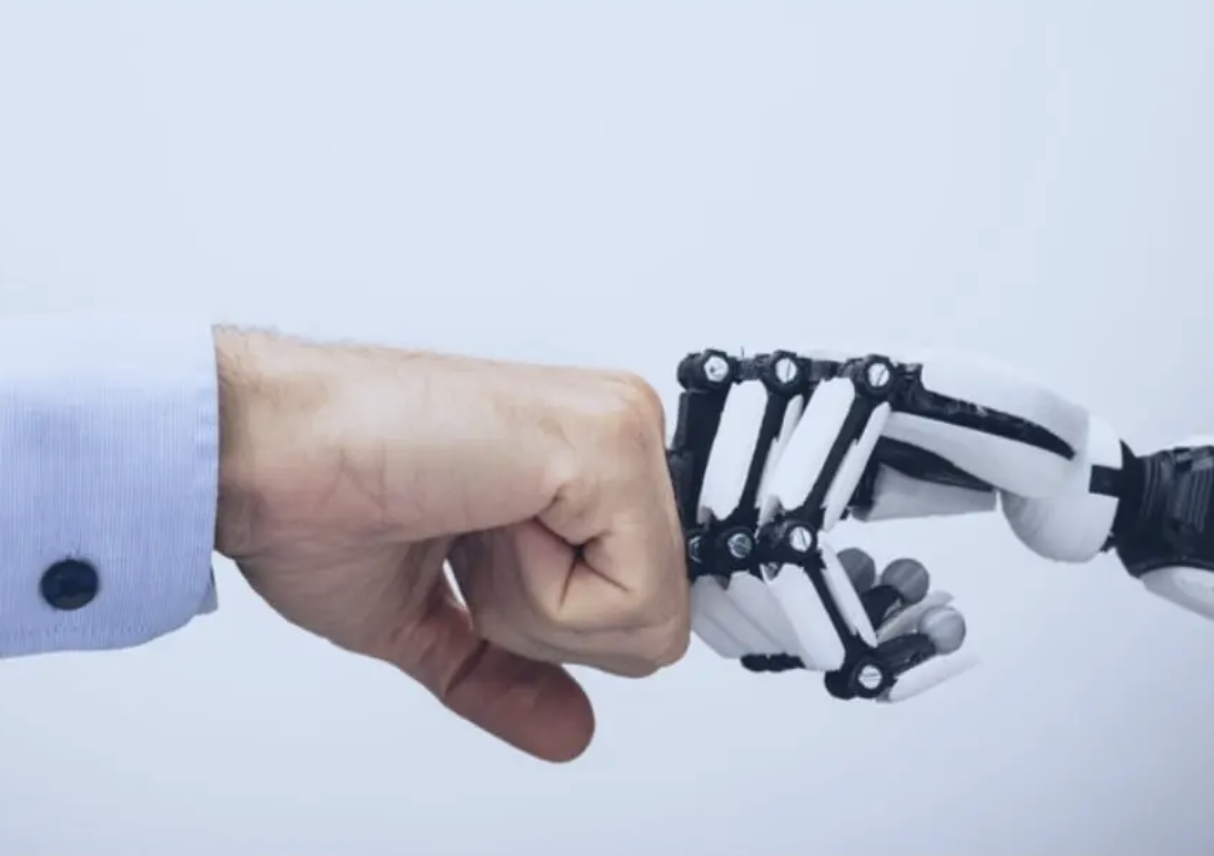
Sheikh Hamdan bin Mohammed bin Rashid Al Maktoum, Crown Prince of Dubai, Deputy Prime Minister, Minister of Defence, and Chairman of the Board of Trustees at Dubai Future Foundation, has approved the launch of a groundbreaking global initiative. This classification system clearly distinguishes the role of humans and machines in creating creative, scientific, academic, and intellectual content.

A Transparent Approach to the Future of Content Creation

In a statement, Sheikh Hamdan said: “Distinguishing between human creativity and artificial intelligence has become a real challenge in light of today’s rapid technological advances. This calls for a new approach to recognise the growing role of intelligent machines. That’s why we launched the world’s first Human–Machine Collaboration Icons, a classification system that brings transparency to how research documents, publications, and content are created.”

He urged researchers, publishers, writers, designers, and content creators worldwide to adopt this system responsibly and in a manner that benefits society.

As part of the initiative, all Dubai Government entities have been instructed to implement the classification system in their research and knowledge-driven activities.

About the Human–Machine Collaboration (HMC) Classification

Developed by the Dubai Future Foundation, the HMC classification system introduces a new standard for content transparency. It allows users to visually identify the extent of human vs. machine contribution in the creation of any piece of work, from research reports and academic papers to design and digital media.

The classification applies across multiple sectors, including research, publishing, content creation, and design, all of which are increasingly influenced by automation and AI.

The Five Main HMC Icons

The system features five core icons to represent levels of human–machine collaboration:

  • All Human – Fully created by a human, no machine involvement
  • Human-led – Created by a human with machine assistance for accuracy or improvement
  • Machine Assisted – Collaborative creation between human and machine
  • Machine-led – Machine-driven content with human verification
  • All Machine – Fully generated by machines, without human input

In addition, nine functional icons highlight specific stages where collaboration took place, including ideation, data collection, analysis, interpretation, writing, visuals, and translation.

While the icons don’t quantify the exact level of machine contribution, they offer a transparent, standardised way to disclose collaboration, empowering creators and consumers alike.

A Global Call to Action

The HMC classification is designed to be adaptable across industries and compatible with all types of media, including text, image, and video content.

To learn more about how to use the HMC icons and download the full system, visit: www.dubaifuture.ae/hmc

With over 35 years of experience in journalism, copywriting, and PR, Michael Gomes is a seasoned media professional deeply rooted in the UAE’s print and digital landscape.

News

Dubai’s new DEWA headquarters is world’s tallest energy-positive government building

Published

on

Spread the love

Dubai has just unveiled another futuristic landmard, and this one could redefine sustainable government buildings worldwide.

His Highness Sheikh Mohammed bin Rashid Al Maktoum, Vice President and Prime Minister of the UAE and Ruler of Dubai, officially inaugurated Al Sheraa, the new headquarters of Dubai Electricity and Water Authority (DEWA) in Al Jaddaf.

Mind-blowing  numbers

Dubbed the tallest, largest, and smartest energy-positive government building in the world, Al Sheraa is designed to produce more energy than it consumes, making it a major milestone in Dubai’s sustainability journey.

The building features:
• 110,000 smart sensors
• 1,500+ wireless access points
• 3,200 connected smart devices
• Over 1.9 million automated control commands daily
• Solar energy systems generating up to 5 MW of electricity 

The building combines cutting-edge AI, automation, and renewable energy technologies to create a next-generation workspace focused on efficiency and sustainability.

Calling it a “global architectural icon,” Sheikh Mohammed said the project reflects Dubai’s leadership in innovation, smart technology, and green energy.

From AI-powered systems to solar-powered operations, Dubai is once again showing the world what the cities of the future could look like 

Continue Reading

News

Why Dubai’s Burj Khalifa is the most Instagrammable landmark in the world

Published

on

Spread the love

The iconic Burj Khalifa has added another global title to its long list of records, this time as the world’s most Instagrammable landmark.

According to the latest Instagram Attraction Index, Dubai’s famous skyscraper secured the top spot globally with more than 10 million tagged Instagram posts and approximately 1.1 million monthly searches, reinforcing its status as one of the most photographed destinations in the world.

Developed by Emaar Properties and officially completed in 2010, the Burj Khalifa rises 828 metres into the Dubai skyline with more than 160 floors, making it the tallest building on the planet.

Designed by architect Adrian Smith of Skidmore, Owings & Merrill, the tower has become one of the UAE’s most recognisable landmarks, attracting millions of visitors every year for its observation decks, fountain shows and skyline views.

Among the countless images shared online, some of the most visually striking photographs of the Burj Khalifa have come from Sheikh Hamdan bin Mohammed bin Rashid Al Maktoum, whose social media posts frequently capture Dubai from dramatic perspectives.

From lightning storms illuminating the tower to sunrise scenes above the clouds, Sheikh Hamdan’s photography has played a major role in showcasing the landmark’s cinematic appeal to audiences worldwide.

The Burj Khalifa’s popularity on Instagram reflects Dubai’s broader rise as a global tourism and lifestyle destination, where architecture, luxury experiences and futuristic cityscapes continue to attract international attention.

For many visitors, photographing the tower has become almost a mandatory Dubai experience, whether from the Dubai Fountain promenade, a rooftop overlooking Downtown Dubai or even from inside the clouds during winter fog season.

Continue Reading

Education

UAE: Parents can now attest school certificates in just 3 minutes

Published

on

Spread the love

The UAE has introduced a major digital upgrade for parents and students, with the Ministry of Foreign Affairs and Sharjah Private Education Authority launching a new system that allows academic certificates to be issued and attested online in just minutes.

    Activated through the Dalil platform, the service combines certificate issuance and attestation into one streamlined digital process, removing the need for families to navigate multiple platforms or complete separate applications.

    Officials said the move is part of the UAE’s wider Zero Government Bureaucracy Programme, designed to simplify services, reduce paperwork and create a better, more user-friendly digital experience.

    Previously, parents often needed to complete up to three separate procedures involving schools, the Ministry of Foreign Affairs and UAE missions abroad. Under the new integrated system, the entire process can now reportedly be completed in around three minutes instead of taking up to six working days.

    The platform allows users to issue academic certificates through SPEA while simultaneously obtaining attestations from MoA and the relevant UAE mission in the destination country through one unified digital window.

    Officials described the initiative as another step towards building a fully connected digital government ecosystem focused on convenience, efficiency, and smarter public services.

    The new service is expected to particularly benefit families applying for university admissions, overseas transfers, and official educational documentation both inside and outside the UAE.

    Why is certificate attestation needed?

    School certificate attestation is the official process of verifying and certifying the authenticity of a student’s educational documents. This ensures that academic records and other important certificates are legally recognised by authorities in the UAE.

    The process is often required for several key purposes, including school admissions, university applications, student visa procedures and confirming the validity of educational qualifications for use inside the country.

    Continue Reading

    Popular

    Exit mobile version
    https://headline.ae/