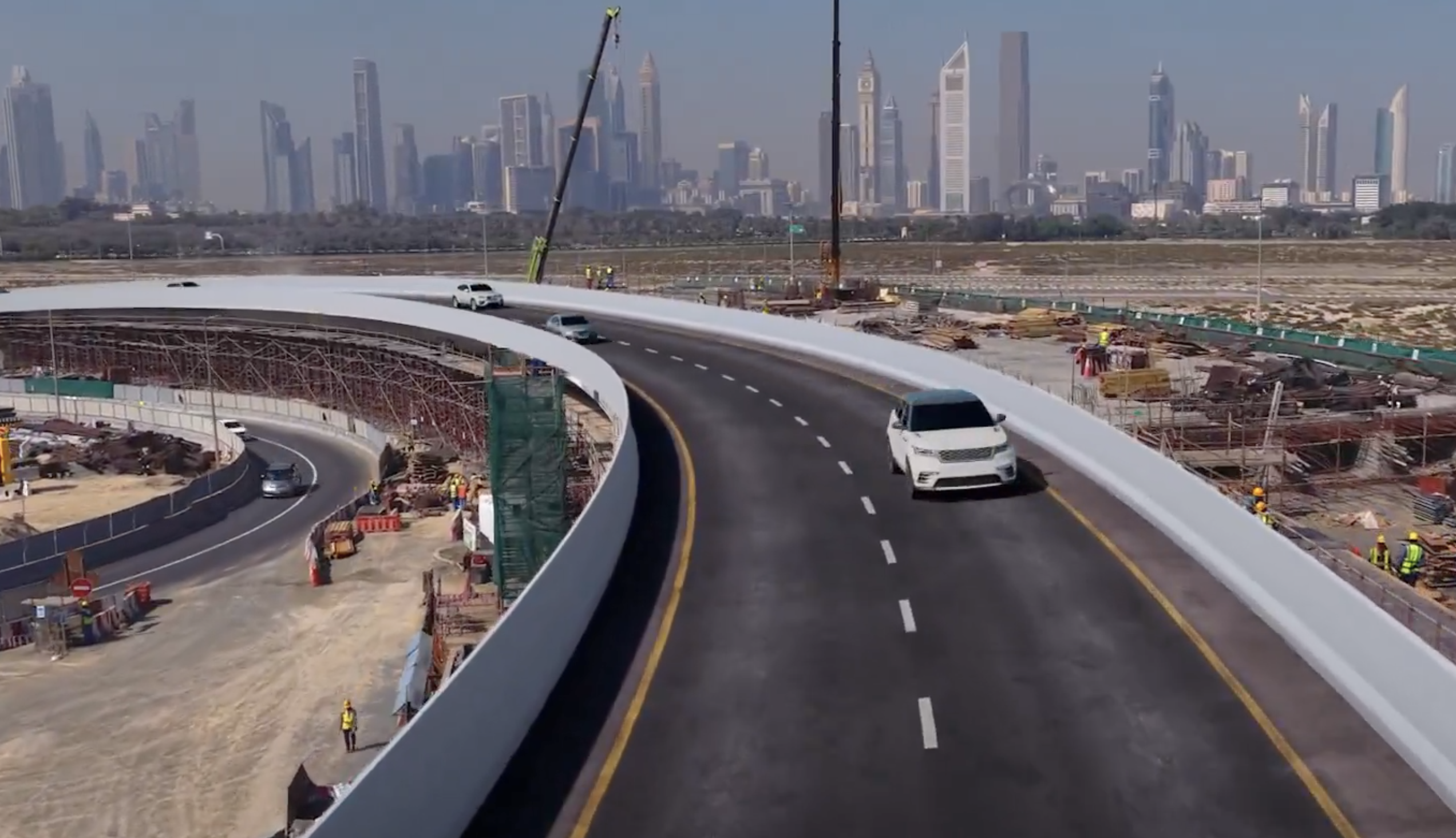
Dubai motorists have a smoother commute ahead as the Roads and Transport Authority (RTA) has opened two new bridges connecting Al Asayel Street with Al Khail Road via Al Wasl Club Street.
The bridges are part of the Oud Maitha and Al Asayel Streets Development Project, which falls under the wider Sheikh Rashid Corridor Development Project aimed at easing traffic and supporting Dubai’s growing population.
What the new bridges do
The newly opened bridges improve traffic flow at key junctions in the Oud Maitha area:
Bridge 1: Carries traffic from Al Asayel Street towards Al Wasl Club Street
Bridge 2: Connects Al Asayel Street to Al Khail Road heading towards Business Bay Crossing
According to RTA, the first bridge features two lanes with a capacity of about 2,400 vehicles per hour, helping ease traffic at the intersection with Oud Maitha Street and Al Wasl Club Street.
The second bridge, also with two lanes, can handle around 3,000 vehicles per hour, improving connectivity between Al Asayel Street and Al Khail Road.
Major road project nearing completion
The authority said 72% of the overall development project has now been completed, while 70% of tunnel construction work is also finished.
The upcoming tunnel will serve vehicles travelling from Dubai–Al Ain Road towards the Oud Maitha service road.
Additional road expansions and bridge structures are currently under construction and are expected to open in the third quarter of 2026.
Faster journeys for drivers
Once completed, the project is expected to significantly improve traffic movement in the area.
Road capacity on Oud Maitha Street will increase from 10,400 vehicles per hour to 15,600 vehicles per hour
This represents a 50% increase in traffic capacity
Average travel time will drop from 20 minutes to just 5 minutes, a 75% improvement
The improvements aim to make daily commuting faster and support Dubai’s long-term infrastructure growth.
With over 35 years of experience in journalism, copywriting, and PR, Michael Gomes is a seasoned media professional deeply rooted in the UAE’s print and digital landscape.
The Indian Embassy in the UAE has announced that Alhind Tours and Travels LLC will become the sole outsourced service provider for passport, visa, and consular applications across the country starting July 1.
In a statement shared on its official social media channels, the Embassy said detailed information on procedures and working hours will be released in due course through official platforms. The transition will impact consular services for over 3.5 million Indian expatriates in the UAE.
🔔 Important Update: Change in Outsourced Service Provider for Indian Passport, Visa and Consular Services in the UAE. pic.twitter.com/6GER045Jn1
Current service providers, BLS International Services Ltd. and SGIVS Global, will continue operations until June 30, with applicants advised to complete pending submissions before the changeover.
Under the new arrangement, the largest service centre is expected to be located in Bur Dubai, spanning approximately 12,000 square feet with over 45 service counters. Alhind has also indicated plans to streamline operations through an expanded workforce of more than 400 staff, alongside an all-inclusive service fee of Dh19, excluding mandatory government charges.
The Embassy and Consulate have urged applicants to depend only on official sources for updates, cautioning against misinformation, and reaffirmed their commitment to ensuring a smooth transition of services.
The decision follows a tender issued in November 2025 for outsourcing a range of consular services at the Embassy in Abu Dhabi and the Consulate General of India in Dubai. Four companies—Alhind, DU Digital Global Ltd, SGIVS Global LLC, and VFS Global—were shortlisted, with Alhind emerging as the lowest bidder.
Founded in Kerala in 1992, Alhind Tours & Travels Pvt Ltd is part of the wider Alhind Group, which operates across IT services, luxury rentals, and foreign exchange. The company expanded its presence to the UAE and other Middle Eastern markets in 1995.
Travellers heading from the UAE to Oman now have more flexibility, with the Sharjah Roads and Transport Authority (SRTA) announcing revised schedules for its popular intercity bus service connecting Sharjah with Sohar and Muscat.
The updated timings apply to Intercity Bus Route 203, which departs from Al Jubail Bus Station in Sharjah and serves passengers travelling to Oman’s two major cities. The changes are aimed at improving convenience, enhancing cross-border mobility, and providing more travel options for residents and visitors.
New Sharjah to Muscat bus timings
Passengers travelling from Sharjah can now choose from three daily departures:
6:30am
3:30pm
8:30pm
Oman to Sharjah bus timings
For travellers returning from Oman, buses departing from Sohar and Muscat will operate at:
7:00am
1:30pm
3:00pm
More travel options between UAE and Oman
SRTA said the revised schedule is part of ongoing efforts to strengthen regional transport connectivity and offer a comfortable, safe and efficient travel experience between the UAE and Oman.
Passengers are advised to check the latest updates through SRTA’s official channels before travelling and to arrive at the station early to ensure a smooth journey.
Route: Intercity Bus 203 Departure Point: Al Jubail Bus Station, Sharjah Destinations: Sohar and Muscat, Oman New Timings Effective: Immediately
Motorists travelling between Sharjah and Dubai will face new traffic diversions from Saturday, June 13, as the Sharjah Roads and Transport Authority (SRTA) begins a temporary partial closure of Al Taawun Street.
The closure is part of ongoing construction works for the Al Taawun Tunnel Development Project, which aims to improve traffic flow and enhance the efficiency of Sharjah’s road network.
Under the revised traffic plan, vehicles heading towards Dubai and Al Nahda Bridge will be diverted via Al Corniche Street.
Meanwhile, motorists travelling from Al Nahda Bridge towards Sharjah will be redirected to the newly developed section of Al Taawun Street.
SRTA said the temporary arrangements are necessary to facilitate works at the existing Al Taawun roundabout and will come into effect from June 13.
The authority urged motorists to follow directional signs, use approved alternative routes and adhere to traffic safety instructions to help minimise delays during the construction period.
The Al Taawun Tunnel Development Project forms part of Sharjah’s wider infrastructure programme aimed at easing congestion and improving mobility across the emirate.
What changes from June 13?
Towards Dubai / Al Nahda Bridge
Use Al Corniche Street as the alternative route
From Al Nahda Bridge to Sharjah
Follow diversions to the newly developed Al Taawun Street