Connect with us

Education

Dubai parents warned about dangerous social media challenges in schools

Published

on

Spread the love

Parents of children enrolled in Dubai private schools are being urged to stay alert after education and health authorities raised concerns about dangerous social media trends circulating among students.

The Knowledge and Human Development Authority (KHDA), alongside the Dubai Health Authority (DHA), has issued an advisory warning parents about risky behaviours reported in some schools. These include choking, breath-holding, applying pressure to the neck or head, and participation in viral challenges.

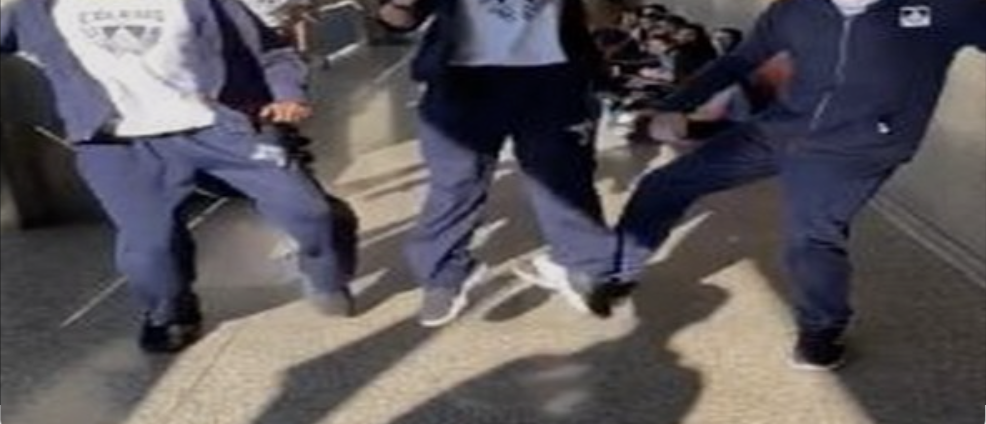
One of the most concerning trends highlighted is the “Skull Breaker Challenge”, where two people deliberately kick the legs from under a third person, causing them to fall, often backwards, risking serious head or spinal injuries. The challenge previously gained attention on social media in 2020 and had prompted warnings from Dubai Police at the time.

KHDA stressed that while children may see these actions as jokes or harmless fun, they carry serious and immediate health risks. Students found participating in, encouraging, or recording such behaviour will face disciplinary action under their school’s behaviour policy. In more serious cases, matters may be referred to external authorities.

What parents should watch out for

Parents are encouraged to remain vigilant and look out for both physical and behavioural warning signs, including:

  • Marks, redness, or bruising around the neck
  • Headaches, dizziness, fainting, or bloodshot eyes
  • Sudden secrecy around online activity
  • Talking about viral challenges or risky games
  • Unexplained mood or behaviour changes
  • Wearing clothing that hides the neck area

Any concerns should prompt an immediate conversation with the child and contact with the school if worries persist.

Why are these activities dangerous

According to DHA, restricting breathing or blood flow to the brain can be fatal:

  • Brain damage can occur within seconds without oxygen
  • Irreversible damage may happen in under a minute
  • Oxygen deprivation can trigger seizures and heart rhythm disturbances
  • Pressure on the neck can damage airways and blood vessels
  • Multiple countries have reported deaths among children aged 7 to 17
  • There is no safe way to take part in these activities

What parents can do

KHDA is urging parents to:

  • Speak openly with children about the dangers of these behaviours
  • Reinforce that they are not games and can be life-threatening
  • Monitor online activity and be aware of peer influence
  • Contact the school or seek medical advice if they have immediate concerns

While schools are addressing the issue directly with students, KHDA emphasised that parent involvement is critical to reinforcing safety messages beyond the classroom.


With over 35 years of experience in journalism, copywriting, and PR, Michael Gomes is a seasoned media professional deeply rooted in the UAE’s print and digital landscape.

Education

Some UAE schools enforce tough rules on qaza haircuts, hoodies and energy drinks

Published

on

Spread the love

Students face tighter appearance and food rules as schools warn that banned items could be confiscated, recorded and punished under conduct policies, according to local media reports.

The new school year has barely got into its second week,  but some UAE students are already discovering that the rules are getting serious.

The UAE Ministry of Education’s 2026–27 public-school uniform guide requires approved uniforms and says hair should be styled appropriately according to local customs and remain its natural colour

Several public and private schools have now stepped up checks on student appearance, behaviour and food, introducing tougher controls covering everything from hairstyles and hoodies to what youngsters can bring in their lunch bags.

Among the biggest no-go items are qaza-style haircuts, long hair for male students, hoodies worn inside school premises, energy drinks, fizzy drinks, tea, coffee and chips.

And schools are warning that ignoring the rules could have consequences.

Haircuts under the microscope

Students sporting a qaza haircut, in which part of the head is shaved while another section is deliberately left long, have been put on notice.

Long hairstyles for male students are also among the appearance rules being enforced.

Schools say the measures are designed to promote a consistent appearance and discourage behaviour they believe conflicts with educational and social values.

The message to students is clear: what might pass as a trendy look outside the school gates may not make the cut once they walk into school.

Hoodies? Not inside school

The crackdown doesn’t stop at hair.

Schools have also prohibited students from wearing hoodies inside school premises, with the appearance requirements applying from the moment students enter through the gates.

Parents and students have been informed through circulars and official communications outlining the restrictions.

Your lunchbox could also land you in trouble

It isn’t just what’s on students’ heads that’s being scrutinised.

Schools are also tightening controls over what youngsters bring through the gates.

Tea, coffee, soft drinks, energy drinks and chips of all types have been listed among the prohibited food and beverages.

And there’s an important detail: students don’t necessarily escape a violation simply because they haven’t consumed the item.

Schools have warned that having a prohibited food or drink in a student’s possession can itself trigger action.

The item may be confiscated, the incident officially recorded and the school’s conduct code applied, potentially including deductions to the student’s conduct grade.

Students are instead being encouraged to rely on the nutrition and food options supplied by the school’s approved canteen service.

Schools say it’s about more than looks

School administrations say the tighter rules are not simply about policing fashion or deciding what ends up in a lunch bag.

They argue that appearance, conduct and nutrition are part of creating a structured educational environment and reinforcing respect for teachers, classmates and the wider school community.

The schools have also connected the measures to the qualities they want to develop in Emirati students, including national pride, responsibility, discipline, respect, academic ambition and a commitment to excellence and creativity.

In their view, a smart and appropriate appearance is not merely about looking the part. It is intended to reflect a student’s attitude towards themselves, their teachers and fellow students.

The new school-year message

With the academic year now gathering pace, students and parents are being urged to pay close attention to individual school circulars and requirements.

For pupils, that could mean checking the hairstyle before leaving home, leaving the hoodie behind and thinking twice before slipping a can of fizzy drink or a packet of chips into the school bag.

Because this year, UAE schools appear to be taking the message very seriously: school rules start at the gate, and they don’t end with the uniform.


Continue Reading

Education

Dubai school holiday dates changed: Parents need to know about new October half-term

Published

on

Spread the love

Dubai parents may need to rethink their October plans after some schools brought forward their half-term holiday by one week.

Several private schools in the emirate have revised their academic calendars, moving the October break from October 19–23 to October 12–16.

The change affects schools including Dubai British School, Safa British School and Arab Unity School, according to reports.

For families at these schools, the earlier holiday means children will finish classes on Friday, October 9 and return on Monday, October 19.

With the weekends included, students will effectively have nine consecutive days away from school, from October 10 to October 18.

Why has the October break changed?

Parents at affected schools were notified of the revised dates through school communications.

The updated calendars are intended to bring school holidays in line with the academic calendar set by Dubai’s Knowledge and Human Development Authority (KHDA) and the Ministry of Education (MoE).

The adjustment means families who had been planning trips around the originally published October 19–23 break should check their school’s latest calendar before finalising arrangements.

Is every Dubai school changing its dates?

No, and this is important. The revised dates do not automatically apply to every private school in Dubai.

Holiday schedules can differ depending on the curriculum a school follows and the regulations under which it operates. Schools following curricula other than the British curriculum may have different term and holiday dates.

Parents should therefore rely on the latest information issued directly by their child’s school rather than assuming that all schools will follow the same October schedule.

Could Dubai students get another mid-term break?

There is another possibility parents should be aware of.

The current academic calendar does not include a February half-term for schools that follow this schedule. Some private schools may choose to divide their mid-term holiday and introduce a break in February instead.

However, schools cannot simply add extra days off. Any change would require the necessary approvals, and the total break must remain within the permitted five school days.

What are the revised dates?

For schools that have adopted the earlier October break:

Last day before holiday: Friday, October 9
Half-term: October 12–16
Weekend: October 17–18
Students return: Monday, October 19

That gives students a break of nine days when the two weekends are included.

What parents need to know?

Before booking flights or making October holiday plans, parents should check their school’s latest academic calendar or parent circular.

Continue Reading

Education

Dh500,000 fine, immediate closure: UAE cracks down on unlicensed universities

Published

on

Spread the love

  1. Unlicensed or unauthorised higher education institutions in the UAE could face immediate closure and fines of up to Dh500,000 under new rules taking effect on September 12.
  2. The measures are part of a stronger government push to regulate the higher education sector and protect students.
  3. Immediate closure for unlicensed Ilnstitutions
  4. The Ministry of Higher Education and Scientific Research will enforce the new violations schedule and impose administrative penalties on institutions that breach regulations.
  5. Any institution or premises operating without the required licence or approval may be ordered to close immediately.
  6. Stronger action will apply to providers that continue operating after a closure order or repeat violations after a ban has expired.
  7. Authorities may also work with local government bodies and economic departments to prevent illegal operations from reopening under another name or structure.
  8. Students’ rights must be protected
  9. The new rules require institutions affected by enforcement action to protect students’ academic and financial rights.
  10. Providers must take steps to ensure students can continue their education if regulatory action disrupts their institution.
  11. Institutions may also be required to refund fees or other payments collected without legal entitlement.
  12. Permanent bans for repeat offenders
  13. The rules also introduce permanent bans for individuals behind institutions that repeatedly violate regulations.
  14. The offending institution, its owners and anyone with effective control could be permanently prohibited from establishing, owning, managing or controlling higher education or technical and vocational education and training providers.
  15. The ban can apply both directly and indirectly.

Continue Reading

Popular

Exit mobile version
https://headline.ae/