Connect with us

News

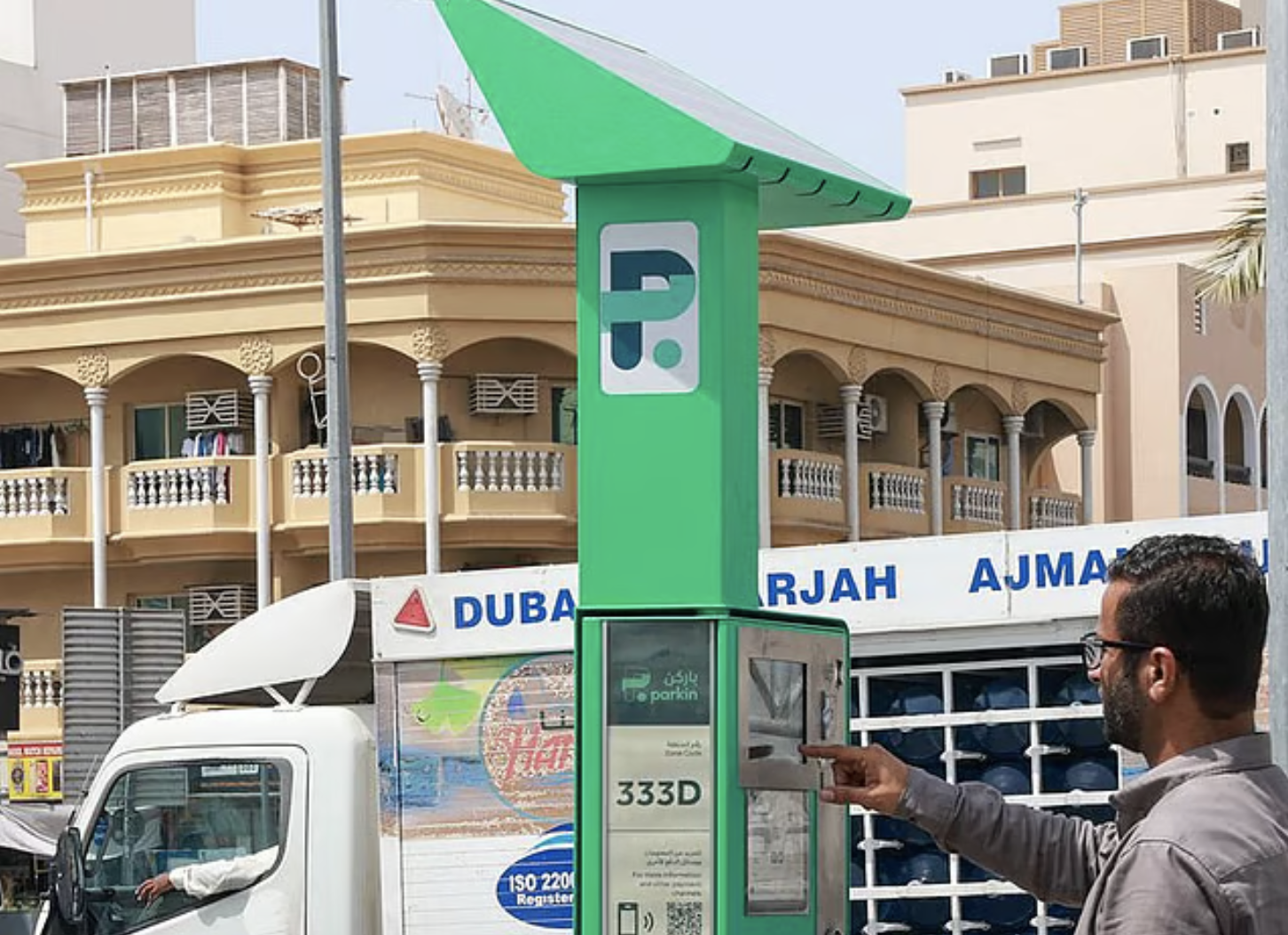
Dubai Parking update: Parkin rolls out 15 new subscription categories with more flexible, affordable options


Published

on

Spread the love

Parkin has unveiled a major expansion of Dubai’s public parking subscription system, introducing 15 new and updated categories designed to give residents, commuters, and visitors far more flexible parking options across the city’s busiest residential, commercial, and development zones.

Under the revamped structure, subscription prices now start at Dh100 per month, the lowest tier for students and staff of private educational institutions, and go up to Dh500 per month for side-street and open-yard parking, which marks the highest-priced category.

To make things easier for regular users, Parkin has also launched quarterly bundled plans. These include a Dh1,400 three-month subscription for high-demand areas such as Dubai Silicon Oasis and Dubai Hills, working out to roughly Dh467 per month.

The expanded system now covers side-street and yard parking options from Dh500 per month, with the added benefit of registering up to three vehicles under a single traffic file — a useful option for families, daily commuters, and frequent shoppers.

Dedicated yard-only subscriptions in Zones B and D start from Dh250 per month, catering to users who need long-duration or overnight parking for up to 24 hours.

New packages for development zones

Parkin has also introduced flexible subscription plans across major development clusters:

  • Dubai Silicon Oasis (Zone H): From Dh1,400 for three months
  • Dubai Hills (631G): Subscriptions available for up to one year, starting from Dh1,400 every three months
  • Wasl Real Estate W/WP zones: From Dh300 per month for long-term permits

Additional development-zone packages include:

  • Dubai Studio City: Dh315 per month (869 spaces)
  • Dubai Outsource City: Dh315 per month (141 spaces)
  • Dubai Sports City: Dh300 per month (875 spaces)
  • Dubai International Academic City: From Dh315 per month (1,850 spaces)
  • Dubai Production City: From Dh315 per month (5,650 spaces)
  • Dubai Science Park: From Dh315 per month (777 spaces in Zone 672F)

Lower rates for students and education staff

In a move to support the education community, Parkin has introduced reduced-rate categories for private school staff, who can now get side-street and yard parking permits starting at Dh100 per month within 500 metres of their workplace in Zones A, B, C and D.
Students can access the same benefits for Dh100 per month, provided their parking area is within 500 metres of their educational institution.

Multi-storey options for city-centre users

For those who spend long hours in central Dubai, Parkin is offering multi-storey parking subscriptions starting from Dh735 per month, providing a more affordable alternative to daily payments.

Parkin said the expanded subscription network is designed to improve parking accessibility across the emirate and offer tailored solutions for both daily and long-term users. The company also urged motorists to download the Parkin app and choose the package that best fits their location and parking habits.

With over 35 years of experience in journalism, copywriting, and PR, Michael Gomes is a seasoned media professional deeply rooted in the UAE’s print and digital landscape.

News

Etihad Rail confirms Abu Dhabi–Dubai–Fujairah as first passenger routes

Published

on

Spread the love

Etihad Rail has finally revealed the first routes on its much-anticipated passenger network, and Dubai is right at the heart of it. The opening phase, set to launch in 2026, will connect Abu Dhabi, Dubai and Fujairah, creating a major rail corridor linking the UAE’s key commercial hubs with the east coast.

The initial rollout will focus on high-demand routes, starting with frequent services between Abu Dhabi and Dubai, followed by a direct connection to Fujairah. More routes and stations are expected to come online later in 2026 and beyond as demand grows.

For Dubai commuters, it’s all about saving on travel time. Journeys between Dubai and Abu Dhabi are expected to take around one hour, while trips from Abu Dhabi to Fujairah will take about 90 minutes. Trains will run at speeds of up to 200 km/h and carry up to 400 passengers, offering a fast alternative to increasingly congested highways.

The Abu Dhabi–Dubai route is expected to see the most frequent services. The Fujairah connection, meanwhile, is designed to boost tourism and improve access to the UAE’s east coast.

Station locations were chosen based on population density and connectivity.

The first passenger stations will be located in Mohamed bin Zayed City (Abu Dhabi), Jumeirah Golf Estates (Dubai), and Sakamkam near Al Hilal City (Fujairah), marking a major step toward a nationwide rail network that could reshape how people move across the UAE.

Continue Reading

News

Headed to University City? Here’s what to know as Sharjah announces road closure for Lights Festival

Published

on

Spread the love

If you’re planning to drive around University City in the coming weeks, take note: the Sharjah Roads and Transport Authority (SRTA) has announced a partial road closure leading to University City Hall as part of preparations for the upcoming Sharjah Lights Festival.

The closure, which began on Tuesday, January 20, will remain in place until Sunday, March 1, coinciding with the festival period. Authorities say the move is aimed at improving traffic management and ensuring the safety of all road users during the busy event season.

Only a portion of the road leading directly to University City Hall will be affected, with traffic continuing to flow through temporary diversions and alternative routes that have already been approved and put in place.

SRTA said the closure forms part of a wider traffic plan developed in coordination with Sharjah Police and other relevant departments, anticipating increased traffic volumes during the festival. The goal is to maintain smooth access for visitors and participants while minimising congestion within University City and the surrounding areas.

To support drivers, authorities have set up clear directional signage, temporary road markings, and alternative routes around the closure zone, ensuring travel times and service quality remain largely unaffected.

Motorists are advised to follow posted detours, comply with instructions from authorities on the ground, and pay close attention to traffic signs to help keep everyone safe and traffic moving smoothly throughout the closure period.

Continue Reading

News

Planning a Ramadan tent in Abu Dhabi? Here’s what you need to know before setting one up

Published

on

Spread the love

If you’re planning to host Iftar or Suhoor gatherings this Ramadan, Abu Dhabi’s Department of Municipalities and Transport has laid out clear guidelines for setting up Ramadan tents, and the good news is, the permit process is free and simple.

Companies and eligible applicants can obtain official approval to install temporary Ramadan tents by logging in with a digital ID, submitting an application, and receiving authorisation, with no additional documents required.

However, there are strict rules to follow.

Key conditions for setting up a Ramadan tent

  • Only one tent is allowed outside the plot’s boundary
  • The tent must not exceed 60 square metres in area
  • Maximum height allowed is 5 metres
  • The tent must be installed only in front of the plot owner’s residence, between the plot boundary and the sidewalk
  • Approved materials include traditional tent fabrics such as wool, Bedouin textiles, tarpaulins, and similar materials

What’s not allowed

  • Blocking streets, sidewalks, or public services
  • Excavation work of any kind
  • Installing tents over service structures or annexes
  • Using cooking equipment or charcoal
  • Any activities involving selling, buying, renting, or promoting

Important responsibilities to note

Permit holders are fully responsible for any damage caused to public or private property during the installation or removal of the tent. Installing a tent in an unauthorised location is considered a violation and may lead to legal action.

Authorities also reserve the right to demand the immediate removal of a tent in cases of emergencies, complaints, or violations of permit conditions.

Additionally, permit holders must exempt the Municipality from any claims or liabilities raised by other entities related to the use of the permit.

While setting up a Ramadan tent in Abu Dhabi is easy and free, following the rules is essential to avoid fines or removal.

Continue Reading

Popular

Exit mobile version
https://headline.ae/