Royal Desert Champions have become the latest team to join the Abu Dhabi T10 as the tournament enters a new era under the stewardship of Abu Dhabi Cricket & Sports Hub (ADCSH).
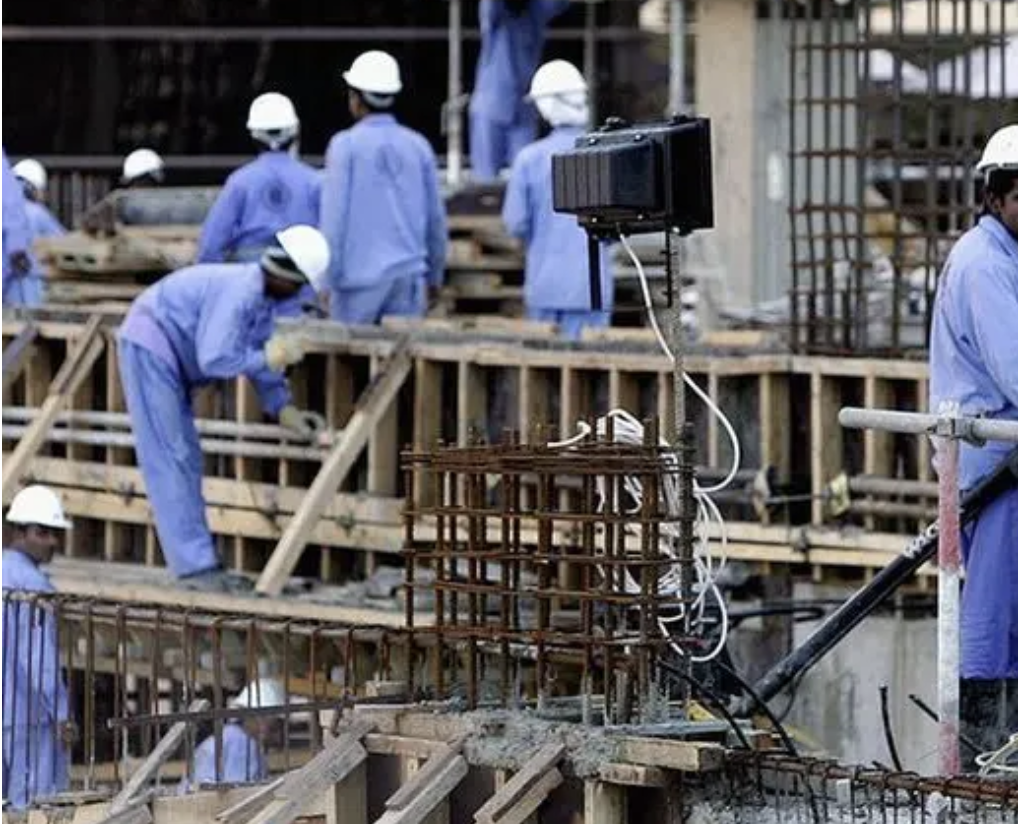
Royal Desert Champions takes its inspiration from the people who have made UAE their home – the dreamers who arrived with ambition, the builders who created something from ground up, and the achievers who continue to push the boundaries of what is possible. The team aims to celebrate that spirit of ambition, possibility and achievement, both on and off the field.
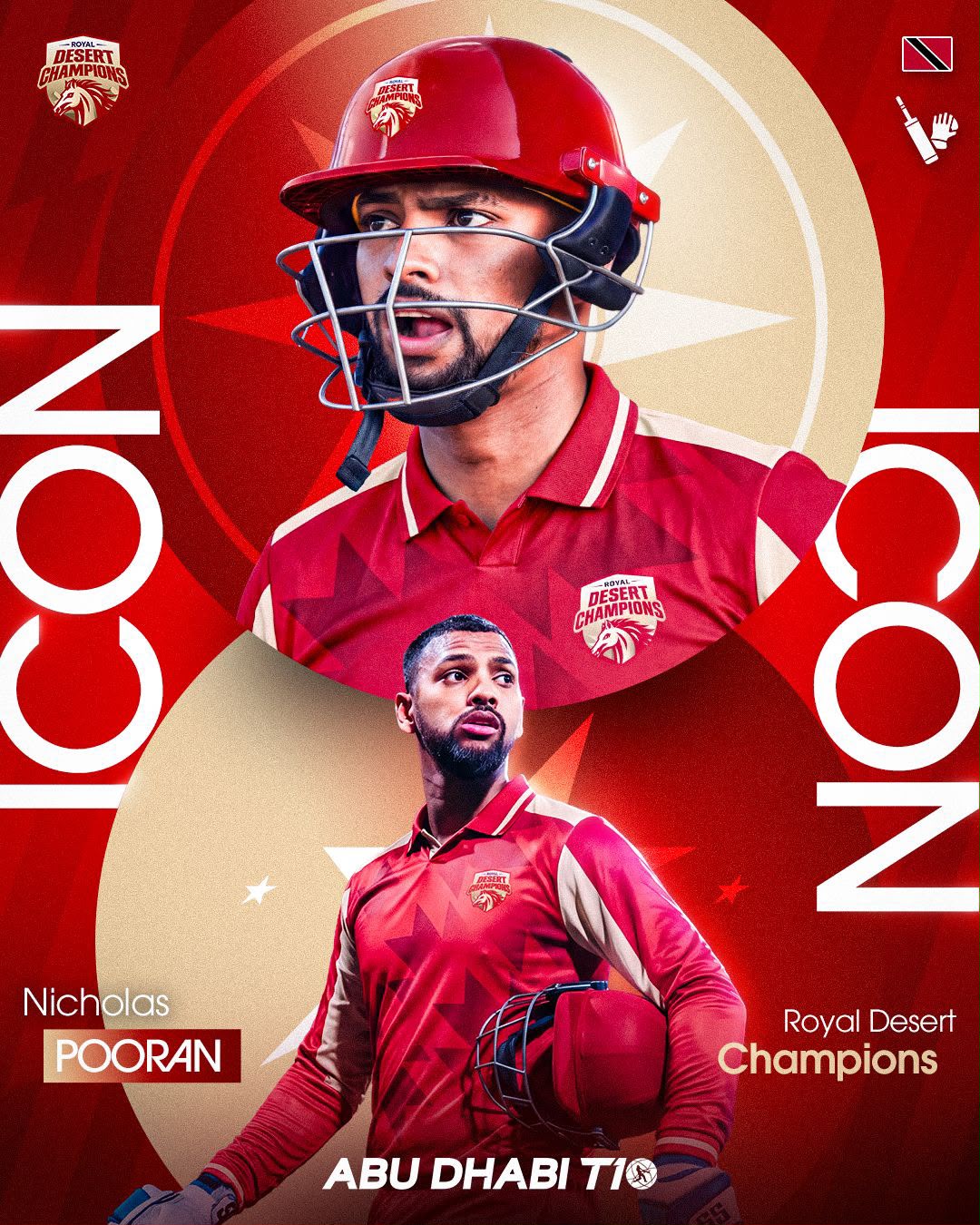
Reflecting this spirit is the appointment of Trinidadian superstar Nicholas Pooran as the captain and Icon player of the new franchise, while England international Phil Salt and West Indies all-rounder Sherfane Rutherford have joined as direct signings, giving Royal Desert Champions an exciting core of proven short-format talent.
Together, the three signings send an early signal of the Royal Desert Champions’ ambitions ahead of their debut in the 2026 tournament, which runs from 7-20 November at Zayed Cricket Stadium in the UAE capital.
Pooran is widely regarded as one of the standout talents of West Indies’ second generation of T20 stars. He represented the West Indies in limited-overs cricket until 2024 and previously captained the national team.
Salt adds another explosive presence at the top of the order. The England international is an aggressive right-handed opening batter and has built experience across international and domestic short-format cricket.
Rutherford meanwhile brings further power and versatility. The West Indian is an impactful short-format all-rounder, combining aggressive middle-order batting with medium-pace bowling and has competed across major competitions including the CPL, IPL, PSL, BPL, ILT20 and MLC.
Royal Desert Champions take their identity from resolute desert characteristics forged in a demanding environment. The new team has been founded by entrepreneur and former banker Amit Narang who has more than 17 years’ experience with leading international banks in India and the Emirates and has built a successful fintech business in the UAE.
Amit said the opportunity to create the first completely new franchise of the Abu Dhabi T10’s new era, backed by a strong group of initial signings, provides the foundations for ambitions extending well beyond on-field success.
“Royal Desert Champions is built on the belief that champions are revealed when conditions are toughest. The desert embodies the qualities we want this team to stand for – resilience, courage, adaptability, and ambition.
“As the first new founding team of this new Abu Dhabi T10 era, we have the opportunity to create something distinctive from the ground up – a team that the emirate can be proud of, a brand that connects with fans locally and globally, and a franchise with the ambition to build a lasting legacy.
“With Nicholas leading us, supported by outstanding players such as Phil and Sherfane, we have an exciting core around which to build. We are here to compete, to win and to create something that endures.”
Working alongside Pooran to shape that ambition on the field will be former India international all-rounder Robin Singh, who has been appointed Team Director. Singh brings extensive playing and coaching experience, including a long association with Mumbai Indians and roles across international and franchise cricket. His record also includes winning titles in both T10 and ILT20 cricket, giving the new franchise an experienced figure with an established understanding of success in the shortest formats.
“Having been closely associated with the Abu Dhabi tournament format over the years, I am delighted to continue my journey with the Royal Desert Champions,” said Singh. “I look forward to building around our strong core a quality and competitive team capable of making an immediate impact in the Abu Dhabi T10.”
Welcoming the new team to the Abu Dhabi T10 2026 field, Matt Boucher, CEO of ADCSH and the Abu Dhabi T10, said, “We’re thrilled to welcome the Royal Desert Champions to the Abu Dhabi T10. Bringing together a strong regional identity with world-class international talent is exactly the kind of ambition we want to see as the competition continues to grow.
“The new team ownership has set out a clear direction for the team, and they are already assembling an impressive combination of leadership, experience, and international talent. With Robin guiding the sporting operation and Nicholas, Phil and Sherfane providing such a solid early foundation on the field, it will be exciting to see how the Royal Desert Champions take shape ahead of November.”
Royal Desert Champions will now continue building their squad and sporting structure as preparations accelerate for the 2026 Abu Dhabi T10 Official Player Draft on 30 September in Abu Dhabi.