News
Earth Hour 2022: Dubai saves 329mw of electricity



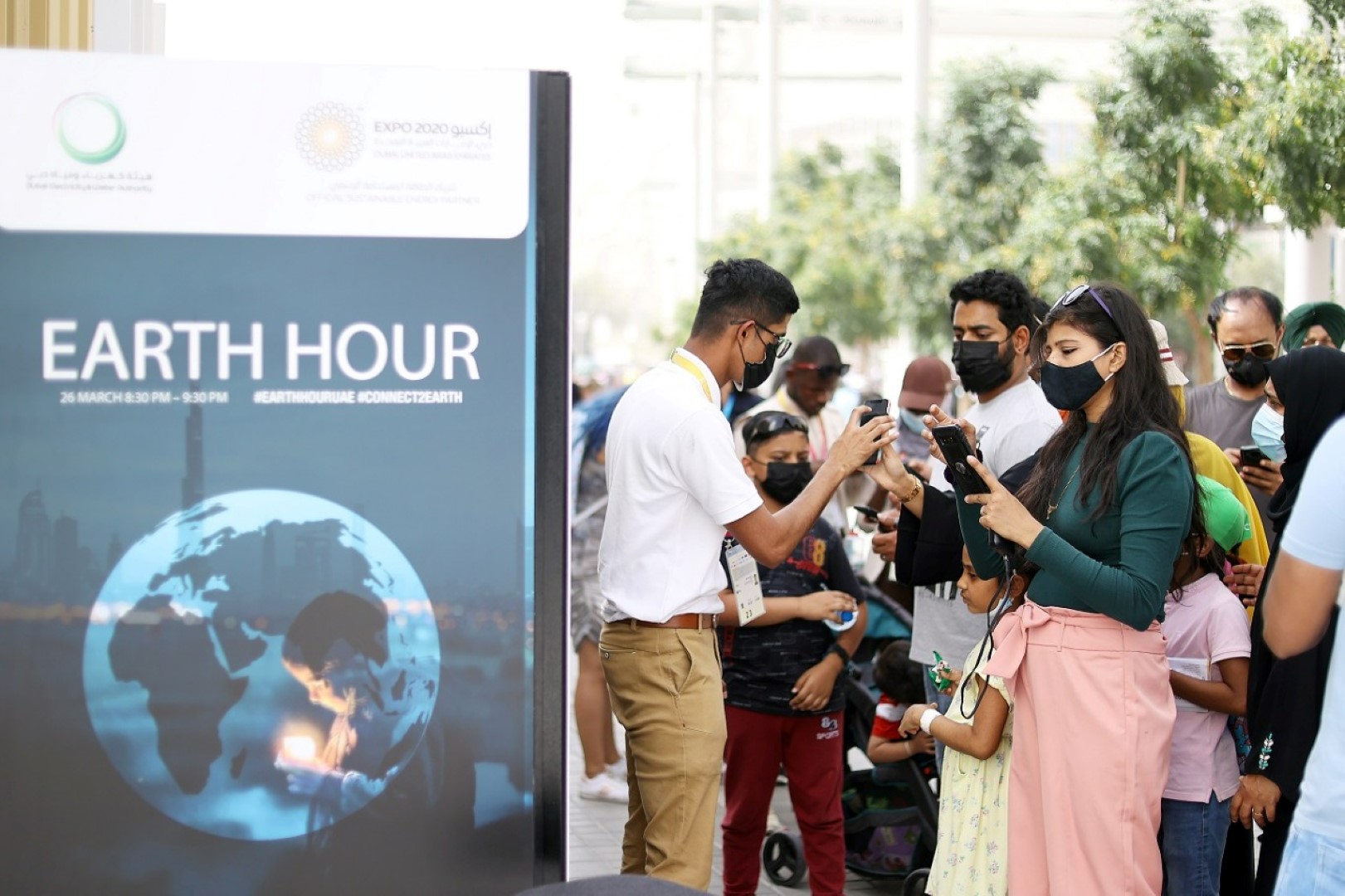
Dubai Electricity and Water Authority (Dewa) recorded savings of 329 megawatts (mw) in electricity consumption in the Emirate during Earth Hour 2022, equivalent to a reduction of 132 tonnes of carbon dioxide emissions. These savings are 13 per cent higher than the 291mw savings recorded during Earth Hour 2021. This year’s savings are the biggest since 2008 when Earth Hour was first observed in Dubai.
Dubai residents joined millions worldwide in expressing their solidarity with efforts to reduce climate changes by turning off unnecessary lights and electric appliances during Earth Hour between 8.30pm and 9.30pm on Saturday, March 26, 2022. This year’s Earth Hour was held under the theme ‘Shape Our Future’. Dubai’s landmarks and government and private buildings also took part in the event by turning off their lights for an hour.
Saeed Mohammed Al Tayer, MD & CEO of Dewa, commended everyone who took part in the Earth Hour, emphasising that the goal goes beyond just turning off unnecessary lights and electric appliances for 60 minutes. Earth Hour aims to make electricity and water conservation a daily practice to cut carbon emissions and combat environmental challenges such as climate change and global warming.

“At Dewa, we work in line with the Dubai Clean Energy Strategy 2050 and the Dubai Net Zero Carbon Emissions Strategy, which aims to provide 100 per cent of Dubai’s total power capacity from clean energy sources by 2050. We also raise awareness among society members on the importance of conservation and highlight sustainability practices that positively impact climate action. The results achieved during Earth Hour in Dubai every year underline the key role of society members in conservation and reduction of carbon footprint. The goal of Earth Hour is to encourage society members to adopt a conscious and responsible lifestyle to support national efforts to limit carbon emissions and protect natural resources to ensure their sustainability for generations to come,” said Al Tayer.
Khawla Al Mehairi, executive vice president of Strategy and Government Communications at Dew, said that Earth Hour is one of the most significant environmental initiatives that millions worldwide observe by turning off unnecessary lights, including key landmarks, from 8.30pm–9.30pm on the last Saturday of March. It highlights the importance of strict measures to combat Earth’s challenges, such as climate change and global warming. Dubai was the first Arab city to host Earth Hour activities in 2008.
#Dubai Electricity and Water Authority (DEWA) recorded savings of 329 megawatts (MW) in electricity consumption in the Emirate during Earth Hour 2022, equivalent to a reduction of 132 tonnes of carbon dioxide emissions.https://t.co/AgqZutHqst pic.twitter.com/UjpkketaZy
— Dubai Media Office (@DXBMediaOffice) March 27, 2022
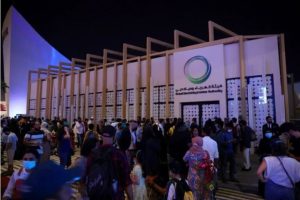
Dewa’s buildings participated in Earth Hour by turning off unnecessary lights from 8.30pm to 9.30pm. This included Dewa’s pavilion at Expo 2020 Dubai, which also organised various activities, including traditional performances by the Emirati Al Harbiya band. Dewa’s conservation mascots, Noor and Hayat, also participated in the Earth Hour Switch-Off Parade at Expo 2020 Dubai. Additionally, Dewa organised Earth Hour competitions through its social media accounts, with valuable gifts for the participants.






Health
Dubai’s strict new medical rules: Why doctors, clinics and influencers face tough social media limits



If you scroll through medical feeds in Dubai, you’ve probably seen your share of ‘miracle’ transformations, ‘magic’ fixes, and glowing influencer reviews. That era is coming to a hard stop.
The Dubai Health Authority (DHA) has rolled out sweeping new social media guidelines targeting every licensed doctor, clinic, and hospital promoting services across platforms like Instagram, TikTok, YouTube, Snapchat, Facebook, LinkedIn, and WhatsApp.
Here is a breakdown of what is changing, what is officially off-limits, and how it impacts anyone creating medical content in the emirate.
1. Hype words are banned


The DHA is tackling exaggerated claims that give patients unrealistic expectations. If you are promoting a procedure, you can no longer describe it with words like:
- Miraculous or magic
- The best, unique, or incomparable
- 100%, certain, or guaranteed success
- Zero side effects or immediate results
- Pioneer, famous, or exclusive
Any promo promising money-back guarantees, taking cheap shots at competitor clinics, or slamming government entities is strictly barred.
2. Influencers face direct accountability


Partnering with influencers won’t create a legal loophole. If an influencer features a clinic, treatment, or outcome, the content must be reviewed and signed off by the facility’s medical director before it goes live.
Even if an influencer shoots a reel on their personal phone inside a clinic or shares it to their private profile, the clinic itself is held legally responsible.
3. Strict rules on professional titles


Doctors and staff can only use the exact job titles printed on their official DHA licenses. Vague or buzzy marketing labels like Beauty Expert, Anti-Ageing Specialist, Cosmetic Specialist, or Cosmetologist are no longer permitted.
Additionally, the title Dr is reserved exclusively for physicians, dentists, and holders of recognised PhD degrees attested by the UAE Ministry of Education.
4. No surgery live-streams and tighter photo rules


The rules also clamp down on patient imagery:
- Operating Rooms: Filming or live-streaming promotional videos during minor or major surgeries, or while a patient is under anaesthesia, is completely banned.
- Before-and-After Shots: Photos must show the same patient, captured with the same camera lens, completely unedited, and paired with a clear disclaimer stating that results vary.
- Consent: Facilities must secure written consent before posting any patient’s image, video, or review (with parental consent mandatory for anyone under 18).
5. Separate accounts for visiting doctors


Doctors who divide their practice between Dubai and overseas can no longer mix their feeds. They are required to run a dedicated, Dubai-specific account that aligns fully with DHA standards, even when sharing content involving treatments done abroad.
6. Medical directors in the hot seat
Medical directors are now tasked with policing internal output. They must approve every social post mentioning the facility, archive content for unannounced DHA audits, designate moderators, and run regular staff training on what is legally acceptable.
The update forms part of the DHA’s wider 2022–2026 strategy to clean up digital medical marketing, respect local cultural values, and make sure patients get realistic, evidence-based healthcare information.



Odisha Targets Export-Led Industrial Growth Through High-Level UAE Investment Outreach

Emirates Unveils Electric Privacy Screens in Premium Economy