Connect with us

Business

From AI robots to drones: Dubai’s Gitex 2025 brings the future to everyone

Published

on

Spread the love

Get ready, Dubai, the future is landing next week.
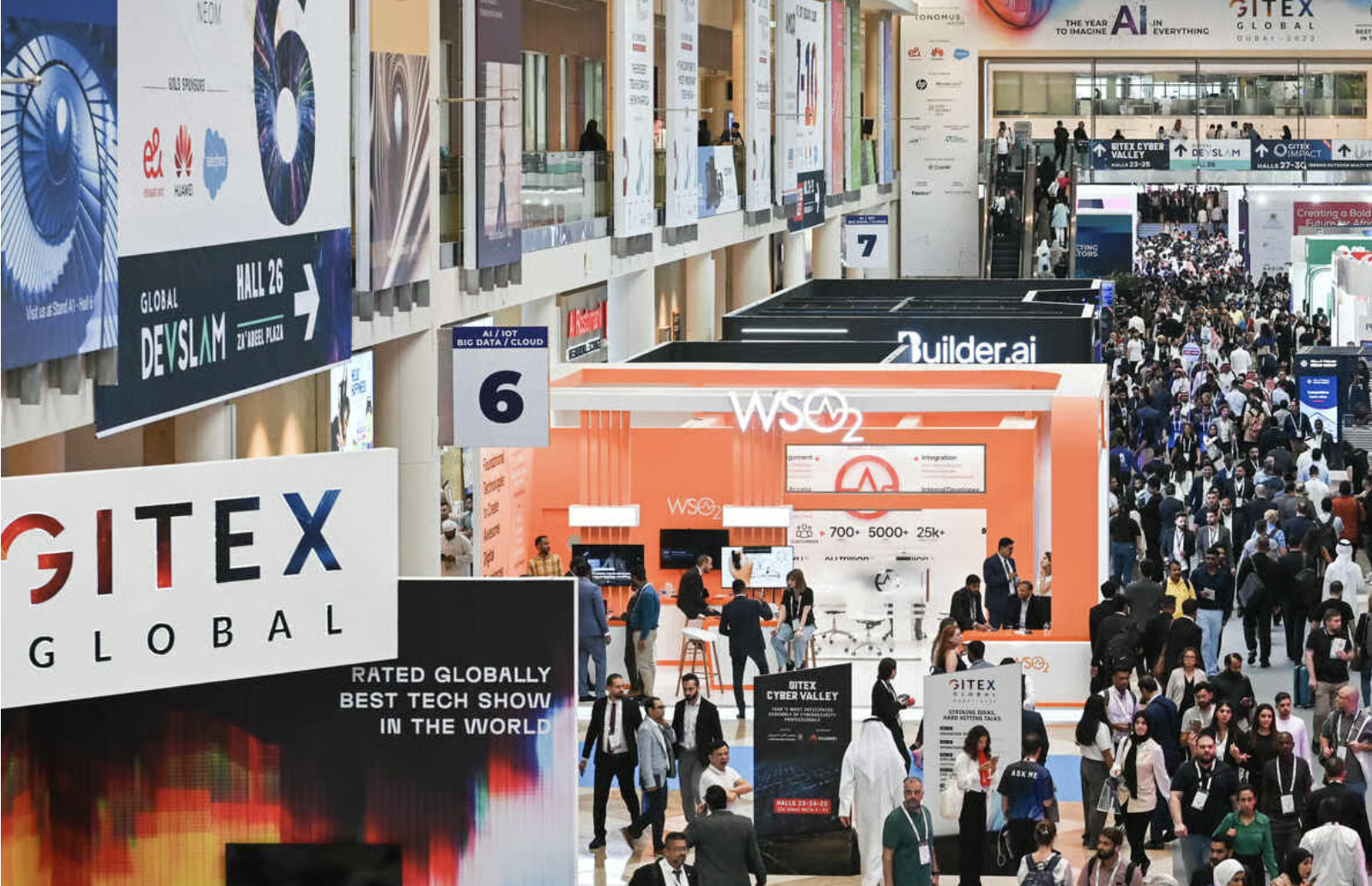
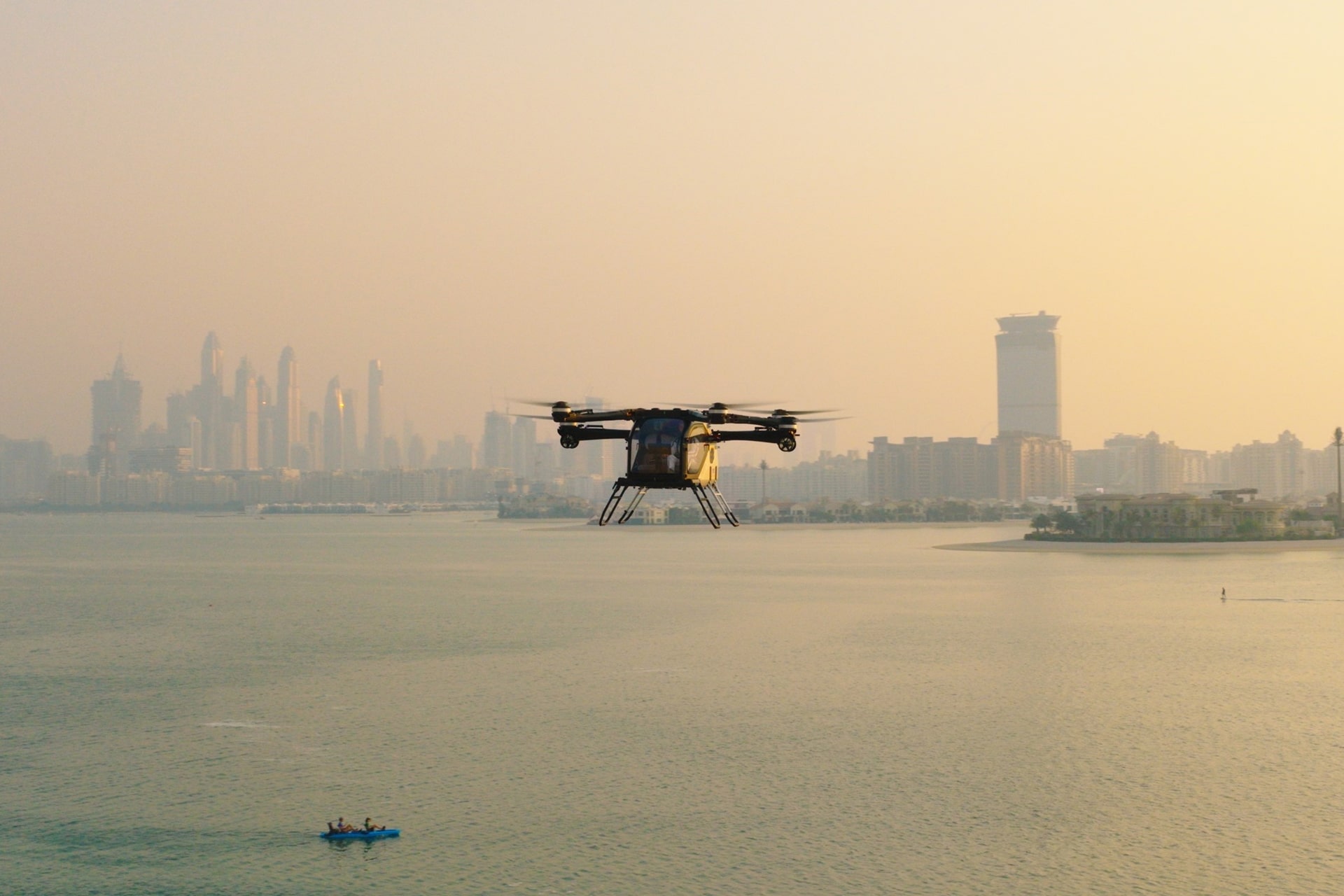
From self-driving shuttles and AI-powered gadgets to talking robots and flying taxis, this year’s Gitex Global promises to feel more like a sci-fi movie than a trade show.

The region’s biggest tech festival returns for its 45th edition from October 13–17, spread across Dubai World Trade Centre and Dubai Harbour.

What started in 1981 as a small exhibition with 46 stalls is now the world’s largest tech and startup show, pulling in:

  • 6,500+ tech companies
  • 1,800 startups
  • 1,200 investors
  • Visitors from 180+ countries

So if you’ve ever wondered what’s next in our digital lives, from the phone in your hand to the car you’ll drive (or won’t need to drive), Gitex is where you’ll see it first.

Why It Matters to You

Gitex isn’t just for tech pros. It’s where ordinary people can peek into the future:

  • Try the latest AI tools that could soon power your office or school.
  • See robot assistants that might deliver packages or even take care of patients.
  • Explore smart city solutions that make life in Dubai smoother and greener.
  • Watch drones and flying taxis that could cut commutes from hours to minutes.

Big Names, Big Reveals

The heavyweights, Microsoft, Google, IBM, Huawei, AWS, Dell, AMD, Alibaba Cloud, will showcase what’s next in AI, cloud tech and infrastructure.

Meanwhile, younger disruptors like Cerebras, Datadog, Tenstorrent and Qualcomm will highlight how the tiny chips inside our devices are getting smarter and faster, crucial for the next wave of AI.

Dubai’s Digital Government on Display

At the Digital Dubai Pavilion, you’ll see how the city is using technology to make daily life easier:

  • Paperless services that save time at government counters
  • Predictive analytics for better traffic and urban planning
  • Blockchain solutions that make transactions more secure
  • AI chatbots that could soon handle most routine queries

Where Startups Shine

Over at Dubai Harbour, Expand North Star, the world’s biggest startup gathering, will connect founders and investors from 100+ countries.

Expect to see healthcare robots, climate tech solutions, space innovations and new fintech apps that might one day be as common as your food-delivery app.

A Festival With a Legacy

For long-time Dubai residents, Gitex is more than an expo.
In the ’80s, it was where many locals first saw personal computers.
In the 2000s, it introduced smartphones to the region.
Now, it’s the place where you can discover how AI, robotics, green tech and quantum computing are shaping the next decade.

Event details

What: Gitex Global 2025
When:
October 13–17
Where: Dubai World Trade Centre & Dubai Harbour

If you’re a student curious about future careers, a startup founder hunting for investors, or just someone who loves to see the latest gadgets before they hit the market, Gitex is your window into the future.


With over 35 years of experience in journalism, copywriting, and PR, Michael Gomes is a seasoned media professional deeply rooted in the UAE’s print and digital landscape.

Business

Dubai rental trends: Where expats can get the most value

Published

on

Spread the love

Dubai continues to attract professionals, families, and digital nomads seeking long-term apartment rentals, thanks to its strong economy, modern lifestyle, and world-class infrastructure.

However, for newcomers, finding the right apartment that fits both budget and lifestyle can feel overwhelming.

Here are some of the top areas in Dubai for long-term rentals, based on tenant preferences, amenities, and rental trends:

Think luxury

  • Dubai Marina
    Still one of the most in-demand expat hubs, prices vary a lot by tower, view, and furnishing.
    Typical rents:
    Studio: Dh55,000 – 110,000
    1BR: Dh75,000 – 135,000
    2BR: Dh110,000 – 200,000
    3BR: Dh200,000 – 350,000

  • Market note:
    Median rent sits around Dh130,000 across unit types
    Waterfront views and newer towers push prices to the top end.

    Palm Jumeirah (Palm Islands)
    This is a completely different tier—think luxury, beachfront, and limited supply.
    Typical annual rents:
    1BR (apartments): Dh 140,000 – 200,000
    2BR: Dh 250,000 – 350,000
    3BR apartments: Dh 500,000 – 700,000

Best for families with quality living

  • Dubai Hills Estate:
    Green, peaceful, and family-focused. Popular for expat families, with top schools and long-term tenant stability.

Typical rents:

  • 1BR: Dh80,000–120,000
  • 2BR: Dh130,000–190,000
  • Jumeirah Village Circle (JVC):
    Affordable, community-driven living with parks and strong rental yields. Ideal for families seeking quiet suburban life.

Typical rents:

  • Studio: Dh45,000–65,000
  • 1BR: Dh65,000–95,000

Best for professionals and city life

  • Business Bay:
    A central business hub with high demand, perfect for young professionals and entrepreneurs.

Typical rents:

  • Studio: Dh60,000–85,000
  • 1BR: Dh85,000–130,000
  • Downtown Dubai:
    Premium urban lifestyle near offices, dining, and entertainment.
  • 1BR: Dh110,000–180,000
  • 2BR: Dh180,000–280,000
  • Dubai Marina:
    Vibrant waterfront living with high-rise apartments and strong rental appeal.
  • Studio: Dh70,000–95,000
  • 1BR: Dh95,000–140,000

Best for affordable rentals and value

A practical choice for professionals working in tech or nearby zones. Known for quieter living and relatively lower rents.

International City
Remains one of Dubai’s most budget-friendly areas, popular for first-time expats or singles.
Typical rents:

  • Studio: Dh30,000–45,000
  • 1BR: Dh45,000–65,000

Al Barsha
Well-connected (especially via metro) and still offers decent value compared to newer developments.
Typical rents:

  • 1BR: Dh70,000–100,000
  • 2BR: Dh100,000–150,000

Discovery Gardens 

This is firmly in the ‘affordable but spacious’ category. This neighbourhood is popular with expats who want bigger apartments without Marina-level prices.

 Typical annual rents:

  • Studio: Dh 30,000 – 55,000
  • 1BR: Dh45,000 – 72,000
  • 2BR: Dh65,000 – 110,000
  • 3BR: Dh90,000 – 120,000

 Market reality:

  • Average rents sit around Dh 54,000 – 68,000/year, depending on unit type
  • Studios start at Dh 47,000, while 2BR units can go up to Dh 110,000
  • Still one of the best ‘space-for-money’ areas in Dubai, with larger layouts than newer buildings

How it compares 

  • Discovery Gardens: Budget-friendly + bigger units + metro access
  • Cheaper than JVC and much cheaper than Dubai Marina
  • Trade-off: Older buildings + less ‘premium’ feel

For expats prioritising affordability, older central neighbourhoods such as Al Karama, Bur Dubai, and Deira continue to offer relatively lower rents compared to newer communities.

On the fringe

Further savings can be found in areas like Al Qusais, Muhaisnah, and outer residential zones, where rents are more accessible, but often at the cost of longer commute times and fewer modern amenities.

Typical budget range (older areas):

  • Studio: Dh28,000–50,000
  • 1BR: Dh45,000–75,000

Why Dubai is still ideal for long-term rentals

  • Flexible payment options (1–4 cheques or annual upfront)
  • High-quality amenities (gyms, pools, parking in most buildings)
  • Strong, expat-driven rental market
  • Wide mix of luxury, mid-range, and budget communities

How to choose if you’re new to the city

With rising rents, the decision often comes down to trade-offs:

  • Want energy and convenience? – Business Bay, Downtown, Marina
  • Want space and community living? – Dubai Hills, JVC
  • Want affordability? – Silicon Oasis, International City, Deira

In 2026, several residents are compromising on location to gain space or save 15–25% on rent, especially with hybrid work becoming common.

Continue Reading

Business

Find cheapest groceries in UAE with new price comparison tool

Published

on

Spread the love

In a move set to make everyday shopping easier, the UAE Ministry of Economy and Tourism has introduced a new digital tool that lets residents compare prices of essential goods across major retailers.

Called the Essential Goods Prices Platform, the initiative is designed to boost transparency and help shoppers find the best deals on daily essentials.

What you can check

The platform covers more than 30 essential items in its first phase, including:

  • Cooking oils, rice, sugar, and bread
  • Eggs, dairy products, meat, poultry, and fish
  • Fresh fruits and vegetables

It gives users a clear snapshot of price ranges across supermarkets, making it easier to spot where your money goes further.

How it works

  • Prices are updated daily from major retailers
  • Users can compare minimum and maximum prices
  • Track differences between stores and locations
  • Build a custom shopping basket to find the cheapest option

It’s essentially like having a real-time price comparison tool before you even step into a store.

With the cost of living always a concern, this platform puts more control directly in the hands of consumers.

It helps:

  • Save money on weekly groceries
  • Promote fair competition among retailers
  • Prevent unjustified price increases

By making pricing more transparent, the UAE is aiming to protect consumer spending while keeping the retail market balanced.

This launch builds on ongoing efforts by the UAE Ministry of Economy and Tourism to monitor essential goods and ensure price stability.

Now, instead of that data staying behind the scenes, it’s being shared openly, giving residents the power to make smarter, more informed shopping decisions.


Continue Reading

Business

Dubai launches ‘Work from Park’ at Al Barsha, a new way to work in nature

Published

on

Spread the love

In a city known for constantly reimagining urban life, Dubai Municipality has introduced a concept that could change how people think about both work and leisure.

Called the ‘Work from Park’ initiative, the idea is simple but powerful: turn public parks into flexible workspaces where productivity meets nature.

The first location is set to open in May 2026 at Al Barsha Pond Park, a popular green escape that will soon double as an open-air office for freelancers, entrepreneurs, and remote workers.

From green spaces to productive places

Instead of traditional office setups, the initiative brings thoughtfully designed modular workspaces into parks. These will include hot desks, meeting areas, and even creative studios, allowing people to work, collaborate, and create while surrounded by greenery.

The project is being developed in partnership with Group AMANA, which will build sustainable, modular units, and Letswork, which will operate and manage bookings through its platform.

Users can expect access to a variety of work environments, including podcast studios and content-creation spaces, making it especially appealing to creators and small businesses.

A vision aligned with Dubai’s future

The Work from Park initiative supports long-term strategies like the Dubai Urban Plan 2040 and the Dubai 2040 Parks and Greenery Strategy, which aim to enhance quality of life by making cities greener, healthier, and more adaptable to modern lifestyles.

Beyond desks and Wi-Fi, the initiative will also host educational sessions, collaborative workshops, and networking events. The goal is to build a vibrant community where ideas grow as naturally as the surrounding greenery.

With more locations planned across Dubai, public parks are set to evolve into multifunctional hubs that blend work, wellness, and social life.

Continue Reading

Popular

Exit mobile version
https://headline.ae/