Connect with us

News

How Sharjah is using AI to prevent fires and disasters in buildings

Published

on

Spread the love

Sharjah is stepping up its fire safety game by turning to Artificial Intelligence (AI) and smart technologies to prevent accidents before they happen. The emirate is currently exploring how advanced systems can be integrated into buildings to minimise fire risks and improve emergency response times, a major step toward creating safer urban environments.

The initiative is being led by the American University of Sharjah (AUS), where researchers from the College of Engineering are working with both local and international experts. Government agencies, including the Sharjah Civil Defence Authority, are also playing a key role in supporting this research.

According to officials, the goal is not just to improve safety but to completely rethink how buildings are monitored and managed when it comes to fire hazards. AI systems could be used to detect potential risks, such as overheating equipment, electrical faults, or structural weaknesses, and then alert authorities before a situation becomes critical.

To further support this mission, the AUS College of Engineering has launched a two-day fire safety symposium in collaboration with the civil defence authority. The event, which brings together academics, engineers, safety experts, and government representatives, focuses on the latest advancements in AI-driven safety solutions and how they can be applied in real-world scenarios.

“Technology has the power to save lives, and we are committed to using it to build a safer Sharjah,” said a representative from the Sharjah Civil Defence Authority during the opening session. “By investing in research and innovation, we can stay ahead of potential dangers and ensure rapid response when needed.”

Discussions at the symposium also include topics like smart fire alarm systems, predictive analytics, and real-time monitoring tools that could one day become standard in all new buildings across the UAE.

The findings from AUS’s research will be used to develop new fire prevention strategies and upgrade existing safety protocols in buildings throughout the emirate. Officials say that this proactive approach is part of Sharjah’s broader commitment to smart city development and public safety.

Fire Incident Statistics and Trends

Recent data underscores the importance of such initiatives: 

  • In 2023, the UAE recorded over 500 fire incidents, resulting in significant economic losses. 
  • Specifically, Fujairah experienced a 53% increase in residential fires in 2023 compared to the previous year, with nine fatalities and 90 injuries reported across 684 fire-related incidents. 
  • Conversely, Sharjah reported a 20% decrease in fire incidents, attributed to enhanced fire safety measures and awareness campaigns. 

Economic Impact and Market Growth

The economic implications of fire incidents have spurred growth in the fire protection sector: 

  • The UAE fire protection system market was valued at approximately $1.81 billion in 2023 and is projected to surpass $4.11 billion by 2033, reflecting a compound annual growth rate (CAGR) of 8.53%. 
  • In 2024, NAFFCO FZCO, a leading fire protection company, reported a 20% increase in sales, indicating heightened demand for fire safety equipment. 

Integrating AI for Enhanced Fire Safety

The integration of AI into fire safety systems is expected to provide several benefits:

  • Early Detection: AI algorithms can analyse data from sensors to identify potential fire hazards before they escalate. 
  • Predictive Maintenance: AI can forecast equipment failures, allowing for proactive maintenance of fire safety systems. 
  • Efficient Emergency Response: AI can optimise evacuation routes and resource allocation during emergencies. 

With over 35 years of experience in journalism, copywriting, and PR, Michael Gomes is a seasoned media professional deeply rooted in the UAE’s print and digital landscape.

Education

Some UAE schools enforce tough rules on qaza haircuts, hoodies and energy drinks

Published

on

Spread the love

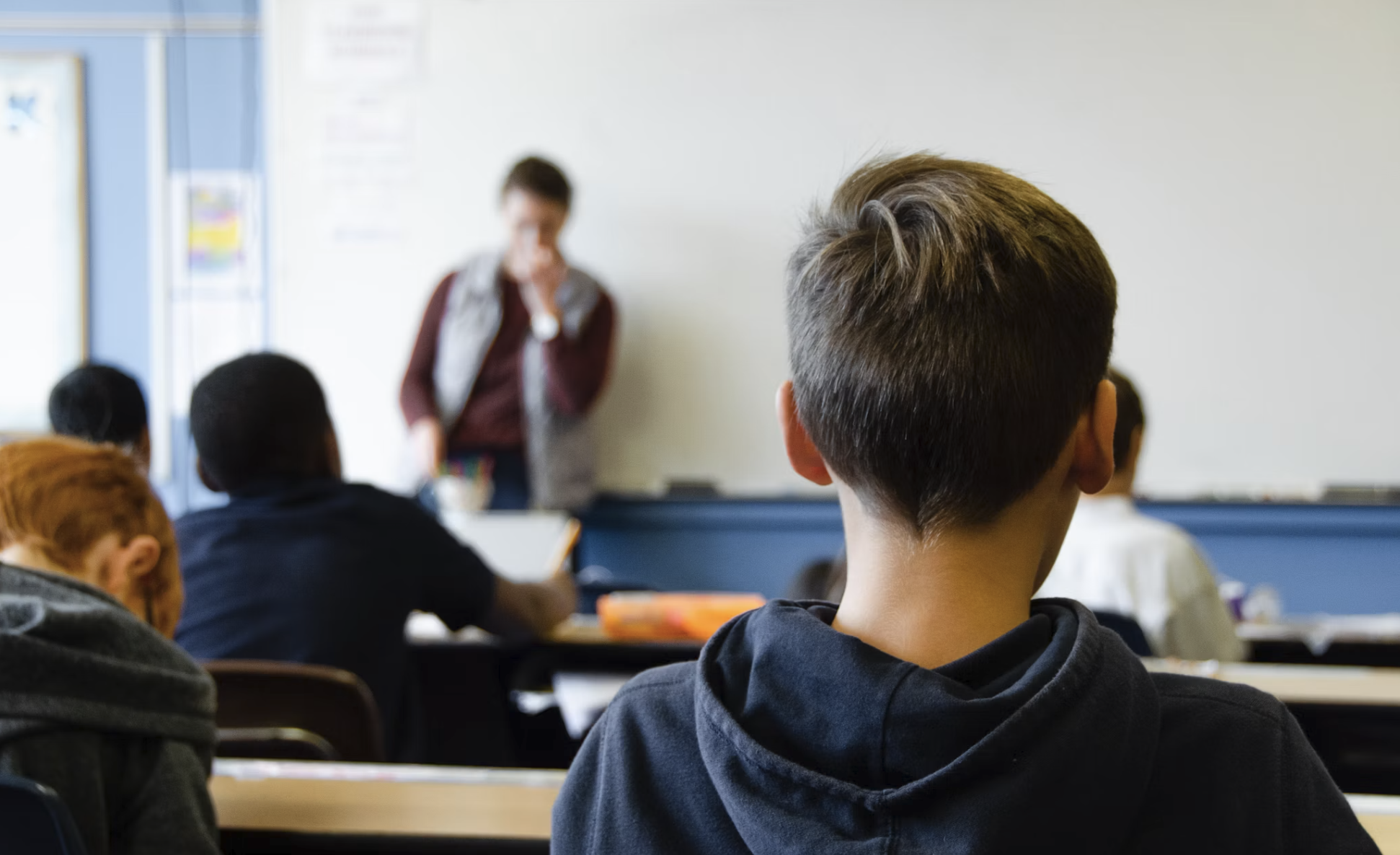
Students face tighter appearance and food rules as schools warn that banned items could be confiscated, recorded and punished under conduct policies, according to local media reports.

The new school year has barely got into its second week,  but some UAE students are already discovering that the rules are getting serious.

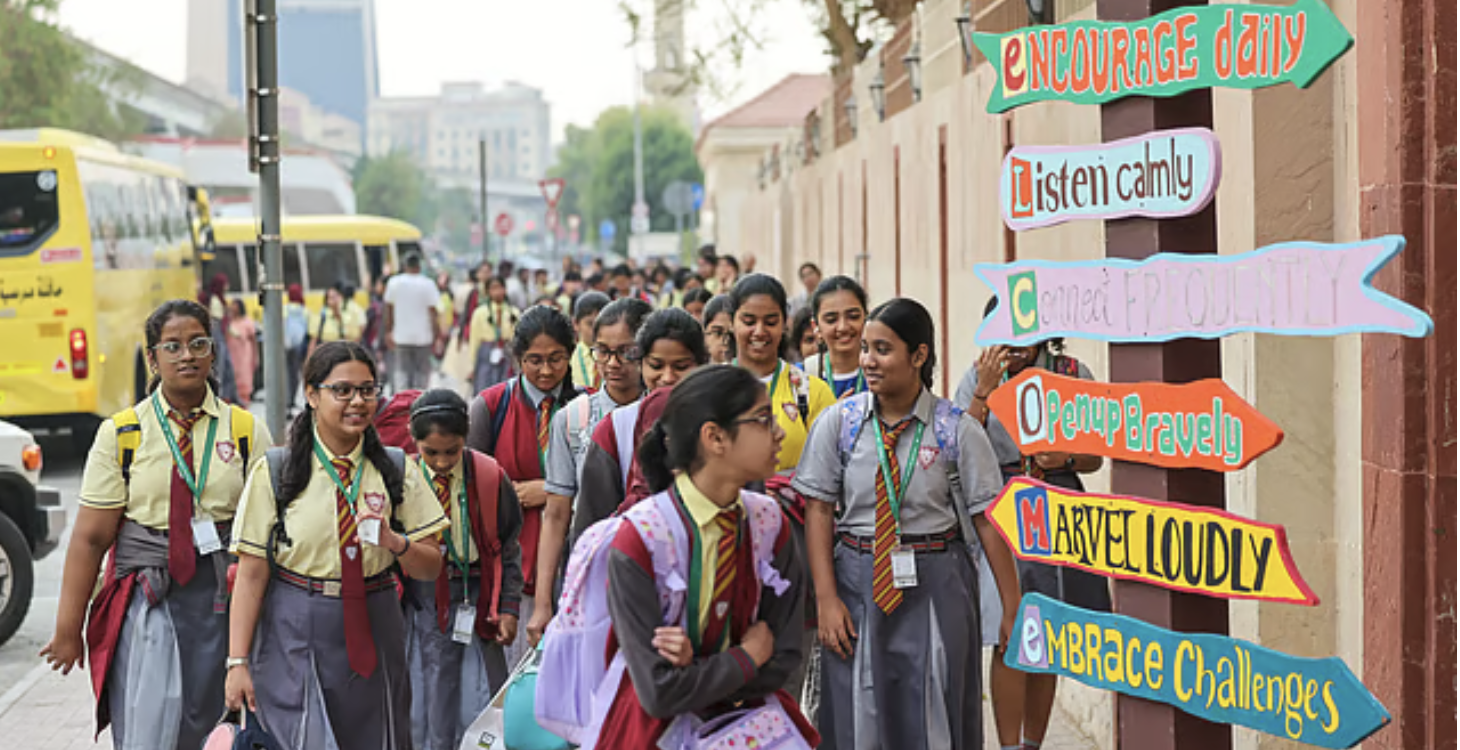
The UAE Ministry of Education’s 2026–27 public-school uniform guide requires approved uniforms and says hair should be styled appropriately according to local customs and remain its natural colour

Several public and private schools have now stepped up checks on student appearance, behaviour and food, introducing tougher controls covering everything from hairstyles and hoodies to what youngsters can bring in their lunch bags.

Among the biggest no-go items are qaza-style haircuts, long hair for male students, hoodies worn inside school premises, energy drinks, fizzy drinks, tea, coffee and chips.

And schools are warning that ignoring the rules could have consequences.

Haircuts under the microscope

Students sporting a qaza haircut, in which part of the head is shaved while another section is deliberately left long, have been put on notice.

Long hairstyles for male students are also among the appearance rules being enforced.

Schools say the measures are designed to promote a consistent appearance and discourage behaviour they believe conflicts with educational and social values.

The message to students is clear: what might pass as a trendy look outside the school gates may not make the cut once they walk into school.

Hoodies? Not inside school

The crackdown doesn’t stop at hair.

Schools have also prohibited students from wearing hoodies inside school premises, with the appearance requirements applying from the moment students enter through the gates.

Parents and students have been informed through circulars and official communications outlining the restrictions.

Your lunchbox could also land you in trouble

It isn’t just what’s on students’ heads that’s being scrutinised.

Schools are also tightening controls over what youngsters bring through the gates.

Tea, coffee, soft drinks, energy drinks and chips of all types have been listed among the prohibited food and beverages.

And there’s an important detail: students don’t necessarily escape a violation simply because they haven’t consumed the item.

Schools have warned that having a prohibited food or drink in a student’s possession can itself trigger action.

The item may be confiscated, the incident officially recorded and the school’s conduct code applied, potentially including deductions to the student’s conduct grade.

Students are instead being encouraged to rely on the nutrition and food options supplied by the school’s approved canteen service.

Schools say it’s about more than looks

School administrations say the tighter rules are not simply about policing fashion or deciding what ends up in a lunch bag.

They argue that appearance, conduct and nutrition are part of creating a structured educational environment and reinforcing respect for teachers, classmates and the wider school community.

The schools have also connected the measures to the qualities they want to develop in Emirati students, including national pride, responsibility, discipline, respect, academic ambition and a commitment to excellence and creativity.

In their view, a smart and appropriate appearance is not merely about looking the part. It is intended to reflect a student’s attitude towards themselves, their teachers and fellow students.

The new school-year message

With the academic year now gathering pace, students and parents are being urged to pay close attention to individual school circulars and requirements.

For pupils, that could mean checking the hairstyle before leaving home, leaving the hoodie behind and thinking twice before slipping a can of fizzy drink or a packet of chips into the school bag.

Because this year, UAE schools appear to be taking the message very seriously: school rules start at the gate, and they don’t end with the uniform.

Continue Reading

Education

Dubai school holiday dates changed: Parents need to know about new October half-term

Published

on

Spread the love

Dubai parents may need to rethink their October plans after some schools brought forward their half-term holiday by one week.

Several private schools in the emirate have revised their academic calendars, moving the October break from October 19–23 to October 12–16.

The change affects schools including Dubai British School, Safa British School and Arab Unity School, according to reports.

For families at these schools, the earlier holiday means children will finish classes on Friday, October 9 and return on Monday, October 19.

With the weekends included, students will effectively have nine consecutive days away from school, from October 10 to October 18.

Why has the October break changed?

Parents at affected schools were notified of the revised dates through school communications.

The updated calendars are intended to bring school holidays in line with the academic calendar set by Dubai’s Knowledge and Human Development Authority (KHDA) and the Ministry of Education (MoE).

The adjustment means families who had been planning trips around the originally published October 19–23 break should check their school’s latest calendar before finalising arrangements.

Is every Dubai school changing its dates?

No, and this is important. The revised dates do not automatically apply to every private school in Dubai.

Holiday schedules can differ depending on the curriculum a school follows and the regulations under which it operates. Schools following curricula other than the British curriculum may have different term and holiday dates.

Parents should therefore rely on the latest information issued directly by their child’s school rather than assuming that all schools will follow the same October schedule.

Could Dubai students get another mid-term break?

There is another possibility parents should be aware of.

The current academic calendar does not include a February half-term for schools that follow this schedule. Some private schools may choose to divide their mid-term holiday and introduce a break in February instead.

However, schools cannot simply add extra days off. Any change would require the necessary approvals, and the total break must remain within the permitted five school days.

What are the revised dates?

For schools that have adopted the earlier October break:

Last day before holiday: Friday, October 9
Half-term: October 12–16
Weekend: October 17–18
Students return: Monday, October 19

That gives students a break of nine days when the two weekends are included.

What parents need to know?

Before booking flights or making October holiday plans, parents should check their school’s latest academic calendar or parent circular.

Continue Reading

Health

Dubai’s strict new medical rules: Why doctors, clinics and influencers face tough social media limits


Published

on

Spread the love

If you scroll through medical feeds in Dubai, you’ve probably seen your share of ‘miracle’ transformations, ‘magic’  fixes, and glowing influencer reviews. That era is coming to a hard stop.

The Dubai Health Authority (DHA) has rolled out sweeping new social media guidelines targeting every licensed doctor, clinic, and hospital promoting services across platforms like Instagram, TikTok, YouTube, Snapchat, Facebook, LinkedIn, and WhatsApp.

Here is a breakdown of what is changing, what is officially off-limits, and how it impacts anyone creating medical content in the emirate.

1. Hype words are banned

The DHA is tackling exaggerated claims that give patients unrealistic expectations. If you are promoting a procedure, you can no longer describe it with words like:

  • Miraculous or magic
  • The best, unique, or incomparable
  • 100%, certain, or guaranteed success
  • Zero side effects or immediate results
  • Pioneer, famous, or exclusive

Any promo promising money-back guarantees, taking cheap shots at competitor clinics, or slamming government entities is strictly barred.

2. Influencers face direct accountability

Partnering with influencers won’t create a legal loophole. If an influencer features a clinic, treatment, or outcome, the content must be reviewed and signed off by the facility’s medical director before it goes live.

Even if an influencer shoots a reel on their personal phone inside a clinic or shares it to their private profile, the clinic itself is held legally responsible.

3. Strict rules on professional titles

Doctors and staff can only use the exact job titles printed on their official DHA licenses. Vague or buzzy marketing labels like Beauty Expert, Anti-Ageing Specialist, Cosmetic Specialist, or Cosmetologist are no longer permitted.

Additionally, the title Dr is reserved exclusively for physicians, dentists, and holders of recognised PhD degrees attested by the UAE Ministry of Education.

4. No surgery live-streams and tighter photo rules

The rules also clamp down on patient imagery:

  • Operating Rooms: Filming or live-streaming promotional videos during minor or major surgeries, or while a patient is under anaesthesia, is completely banned.
  • Before-and-After Shots: Photos must show the same patient, captured with the same camera lens, completely unedited, and paired with a clear disclaimer stating that results vary.
  • Consent: Facilities must secure written consent before posting any patient’s image, video, or review (with parental consent mandatory for anyone under 18).

5. Separate accounts for visiting doctors

Doctors who divide their practice between Dubai and overseas can no longer mix their feeds. They are required to run a dedicated, Dubai-specific account that aligns fully with DHA standards, even when sharing content involving treatments done abroad.

6. Medical directors in the hot seat

Medical directors are now tasked with policing internal output. They must approve every social post mentioning the facility, archive content for unannounced DHA audits, designate moderators, and run regular staff training on what is legally acceptable.

The update forms part of the DHA’s wider 2022–2026 strategy to clean up digital medical marketing, respect local cultural values, and make sure patients get realistic, evidence-based healthcare information.

Continue Reading

Popular

Exit mobile version
https://headline.ae/