Connect with us

Crime

Job scam alert: Dubai financial authority warns public of fake recruitment racket 

Published

on

Spread the love

The Dubai Financial Services Authority (DFSA) has issued a warning to the public and the financial services community over a recruitment scam falsely using the name of the Dubai International Financial Centre Authority (DIFCA).

According to the DFSA, scammers have been impersonating DIFCA employees on professional networking platforms, claiming to offer internships. Victims were contacted online, interviewed virtually, and later sent fake job offers and forged employment contracts.

In one reported case, the scammers went as far as providing a fake tenancy contract for accommodation in Dubai and requested payments of Dh6,365 for the apartment deposit and Dh903 for visa and administrative fees. The victim, believing the offer was legitimate, made the payments.

The fraudsters made their communication appear official by:

  • Using a fake email address: difca.recruitment.difc@collector.org, masked to appear as difca.recruitment@difc.ae;
  • Falsely displaying the DIFCA name and branding, including the unauthorised use of logos and stamps.

The DFSA has confirmed that these communications were fraudulent and not issued by the DIFCA. It stressed that DIFCA does not request payment for accommodation or visa fees as part of its recruitment process.

“These emails and job offers are fake. Do not respond to such messages or send any money,” the DFSA advised in its official alert.

The authority urged anyone who receives suspicious communications claiming to be from the DIFCA or the DIFC to verify the legitimacy via official DFSA channels.

Consumers are also encouraged to consult the DFSA’s:

  • Alerts page for scam warnings
  • Guidance on how to avoid being scammed
  • Public Register to check if a firm or individual is authorised

If you suspect a scam or receive suspicious documents claiming to be from the DIFCA, DIFC, or any DFSA-regulated entity, you are advised to contact the DFSA immediately.

(Source: www.dfsa.ae)

With over 35 years of experience in journalism, copywriting, and PR, Michael Gomes is a seasoned media professional deeply rooted in the UAE’s print and digital landscape.

Crime

Abu Dhabi Police warn of online rental scams targeting winter travellers

Published

on

Spread the love

As the UAE enters the winter season, scammers are reportedly taking advantage of growing demand for outdoor activities, holiday stays and adventure experiences by promoting fake rental deals on social media.

In a warning shared on X, Abu Dhabi Police said fraudsters are using attractive offers, discounted prices and misleading website links to trick people into handing over their money and sensitive banking information.

Fake motorcycle and holiday home offers

According to the police, scammers are advertising tempting deals on motorcycle rentals and holiday accommodation, including farms, villas, campsites and other vacation properties.

These advertisements often contain links designed to look like official booking websites. However, victims who click on the links may be directed to fraudulent platforms.

In many cases, scammers ask customers to transfer money in advance to secure their bookings before the intended rental date.

Abu Dhabi Police warned that these offers could result in financial losses and the theft of personal or banking information.

Safety advice for residents

To avoid falling victim to online rental scams, Abu Dhabi Police have urged the public to follow several precautions:

  • Book motorbikes and holiday accommodation only through licensed businesses.
  • Verify the authenticity of websites and booking links before making payments.
  • Be cautious of unusually cheap rental offers and attractive online promotions.
  • Avoid transferring money to unverified personal or business accounts.
  • Never share sensitive banking information through suspicious links.

The authority stressed the importance of checking the credibility of online advertisements and booking platforms before making any financial transactions.

How to report online scams

Abu Dhabi Police have also encouraged residents to report suspicious advertisements, fraudulent links and suspected online scams through the Aman service.

Members of the public can contact the service through:

Aman Service: 800 2626
SMS: 2828

The warning comes as winter brings increased interest in outdoor activities, holiday rentals and adventure experiences across the UAE.

Residents and visitors are advised to remain vigilant when booking seasonal activities online and to verify service providers before making advance payments.

Continue Reading

Business

Bank fraud in UAE: New measures in place to protect residents from money scams

Published

on

Spread the love

From convincing phone calls by fake bank officials to bogus shopping websites designed to steal credit card details, financial scams are growing increasingly sophisticated across the UAE.

In response, federal authorities, the Central Bank, and police forces are rolling out a multi-layered defence strategy designed to intercept fraud before it reaches consumers.

The approach focuses on three core pillars: making scams harder to execute, speeding up real-time detection, and providing direct avenues for victims to report crimes and recover losses.

Central Bank mandates

The Central Bank of the UAE (CBUAE) has significantly increased compliance requirements for all licensed financial institutions, shifting the burden of fraud detection directly onto banks.

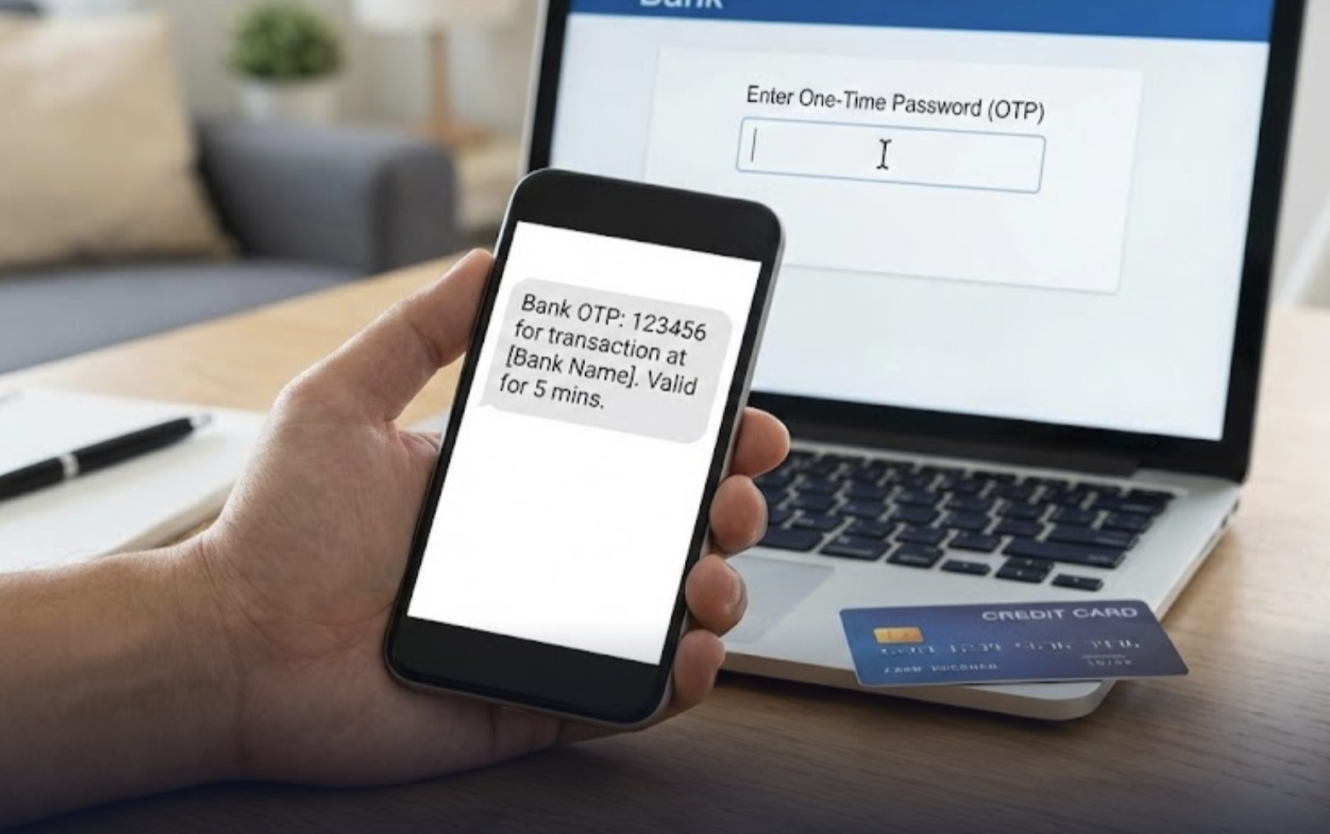
  • Phasing Out SMS OTPs: The CBUAE is pushing institutions away from single-factor, SMS-based one-time passwords, favouring biometric verification and dynamic app-based authentications to combat SIM-swap and phishing attacks.
  • Anti-Fraud Hub: The regulator established the Central Bank Anti-Fraud Operations Centre (CAFOC) to enable real-time threat monitoring, rapid incident response, and instant data sharing across UAE financial entities.
  • Strict monitoring: Banks are legally required to maintain continuous monitoring systems to flag suspicious transactions, combat social engineering, and immediately report unauthorised activities.

Safety for online shoppers

With cybercriminals increasingly targeting online shoppers, the UAE’s consumer protection framework now treats digital storefronts with the same legal scrutiny as physical retail.

  • E-Commerce Regulations: Federal Decree-Law No. 14 of 2023 sets clear technical standards, legal liabilities, and data protection rules for digital trading platforms operating in the country.
  • Tougher Anti-Counterfeit Penalties: Federal Decree-Law No. 42 of 2023 on Combating Commercial Fraud equips authorities to crack down on fraudulent sellers, corrupt goods, and misleading online commercial practices.
  • Statutory Rights: Federal Law No. 15 of 2020 guarantees data privacy, fair dispute settlement, and monetary compensation for consumers facing fraudulent domestic transactions.

Where residents can report scams 

Authorities urge residents never to absorb financial losses quietly. Several official channels provide dispute resolution and criminal reporting:

  • Ministry of Economy and Tourism: Handles formal consumer disputes, misleading sales complaints, and requests for product recalls, facilitating amicable settlements or judicial referrals.
  • Dubai Police e-Crime Platform: Provides a dedicated portal for reporting cybercrime, identity theft, and electronic banking fraud.
  • Local Consumer Protection Departments: Each emirate maintains direct channels to investigate deceptive trade practices and unauthorised merchant activity.

Scam warning: Dubai Police recently warned against fraudulent Consumer Protection websites that lure users into downloading remote-access apps, allowing criminals to hijack devices and drain linked bank accounts.

Do’s and Don’ts to keep your accounts safe

While state-level defences continue to tighten, personal vigilance remains essential:

  1. Don’t share details: No bank or government entity will ever ask for your password, PIN, or multi-factor authentication code via phone, email, or WhatsApp.
  2. Don’t give remote access: Never download third-party software (such as AnyDesk or TeamViewer) at the request of an unsolicited caller.
  3. Do URL check: Check domain spellings carefully and ensure e-commerce platforms use verified, secure payment gateways before entering card numbers.
  4. Don’t wait, act immediately: If you suspect compromised details or notice an unauthorised charge, freeze your card via your banking app and notify your bank’s fraud unit without delay.


Continue Reading

Crime

Thinking of buying cheap car insurance on social media? Here’s what Dubai Police advise

Published

on

Spread the love

Drivers in the UAE are being warned about a growing online scam involving fake car insurance offers advertised through social media.

Dubai Police has urged motorists to be particularly cautious of insurance deals promoted at unusually low prices, warning that such offers could be designed to trick people into handing over money or sensitive personal information.

Fraudsters may use social media advertisements and fake accounts to make their offers appear genuine, creating the impression that drivers are dealing with a legitimate insurer or authorised insurance broker.

How the fake insurance scam works

The scam typically starts with an attractive insurance offer that appears significantly cheaper than normal market rates.

Drivers looking for a cheaper policy may be directed to communicate with the advertiser or make a payment before receiving legitimate documentation.

In some cases, scammers may also attempt to obtain sensitive information such as identification documents, vehicle registration details or banking information.

Dubai Police is urging motorists not to let a low price override basic checks.

Warning signs drivers should look out for

Several red flags indicate an insurance offer is fraudulent.

Extremely cheap premiums

A price that is dramatically below what other insurers are offering should immediately raise suspicion.

Scammers often use unusually low prices to create a sense of urgency and persuade potential victims to act before checking the provider.

Fake social media accounts

Fraudsters can use social media profiles, advertisements and sponsored posts to impersonate established insurance companies or authorised brokers.

A professional-looking profile or advertisement does not necessarily mean the seller is legitimate.

Requests for immediate payment

Drivers should be wary if an advertiser asks them to transfer money quickly or provide financial information before the policy and company have been independently verified.

How to check if a car insurance offer is genuine

Dubai Police recommends taking precautions before making any payment or sharing personal information.

Verify the insurance provider.

Deal only with officially licensed insurance companies or authorised brokers operating in the UAE.

Check the offer independently.

Instead of relying on links or contact details supplied through a social media advertisement, contact the insurance company through its official website or verified customer-service channels.

Protect your personal and financial information.

Do not provide identification documents, vehicle registration details, bank card information or other sensitive data until the provider has been confirmed as legitimate.

Don’t let a cheap deal become an expensive mistake

A heavily discounted insurance offer may look tempting, particularly when motorists are trying to reduce their annual vehicle expenses.

But if an offer appears too good to be true, drivers should pause and verify it before paying.

A few minutes spent checking an insurer’s credentials could help prevent financial loss and the misuse of personal information.

Dubai Police’s latest warning forms part of wider efforts to raise awareness of online fraud and encourage residents to be more cautious when dealing with unsolicited offers on social media.

Continue Reading

Popular

Exit mobile version
https://headline.ae/