Business
Looking for a long-term rental in Dubai? Here’s where to start
Published
2 months agoon

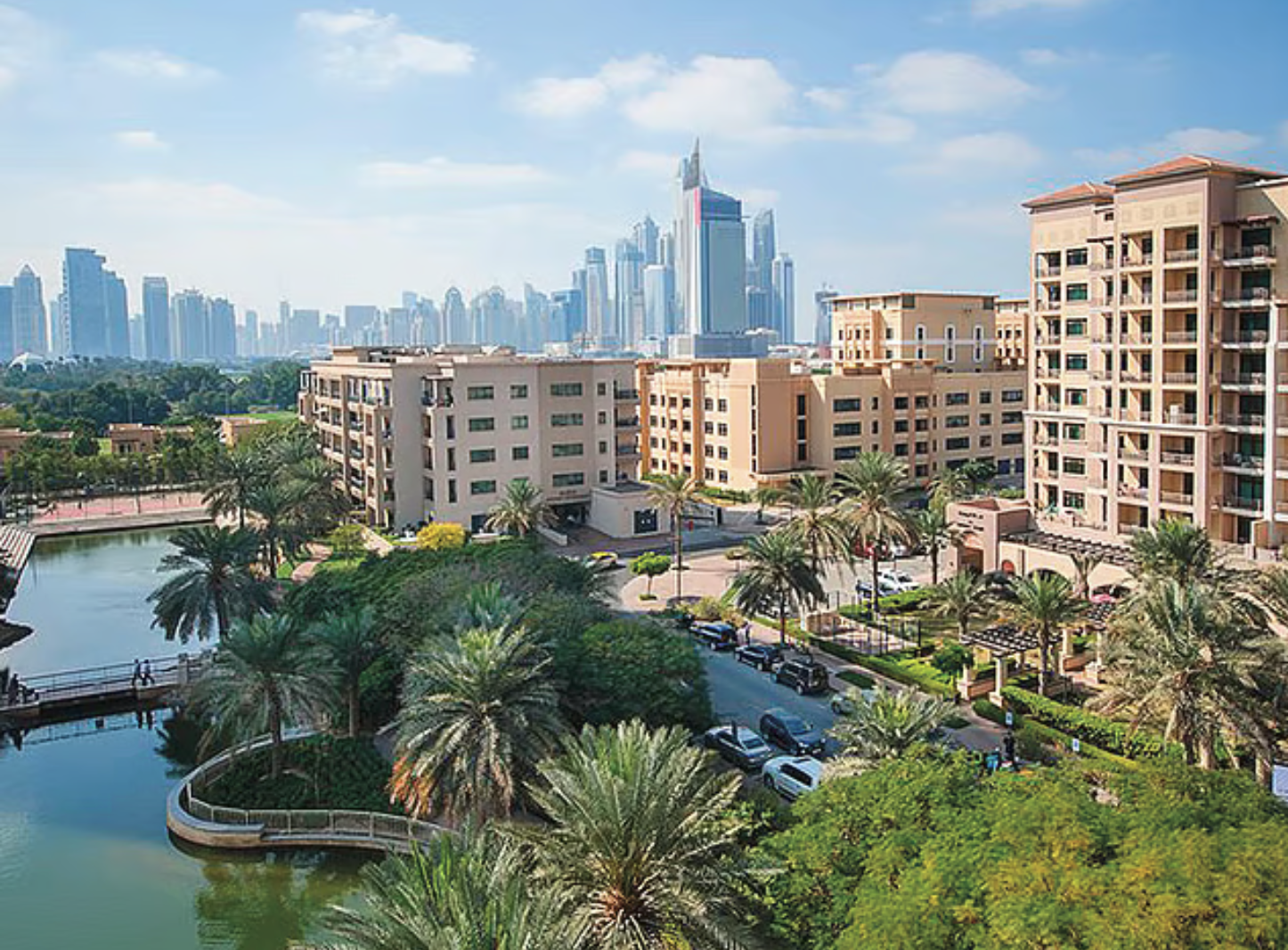
Dubai offers a wide range of residential communities, whether you’re looking for a family-friendly neighbourhood, a vibrant city lifestyle or an affordable apartment with good transport links.
From waterfront towers to suburban communities with parks and schools, here’s a guide to some of the most preferred places to rent an apartment in Dubai for the long term.
Dubai Hills Estate: Family-friendly environment
Dubai Hills Estate has become one of the city’s most sought-after residential communities thanks to its green spaces, modern infrastructure and family-friendly environment.
Why renters choose Dubai Hills Estate
- Spacious apartments and villas.
- Parks, walking trails and playgrounds.
- Reputable international schools nearby.
- Dubai Hills Mall and healthcare facilities.
- Peaceful surroundings with easy access to major roads.
It’s particularly popular with expat families looking for long-term stability and a high quality of life.
Business Bay: Best for professionals
Business Bay remains one of Dubai’s top rental hotspots for professionals working in the city’s commercial districts.
Why live in Business Bay?
- Minutes from Downtown Dubai.
- Excellent access to Sheikh Zayed Road and Dubai Metro.
- Modern high-rise apartments.
- Restaurants, cafés and nightlife.
- Popular with young professionals, entrepreneurs and digital nomads.
Its central location makes commuting convenient while offering an energetic urban lifestyle.
Downtown Dubai: If you want city living
If you want to live in the heart of Dubai, Downtown Dubai offers premium apartments surrounded by iconic attractions.
Highlights include:
- Walking distance to Dubai Mall and Burj Khalifa.
- Luxury residential towers.
- Excellent dining and entertainment.
- Strong public transport connectivity.
- Vibrant lifestyle throughout the year.
Downtown is ideal for residents who enjoy living close to business, shopping and leisure destinations.
Dubai Marina: Home with a view
Dubai Marina remains one of the emirate’s most popular neighbourhoods for long-term renters.
Why choose Dubai Marina?
- Waterfront lifestyle.
- Dubai Metro and Tram connectivity.
- Wide selection of cafés and restaurants.
- Marina Walk and beach access.
- Modern apartments with premium amenities.
The area appeals to professionals and couples seeking convenience and an active social scene.
Jumeirah Village Circle (JVC): Value for money
JVC has grown into one of Dubai’s fastest-expanding residential communities.
Residents enjoy:
- More affordable rents than many central areas.
- Parks and landscaped streets.
- Family-friendly atmosphere.
- Schools, supermarkets and fitness centres.
- New apartment developments with modern facilities.
It offers a balance between affordability and quality of life.
Dubai Silicon Oasis: Affordable living
Dubai Silicon Oasis is a popular choice for professionals, students and families looking for value.
Key advantages include:
- Competitive rental prices.
- Technology and business hub.
- Schools, clinics and shopping centres.
- Easy access to Sheikh Mohammed Bin Zayed Road.
- Many buildings offer chiller-free apartments, helping reduce monthly utility costs.
The community combines residential, commercial and leisure facilities in one location.
International City: For budget renters
International City remains one of Dubai’s most affordable apartment markets.
Why it’s popular
- Low rental prices.
- Wide choice of studio and one-bedroom apartments.
- Restaurants and supermarkets nearby.
- Schools and healthcare facilities.
- Convenient access to major roads.
It’s well suited to first-time renters, singles and those looking to keep housing costs low.
Al Barsha: Convenience for all
Al Barsha offers a central location without the premium prices found in Downtown Dubai.
Benefits include:
- Close to Mall of the Emirates.
- Good Metro connectivity.
- Schools and healthcare facilities.
- Wide range of apartment options.
- Established residential community.
It remains a practical choice for families and working professionals alike.
What to consider before renting
Before signing a tenancy contract, consider:
- Your monthly rental budget.
- Distance to work or school.
- Public transport and road access.
- Nearby supermarkets, healthcare and schools.
- Building amenities such as gyms, swimming pools and parking.
- Utility costs, including whether the apartment is chiller-free.
- Payment terms, as many landlords require rent in one to four cheques.
Which area is right for you?
Your ideal location depends on your lifestyle and priorities.
- Best for families: Dubai Hills Estate, JVC
- Best for professionals: Business Bay, Downtown Dubai, Dubai Marina
- Best for affordable living: Dubai Silicon Oasis, International City, Al Barsha
With communities to suit every budget and lifestyle, Dubai continues to offer long-term renters a wide variety of options across the city.
With over 35 years of experience in journalism, copywriting, and PR, Michael Gomes is a seasoned media professional deeply rooted in the UAE’s print and digital landscape.
Announcements
Odisha Targets Export-Led Industrial Growth Through High-Level UAE Investment Outreach
Published
2 days agoon
September 5, 2026The Odisha government will undertake a three-day investment outreach to the United Arab Emirates from September 9 to 11, led by Chief Minister Mohan Charan Majhi, as the state steps up efforts to attract global capital, expand export-oriented industries and strengthen business ties with the UAE.
The outreach will cover Abu Dhabi and Dubai, bringing together UAE-based investors, sovereign and institutional funds, financial institutions, industry leaders, Indian business professionals and business organisations to explore investment, technology collaboration, industrial partnerships, exports and value-chain opportunities in Odisha.
A key focus of the visit will be on export-oriented manufacturing and materials, building on Odisha’s established strengths in metals and metallurgy while seeking investments in higher-value manufacturing and downstream industries.
The state will showcase opportunities across metallurgy and metals downstream industries, food and seafood exports, port-based industrial and logistics parks, shipbuilding, rare earths, slurry pipeline infrastructure, and chemical and petrochemical parks.
With its established industrial base and strategic location along India’s eastern coast, Odisha is positioning its ports and related infrastructure as major drivers of future industrial growth. The government expects port-led development to open up opportunities for integrated manufacturing, logistics, exports and global supply-chain linkages.
The UAE engagement will also seek to accelerate Odisha’s transition from traditional industrial sectors towards technology-driven, higher-value industries, with an emphasis on developing integrated value chains within the state and connecting local production with international markets.
In Abu Dhabi, the Odisha delegation is scheduled to hold discussions with leading investment institutions, fund houses, sovereign investment platforms and UAE-based organisations. The talks will focus on investment opportunities, foreign direct investment, industrial partnerships and long-term capital participation.
The Dubai leg will feature meetings with industry leaders, metals and downstream companies, logistics and infrastructure players and other potential investors. Sector-specific roundtables and one-to-one meetings are expected to provide a platform for the state to pitch specific projects while understanding the requirements of global companies looking to expand their presence in India.
A major component of the programme will be meetings with fund houses and UAE-based organisations, focusing on project financing, strategic partnerships and FDI opportunities in Odisha. The delegation will also engage with the Indian business community in the UAE, including professionals and business leaders who could help deepen India-UAE economic ties and facilitate international business connections for Odisha.
The Odisha Investors Meet – UAE will serve as a broader platform to showcase the state’s investment ecosystem, emerging opportunities and sector-specific projects to investors from the UAE and the wider MENA region. The government expects the programme to generate potential investment commitments and new industrial partnerships.
Chief Minister Mohan Charan Majhi said Odisha was seeking partnerships that could connect the state with global capital, technology and markets while strengthening its industrial ecosystem. “Odisha has a strong industrial foundation and immense potential to become a major hub for export-oriented and value-added manufacturing. Through our UAE outreach, we seek to connect Odisha with global capital, technology, markets and strategic partners. Our focus is on building long-term partnerships that can transform our industrial ecosystem, strengthen value chains and create new opportunities for our people.”
Industries Minister Sampad Chandra Swain said the government was targeting both established and emerging sectors, with a focus on value addition, exports and technology adoption. “From metallurgy, metals and downstream industries to ports, logistics, food and seafood exports, rare earths, shipbuilding, chemicals and petrochemicals, we are presenting a wide range of investment opportunities. We are particularly looking at investments that promote value addition, exports, technology adoption and the transition towards higher-value industries.”
The UAE outreach forms part of Odisha’s broader strategy to attract global investment and technology while strengthening export-oriented production, port-led industrialisation and international value-chain integration.
Announcements
Emirates Unveils Electric Privacy Screens in Premium Economy
Published
4 days agoon
September 3, 2026Emirates is taking its award-winning Premium Economy cabin up another notch, introducing what it says is the world’s first electrically powered Premium Economy seat with a full-height adjustable privacy screen.
The new seats will debut aboard the airline’s newly delivered Airbus A350 aircraft, giving passengers greater control over their personal space while adding a host of comfort and technology upgrades to the cabin.
Configured in a spacious 2-3-2 layout with just 28 seats, Emirates’ latest Premium Economy cabin features seats measuring 20 inches wide, with up to 39 inches of pitch. The seats recline into a cradle position designed to provide a more comfortable sleeping experience without encroaching on the passenger behind.
At the centre of the new design is the electrically operated privacy divider. Passengers can raise or lower the screen at the touch of a button and lock it at their preferred height, creating a more secluded space for working, dining or relaxing.
The new seats are also Emirates’ first fully electrically powered Premium Economy seats. Through an integrated Passenger Control Unit, travellers can adjust their seating position and select dedicated settings including lounge and meal modes.
More comfort, from head to foot
Emirates has also introduced Safran Seats’ U-Dream headrest, a leather design featuring adjustable wings that can be positioned to provide additional support for the head and neck.
A manually deployable leather footrest adds another layer of comfort, particularly on long-haul flights, helping passengers relax and reduce leg fatigue.
For passengers travelling with multiple devices, the cabin introduces wireless charging in Premium Economy for the first time on Emirates. Each seat also comes with USB-C charging and a redesigned tray table featuring an integrated phone holder, allowing travellers to use their smartphone as a second screen while eating or watching content.
A sharper entertainment experience
Passengers on the new A350s will have access to Emirates’ ice inflight entertainment system through a 13.3-inch 4K HDR touchscreen, offering high-resolution images and faster, more responsive navigation.
The aircraft itself will also provide an enhanced view of the journey. New A350 aircraft will feature additional exterior camera perspectives, adding left- and right-facing views to the existing forward and downward cameras.
Premium dining remains part of the experience
The upgraded seat comes alongside the dining service that has helped distinguish Emirates Premium Economy from many competing products.
Passengers are served regionally inspired menus prepared by Emirates chefs, with meals presented on Royal Doulton fine china, accompanied by linen napkins and stainless-steel Robert Welch cutlery.
The beverage programme includes Chandon Vintage Brut 2021, an Australian sparkling wine available exclusively to Emirates Premium Economy customers worldwide.
From September, passengers on selected routes can also expect wines including Chablis Premier Cru Jean-Marc Brocard 2024 from Burgundy and La Parde de Haut-Bailly 2014 from Bordeaux.
October will bring another first, with Wiston Estate Brut NV becoming Emirates’ first English sparkling wine. It will be served exclusively in Premium Economy on UK routes.
Emirates says it has invested more than US$1 billion in its wine portfolio since 2006, underscoring the importance the airline places on its onboard beverage programme.
Sustainable amenity kits add another touch
On long-haul flights, Premium Economy passengers will also receive reusable amenity kits created in partnership with United for Wildlife.
The collectible bags are designed around endangered wildlife and four natural habitats, with bio-based materials used throughout. For the first time in Emirates Premium Economy, the kits will include plant-based skincare products from Aveda, alongside travel essentials such as socks, eyeshades, earplugs and dental kits.
Emirates continues to expand Premium Economy
Emirates launched Premium Economy in 2022 as a product positioned between its Economy and Business Class cabins. Since then, the airline has steadily expanded the cabin across its fleet, with the product now available across markets served by its Airbus A350 aircraft.
The latest generation is clearly designed to push Premium Economy closer to the Business Class experience, combining wider seats, generous legroom, greater privacy, upgraded dining and high-end entertainment.
The product has already collected several industry accolades, including Best Premium Economy Class at the Business Traveller Middle East Awards in 2024 and 2025, as well as Airline with the Best Premium Economy Class at the 2025 ULTRAs Awards.
With the introduction of its electrically powered seat and full-height privacy screen, Emirates is once again betting that the future of Premium Economy will be defined not simply by extra legroom, but by greater personal space, technology and control.
For passengers, that could mean a Premium Economy seat that feels less like an upgraded economy chair — and increasingly like a private space of its own.
News
Crackdown on Illegal paying guests: Dubai’s new shared housing law takes effect with fines up to Dh1m
Published
2 weeks agoon
August 27, 2026Dubai’s new legislation governing shared accommodation officially came into effect on August 26. Applying across the entire emirate, including free zones and special development zones, the comprehensive framework is designed to eliminate dangerous, overcrowded, and unauthorised partition rentals while establishing formal licensing standards for communal living.
What qualifies as shared housing?
Under the law, shared housing is defined as any residential property where individuals or families occupy private designated living spaces while sharing common facilities like kitchens, bathrooms, and dining areas.
Who is permitted to rent out shared units?
The new framework strictly bans unauthorised subletting by tenants. A primary tenant can no longer rent out individual bedrooms, partitioned spaces, or bed spaces directly to roommates or third parties.
Only the following entities can legally offer shared housing:
- Registered Property Owners: Leasing spaces directly to occupants under formal contracts.
- Licensed Management Companies: Authorised operators contracted by the owner to run and lease the property.
- Licensed Operators Subletting Master Leases: Approved commercial entities leasing an entire property from the owner to sublet authorised units to tenants.
Penalties for violations
Authorities have introduced strict financial and operational consequences for non-compliance:
- Initial Fines: Dh500 up to Dh500,000, depending on the severity of the violation.
- Repeat Violations: Fines double for repeat offences committed within one year, capped at Dh1,000,000.
- Operational Sanctions: Authorities may suspend operations for up to 6 months, revoke commercial licenses, cancel permits, disconnect utilities, seize equipment, or order the direct evacuation of non-compliant properties.
Grace period & tenant protection
- Compliance deadline: Existing shared housing operators and property owners have until August 26, 2027, to obtain permits and bring their properties into full compliance.
- Protection from sudden eviction: If an operator’s permit is suspended or cancelled, authorities can grant occupants an interim stay period to secure alternative accommodation rather than facing immediate eviction.
Approved property/resident categories
The regulation permits shared accommodation across six distinct property types:
- Residential apartments
- Detached/standalone houses
- Residential complexes
- Mixed-use buildings
- Attached / adjoining houses
- Multi-storey buildings
Permitted occupant groups include families, single men, single women, university students, government personnel, and private sector corporate employees. Corporate and student housing provided directly by employers or educational institutions does not require individual tenancy contracts.