Connect with us

News

Medcare Hospital Sharjah Removes Large Eye Tumor, Restores Filipina Expat’s Vision

Published

on

Spread the love

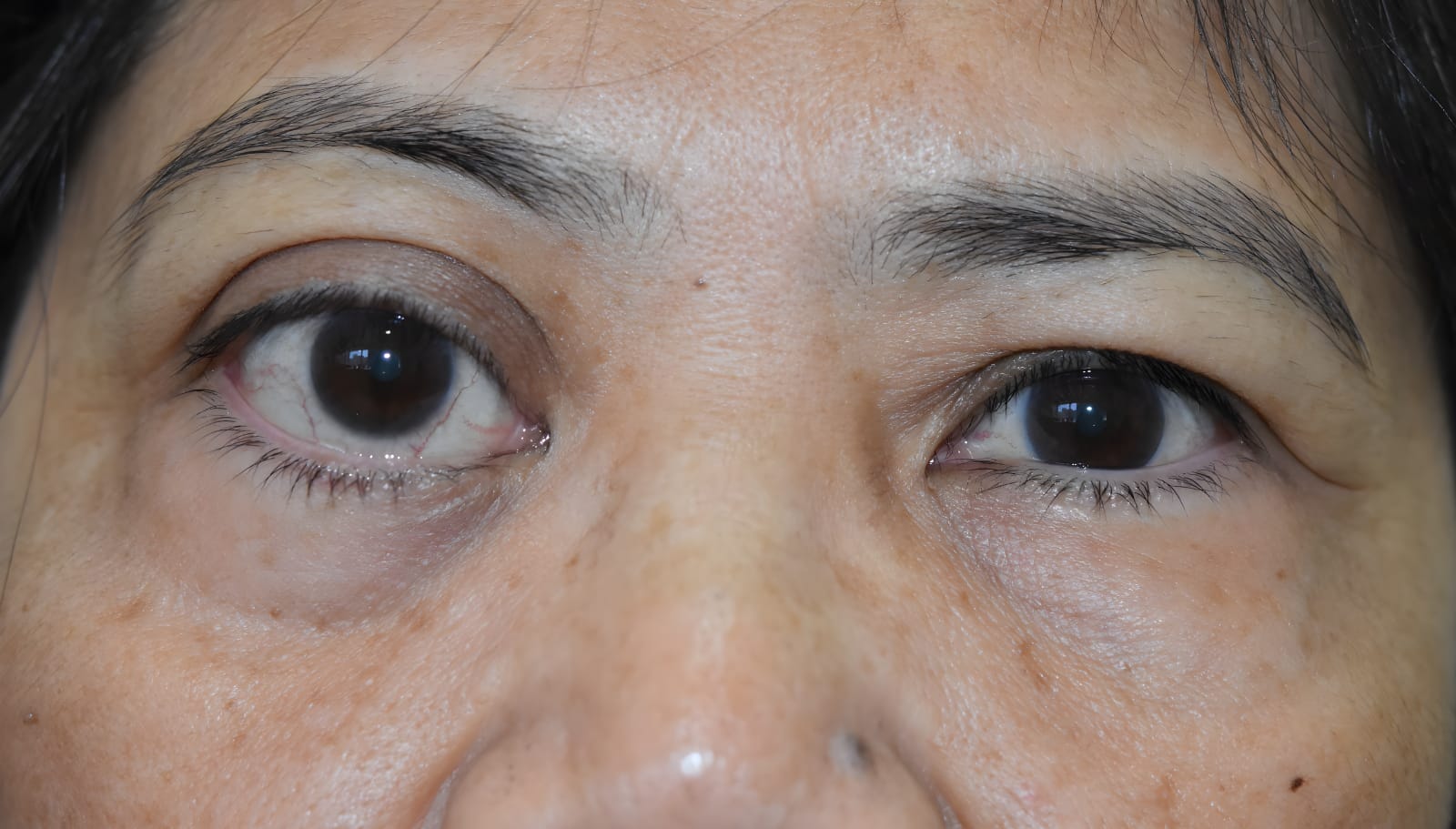
A routine eye examination prevented a 57-year-old Filipina resident of Sharjah from going blind for the rest of her life. The expat had been suffering from vision loss and heaviness around her right eye for almost a month when she went to see an ophthalmologist. Further, she was referred to Oculoplasty and Orbit Surgery specialist at Medcare Hospital Sharjah, who discovered a large tumor in the orbit of the eye, and recommended additional examination. A massive tumour measuring 35×30 mm, larger than the patient’s 24mm eyeball, was successfully removed at Medcare Hospital in Sharjah following a strenuous hour long complex surgical procedure.

The astute ophthalmologist at Medcare Hospital Sharjah noticed that the patient’s right eye protruded more than the left during the eye checkup. The patient insisted that it was a slowly progressive protrusion that began to show since her childhood. Following the ophthalmologist’s timely prognosis, the patient got an MRI and CT scan done, where the medical team discovered a well-defined oval intraconal lesion in the right orbit, indicating the likelihood of a cavernous hemangioma (vascular tumour). The patient underwent a highly sophisticated micro invasive surgery, which is thought to be the first of its type in Medcare, to remove the tumour from behind her eye.

Cavernous hemangioma is a benign vascular tumor often discovered in the middle age. It is one of the most common benign tumor that grow in the orbit of the eye. It is known to grow slowly, but when situated in critical areas near the optic nerve it can lead to vision loss or blindness in the long run. In this case, the tumor was compressing the optic nerve, threatening the patient’s sight.

Dr. Fairooz P.M., Oculoplastic Surgeon at Medcare Hospital Sharjah, who is also an Eye Cancer specialist leading the surgical team stated, “This was a very risky case as it was compressing the optic nerve causing vision loss, and the surgical procedure involved protecting the optic nerve to regain the vision. This meticulous surgery, which required a high level of precision, was crucial in preventing further vision deterioration.”

Prior to the surgery, the tumour caused the eye to protrude forward and threatened her vision by squeezing the nerve at the back of the eye. It was a micro incision internal orbital surgical approach that was adopted, Dr. Fairooz stated

According to Dr. Fairooz, the benign tumour measured 35x30mm, which was larger than the patient’s 24mm eyeball. Despite not spreading to other areas of the eye, the tumour continued to grow in size, abutting the optic nerve and compressing it, pushing it to the orbital walls, resulting in compressive optic neuropathy.

Highlighting the critical nature of this case, Dr. Fairooz said, “Cavernous Hemangioma is among the most common orbital tumours, representing 20 percent of all orbital masses. While these tumors are usually painless and grow slowly, they can pose serious challenges when located near crucial structures like the optic nerve, potentially threatening vision”.

The diagnosis and management of orbital tumours, particularly those impacting visual function, pose significant challenges to surgeons. In such cases, timely and precise intervention is crucial to prevent serious complications, such as vision loss.

Following the complicated procedure, her vision was completely restored.

Reflecting on the outcome, Dr. Fairooz extended gratitude to the whole team for a combined efforts that rendered the treatment successful. She added: “We are very pleased that the patient responded well to the surgery and has fully recovered. The bulge was in fact the symptom that indicated the tumor’s presence, making it a crucial component of the diagnosis. The pressure on the optic nerve was more harmful and threatened the patient’s vision”.

“We believe this is the first time such a procedure has been carried out by the Oculoplasty and Orbit Surgery department at Medcare, and we are delighted with the patient’s recovery” added Dr. Fairooz.

The multidisciplinary approach taken by Medcare Hospital in Sharjah was key to the success of this complex procedure. The collaborative efforts of the oculoplastic surgeon and radiologists resulted in a precise diagnosis. A well-executed treatment plan using the advanced imaging techniques, cutting-edge surgical methods and skilled operation theatre staffs became instrumental in achieving a positive outcome for the patient, while demonstrating the hospital’s expertise in managing such challenging cases.

Health

Dubai’s strict new medical rules: Why doctors, clinics and influencers face tough social media limits

Published

on

Spread the love

If you scroll through medical feeds in Dubai, you’ve probably seen your share of ‘miracle’ transformations, ‘magic’  fixes, and glowing influencer reviews. That era is coming to a hard stop.

The Dubai Health Authority (DHA) has rolled out sweeping new social media guidelines targeting every licensed doctor, clinic, and hospital promoting services across platforms like Instagram, TikTok, YouTube, Snapchat, Facebook, LinkedIn, and WhatsApp.

Here is a breakdown of what is changing, what is officially off-limits, and how it impacts anyone creating medical content in the emirate.

1. Hype words are banned

The DHA is tackling exaggerated claims that give patients unrealistic expectations. If you are promoting a procedure, you can no longer describe it with words like:

  • Miraculous or magic
  • The best, unique, or incomparable
  • 100%, certain, or guaranteed success
  • Zero side effects or immediate results
  • Pioneer, famous, or exclusive

Any promo promising money-back guarantees, taking cheap shots at competitor clinics, or slamming government entities is strictly barred.

2. Influencers face direct accountability

Partnering with influencers won’t create a legal loophole. If an influencer features a clinic, treatment, or outcome, the content must be reviewed and signed off by the facility’s medical director before it goes live.

Even if an influencer shoots a reel on their personal phone inside a clinic or shares it to their private profile, the clinic itself is held legally responsible.

3. Strict rules on professional titles

Doctors and staff can only use the exact job titles printed on their official DHA licenses. Vague or buzzy marketing labels like Beauty Expert, Anti-Ageing Specialist, Cosmetic Specialist, or Cosmetologist are no longer permitted.

Additionally, the title Dr is reserved exclusively for physicians, dentists, and holders of recognised PhD degrees attested by the UAE Ministry of Education.

4. No surgery live-streams and tighter photo rules

The rules also clamp down on patient imagery:

  • Operating Rooms: Filming or live-streaming promotional videos during minor or major surgeries, or while a patient is under anaesthesia, is completely banned.
  • Before-and-After Shots: Photos must show the same patient, captured with the same camera lens, completely unedited, and paired with a clear disclaimer stating that results vary.
  • Consent: Facilities must secure written consent before posting any patient’s image, video, or review (with parental consent mandatory for anyone under 18).

5. Separate accounts for visiting doctors

Doctors who divide their practice between Dubai and overseas can no longer mix their feeds. They are required to run a dedicated, Dubai-specific account that aligns fully with DHA standards, even when sharing content involving treatments done abroad.

6. Medical directors in the hot seat

Medical directors are now tasked with policing internal output. They must approve every social post mentioning the facility, archive content for unannounced DHA audits, designate moderators, and run regular staff training on what is legally acceptable.

The update forms part of the DHA’s wider 2022–2026 strategy to clean up digital medical marketing, respect local cultural values, and make sure patients get realistic, evidence-based healthcare information.

Continue Reading

News

Italia T10 eyes GCC as new Italian franchise cricket league builds global ambitions

Published

on

Spread the love

Italy is about to get its own city-based franchise cricket league, and organisers are looking to the Middle East to help take it global.

Italia T10 Cricket will make its debut in Rome from November 7 to 15, 2026, with six city-based teams set to compete in the fast-paced 10-over format.

And while the league is being built around Italian cricket, its ambitions stretch well beyond Italy.

With three of the six franchises already secured, organisers are now turning their attention to the Middle East, hoping to build links with the region’s growing cricket community and attract stakeholders from across the GCC.

The league has been officially endorsed by the Italian Cricket Federation, with the organisers describing the competition as Italy’s first city-based franchise T10 league.

Why is Italy turning to the Middle East?

Cricket may not be one of Italy’s traditional mainstream sports, but the game has been steadily expanding across Europe, and the Middle East has become a major hub for international and franchise cricket.

The UAE, Saudi Arabia, Kuwait, Qatar, Oman and Bahrain all have established cricket communities, creating a sizeable pool of players, fans and potential investors.

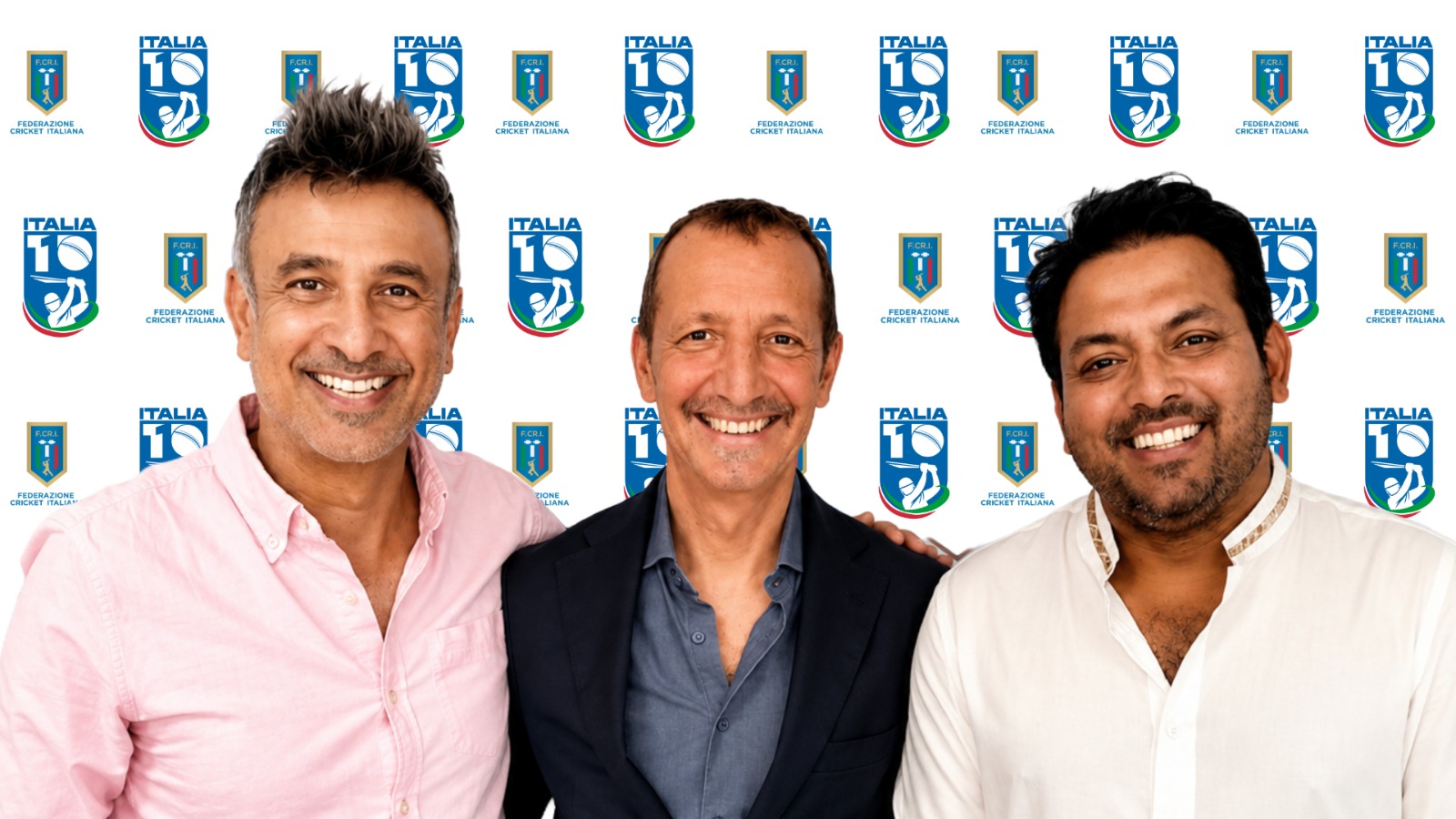
Aamir Akhtar, chairman of Apex T10 Ltd, said the response to the league’s announcement had been “phenomenal” and that the organisers were keen to bring the Middle East into the project.

For Akhtar, the connection is also personal. The former Nepal international played at the ICC Under-19 Cricket World Cup in 2000 before representing Nepal at senior level.

He now wants to use franchise cricket to create more opportunities in emerging cricket markets.

What exactly is Italia T10?

The clue is in the name.

Each match will feature 10 overs per side, with games expected to last around 90 minutes.

That makes T10 one of cricket’s shortest and most explosive formats — designed to pack plenty of action into a compact viewing window.

The inaugural tournament will be played entirely in Rome, with six franchises competing across nine days.

The league also says its matches will be streamed live in more than 30 countries, giving the new competition an international audience from its very first season.

Could the Middle East become part of the league?

That’s one of the bigger questions surrounding the project.

Organisers say they see the Middle East as more than simply a commercial market. They want to build a cricketing bridge between Europe and the GCC, potentially bringing regional stakeholders, players and cricket communities into the Italia T10 ecosystem.

Nadeem Shahid, CEO of Apex T10 Ltd, said the league has an Italian foundation but an international outlook.

The company behind Italia T10 was founded by Shahid and Akhtar with the aim of developing cricket in associate territories through professionally run franchise competitions.

Why now?

The timing could hardly be more interesting for global cricket.

The sport is preparing to return to the Olympic Games at Los Angeles 2028, putting renewed focus on expanding cricket beyond its traditional strongholds.

Italia T10 hopes to play a small part in that expansion by raising the profile of cricket in Italy, creating more opportunities for local players and clubs and connecting Italian cricket with the international game.

With half of its franchises still to be secured and the first season only months away, the next phase will be worth watching.

Italy has the league. Rome has the stage. Now organisers want the Middle East to become part of the story.

Continue Reading

News

Autumn arrives in the UAE: When will temperatures start to drop?

Published

on

Spread the love

UAE residents, there’s light at the end of the summer tunnel. Meteorological autumn officially arrived on September 1, marking the start of the three-month period when temperatures are expected to gradually ease across the country.

But don’t expect winter-like weather just yet. September can still be hot, the difference is that the intense summer heat should slowly begin to lose its grip.

According to Ibrahim Al Jarwan, Chairman of the Board of Directors of the Emirates Astronomical Society and a member of the Arab Union for Astronomy and Space Sciences, meteorological autumn runs from September 1 to November 30 in the Northern Hemisphere.

So, when does autumn actually begin?

Here’s where it gets slightly confusing. September 1 marks the beginning of meteorological autumn, which is based on calendar months and typical temperature patterns used for climate reporting.

Astronomical autumn arrives later. In the UAE, the autumnal equinox will take place on September 23, at around 4.05am (UAE time).

That’s when the Sun crosses the celestial equator from north to south, officially marking the astronomical start of autumn in the Northern Hemisphere.

When will the UAE start feeling cooler?

The good news is that September should bring a noticeable change.

After months when daytime temperatures frequently reached 42°C or higher, most September days are expected to see highs below 39°C, while overnight temperatures should dip below 27°C.

The cooling trend becomes more noticeable in October, when daytime temperatures are expected to fall below 35°C on most days and nighttime lows could drop below 22°C.

By November, things should feel considerably more comfortable, with daytime temperatures generally below 30°C and nights dropping 18°C below on most days.

By the end of meteorological autumn, temperatures could fall to around 26°C or lower during the day and 15°C at night across much of the UAE.

So while residents shouldn’t pack away the air conditioner just yet, the country’s long, scorching summer is gradually giving way to cooler months.

And for anyone counting down to outdoor season, September is the first hint that better weather is on the way.

Continue Reading

Popular

Exit mobile version
https://headline.ae/