
Entertainment
meet the radical Scottish visionary behind the new hit film




[ad_1]
Director Yorgos Lanthimos’s Poor Things tells the story of Bella Baxter (Emma Stone), an irrepressibly free woman who seems to have the mind of an innocent child. She embarks on an exuberant voyage of discovery, travelling around 19th-century Europe and reaching Egypt, experiencing many new things as her intellect rapidly develops, before returning home to face her secret past.
The film is based on the 1992 novel of the same name by the Glaswegian Alasdair Gray. Gray was a maverick and polymath – a writer, artist, polemicist, dissident and civic nationalist – who had an immense influence on contemporary Scottish literature and beyond.
Like watching Lanthimos’s gorgeous spectacle, reading Gray is a wild and unsettling ride. His work is full of progressive imagination, wry impropriety and intricate literary form.
Gray was a bold creative thinker, one who dared to make a slightly disreputable character out of God, for instance. He was a radical who disturbed established order, including through the blending of visual and literary art. For him, naming and contesting arbitrary power and providing both visceral witness to, and alternative visions of, contemporary society are defining qualities of his work – particularly Poor Things.
A Scottish Frankenstein
Rather than a single perspective, Poor Things is made up of different documents stitched together – prefaces, journal entries, letters, explanatory footnotes – that produce multiple, competing stories. The story is self-reflexive, where the narrative voice or action dwell on the act of writing or making fiction.
Poor Things is full of allusions to, and borrowings from, the rich resources of Victorian fiction – most obviously Frankenstein – and reference works. Typographical experimentation and word play abound. For instance, the name of the novel’s great medical scientist Godwin Baxter is sometimes abbreviated to “God” to emphasise paternalism, powers of creation, withdrawal from the world and many other interpretations.
Gray’s creative practice is “multi-modal”, weaving the written word with his own visual art. In Poor Things, this approach can be seen in the images, which include portraits, anatomical illustrations, maps and frenzied handwritten sections. These aspects provide an added interpretive dimension to the text and reinforce, reframe or even contradict the written elements.
These components make for a pleasurable literary puzzle – but there’s a serious side to the novel’s complexity too. One convincing interpretation of Bella Baxter is as a feminist figure, who thwarts the attempts of men to control her and her narrative.
Authority is firmly in question in Poor Things, both the regular kind and the mantle taken on by authors themselves. It turns a critical eye on Victorian history and the British Empire, and the role of literature in that history.
Glasgow made
Poor Things was published in the same year as Gray’s Why Scots Should Rule Scotland, an anti-imperialist and democratic-socialist argument that advocated for civic nationalism where people are equal and active participants in Scottish society. He was an unapologetic supporter of an independent Scotland and a passionate Republican, which was emblematised by his repeated order to “work as if you live in the early days of a better nation”.
The illustration of Bella in the novel is labelled as “Bella Caledonia”, suggesting her as Gray’s metaphor for Scotland: tangled up with a difficult history but oriented to the future, and full of potential. Calendonia is a romantic name used to refer to Scotland. The fact that Bella is English-born counter intuitively supports this argument. A civic nation is about the people in it, rather than people born there.
Transplanted to London, little of Glasgow or indeed Scotland can be perceived in Lanthimos’s film. But the intellectual history and social consciousness of Poor Things is not independent of its Glasgow setting. Gray was shaped by the radical spirit and unique architecture of the city, which inspired his fiction and artwork.
Gray studied at Glasgow School of Art, the experience of which is fictionalised in parts of his magnum opus Lanark: A Life in Four Books (1981). He produced unique portraiture, familiar and strange landscapes and ambitious murals which can still be seen in Glasgow.
For anyone yet to visit, the stereotype of Glasgow is a city of heavy industry now vanished, heavy Victorian tenements, heavy drinking and heavy rainfall. That idea has been difficult to dislodge.
In Lanark, the protagonist Duncan Thaw bemoans the difficulty in imagining Glasgow creatively, a task that Gray applied himself to assiduously through his career. Lanark itself, an epic that combines vivid fantasy with evocative realism, is where much of that imagination takes place. Its grandeur and ambition would suit the blockbuster treatment.
Lanthimos’s film and Gray’s text are independent but related works. It is worth remembering that adaptations are under no obligation to be faithful to source materials. There is no governing body adjudicating and no code of laws to apply. Traces remain, however. Look out for the interrogation of authority, the imagination of an alternative future, and the indomitable spirit of Bella Baxter. Then read some Alasdair Gray.
Looking for something good? Cut through the noise with a carefully curated selection of the latest releases, live events and exhibitions, straight to your inbox every fortnight, on Fridays. Sign up here.
Author: Joe Jackson – Associate Professor in Twentieth-Century and Contemporary English Literature, University of Nottingham 

[ad_2]









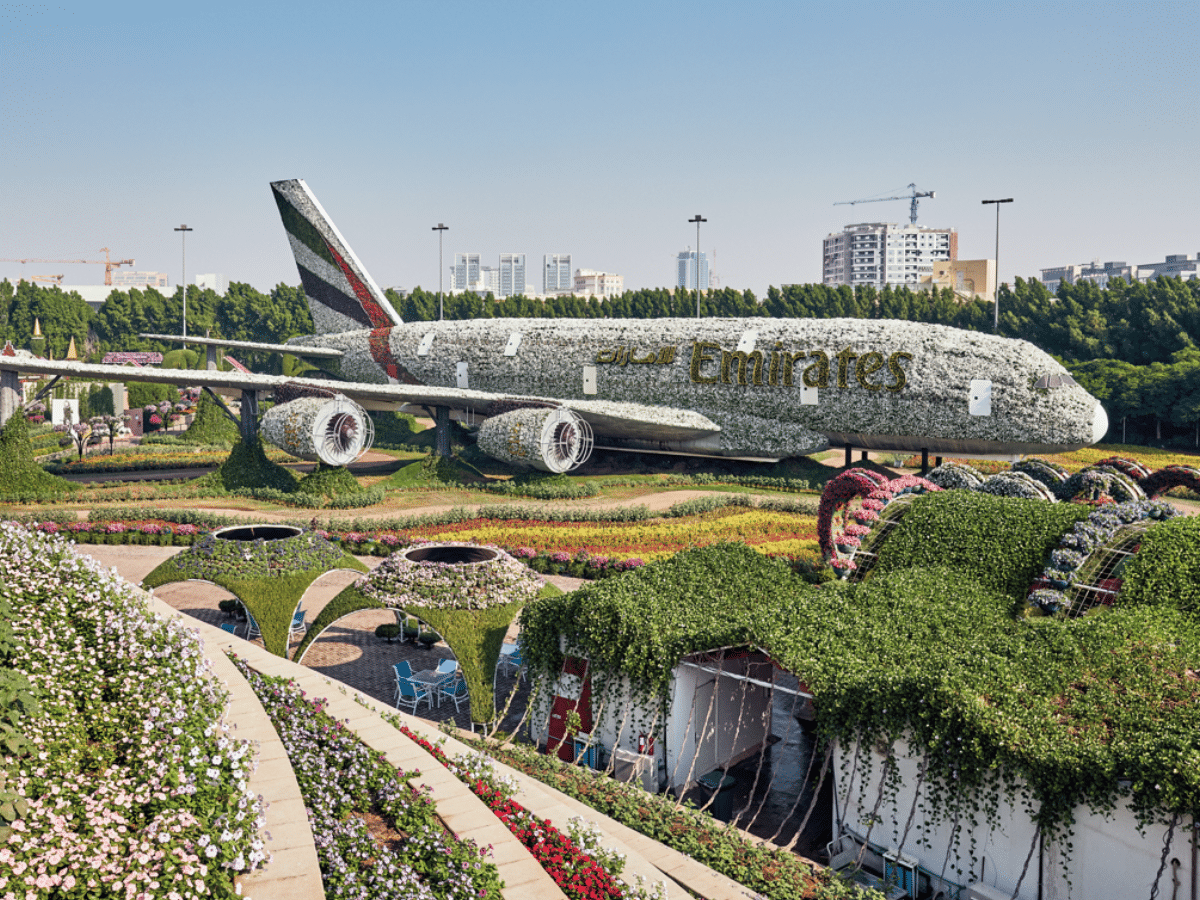

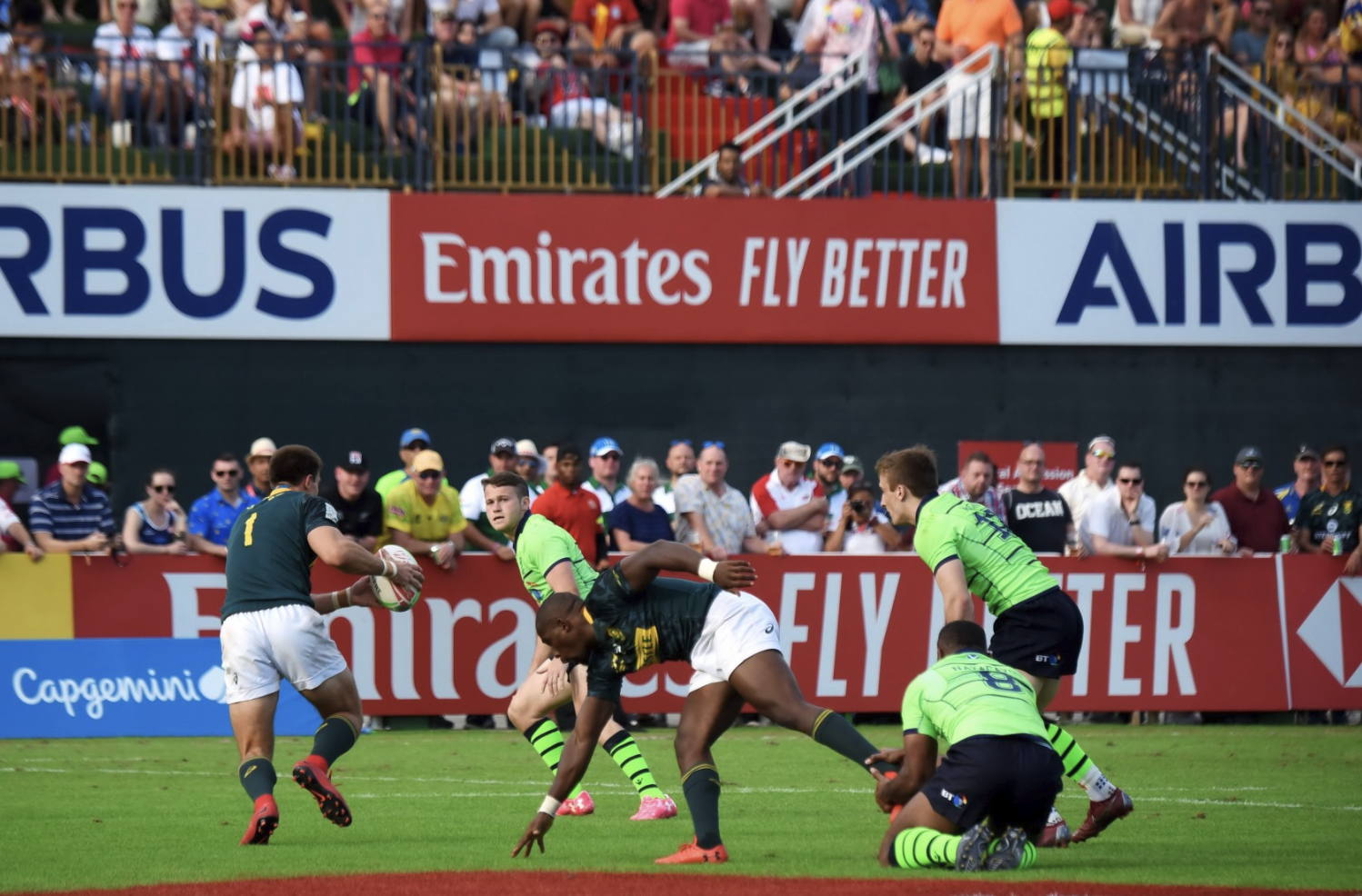
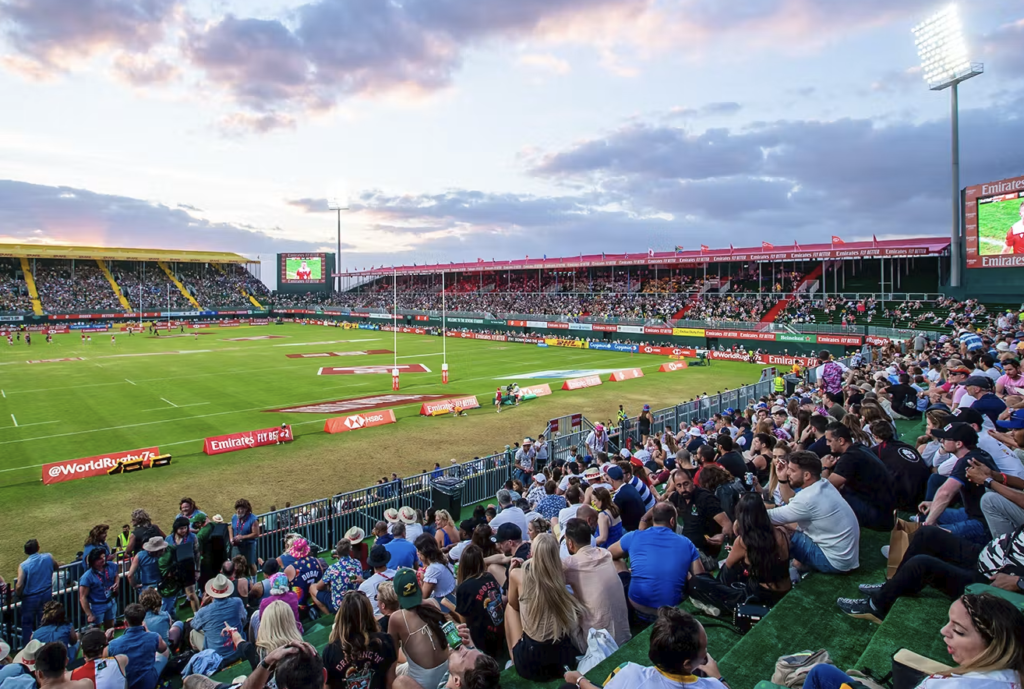
Emirates Dubai 7s is returning to The Sevens Stadium from November 27 to 29, with tickets now on sale for the three-day sports and entertainment festival.
The 2026 edition will bring together international rugby, amateur sports, live music and family entertainment, with organisers promising a bigger programme than previous years.
The festival attracted more than 88,000 visitors in 2025 and will again take place during the final weekend of the Dubai Fitness Challenge.
Ticket prices

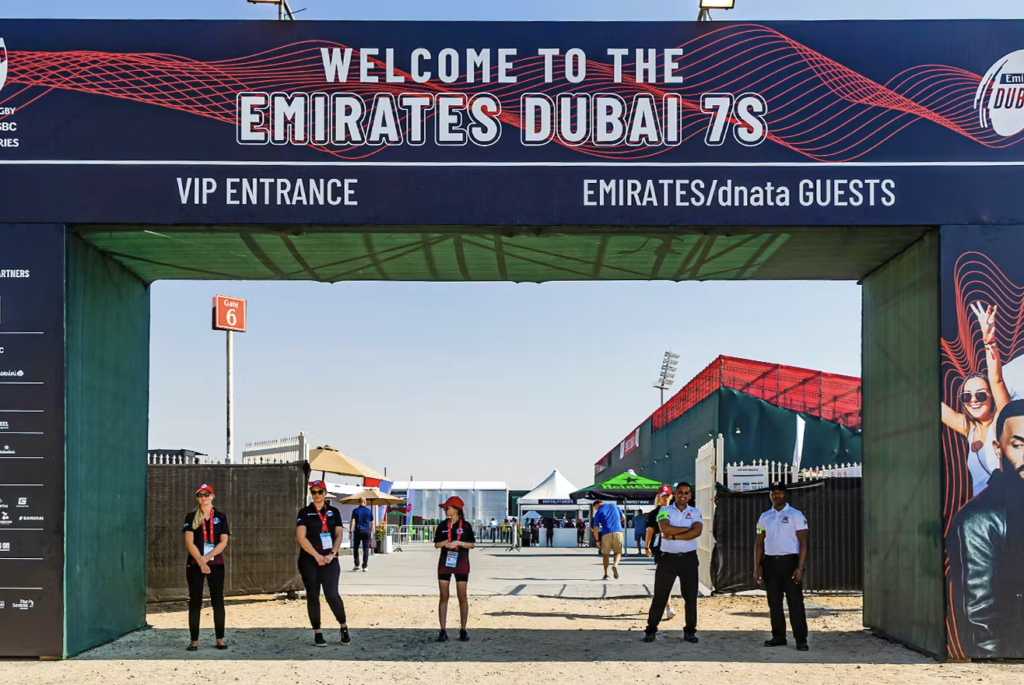
Ticket prices for General Admission and Hospitality have stayed the same for a third consecutive year.
Three-day General Admission tickets cost Dh595 per person, while the three-day Family Pass is Dh1,136 for two adults and two children.
Other ticket options

- Group pass: Dh446 per person for four or more adults
- Saturday or Sunday: Dh455
- Friday: Dh75
- Under 15s: Free
- People of Determination + carer: Dh375
Tickets can be purchased through the Emirates Dubai 7s website and app.
Bigger family attractions


Family entertainment will get a major boost this year as the UAE celebrates the Year of the Family.
The festival will feature its biggest-ever Kids’ Zone, including the UAE’s largest inflatable kids’ zone, along with a Ferris wheel and zipline. More attractions are expected to be announced ahead of the event.
Six sports and top rugby action

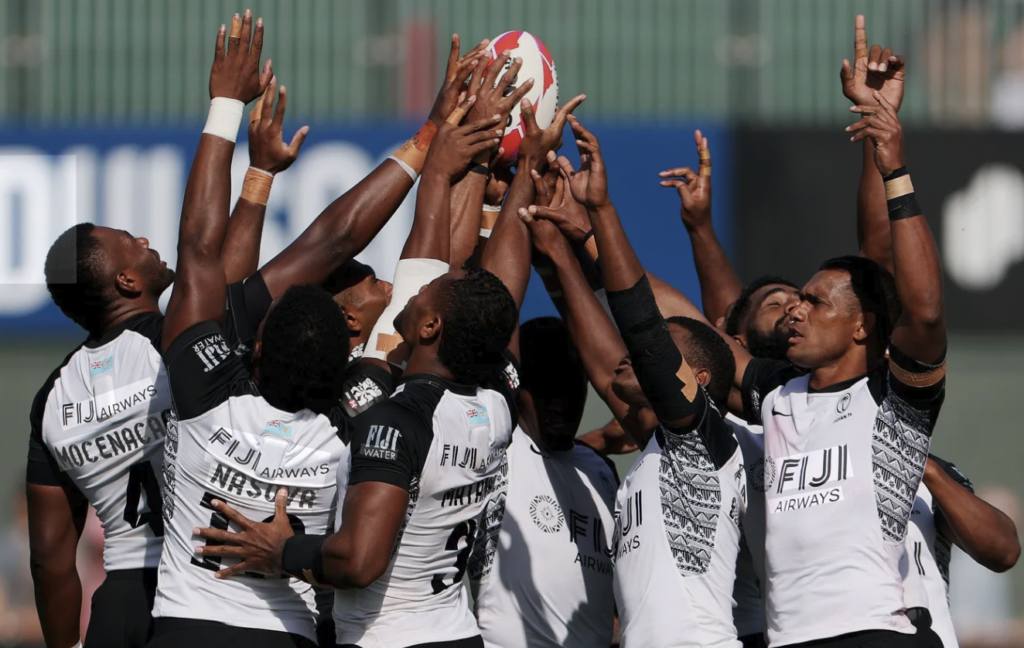
Alongside elite rugby, visitors can watch or take part in competitions across six sports — rugby, netball, cricket, WODON3 fitness, Rebound padel and Gaelic Football.
Gaelic Football will join the festival for the first time in 2026.
The Sevens Stadium will also host the opening round of the HSBC SVNS Series 2027, bringing the world’s leading rugby sevens players to Dubai.
The WODON3 Elite final will take place on Pitch 1 between HSBC SVNS matches, with competitors potentially performing in front of crowds of up to 20,000.
Music all weekend


Live entertainment will run throughout the festival, with local and international artists performing across three days.
Last year’s line-up included Tinie Tempah, Sean Paul and Fisher, while the 2026 headline acts will be announced later.
For a premium experience, The Sunroom returns with all-inclusive food and drinks, shaded seating, prime sporting views and dedicated access. Packages start from Dh1,925 per person.
With sport, music and family attractions packed into one weekend, Emirates Dubai 7s is gearing up for another big Dubai event.
Entertainment
Dubai launches ‘Dubai+’ family streaming platform to boost digital media and creative economy



Dubai Miracle Garden returns as UAE’s cooler season begins

Sultan Al Qasimi Attends Opening of 12th Sharjah Calligraphy Biennial