Connect with us

News

New Abu Dhabi policy allows residents to generate their own solar power in bid to cut electricity bills

Published

on

Spread the love

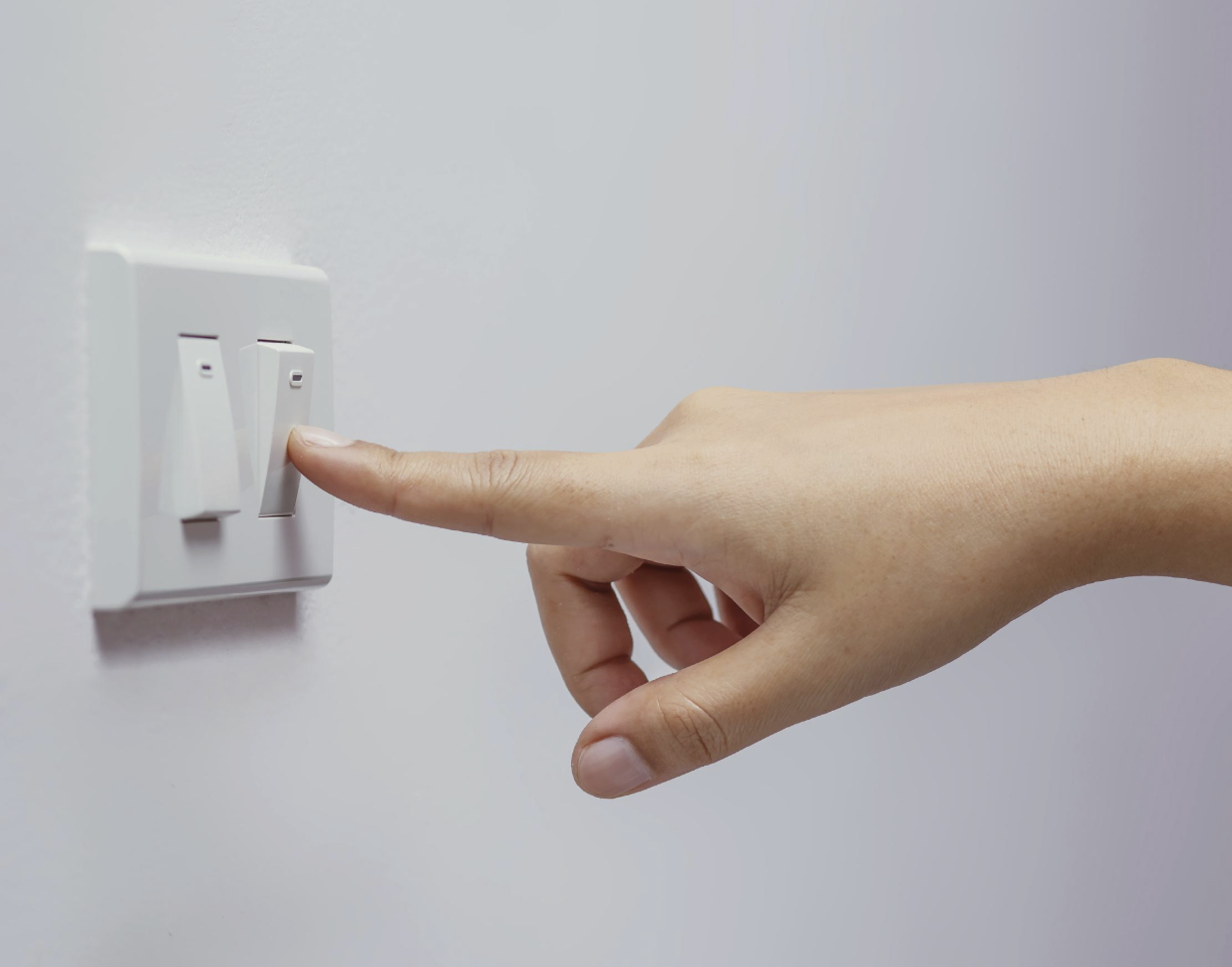
Abu Dhabi’s Department of Energy (DoE) has announced a new policy allowing customers to generate their own solar electricity, as part of wider efforts to cut carbon emissions and improve energy efficiency across the emirate.

The Solar (Photovoltaic) Energy Self-Supply Policy, launched at the World Governments Summit, enables households, businesses and landowners to install solar panels and other renewable energy systems to meet part of their daytime electricity needs.

Officials said the move is designed to reduce reliance on the electricity grid, improve efficiency during peak demand hours and accelerate Abu Dhabi’s transition to clean energy, in line with the Abu Dhabi Energy and Water Efficiency Strategy 2030.

How the solar self-supply policy works

Under the new policy, customers can choose whether to continue sourcing electricity entirely from the grid or adopt flexible energy solutions, including:

  • Rooftop solar panels
  • Solar-powered water heaters
  • Battery energy storage systems

Users can generate and store renewable electricity, which can then be used in the evening, helping to lower energy costs and reduce pressure on the power network during peak periods.

What it means for residents

You can generate your own electricity
Residents will be allowed to install rooftop solar panels and other renewable systems to cover part of their daytime electricity use, reducing dependence on the grid.

Lower electricity bills over time
By producing solar power during the day and storing it in battery systems for evening use, households can cut monthly energy costs and avoid peak-hour consumption.

More control over energy use
Customers can choose whether to stay fully connected to the grid or adopt hybrid energy solutions, giving greater flexibility in how electricity is sourced and used.

Cleaner, greener homes
Generating solar power means zero local emissions, helping households reduce their carbon footprint and support Abu Dhabi’s clean energy goals.

Better guidance on efficient appliances
Residents will benefit from a new high-efficiency appliance guide, helping them choose energy-saving air conditioners, water heaters and lighting that reduce long-term costs.

Gradual rollout
While the policy starts with farms and agricultural users, it sets the groundwork for wider residential adoption as regulations and infrastructure expand.

A step toward a smarter energy system
The move supports a more resilient power network by easing pressure during peak demand, especially in summer, and encouraging smarter energy consumption.

For farms and agricultural users

The policy will initially apply to the agricultural sector, including farms, ranches and rest houses, where electricity demand is typically high. Authorities said these users are expected to benefit most in the early phase through reduced energy bills, improved energy security and greater access to renewable power.

New guidance on energy-efficient appliances

Alongside the solar policy, the Department of Energy will publish a new guidance manual on high-efficiency appliances, aimed at helping consumers make informed purchasing and usage decisions.

The manual will cover equipment such as:

  • Air-conditioning systems
  • Water heaters
  • Lighting
  • Irrigation pumps

It will include performance data and long-term cost analysis to help users reduce energy consumption and operating costs.

Commenting on the announcement, Abdulaziz Mohammed Al Obaidli, Director General of Regulatory Affairs at the Department of Energy, said the policy represents one of the most significant regulatory changes in the sector.

He added that the initiative enables the community to play a direct role in achieving Abu Dhabi’s clean energy and sustainability targets.


With over 35 years of experience in journalism, copywriting, and PR, Michael Gomes is a seasoned media professional deeply rooted in the UAE’s print and digital landscape.

News

Hijri New Year 2026: Dubai announces holiday for schools, universities and nurseries

Published

on

Spread the love

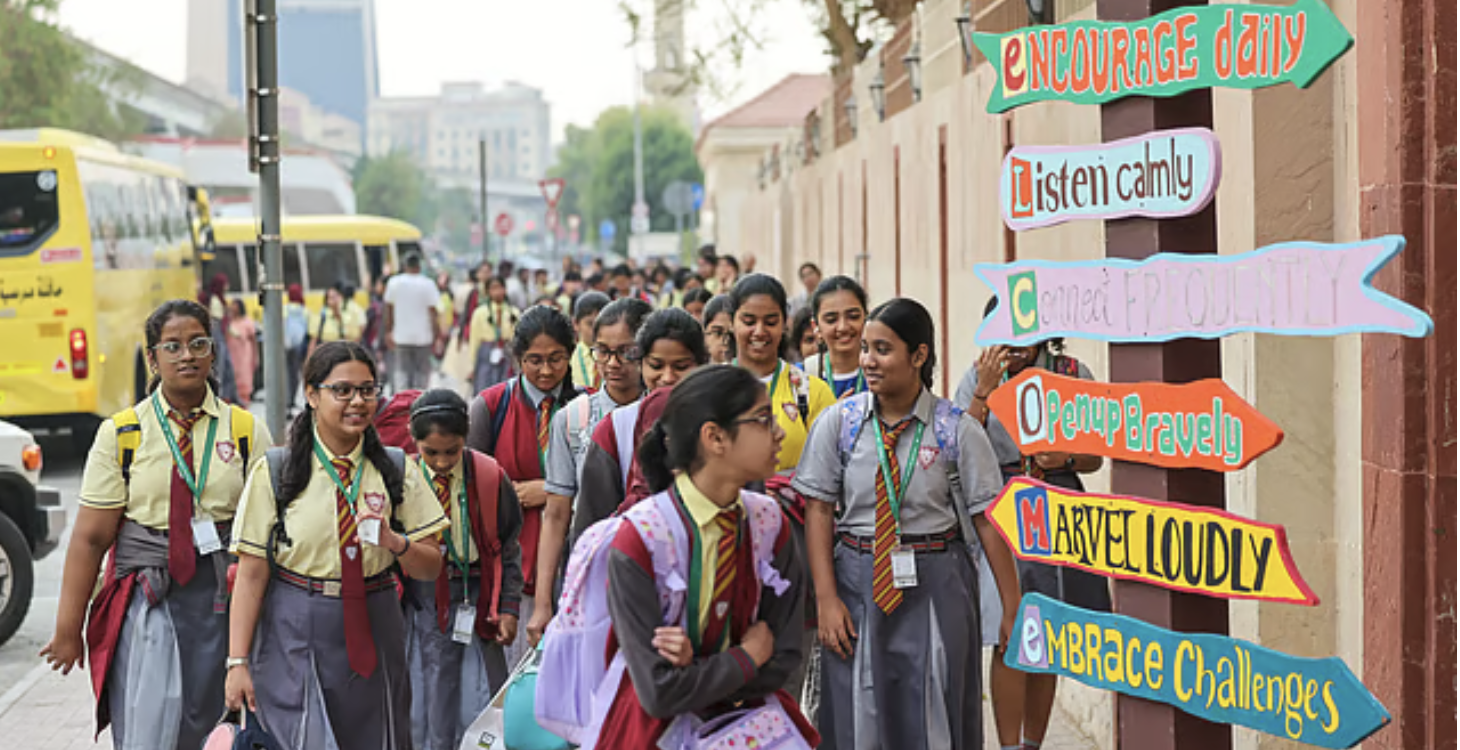
Students, teachers and employees across the UAE are set for a long weekend after authorities confirmed Monday, June 15, as a public holiday to mark the Hijri New Year.

In Dubai, the Knowledge and Human Development Authority (KHDA) announced that schools, universities and early childhood centres will be closed on June 15, with classes resuming on Tuesday, June 16.

Earlier, the UAE government confirmed the same date as an official holiday for both public and private sector employees, in line with the country’s approved 2026 holiday calendar.

For most residents, the holiday creates a three-day weekend. In Sharjah, where government employees and students follow a four-day workweek, the public holiday extends the break to four days.

The Islamic New Year marks the beginning of the Hijri calendar and falls on the first day of Muharram, the calendar’s opening month. The exact start of Muharram is determined through official moon-sighting procedures.

With the holiday falling on a Monday, many residents can look forward to an extended break before normal work and school schedules resume on June 16.

Continue Reading

News

New electric bus, more stops and free rides in Ras Al Khaimah for all

Published

on

Spread the love

Ras Al Khaimah residents and visitors can now ride the emirate’s first electric public bus following the launch of the upgraded Purple Route, which also offers free travel during its first month of operation.

Introduced by the Ras Al Khaimah Transport Authority (RAKTA), the revamped route officially entered service on June 3 and forms part of the emirate’s push towards smarter and more sustainable transport solutions.

The upgraded Purple Route now covers an additional 14 kilometres and connects key destinations between Al Nakheel and Manar Mall, including hospitals, government centres, educational institutions and residential communities.

A major highlight of the launch is the introduction of Ras Al Khaimah’s first electric bus, supporting RAKTA’s plans to expand environmentally friendly transportation and reduce emissions across the public transport network.

The service operates 12 daily trips under an enhanced schedule designed to improve reliability, reduce waiting times and make commuting easier for passengers.

The Purple Route is one of five public bus routes operating across the emirate. With the latest expansion, Ras Al Khaimah’s public transport network now spans 215 kilometres, supporting the authority’s goal of increasing urban transport coverage to 65 per cent by 2026.

Passengers can also use the Sayer app to plan journeys, check schedules and track buses in real time.

Continue Reading

News

UAE summer working hours announced: Midday outdoor work ban begins on June 15

Published

on

Spread the love

The UAE’s annual midday work ban will come into effect on June 15, with authorities once again restricting outdoor work during the hottest hours of the day to safeguard workers from extreme summer temperatures.

The regulation prohibits work under direct sunlight and in open-air locations between 12:30pm and 3pm daily, and will remain in force until September 15.

Now in its 22nd consecutive year, the initiative reflects the UAE’s ongoing commitment to workplace safety and employee wellbeing, particularly during the peak summer season when heat-related health risks increase significantly.

Under the rules, employers must provide suitable shaded rest areas for workers during break periods. Companies are also required to ensure access to drinking water, hydration supplies and cooling equipment such as fans to help protect workers from heat stress.

The Ministry of Human Resources and Emiratisation stated that limited exemptions will apply to certain activities where work cannot be postponed due to technical or operational requirements.

These include asphalt paving, concrete pouring and emergency maintenance work necessary to restore essential public services such as water, electricity and traffic systems. Projects requiring special government permits because of their impact on public infrastructure or movement may also be exempt.

Authorities warned that companies failing to comply with the regulations could face fines of Dh5,000 per worker found in violation, with total penalties reaching up to Dh50,000 for multiple offences.

The ministry highlighted the strong compliance levels achieved in previous years, noting that 99 per cent of companies adhered to the regulations during last year’s Heat Stress Protection campaign.

As part of broader efforts to support outdoor workers, more than 10,000 air-conditioned rest stations equipped with essential amenities were made available to delivery riders across the country.

Officials urged businesses to continue prioritising worker safety and strictly follow the summer regulations to help reduce heat-related illnesses and maintain a safe working environment throughout the season.

Continue Reading

Popular

Exit mobile version
https://headline.ae/