Connect with us

News

New road safety move: Abu Dhabi scraps 120kmph minimum speed limit on E311

Published

on

Spread the love

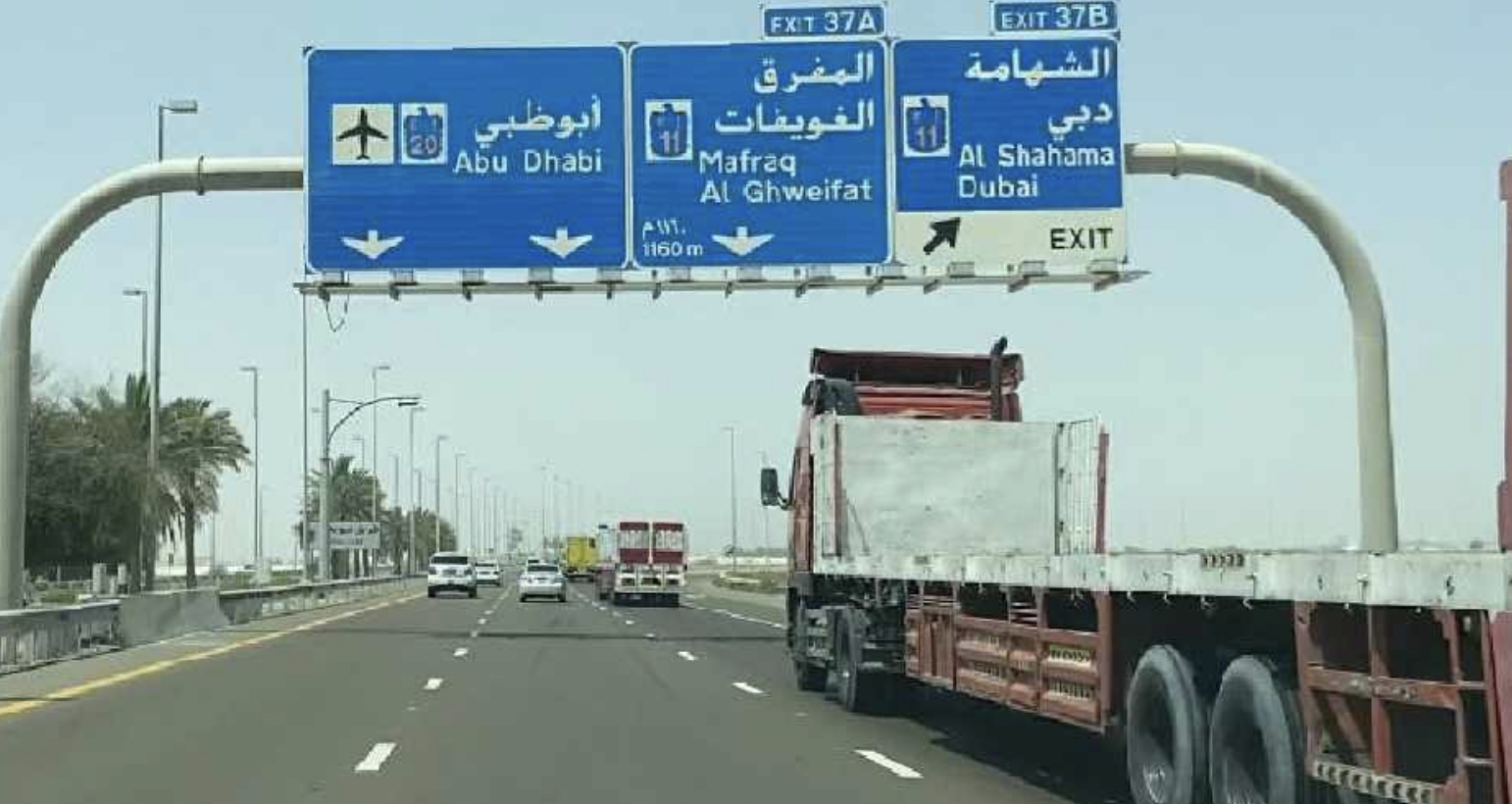
In a move aimed at improving road safety and easing the movement of heavy vehicles, Abu Dhabi Mobility has announced the removal of the 120kmph minimum speed limit on Sheikh Mohammed Bin Rashid Road (E311), one of the Emirate’s key intercity highways.

The change, which takes immediate effect, is part of Abu Dhabi’s ongoing efforts to create a more flexible and inclusive traffic system, particularly for large transport vehicles that struggle to maintain higher speeds on long-haul routes.

Making Roads Safer and Smarter

Previously, motorists on E311 were required to maintain a minimum speed of 120kmph in designated lanes, a policy introduced to ensure consistent traffic flow and reduce lane-switching on high-speed roads. While the regulation was intended to streamline traffic, it posed challenges for certain vehicle categories, especially heavy trucks and older vehicles unable to sustain such speeds safely.

“The lifting of the minimum speed limit reflects a strategic shift toward enhancing road safety while accommodating the needs of all types of road users,” Abu Dhabi Mobility said in its announcement on Monday.

Officials stressed that the adjustment is expected to reduce pressure on drivers of heavy trucks and larger vehicles, many of whom faced difficulties adhering to the minimum speed, particularly when navigating inclines, exits, or merging with faster-moving traffic.

Focus on Heavy Vehicle Mobility

Sheikh Mohammed Bin Rashid Road is a vital artery that connects Abu Dhabi to the northern emirates, supporting both daily commuters and long-distance freight movement. The route is heavily used by cargo trucks, making it essential for the capital’s logistics and supply chain operations.

Transport experts say the relaxed speed rule will offer heavy vehicle drivers more leeway, enabling them to travel at safer, more manageable speeds without fear of fines or disrupting the flow of traffic.

Maximum Speed Remains Unchanged

While the minimum speed requirement has been scrapped, the maximum speed limit on E311 remains unchanged. Drivers are still expected to follow posted limits, which vary depending on the section of the road and vehicle type. Enforcement of the speed cap will continue through smart monitoring systems and traffic patrols.

Motorists must remain vigilant

The decision is also aligned with Abu Dhabi’s Vision Zero strategy, an ambitious goal to eliminate road fatalities through smarter road design, improved enforcement, and inclusive mobility solutions.

Motorists are advised to remain vigilant, follow all traffic signs, and exercise caution—particularly during peak hours and in zones where multiple vehicle types share lanes.

With over 35 years of experience in journalism, copywriting, and PR, Michael Gomes is a seasoned media professional deeply rooted in the UAE’s print and digital landscape.

India

Why Indian passport renewals in the UAE could face longer delays

Published

on

Spread the love

Indian expats in the UAE waiting to renew their passports or access other consular services could face continued delays after the Why Indian passport renewals in the UAE could face longer delaysCourt ordered a fresh tender process for outsourced consular operations.

The ruling affects the Indian Embassy in Abu Dhabi and the Consulate General of India in Dubai, as well as Indian missions in Kuwait, Singapore and Australia.

The court cancelled the previously awarded contract and directed India’s Ministry of External Affairs (MEA) to issue fresh Requests for Proposal (RFPs) within one month.

Why did the court intervene?

The case was brought by two companies that were eliminated during the technical evaluation stage of the bidding process.

While they did not challenge the technical assessment itself, they argued that the evaluation lacked transparency.

The Delhi High Court agreed, ruling that the authorities had failed to disclose how technical marks were awarded, effectively invalidating the tender process.

What happens now?

The contract had been awarded to Alhind Tours & Travels, which was due to take over consular operations from July 1 after submitting the lowest financial bid.

The Kerala-based company had already prepared to operate 16 service centres across the UAE, including a large facility in Bur Dubai with more than 45 service counters.

However, following the court’s ruling, Alhind can no longer formally assume the contract until a fresh tender process is completed.

How are passport services operating now?

Since July 1, passport, visa and other consular services have been handled directly by the Indian Embassy in Abu Dhabi and the Consulate General in Dubai, marking the first time in 17 years that the missions have managed these services in-house.

The missions currently process applications for:

  • Passport renewals
  • Visa services
  • Overseas Citizen of India (OCI) cards
  • Police Clearance Certificates (PCC)
  • Surrender Certificates (SC)
  • Global Entry Programme (GEP) verification
  • Document attestation

Authorities have also warned applicants against unauthorised agents claiming to secure appointments, stressing that bookings through the official portal are free of charge.

Will services be disrupted?

The High Court said existing service providers may be allowed to continue temporarily to minimise disruption, but the final decision now rests with the Indian missions and the Ministry of External Affairs.

Until a new tender is completed and a service provider is officially appointed, applicants may continue to experience longer waiting times for appointments and document processing.

Continue Reading

News

Free Bus On Demand rides are coming to Al Quoz: Here’s how it works

Published

on

Spread the love

Getting around Al Quoz is about to become easier, and for a limited time, it won’t cost a dirham.

Dubai’s Roads and Transport Authority (RTA) has expanded its popular Bus On Demand service to Al Quoz, with free unlimited rides available for the first two weeks from July 20.

Once the promotional period ends, fares will return to the standard Dh5 within the zone and Dh7 for interzone trips.

The RTA also confirmed that the service will soon expand to Al Satwa and Mirdif, although launch dates have yet to be announced.

How does Bus On Demand work?

Unlike traditional buses, Bus On Demand doesn’t follow fixed routes or bus stops.

Using the Dubai Bus On Demand app, passengers simply enter their pick-up and drop-off locations. The app then dispatches a shared minibus to collect them, operating much like a ride-hailing service.

Each vehicle can carry up to 13 passengers, offering an affordable alternative to taxis while providing more flexibility than conventional bus routes.

Where is the service available?

With Al Quoz joining the network, Bus On Demand now serves these communities:

  • Al Barsha 1, 2 and 3
  • Al Karama
  • Al Mankhool
  • Al Nahda
  • Al Qusais
  • Al Quoz
  • Al Rigga
  • Al Warqa’a
  • Barsha Heights
  • Business Bay
  • DIFC
  • Downtown Dubai
  • Dubai Academic City
  • Dubai Investments Park
  • Dubai Silicon Oasis
  • Jumeirah Village Circle
  • Oud Metha
  • Port Saeed

Fares after the free period

After the introductory offer, fares will be:

  • Dh5 for trips within the same zone
  • Dh7 for travel between zones
  • Dh2 for trips within Business Bay
  • Dh4 for each additional passenger included in the same booking

Operating hours

The service operates:

  • Monday to Thursday & Saturday: 5am to midnight
  • Friday: 5am to 1am
  • Sunday: 8am to midnight

The Bus On Demand service forms part of the RTA’s efforts to provide more flexible first and last-mile public transport options across Dubai, particularly in residential communities not directly served by Metro or traditional bus routes.

Continue Reading

News

Want a free taxi ride in Dubai? Here’s how to book the new autonomous cab

Published

on

Spread the love

Dubai residents can now experience the future of transport with free autonomous taxi rides in parts of Jumeirah and Umm Suqeim.

The Roads and Transport Authority (RTA) has started public operations of its driverless taxi service in partnership with Apollo Go and autonomous driving technology company WeRide.

Passengers can book the vehicles through the Uber or Apollo Go mobile apps at no cost during the current trial phase.

Announcing the launch on social media, the RTA said: “Your next ride could be autonomous, and it’s currently free.”

The rollout follows the introduction of Dubai’s commercial autonomous taxi programme earlier this year, which began with a fleet of 100 driverless vehicles. The fleet is expected to expand gradually as demand grows.

The initiative forms part of the Dubai Self-Driving Transport Strategy, which aims to increase the adoption of autonomous transport and reinforce the emirate’s position as a global leader in smart mobility.

Continue Reading

Popular

Exit mobile version
https://headline.ae/