Connect with us

News

Pakistani expats in UAE get added digital protection with new biometric feature

Published

on

Spread the love

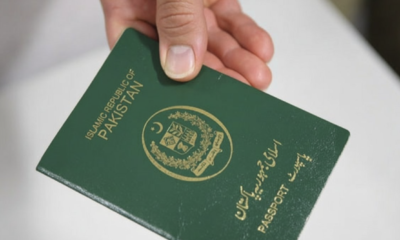
Pakistani expatriates in the UAE can now enjoy enhanced digital security when managing their national identity documents, thanks to a new biometric verification feature introduced in the Pak ID mobile application by Pakistan’s National Database and Registration Authority (NADRA).

The app, widely used by overseas Pakistanis to apply for Smart National Identity Cards and other official documents, now requires biometric authentication when users sign in from a new device. NADRA officials say the update is part of a broader initiative to safeguard personal data and prevent identity fraud.

Seamless ID Management – Now with Biometric Protection

The Pak ID app has been a game-changer for Pakistani citizens, especially for those living abroad. It allows users to apply for various types of identity cards and certificates, including the Smart National ID Card for Overseas Pakistanis, directly from their smartphones—eliminating the need for in-person visits to NADRA service centres.

With the latest upgrade, users will be prompted for biometric verification—such as a fingerprint scan—if they attempt to log in from a different device. NADRA has confirmed that this added security measure is designed to offer users an additional layer of protection.

“Biometric verification is now required when signing in from a new device,” the authority announced, adding that the move aims to enhance digital safety, especially for overseas users whose accounts may be more vulnerable to misuse.

Protecting User Data and Preventing Identity Theft

By integrating biometric security into the login process, NADRA aims to protect user accounts from unauthorised access, data breaches, and potential identity theft.

“Designed to protect citizens’ information, this new security feature helps prevent unauthorised access, identity theft, and misuse of Pak ID accounts,” NADRA said in a statement.

For the UAE’s large Pakistani expatriate community, the update comes as welcome news. Many rely on the Pak ID app to renew or apply for national ID documents, often without the convenience of visiting consular offices. The biometric feature ensures that their sensitive information is more secure than before.

With over 35 years of experience in journalism, copywriting, and PR, Michael Gomes is a seasoned media professional deeply rooted in the UAE’s print and digital landscape.

Education

Dubai schools to receive surprise KHDA inspections§

Published

on

Spread the love

Dubai’s private schools will face short-notice inspections from the 2026-27 academic year under a revamped quality assurance framework announced by the Knowledge and Human Development Authority (KHDA).

Under the new approach, schools will receive no more than 24 hours’ notice before inspectors arrive, marking a significant shift in how education quality is monitored across the emirate.

KHDA said the updated system will include two types of visits. Full inspections will be carried out by teams of specialist education experts, while shorter monitoring visits will focus on specific areas of school performance and quality assurance.

Return of formal inspection

The move signals the return of formal inspection activity after KHDA paused inspections during the 2025-26 academic year. At the time, the authority said the break would allow for greater collaboration with schools and a review of how educational quality is assessed and supported.

The new model aims to provide a more responsive and differentiated approach to evaluating schools, with visits designed to offer a clearer picture of day-to-day operations and educational standards.

Dubai’s private school sector serves hundreds of thousands of students across a wide range of international curricula, making quality assurance a key part of maintaining educational standards and supporting continuous improvement.

Further details on how the inspection and monitoring framework will operate are expected ahead of the 2026-27 academic year.

Continue Reading

Health

Dubai plans faster medical visas under new health tourism plan

Published

on

Spread the love

Patients travelling to Dubai for medical treatment could soon enjoy a faster and more seamless experience under a new partnership between the General Directorate of Identity and Foreigners Affairs (GDRFA Dubai) and the Dubai Health Authority (DHA).

The two entities have signed an agreement aimed at streamlining medical visa procedures and improving the patient journey from arrival to recovery.

Under the partnership, healthcare and residency services will be more closely integrated, making it easier for international patients to access treatment in Dubai. The initiative will also strengthen coordination between visa processing, healthcare providers and insurance systems.

A key focus is on enhancing digital integration between the two organisations, allowing medical visa applications to be processed more efficiently through the Dubai Health Experience network.

Officials said the collaboration could pave the way for future innovations, including a smart medical visa and proactive digital services designed to support patients throughout their treatment journey.

Lieutenant General Mohammed Ahmed Al Marri, Director General of GDRFA Dubai, said the partnership reflects Dubai’s vision of creating connected government services that put people first.

Meanwhile, Dr Alawi Sheikh Ali, Director General of the DHA, said health tourism is about more than medical care, adding that accessibility, convenience and quality of service are equally important parts of the patient experience.

The initiative supports Dubai’s broader ambitions to strengthen its position as a global healthcare and medical tourism destination while delivering faster, smarter and more integrated services for visitors seeking treatment in the emirate.

Continue Reading

News

Dubai issues new rules governing camera use, recordings and privacy protection

Published

on

Spread the love

Dubai has introduced a comprehensive new framework regulating the use of cameras during the documentation of violations and the execution of judicial judgments, decisions and orders, placing a strong emphasis on privacy protection, transparency and secure handling of recorded data.

The resolution, issued by Dubai Crown Prince Sheikh Hamdan bin Mohammed bin Rashid Al Maktoum, establishes clear rules on where recordings can take place, how footage must be managed and the responsibilities of both government entities and enforcement officers.

Strict limits on where recording is allowed

One of the most significant aspects of the new resolution is its focus on safeguarding personal privacy.

Under the new rules, recording is strictly prohibited in locations considered highly private, including homes, places of worship, changing rooms and similar spaces where individuals have a reasonable expectation of privacy.

The resolution also requires that individuals be informed whenever a recording is taking place, reinforcing transparency and ensuring people are aware when camera equipment is being used during official procedures.

Mandatory training for officers

Officials authorised to use body cameras must undergo specialised training before being granted judicial enforcement powers.

The training programme will cover legal and ethical responsibilities, privacy protection requirements, proper documentation of violations, enforcement procedures and the secure handling, storage and transfer of recorded footage.

Authorities say the objective is to ensure officers understand both the operational and privacy implications of using recording devices in the course of their duties.

Secure storage and data protection

The resolution introduces strict standards for the storage and management of recordings.

All footage must be stored electronically using encrypted systems designed to prevent unauthorised access, misuse, tampering or data breaches.

Government entities are required to comply with relevant Dubai laws as well as cybersecurity standards established by the Dubai Electronic Security Centre. These requirements cover information security, data retention, access controls and business continuity procedures.

Responsibilities of government entities

Under the new framework, government organisations must:

  • Store all recordings securely in electronic systems.
  • Maintain the confidentiality of recorded material.
  • Ensure footage is only accessed, shared or used with written authorisation and for approved purposes.
  • Create and maintain databases identifying authorised users and their access privileges.
  • Ensure employees and authorised personnel comply with privacy protection standards.
  • Provide appropriate training before officers receive enforcement authority.

Rules for officers using cameras

The resolution also outlines clear obligations for enforcement personnel.

Officers must:

  • Use recording devices solely for official duties.
  • Follow instructions issued by their government entity.
  • Maintain strict confidentiality regarding recorded material.
  • Share recordings only with authorised parties or their respective government authority.

Importantly, officers are prohibited from copying, storing or transferring recordings onto personal devices or unauthorised systems. They are also forbidden from using footage for personal purposes or any activity outside the scope of their official responsibilities.

Private contractors also covered

The regulations extend beyond government departments and also apply to private companies contracted to provide services related to enforcement activities.

These organisations must comply with the same privacy, security and confidentiality requirements established under the resolution.

The resolution takes effect immediately following its publication in the Official Gazette, with government entities expected to implement the necessary procedures and compliance measures within their respective areas of responsibility.

Continue Reading

Popular

Exit mobile version
https://headline.ae/