Connect with us

News

Upgraded VAR for offside at World Cup 2022 after trials in UAE and Qatar

Published

on

Spread the love

The Aspire Dome Stadium in Doha, Qatar

Qatar 2022 will be the first FIFA men’s World Cup to use semi-automated offside technology as part of a wider innovation plan at the tournament.

FIFA says the new system will offer “a support tool for the video match officials and the on-field officials to help them make faster, more accurate and more reproducible offside decisions on the biggest stage of all”.

The tech was tested at the 2021 FIFA Arab Cup and 2021 FIFA Club World Cup ahead of being rolled out later this year.

Off-pitch officials will receive potential onside/offside alerts, with decisions evaluated away from the action before being communicated to the on-pitch referee to make a final decision.

Fans will also be shown how and why decisions are made via 3D animations on screen inside the stadiums with television viewers provided with an explanation.

The technology is more complex than current VAR and provides more ‘eyes’ on the action to give referees greater help.

Twelve dedicated tracking cameras — mounted in the stadium roof — will track the ball in play, and up to 29 data points will be placed on each player, 50 times per second, calculating their exact position on the pitch.

Those data points will map each relevant point on a player’s body, which can be considered active, to create a full picture of an offside call.

Alongside this, extra cameras will pinpoint player positions, and moving images of their bodies, while the new World Cup match ball will also play a role.

Each Al Rihla Official World Cup match ball will have a sensor placed inside it to send data to the video operation room 500 times per second to accurately assess the point the ball is struck.

Information on the selected kick point from the in-ball sensor, together with data points from cameras, provides an instant picture of the offside scenario to the officials in the video team and allows for a faster decision to be made.

Watch the explainer video:

News

Dubai introduces Dh50-per-hour parking at Palm Jumeirah: All you need to know about the new charges

Published

on

Spread the love

Motorists visiting Palm Jumeirah in Dubai will now have to pay Dh50 per hour to park in a newly introduced VIP street parking zone near some of the city’s most luxurious hotels, including Atlantis The Palm and Atlantis The Royal.

Private parking operator Parkonic introduced the new paid parking facility in zone P118 on November 4, 2026. The charges apply 24 hours a day, seven days a week, including weekends and public holidays.

With a rate of Dh50 per hour, the new parking zone could be among the most expensive street parking locations in Dubai.

The new VIP parking zone is located along Crescent Drive, close to some of Dubai’s best-known luxury resorts.

According to Parkonic, the Dh50 hourly tariff applies to parking zone P118. Motorists must pay for every hour or part of an hour they use the parking space.

The charges apply to all vehicles, including those registered to People of Determination (POD).

How to pay Dh50 parking charges

Motorists using the Palm Jumeirah VIP parking zone can pay through two methods:

  • SMS Parking: Drivers can send an SMS by following the payment instructions displayed on the parking signs at the location.

  • Salik Automatic Payment: If an SMS parking session is not activated, the parking fee can automatically be deducted from the vehicle’s Salik account when it exits, subject to Salik’s terms and conditions.

Vehicles without a Salik account, or those with insufficient balance, must use SMS parking to complete the payment.

Applicable SMS charges may also apply.

Parkonic has clarified that cash payments, parking machines and QR code payments are not available at this location.

How to avoid paying Dh50?

Motorists looking for cheaper parking options around Palm Jumeirah can consider nearby parking zones.

For example, parking zone P108, located close to the VIP zone, reportedly continues to charge Dh10 per hour.

This provides a more affordable alternative for visitors who do not need to park directly outside the luxury hotels.

Another option is to use Dubai’s public transport network.

The Palm Monorail offers convenient connections across Palm Jumeirah, including access to Atlantis Aquaventure. Ticket prices generally range from Dh5 to Dh20, depending on the journey and ticket type.

Using public transport can help visitors avoid expensive parking charges, particularly during busy tourist periods.

What happens if you do not pay the parking fee?

The Palm Jumeirah VIP zone operates through a ticketless parking system, where vehicle registration numbers are used to track parking sessions.

Parking fees are calculated according to the time spent in the parking space, with every hour or part of an hour charged at the applicable rate.

Motorists should check the parking signs carefully and ensure that their payments are completed to avoid possible parking penalties.

Continue Reading

Education

Dubai announces Eid Al Etihad holidays for schools, universities and nurseries

Published

on

Spread the love

The Dubai Government Human Resources Department has declared the Eid Al Etihad holiday dates for Dubai’s private schools, higher education institutions and early childhood centres.

Dubai’s private schools and higher education institutions will be closed from Wednesday, December 2 to Friday, December 4, for Eid Al Etihad. Classes and normal operations will resume on Monday, December 7, 2026.

Dubai’s early childhood centres will be closed from Wednesday, December 2 to Thursday, December 3, 2026. Depending on the needs of the families and communities they serve, centres may also close on Friday, December 4. Normal operations will resume on Monday, December 7, 2026.

Continue Reading

News

Etihad and flydubai extend flight cancellations to Saudi Arabia

Published

on

Spread the love

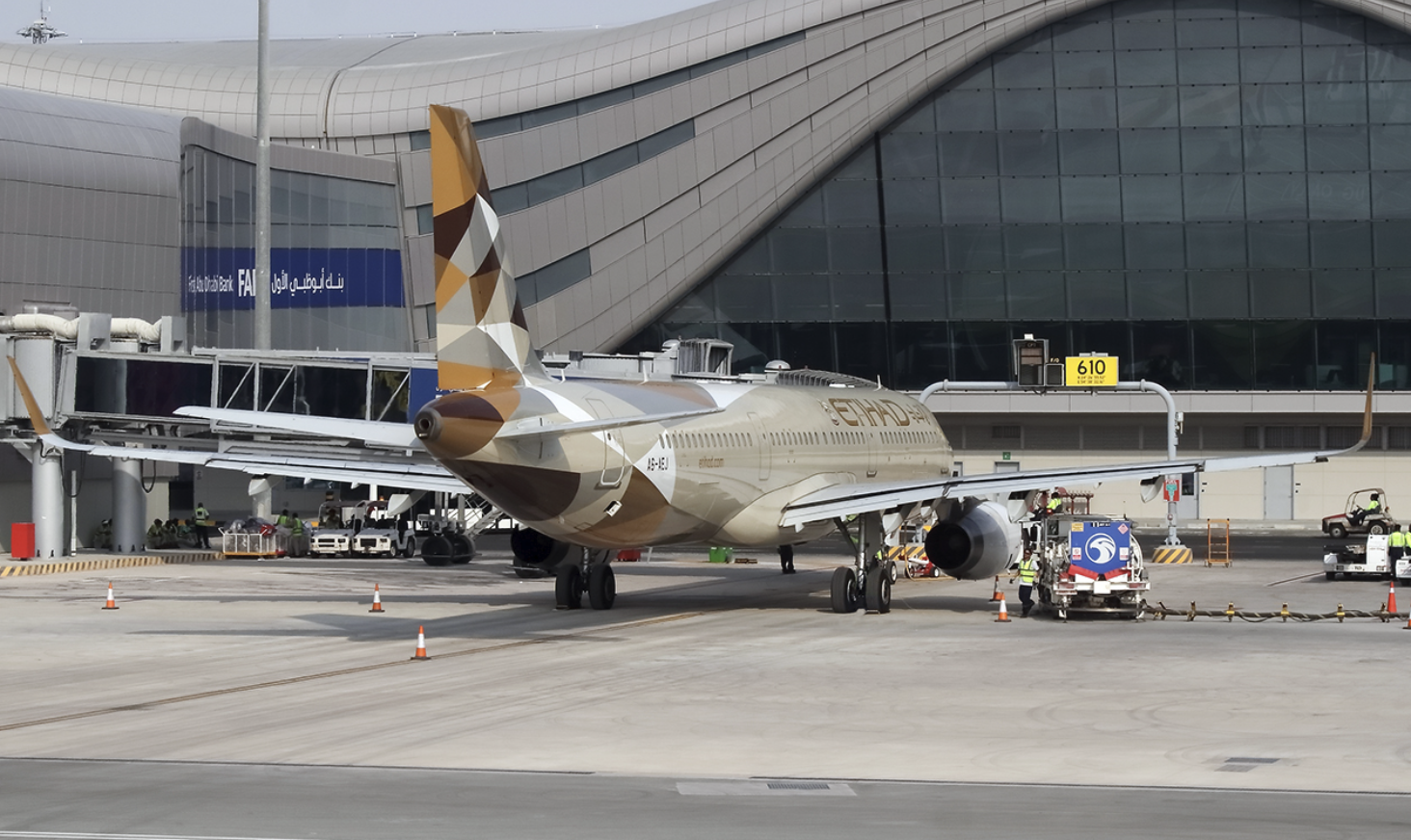
Etihad Airways and flydubai have extended flight cancellations and schedule changes affecting services between the UAE and several cities in Saudi Arabia due to ongoing regional developments.

According to reports, flydubai has cancelled flights from Dubai to Riyadh and Abha until November 27. Services to Dammam are also operating on a reduced schedule.

Meanwhile, Etihad Airways has announced that all passenger and cargo flights from Abu Dhabi to Riyadh and Dammam will remain suspended until November 30.

However, the airline confirmed that its other services between Abu Dhabi and Saudi Arabia are continuing to operate as planned.

Airlines monitoring the regional situation

Both airlines have said they are closely monitoring developments and will share further updates through their official communication channels.

Passengers travelling between the UAE and Saudi Arabia are advised to check their flight status before heading to the airport and stay in contact with their respective airlines for the latest information.

Why have the flights been suspended?

Flight disruptions on these routes began in early October following reported Houthi attacks targeting airports, civilians, civilian infrastructure and oil facilities in Saudi Arabia.


he latest cancellations come amid renewed attacks, which have forced airlines to revise their flight schedules. International carriers are also facing restrictions on routes across the Gulf region

Travellers planning journeys between the UAE and Saudi Arabia should check directly with Etihad Airways and flydubai for the latest updates before making their travel arrangements.

Continue Reading

Popular

Exit mobile version
https://headline.ae/