Connect with us

News

Saudi Arabia shortens Umrah visa validity: Here’s what pilgrims need to know

Published

on

Spread the love

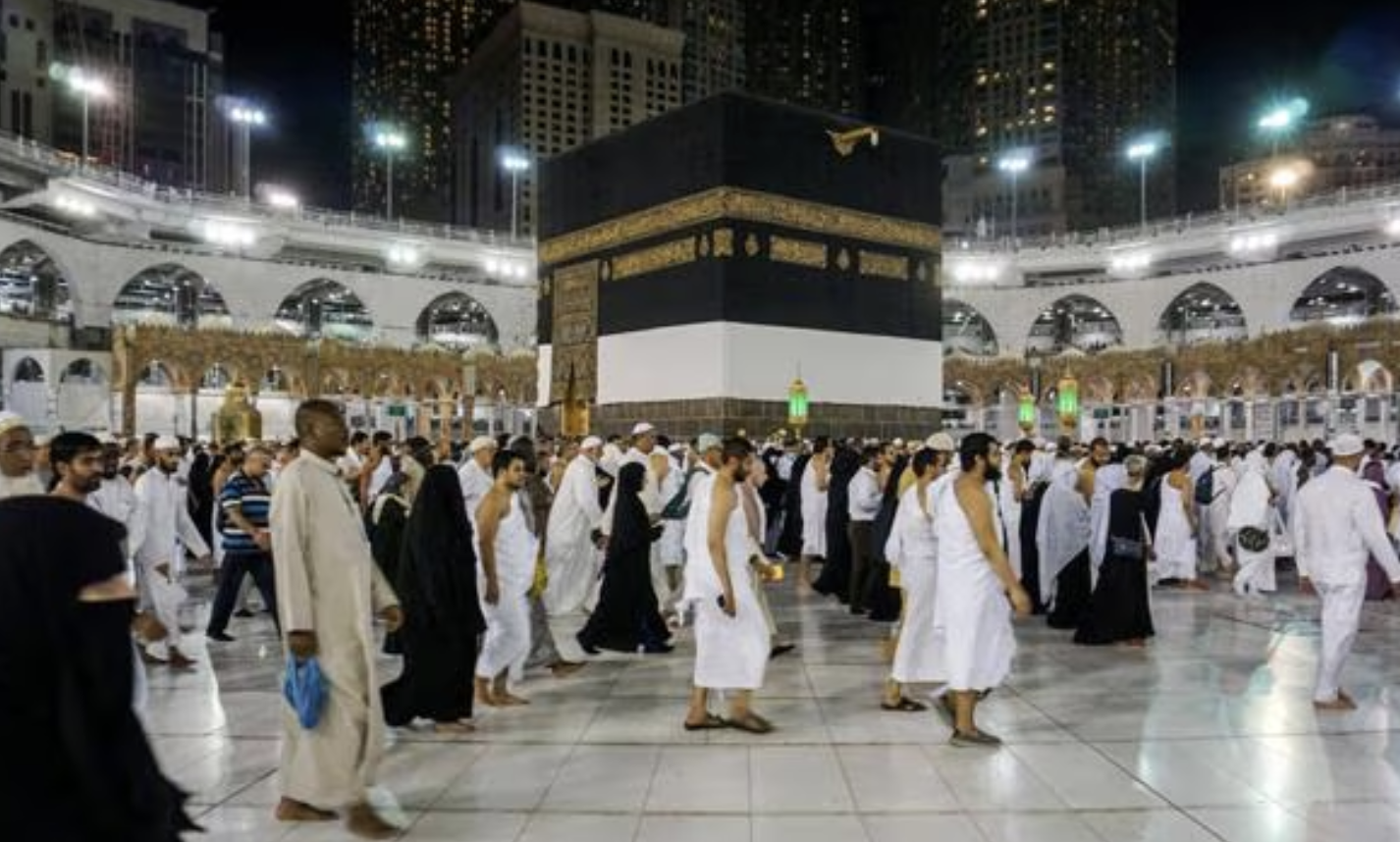
Saudi Arabia’s Ministry of Hajj and Umrah has announced an important update for Umrah pilgrims: the validity of the Umrah entry visa has been reduced from three months to one month from the date of issuance.

According to reports, the change will take effect next week. However, once a pilgrim enters the Kingdom, their stay validity remains three months, so the overall pilgrimage duration isn’t affected.

The move comes as part of efforts to streamline visa management and improve entry coordination during what is expected to be one of the busiest Umrah seasons yet.

Under the new rules, the Umrah visa will automatically be cancelled 30 days after issuance if it isn’t used to enter Saudi Arabia within that timeframe. Officials say this ensures smoother logistics as millions of pilgrims plan their journeys to Makkah and Madinah in the coming months.

Ahmed Bajaeifer, adviser to the National Committee for Umrah and Visit, told Al Arabiya the decision supports preparations for an anticipated surge in visitors, particularly during the cooler months when pilgrim numbers traditionally spike.

This season has already been a record-breaking one. According to the reports, over four million Umrah visas have been issued since June 2025, with more than 15 million pilgrims performing Umrah in the first half of the year alone.

In related updates, the Ministry recently confirmed that all visa types, including tourist, family visit, and work visas, now allow pilgrims to perform Umrah, as part of Saudi Vision 2030’s goal to make religious travel more accessible.

Pilgrims can also use the Nusuk Umrah platform to book packages, obtain permits, and plan their visits digitally.

With over 35 years of experience in journalism, copywriting, and PR, Michael Gomes is a seasoned media professional deeply rooted in the UAE’s print and digital landscape.

Business

What new UAE anti-money laundering measures mean for businesses

Published

on

Spread the love

The UAE is strengthening its crackdown on financial crime, with the National Committee for Anti-Money Laundering and Combating the Financing of Terrorism and Proliferation Financing approving a new set of measures to boost transparency and enforcement.

Announced after its latest meeting, chaired by Khaled Mohamed Balama of the Central Bank of the UAE, the updates aim to strengthen how authorities detect, investigate, and prevent illicit financial activity.

A key highlight is a new national guide on financial intelligence and money laundering investigations, which improves coordination between agencies and introduces updated procedures for tracking and recovering assets, including those linked to virtual assets.

The committee also approved risk assessments across financial institutions, virtual asset providers, and non-financial sectors, enabling more targeted enforcement and oversight.

Stricter compliance for businesses

For businesses in the UAE, the new measures mean stricter compliance requirements but also a more stable and trusted operating environment.

Companies, especially in finance, real estate, and emerging sectors like virtual assets, will need to strengthen due diligence, improve internal controls, and align with updated risk assessments and reporting standards set in coordination with the Central Bank of the UAE.

While this may increase operational oversight and compliance costs in the short term, it enhances transparency, reduces exposure to financial crime risks, and reinforces the UAE’s reputation as a secure global business hub, ultimately boosting investor confidence and long-term growth opportunities.

Additional updates include revised national risk assessments on proliferation financing and non-profit organisations, reinforcing a risk-based approach to regulation.

While largely behind the scenes, these changes play a key role in maintaining the UAE’s position as a secure and trusted global financial hub, something that directly impacts businesses, investors, and the wider expat community.

Officials say the measures mark a more advanced phase in the country’s regulatory framework, with stronger coordination and improved readiness to address evolving financial risks.

Continue Reading

News

UAE motorists to see new parking charges in Abu Dhabi neighbourhood

Published

on

Spread the love

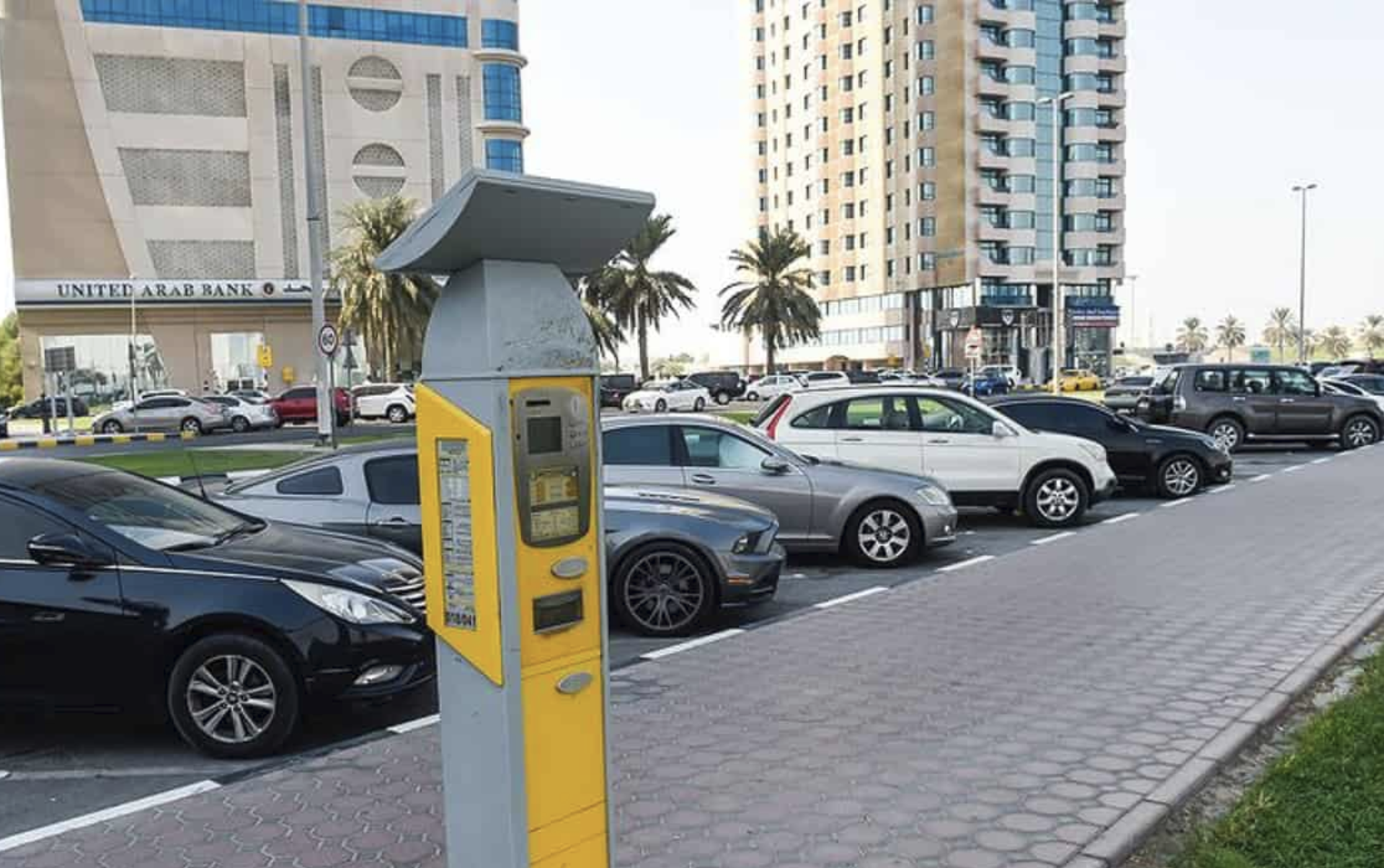
Motorists in Abu Dhabi’s Mohamed Bin Zayed City will soon need to factor in parking fees, as paid parking is set to roll out in additional commercial sectors starting May 6.

Under the new system, drivers will pay Dh2 per hour for standard parking in sectors ME9 and ME12, as part of ongoing efforts to improve traffic flow and accessibility in busy neighbourhood hubs.

The initiative is being implemented by Q Mobility under the supervision of the Integrated Transport Centre (ITC), reflecting a broader push to modernise urban mobility across the capital.

For many UAE residents and expats living in the area, the change marks a shift from previously free parking to a more structured system designed to reduce congestion and limit random parking, particularly around commercial and service outlets.

The rollout will cover more than 10,000 parking spaces, including 3,219 spaces in ME9 and 6,986 spaces in ME12, along with designated spots for People of Determination.

To make the transition easier, motorists can pay through multiple digital channels, including apps like Darb and TAMM, as well as SMS and on-site payment machines, offering flexibility for residents who rely on different payment methods.

Authorities say the system is designed to support local businesses by improving access to shops and services, making it easier for customers to find available spaces.

Continue Reading

News

UAE mandates better housing, healthcare, and safety for workers

Published

on

Spread the love

The UAE is stepping up efforts to improve worker welfare, as the Ministry of Human Resources and Emiratisation (MOHRE) rolls out a comprehensive set of regulations governing labour accommodation across the country.

The new guidelines aim to raise living standards for workers, many of whom are part of the UAE’s diverse expat community, by introducing enhanced health, safety, and well-being measures, including mandatory free internet access in accommodation facilities.

Under the updated rules, employers are required to provide licensed and adequate housing or offer a housing allowance. Larger accommodations housing 1,000 workers or more must now include 24-hour medical clinics, along with recreational spaces and access to financial services.

The changes also place a stronger emphasis on mental well-being. Accommodation managers are expected to organise social and recreational activities during official holidays, helping workers stay connected and engaged outside of work.

Location planning is another key focus. Labour accommodations must be situated near industrial zones and transport networks, while maintaining safe distances from residential neighbourhoods and environmental risks.

In terms of daily living standards, the regulations outline clear requirements for cleanliness, proper lighting, sanitation, food preparation areas, and access to safe drinking water, as well as pest control and secure gas systems.

Emergency preparedness has also been reinforced. Employers must provide first aid rooms, isolation areas, and emergency response plans, while larger facilities are required to have on-site doctors, nurses, and ambulance services.

To ensure accessibility and transparency, workers must be given written guidance in multiple languages, explaining their rights, health and safety procedures, and how to contact authorities for support or to file complaints. This is complemented by clear emergency signage, evacuation plans, fire safety measures, and regular drills.

The ministry says these updates are part of a broader push to strengthen worker protection, ensure compliance, and enhance quality of life.

Continue Reading

Popular

Exit mobile version
https://headline.ae/