Connect with us

News

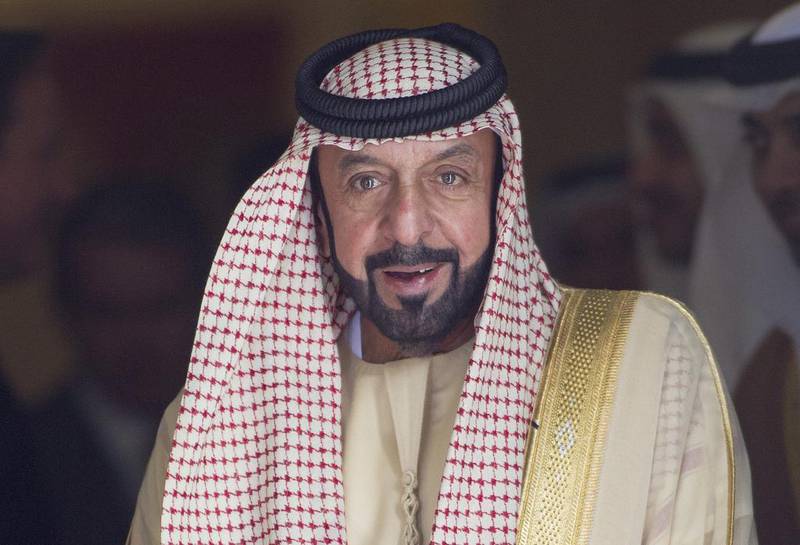
Sheikh Khalifa pardons 540 prisoners ahead of Ramadan

Published

on

Spread the love

UAE President His Highness Sheikh Khalifa bin Zayed Al Nahyan has issued directive to release 540 inmates from correctional and penal facilities. This comes ahead of the holy month of Ramadan.

It is part of the UAE President’s humanitarian initiatives to uphold tolerance and forgiveness.

The pardon is an opportunity for the inmates to change themselves and start their lives anew. It is also aimed at strengthening family ties.

News

Ramadan in Dubai: Here’s how much you’ll pay for Salik

Published

on

Spread the love

Ramadan is almost here, and while the official start date is still pending confirmation of the moon sighting, Dubai residents can already expect changes to daily life — including revised Salik toll charges.

Dubai’s toll gate operator has announced updated Salik pricing for the holy month of Ramadan, reflecting shifts in traffic patterns, shorter working hours and adjusted school timings.

If you regularly drive through the Salik gates, here’s exactly what you’ll pay during Ramadan 2026.

Salik Charges During Ramadan

Monday to Saturday

  • Peak hours (9am to 5pm): Dh6
  • Low-peak hours (7am to 9am and 5pm to 2am): Dh4
  • Off-peak hours (2am to 7am): Free

Sundays (except public holidays and major events)

  • Peak hours (9am to 5pm): Dh4
  • Low-peak hours (7am to 9am and 5pm to 2am): Dh4
  • Off-peak hours (2am to 7am): Free

Why Salik Prices Change in Ramadan

During Ramadan, working hours across the UAE are reduced, school timings shift, and public transport schedules are adjusted. As a result, traffic flows change significantly compared to the rest of the year.

The revised Salik toll rates are designed to:

  • Manage congestion during peak daytime hours
  • Reflect reduced traffic in early morning hours
  • Improve overall traffic flow across Dubai

With the UAE’s Moon Sighting Committee set to meet soon, Ramadan is expected to begin on either Wednesday or Thursday, depending on crescent visibility.

For regular commuters, it’s worth planning your travel times, especially if you’re looking to avoid peak Dh6 charges.

Continue Reading

News

Dubai residents to get faster commutes as RTA launches trackless tram and expands dedicated bus lanes

Published

on

Spread the love

Dubai residents could soon see shorter travel times and smoother journeys as the Roads and Transport Authority (RTA) rolls out a new trackless tram system and expands dedicated bus and taxi lanes across the city.

The ambitious transport upgrade is designed to make commuting faster, safer and more sustainable.

What Is Dubai’s Trackless Tram?

The new trackless tram is an autonomous, electric-powered transit system that runs on virtual tracks rather than fixed rails. Using cameras, optical navigation, GPS and LiDAR technology, the tram follows painted road markings with high precision.

Unlike traditional tram systems, it requires no heavy rail infrastructure, making it quicker and more cost-effective to implement.

The tram will operate across eight locations in Dubai and feature:

  • Three carriages with a capacity for up to 300 passengers
  • A top speed of 70km/h
  • Operational speeds between 25–60km/h
  • A range of up to 100km on a single charge

Powered by artificial intelligence, the system can detect obstacles and adjust its route in real time, adding a new dimension to Dubai’s smart mobility network.

Dedicated Bus and Taxi Lanes to Expand

Alongside the tram rollout, RTA is adding six new dedicated bus and taxi corridors covering 13km, increasing the total network to 20km across Dubai.

The expansion is expected to:

  • Cut bus journey times by 41%
  • Improve on-time performance by 42%
  • Increase ridership by 10%

Officials say the move will encourage more residents to shift from private cars to public transport, helping ease congestion and reduce emissions.

Rising Demand for Public Transport in Dubai

Dubai’s public transport system recorded 802 million riders in 2025, marking a 7.4% increase compared to 2024. The introduction of the trackless tram supports Dubai’s long-term goal of building a seamless, high-capacity and sustainable transport ecosystem.

For residents, it means faster commutes and more reliable transport options.

Continue Reading

Education

What UAE parents need to know about upcoming social media rules for children

Published

on

Spread the love

The UAE’s Education, Human Development, and Community Development Council is working on a new regulatory framework to govern children’s use of social media, as part of broader efforts to create a safer and more balanced digital environment for future generations.

The initiative was discussed during a council meeting chaired by Sheikh Abdullah bin Zayed Al Nahyan, Deputy Prime Minister, Minister of Foreign Affairs and Chairman of the Council.

Sheikh Abdullah said that regulating children’s use of social media is a national responsibility that requires clear and structured frameworks aligned with rapid technological advancements. He emphasised that these frameworks must be robust enough to protect young users while keeping pace with ongoing digital transformation.

Age-based regulations under review

According to the council, the next phase will involve careful evaluation through a phased, risk-based implementation strategy. This includes introducing age-based access regulations tailored to the developmental needs of different age groups.

The proposed approach aims to balance regulation with empowerment, ensuring children can benefit from modern technologies while being safeguarded from potential risks.

Cross-sector coordination

Sheikh Abdullah highlighted the importance of strengthening community awareness and enhancing coordination among stakeholders. The framework is expected to involve collaboration across social, technical, educational, security, media and health sectors to ensure an integrated and effective approach.

Officials said the initiative is part of wider national efforts to promote digital safety for children. Discussions also covered the development of education policies and curricula, as well as the results of students’ standardised assessments.

The council underscored the need for responsible digital engagement, stressing that future policies must combine appropriate safeguards with education and awareness to support children’s well-being in an increasingly connected world.

Continue Reading

Popular

Exit mobile version
https://headline.ae/