Connect with us

News

Sssshhh! Dubai’s silent radars are watching

Published

on

Spread the love

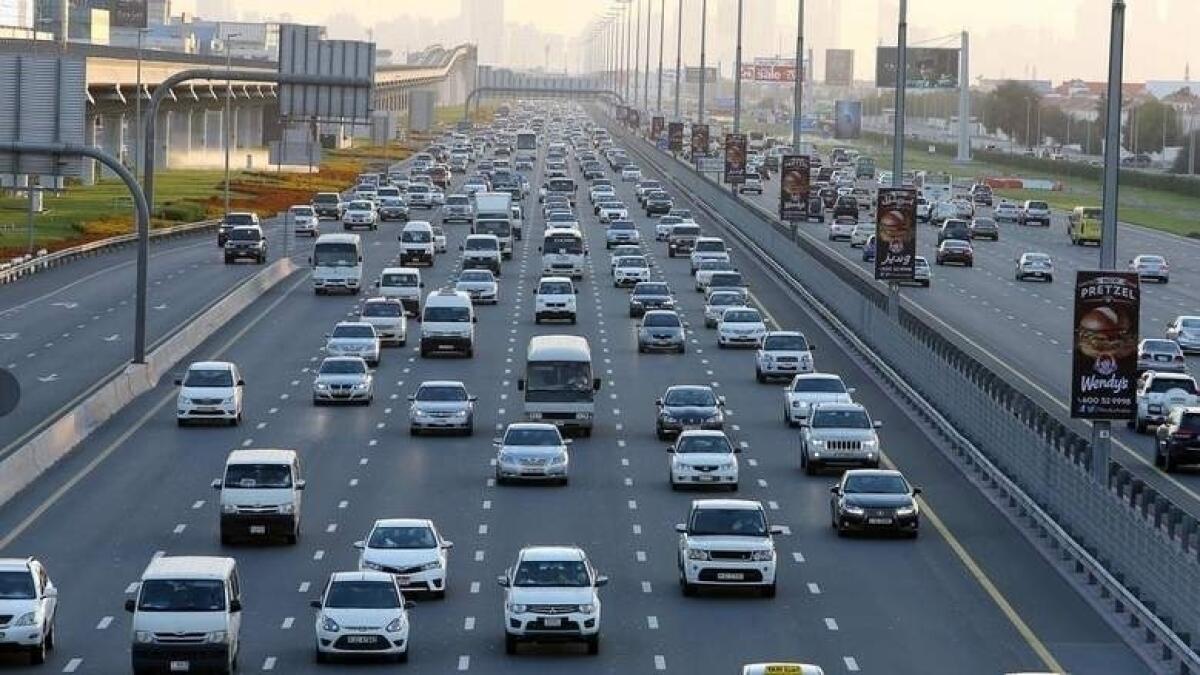
Dubai is taking a groundbreaking step to enhance road safety with the introduction of ‘silent radars’ designed to catch traffic violations in residential areas. This innovative initiative aims to protect communities by monitoring and addressing reckless driving without disrupting the tranquillity of neighbourhoods.

Enhancing Road Safety Quietly

The Roads and Transport Authority (RTA) of Dubai has announced the deployment of these advanced radars, which operate without the traditional flashing lights or loud sirens commonly associated with traffic enforcement. This technology promises to capture violations such as speeding, running red lights, and illegal lane changes discreetly, ensuring that residential areas remain peaceful while maintaining rigorous traffic law enforcement.

Advancing Technology

The silent radars employ state-of-the-art sensors and high-definition cameras to detect and record traffic offences. These devices are strategically placed in residential zones known for high traffic volumes or frequent violations, providing a silent sentinel that keeps a vigilant watch over the community. The data collected by these radars will be used to issue fines and warnings to offending drivers, encouraging safer driving habits without the intrusive presence of traditional radar systems.

Community Impact

Residents in various neighbourhoods have expressed relief and optimism regarding the implementation of silent radars. Many believe this move will significantly reduce incidents of reckless driving, making streets safer for pedestrians, especially children and the elderly. The silent nature of the radars ensures that while law enforcement is strengthened, the serene atmosphere of residential areas is preserved.

Authorities’ Perspective

According to the RTA, the silent radar system is part of a broader strategy to leverage technology for improving public safety. “Our goal is to create safer communities without compromising the peace and quiet that residents value,” said an RTA spokesperson. “Silent radars are a testament to our commitment to innovative solutions that balance effective law enforcement with community well-being.”

Future Prospects

As Dubai continues to grow and evolve, the implementation of silent radars is just one of many steps the city is taking to enhance traffic management and road safety. Authorities are exploring further innovations and technological solutions to keep pace with the demands of a dynamic urban environment.

In conclusion, the deployment of silent radars in residential areas marks a significant advancement in Dubai’s traffic enforcement strategy. By combining cutting-edge technology with a commitment to public safety, the city is ensuring that its roads are safer for everyone, making Dubai a model of modern urban living.

With 20 years of experience across print, TV, and digital journalism, Sudhashree is a seasoned media professional with a keen eye for news. A true news bug, she thrives on curating stories that capture the pulse of fashion, film, and all things trending. Deeply immersed in the fast-evolving media landscape, she swears by the power of social media to shape narratives and spark conversations.

Food

Abu Dhabi to ban junk food from supermarket checkouts and entrances 

Published

on

Spread the love

Shoppers in Abu Dhabi will soon see fewer chocolates, crisps, sugary drinks and other unhealthy snacks at supermarket entrances, checkout counters and other high-visibility locations under a new policy aimed at encouraging healthier eating habits.  

From January 1, 2027, supermarkets larger than 4,000 square feet and online grocery platforms will no longer be allowed to prominently display food and drinks classified as high in fat, salt and sugar (HFSS) under the Abu Dhabi Public Health Centre’s SEHHI nutrition classification system.

The initiative, led by Healthy Living in collaboration with the Abu Dhabi Registration Authority (ADRA) and supported by several government entities, is designed to make healthier choices easier without restricting what people can buy.

Under the new rules, HFSS products cannot be displayed at store entrances, end-of-aisle promotions or checkout areas. Online retailers must also remove these products from homepage promotions, search recommendations, pop-up advertisements and checkout pages.

Authorities stressed that the products are not being banned. They will remain available in their usual aisles, allowing shoppers to purchase them while reducing impulse buying driven by prominent placement.

Officials said the policy is based on behavioural science and international best practices to create shopping environments that naturally encourage healthier decisions.

Retailers across Abu Dhabi are preparing for the changes ahead of the mandatory deadline, with some stores already implementing the new placement standards across their stores in the emirate.

The initiative forms part of Abu Dhabi’s wider preventive health strategy, which focuses on reducing lifestyle-related diseases by embedding healthier choices into everyday life.

Continue Reading

Announcements

August fuel rates announced: UAE petrol prices go up

Published

on

Spread the love

UAE motorists will pay more at the pump from Saturday after the UAE Fuel Price Committee announced higher petrol and diesel prices for August 2026.

The revised rates, which take effect from August 1, are:

  • Super 98: Dh3.60 per litre (up from Dh3.40)
  • Special 95: Dh3.49 per litre (up from Dh3.29)
  • E-Plus 91: Dh3.41 per litre (up from Dh3.21)
  • Diesel: Dh3.80 per litre (up from Dh3.60)

The increase reverses July’s price reduction and comes after volatility in global oil markets during the past month.

The UAE Fuel Price Committee reviews retail fuel prices at the end of each month, with rates determined in line with movements in international oil markets.

The new prices will remain in effect throughout August 2026.

Continue Reading

Education

Emirates recruits UAE students to turn retired aircraft into new products

Published

on

Spread the love

Emirates Engineering has launched a new programme giving UAE university students the chance to transform retired aircraft materials into innovative products while gaining hands-on experience with the airline’s engineering teams.

Called Material Futures Studio, the six-week initiative is led by Emirates Engineering’s Upcycling department. It aims to inspire the next generation of aviation engineers by challenging students to find creative new uses for materials recovered from retired aircraft.

The first edition brings together 23 students from Khalifa University, Emirates Aviation University and the University of Sharjah.

Students began the programme with an orientation session and a behind-the-scenes tour of Emirates Engineering’s facilities in Dubai, where they met senior leaders, explored aircraft maintenance operations and visited the airline’s upcycling workshop to see how retired aircraft materials are already being turned into new products.

How the programme works

Over six weeks, participants will develop concepts and prototypes using materials recovered from retired aircraft, with guidance from Emirates Engineering specialists throughout the design and development process.

The programme will conclude with a showcase where students present their final ideas and prototypes.

According to Emirates, the initiative is designed to bridge the gap between academia and industry by giving students practical engineering experience while enabling the airline to tap into fresh ideas and emerging talent.

Part of Emirates’ sustainability efforts

Material Futures Studio builds on Emirates’ wider sustainability strategy and its multi-billion-dollar aircraft retrofit programme.

The airline is currently refurbishing 219 Airbus A380 and Boeing 777 aircraft, one of the largest retrofit projects in the aviation industry. Rather than discarding materials removed during the upgrades, Emirates Engineering has been repurposing them into new products through its in-house upcycling projects.

These include the Aircrafted by Emirates collection of limited-edition luggage, bags and accessories made from reclaimed aircraft materials, as well as Aircrafted KIDS, which transforms retired aircraft fabrics into backpacks for children. Emirates says more than 4,000 backpacks have already been donated to children in 11 countries.

Continue Reading

Popular

Exit mobile version
https://headline.ae/