Connect with us

Weather

Stay safe on the roads with these essential driving tips

Published

on

Spread the love

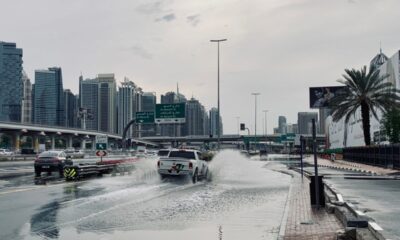
The wet season has arrived in the UAE, bringing light to moderate rainfall across the country. While the cooler temperatures are welcome, wet roads can create hazardous driving conditions. Authorities have issued safety warnings, urging motorists to take extra precautions. The Met Office has forecast rain, humidity, and rough seas in several regions.

To ensure a safe journey during rainy weather, follow these essential driving tips:
Stay Alert and Focused
Always remain vigilant and anticipate potential mistakes from other drivers.
Avoid distractions—do not use your mobile phone or adjust the radio while driving.
Keep both hands on the steering wheel and your eyes on the road at all times.

Use Lights Correctly
Drive with headlights on low beam; high beams can reduce visibility in wet conditions.
Avoid using hazard lights unless there’s an emergency or extremely poor visibility.

Check Your Vehicle’s Condition
Brakes: Ensure they are in top condition. Wet roads can make them less effective, so have them inspected if you notice squeaking or reduced responsiveness.
Tyres: Check tyre tread and air pressure—worn-out tyres increase the risk of skidding.
Windshield Wipers: Replace hardened or worn-out wiper blades to maintain clear visibility.

Drive Cautiously in Wet Conditions
Avoid flooded areas and valleys, as water levels can rise quickly.
Reduce speed to improve traction and control. Wet roads make it harder to stop suddenly.
Keep a safe following distance to allow enough reaction time in case of sudden stops.
Prevent windshield fogging by adjusting cabin air settings to allow fresh air circulation.
Avoid sharp turns, sudden braking, and overtaking, as they increase the risk of skidding. If your vehicle starts to lose control, reduce speed gradually and stay on course—avoid sudden steering movements.

By following these guidelines, motorists can navigate the wet weather safely and reduce the risk of accidents. Stay cautious, drive responsibly, and keep an eye on weather updates for changing road conditions.

With over 35 years of experience in journalism, copywriting, and PR, Michael Gomes is a seasoned media professional deeply rooted in the UAE’s print and digital landscape.

Weather

UAE weather alert: Afternoon rain forecast as heat and dust continue

Published

on

Spread the love

The UAE is set for another spell of unsettled summer weather, with the National Centre of Meteorology (NCM) forecasting afternoon rain, strong winds and blowing dust across parts of the country until Friday.

According to the NCM, local convective clouds are expected to develop over eastern and southern areas during the afternoons, bringing rainfall of varying intensity.

The weather pattern is being driven by the northward movement of the Intertropical Convergence Zone (ITCZ), combined with an upper-level trough extending from the east and a surface low-pressure system from the south. Moisture from the Sea of Oman, rising temperatures and the influence of the eastern mountains are all contributing to the unstable conditions.

Temperatures are expected to remain extremely high, with inland areas continuing to see highs close to 50°C.

Winds will be moderate south-easterly to north-easterly, becoming fresh to strong at times, especially around convective clouds. Gusts could lift dust and sand, reducing visibility in exposed areas.

Despite the unsettled weather, sea conditions are expected to remain slight to moderate in both the Arabian Gulf and the Sea of Oman.

Residents in affected areas are advised to stay updated with the latest NCM forecasts, drive carefully during dusty conditions and take precautions when thunderstorms develop.

Continue Reading

Weather

UAE to see more summer rain as unstable weather continues

Published

on

Spread the love

The UAE is set for another day of unsettled summer weather, with the National Centre of Meteorology (NCM) forecasting rain, strong winds and blowing dust across parts of the country.

According to the NCM, convective clouds developing over the eastern mountains are expected to spread into some inland areas, bringing rainfall during the day.

What to expect today

  • Rain: Eastern and inland areas.
  • Winds: Light to moderate, becoming fresh to strong at times, with speeds of up to 45km/h.
  • Dust: Blowing dust and reduced visibility in exposed inland and mountainous areas.
  • Sea conditions: Slight in both the Arabian Gulf and the Oman Sea.

Temperatures

  • Inland: 43°C to 48°C
  • Coastal areas and islands: 37°C to 42°C
  • Mountains: 31°C to 37°C

The current weather pattern is linked to a surface low-pressure system extending from the east, supported by an upper-air low-pressure system.

Rains ahead

The NCM said the unstable weather is expected to continue through Saturday, with more convective cloud formation likely over eastern and southern parts of the UAE, bringing further chances of rain.

Temperatures are forecast to rise slightly from Thursday, while occasional fresh winds are expected to continue.

Continue Reading

Weather

Why the UAE feels hotter than the weather forecast this summer

Published

on

Spread the love

Residents in the UAE should be prepared for extreme heat this week as temperatures are expected to soar to as high as 49°C, according to the National Centre of Meteorology (NCM).

On Monday, coastal areas are forecast to record highs between 40°C and 46°C, while inland regions could see temperatures climbing to 49°C. Although coastal temperatures are expected to ease slightly later in the week, inland areas will continue to experience intense heat, with highs ranging from 41°C to 47°C.

The NCM said skies will remain partly cloudy throughout the week. Light to moderate winds are expected, occasionally strengthening and reaching speeds of 35km/h to 40km/h.

Humidity is also forecast to rise on Thursday morning, especially in coastal and inland areas, adding to the uncomfortable conditions despite fair to partly cloudy skies.

Over the weekend, the UAE recorded a scorching 48.2°C in Madinat Zayed, Al Dhafra Region, at 2:45pm on Sunday, highlighting the intensity of this year’s summer heat.

Why does it feel hotter?

According to Emirati astronomer Ibrahim Al Jarwan, summer in the UAE and across the Arabian Peninsula stretches from June to the end of August, with temperatures typically peaking during July and August.

While July is usually the hottest month, August often feels even more uncomfortable due to rising humidity levels.

High humidity, particularly in coastal areas, makes the air feel much hotter than the actual temperature. As moisture increases during the second half of summer, the body struggles to cool itself efficiently, resulting in a higher ‘feels like’ temperature.
The intense heat is also being fuelled by moderate El Nino conditions, which the NCM had earlier predicted as having a 99% chance of persisting through December. Although El Nino develops in the Pacific Ocean, it influences global weather patterns, contributing to near-to-above-average temperatures across the UAE. These conditions could pave the way for more active autumn weather systems, increasing the likelihood of cloud formation and rainfall later in the year.

Continue Reading

Popular

Exit mobile version
https://headline.ae/