

News
Teams for first Global Chess League take shape after player draft




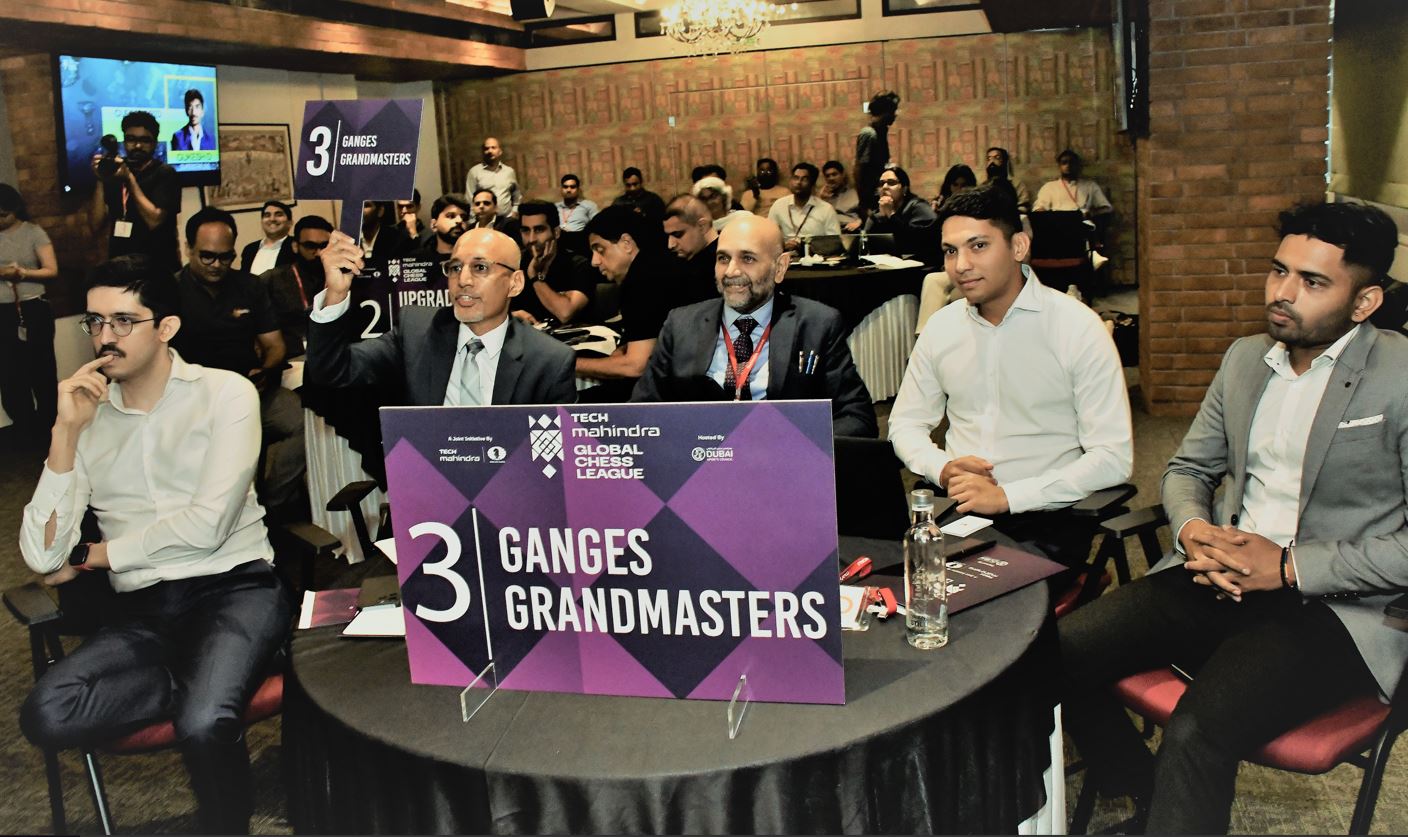
The first Global Chess League player draft saw women’s top-ranked Grandmaster Hou Yifan become the star pick in a pool of 36 after the bidding process in Mumbai. The highly anticipated six-team tournament is scheduled to take place from June 21 to July 2 at the Dubai Chess and Culture Club, in association with the Dubai Sports Council.
A day after the owners of the six franchises were announced, the cream of world’s chess players – Yifan, Magnus Carlsen, Viswanathan Anand, Ding Liren and others – were picked from a purse of 1,000 points for each team. A joint venture between Tech Mahindra and FIDE, the GCL has captured the attention of chess enthusiasts worldwide, and where each team have players across four categories: Icon, Superstars Men, Superstars Women, and Prodigy. The Icon players were selected based on a preferential draft system.
Magnus Carlsen, the five-time World Chess Champion and the top-ranked player in the world was selected by SG Alpine Warriors. A five-time World Chess Champion, Viswanathan Anand, joined the Ganges Grandmasters. The current World Champion, Ding Liren was drafted by Triveni Continental Kings. Other notable selections included Grandmaster Jan-Krzysztof Duda by Chingari Gulf Titans and Grandmaster Ian Nepomniachtchi by Balan Alaskan Knights. Maxime Vachier-Lagrave joined upGrad Mumba Masters as their Icon player.
Yifan attracted the highest points’ bid across men and women categories when Ganges Grandmasters picked her for 470 points. “I am looking forward to being on the same team as Viswanathan Anand and also to have the likes of Richárd Rapport, Leinier Domínguez, Bella Khotenashvili, and Andrey Esipenko on our team,” she said.
upGrad Mumba Masters picked up the Indian pair of Koneru Humpy and Harika Dronavalli at 360 and 330 points, respectively. Praggnanandhaa R became the highest-bid player among the U21 Prodigy category, won by SG Alpine Warriors at 290 points. Andrey Esipenko went to Ganges Grandmasters in a lucky draw after receiving an equal point bid by Triveni Continental Kings, who got Jonas Buhl Bjerre eventually.
ALSO READ: Carlsen excited about Global Chess League
“From being on opposite sides of the table with most players to being on the same team, I am excited to meet my teammates and see how we can make the most of this experience and apply it to future competitions,” said Praggnanandhaa.
To ensure the smooth progress of the tournament, there are 3 chess players who have been chosen as reserve players who will be assigned to the particular team in case, due to any unforeseen circumstances, the current squad member/s cannot participate.
My favourite chess piece.#TheBigMove #GCL #GlobalChessLeague#ChingariGulfTitans pic.twitter.com/Ta1Ulvj4lf
— Jan-Krzysztof Duda (@GM_JKDuda) June 7, 2023
The six teams will engage in a double round-robin format, playing a total of 10 matches. The matches will be decided using a best-of-six board scoring system, played simultaneously, adding an extra layer of excitement to the tournament. The top two teams will advance to the final on July 2, where the coveted title of World Champion Franchise Team will be awarded.
TEAMS
(Icon, Superstar Men (2), Superstar Women (2), Prodigy):
Balan Alaskan Knights: Ian Nepomniachtchi, Teimour Radjabov, Nodirbek Abdusattorov, Tan Zhongyi, Nino Batsiashvili, Raunak Sadhwani.
Chingari Gulf Titans: Jan-Krzysztof Duda, Shakhriyar Mamedyarov, Daniil Dubov, Alexandra Kosteniuk, Polina Shuvalova, Nihal Sarin.
Ganges Grandmasters: Viswanathan Anand, Richárd Rapport, Leinier Domínguez Pérez, Hou Yifan, Bella Khotenashvili, Andrey Esipenko.
SG Alpine Warriors: Magnus Carlsen, Gukesh D, Arjun Erigaisi, Elisabeth Pähtz, Irina Krush, Praggnanandhaa R.
upGrad Mumba Masters: Maxime Vachier-Lagrave, Vidit Gujrathi, Alexander Grischuk, Koneru Humpy, Harika Dronavalli, Javokhir Sindarov.
Triveni Continental Kings: Ding Liren, Wei Yi, Yu Yangyi, Kateryna Lagno, Nana Dzagnidze, Jonas Buhl Bjerre.








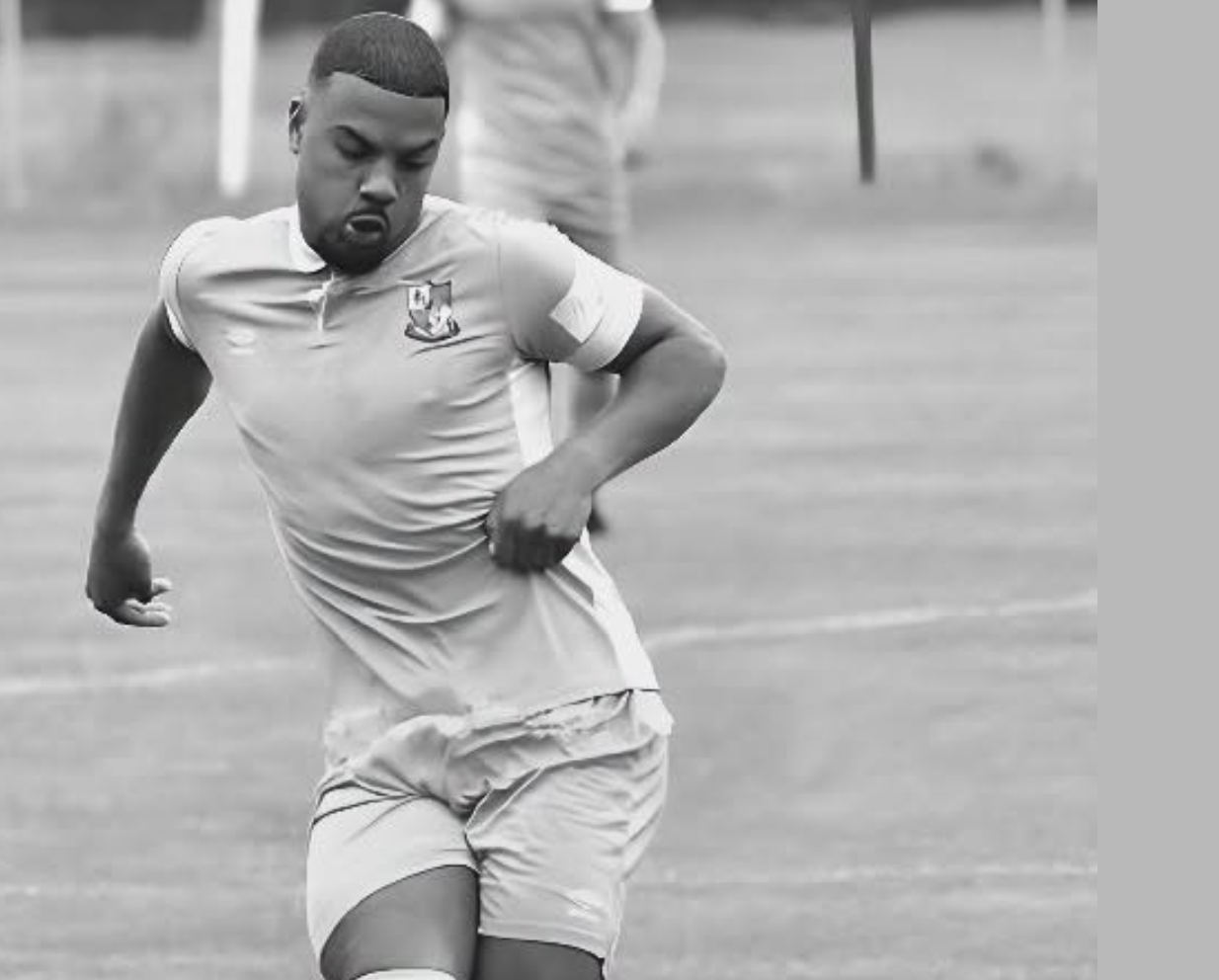
Tributes have poured in after the son of former Chelsea star Eddie Newton was found dead alongside his friend following a hike in the UAE, where temperatures soared to 50C.
Cassius Newton, 34, and his friend Aran Martinson, 33, were found by rescuers on July 18 after setting out on a hike in the mountainous Wadi Naqab region.
The pair, from Dorset and Essex respectively, both lived and worked in the UAE. Their bodies were discovered between 3km and 4km from their vehicle.
According to a report, Chelmsford area coroner Michelle Brown said their provisional causes of death included cardiac and respiratory arrest.
Cassius, a non-league footballer, was the son of former Chelsea midfielder and coach Eddie Newton, who spent more than a decade with the club.
His wife was in the UK when she became concerned after Cassius failed to contact her following the hike and reported him missing.
The two men had been living at a luxury resort in Ras Al Khaimah.
Tributes after desert tragedy


Tributes poured in after the deaths.
Aran’s wife described him as “incredibly driven, hardworking and ambitious”, saying he had recently begun a new chapter in his career and was excited about the future.
Blackfield & Langley Football Club paid tribute to their former player, saying: “It is with heavy hearts that we share the sad news of the passing of former player Cassius Newton; our thoughts and deepest sympathies are with his family and friends during this difficult time.”
National League club Eastleigh, where Cassius had previously played, said it was “deeply saddened” by his death.
Chelsea connection


Cassius’ father Eddie Newton played for Chelsea from 1990 to 2001 and famously scored in the club’s 1997 FA Cup final victory.
The former midfielder also represented Cardiff City, Birmingham City, Oxford United and Barnet.
After retiring as a player, Newton moved into coaching, working as assistant manager at MK Dons and West Brom before returning to Chelsea.
He later served as assistant manager under Roberto Di Matteo and Rafael Benítez.
(With inputs from BBC, The Sun)



Arthur, Powell set to power Emirates Eagles’ Abu Dhabi T10 debut

Pooran joins Royal Desert Champions as Abu Dhabi T10 returns


