Entertainment
Top 3 ‘Red Westerns’ from the Soviet Union



[ad_1]
The Wild West in the USSR was invariably filmed in Crimea, with Cuban students typically invited to play Mexicans or black slaves.
The popularity of Westerns in the 20th century went far beyond the United States. Movies about brave cowboys, vile bandits and ruthless Indians were made all around the world.
Westerns also made their way behind the Iron Curtain. In the USSR, this genre was reimagined, with the so-called ‘Eastern‘ movies being created. The setting was transferred from the Wild West to Russia engulfed in the Civil War and the ‘Red’, ‘White’ and various rebels and anarchists of that era replaced the cowboys, bandits and indians.
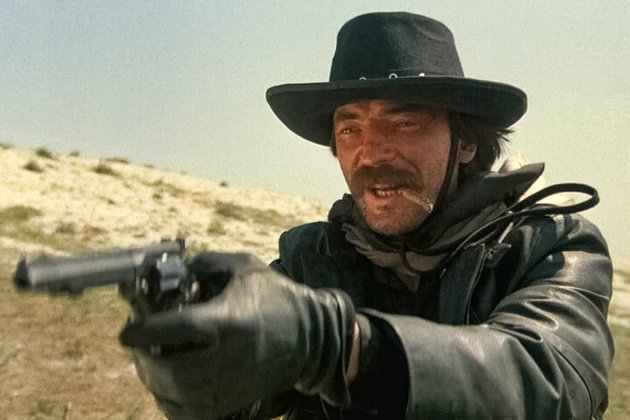
However, Soviet filmmakers also paid homage to classic cowboy stories. Below, we list the top three ‘Red Westerns’ from the USSR.
1. ‘The Headless Horseman’ (1973)

Vladimir Vainstock/Lenfilm, Instituto Cubano del Arte e Industrias Cinematograficos, 1973
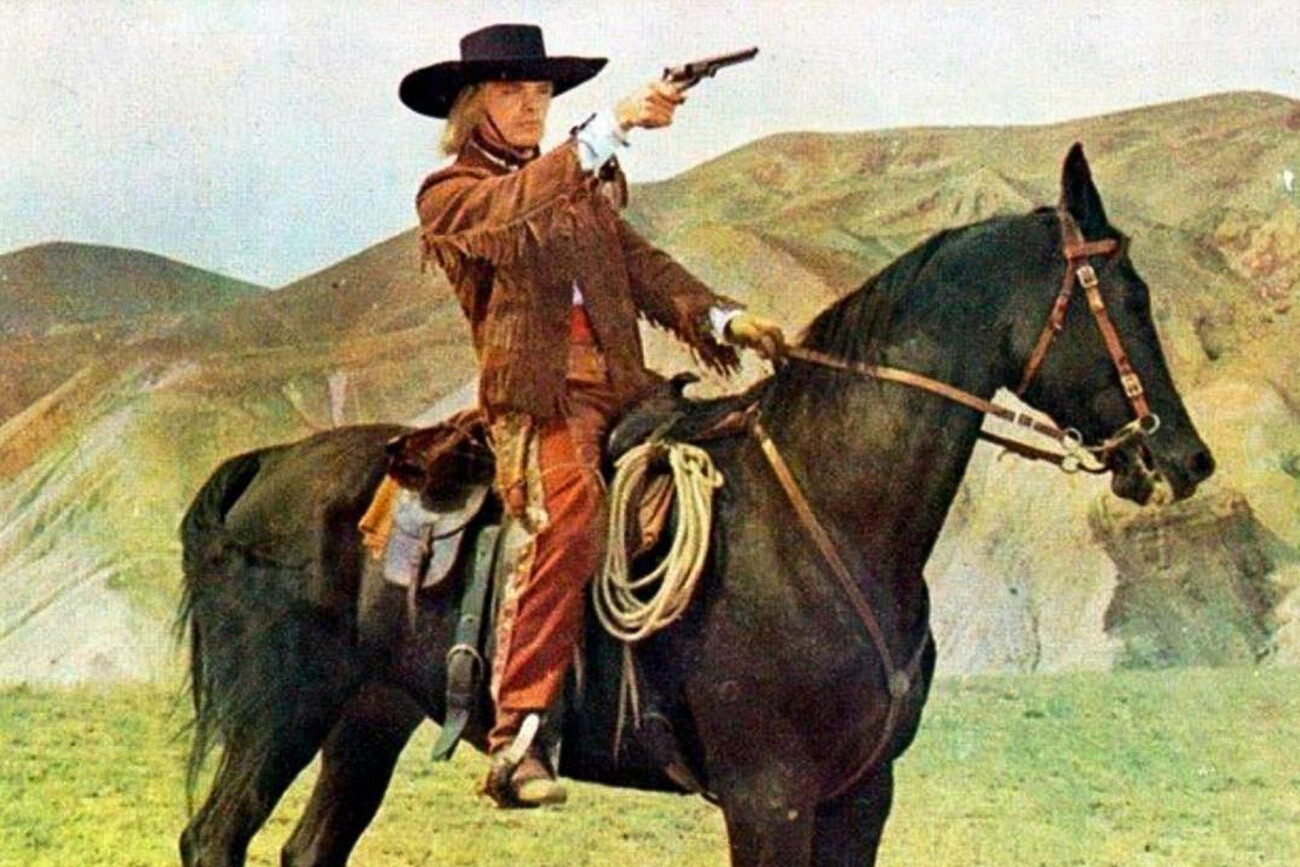
Mid-19th century Texas. Louise Poindexter, the daughter of a rich planter, falls in love with a poor mustanger (trapper of wild horses for sale) named Maurice Gerald.
The young man is suspected of kidnapping and murdering the girl’s brother, Henry. Adding to the mystery of the whole story is the fact that when Henry disappeared without a trace, a grim headless horseman suddenly appeared in the neighborhood…
The Soviet-Cuban movie is an adaptation of a novel of the same name by Irish-American writer Mayne Reid. The filming mainly took place in Crimea. The Texas prairies were recreated by tinting grass and “planting” plastic cacti, while the cotton plantations were recreated by scattering absorbent cotton everywhere.
Some of the main roles were played by Cuban actors and extras were found right on the spot in Crimea. Black slaves, meanwhile, were played by Cuban students from Simferopol.
‘The Headless Horseman’ was seen by almost 52 million people. It took the 33rd place on the list of the most popular movies in the history of Soviet cinema.
2. ‘Armed and Very Dangerous’ (1977)

Vladimie Vainstock/Gorky Film Studio, 1978
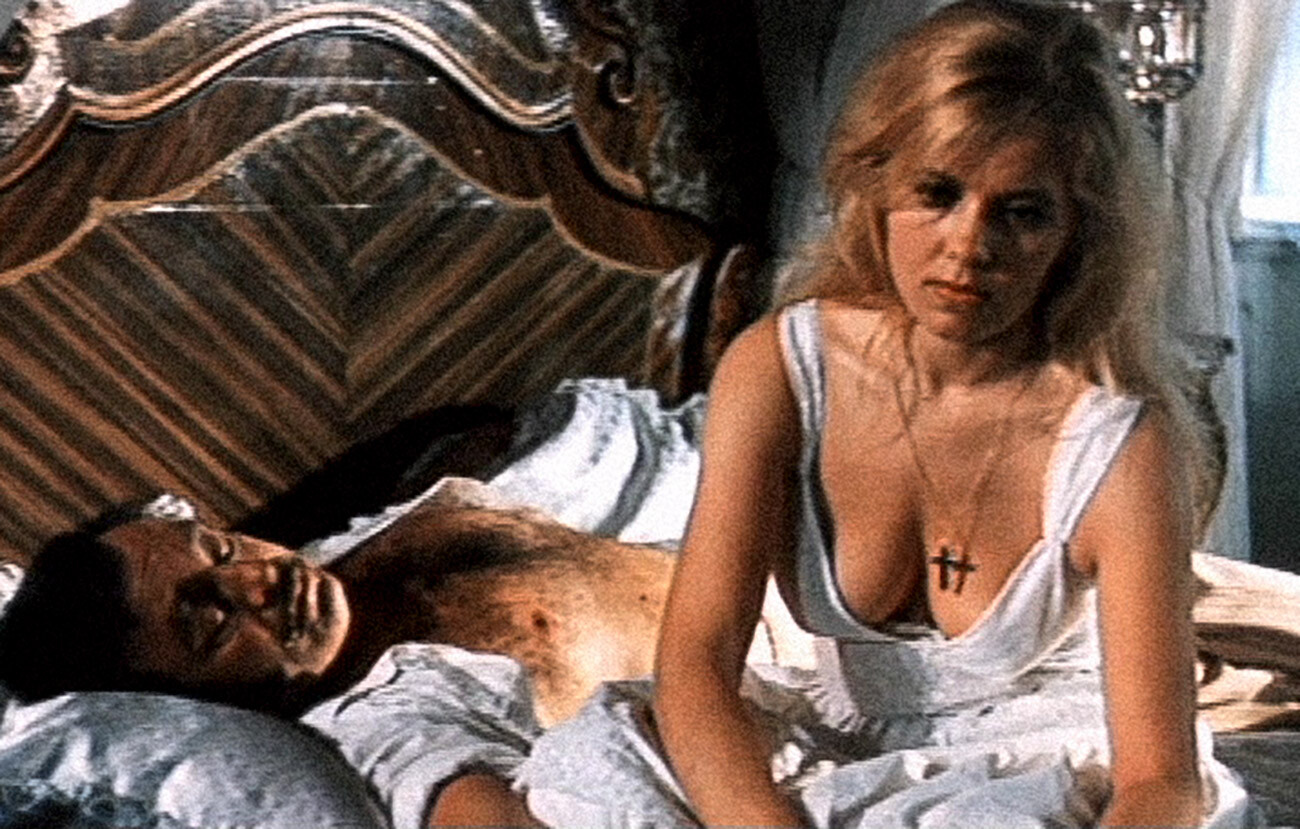
The Wild West in the late 19th century. A gold miner by the name of Gabriel Conroy gets his hands on a map that can help him get to large deposits of gold. But, Peter Dumphy, a violent and dangerous robber, gets in his way.
‘Armed and very dangerous’ was filmed based on the works of American writer Bret Garth – a great connoisseur of the California Gold Rush era. He is considered to be one of the founders of the Western genre in literature.
There is a rare (for Soviet movie industry) bed scene in the movie. Although it’s not particularly explicit, actress and singer Lyudmila Senchina, who starred in it, became an object of adoration for millions of Soviet men after the movie premiere.
Dissatisfied women, in turn, penned complaints to officials: “While children starve in Honduras, Senchina seduces our husbands and sons! And we used to trust her so much!”
‘Armed and Very Dangerous’ was also filmed in Crimea. The movie was seen by over 39 million people in total and it became the major number one Soviet box office hit in 1978.
3. ‘A Man from the Boulevard des Capucines’ (1987)

Alla Surikova/Mosfilm, 1987
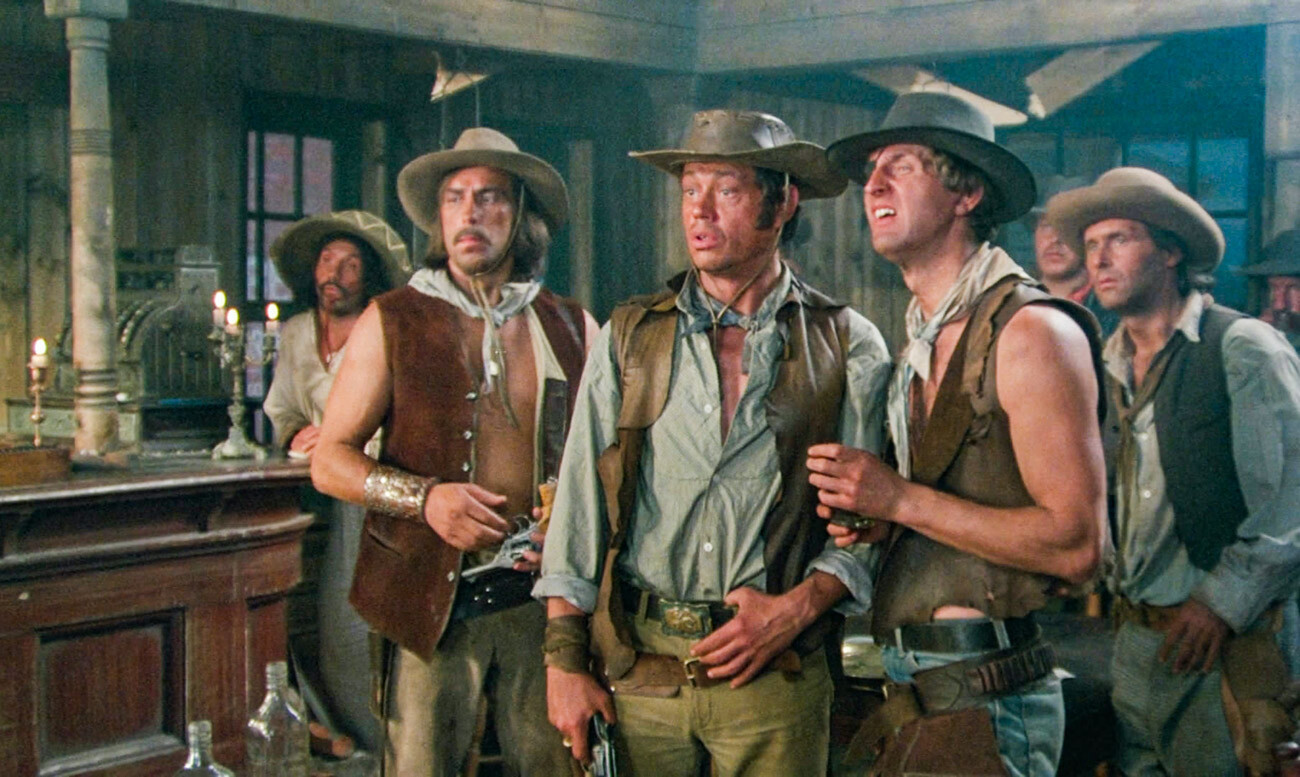
The Wild West at the turn of the 19th-20th centuries. Cinema popularizer and true gentleman Johnny Fest comes to the backwater town of Santa Carolina to introduce it to this incredible achievement of civilization.
The locals are steeped in drunkenness and cruelty, but Fest is confident – cinema will help him successfully re-educate them.
‘A Man from the Boulevard des Capucines’ is a unique movie for Soviet cinema, as it combines certain elements of a Western, comedy and musical.
Originally, it was titled: ‘Ten Drops Before Shooting’. However, because of the anti-alcohol campaign, which was underway in the country, it was changed.
In line with the already well established tradition, the filming also took place in Crimea. On its outside, Santa Carolina looked like a real city of the Wild West era, although, in reality, it was a number of facades, propped up with pillars from behind. Once, they were nearly blown away into the Black Sea by the wind.
‘A Man from the Boulevard des Capucines’ sits 36th on the list of the all-time Soviet box office hits and was seen over 50 million times after its premier in 1987.
[ad_2]








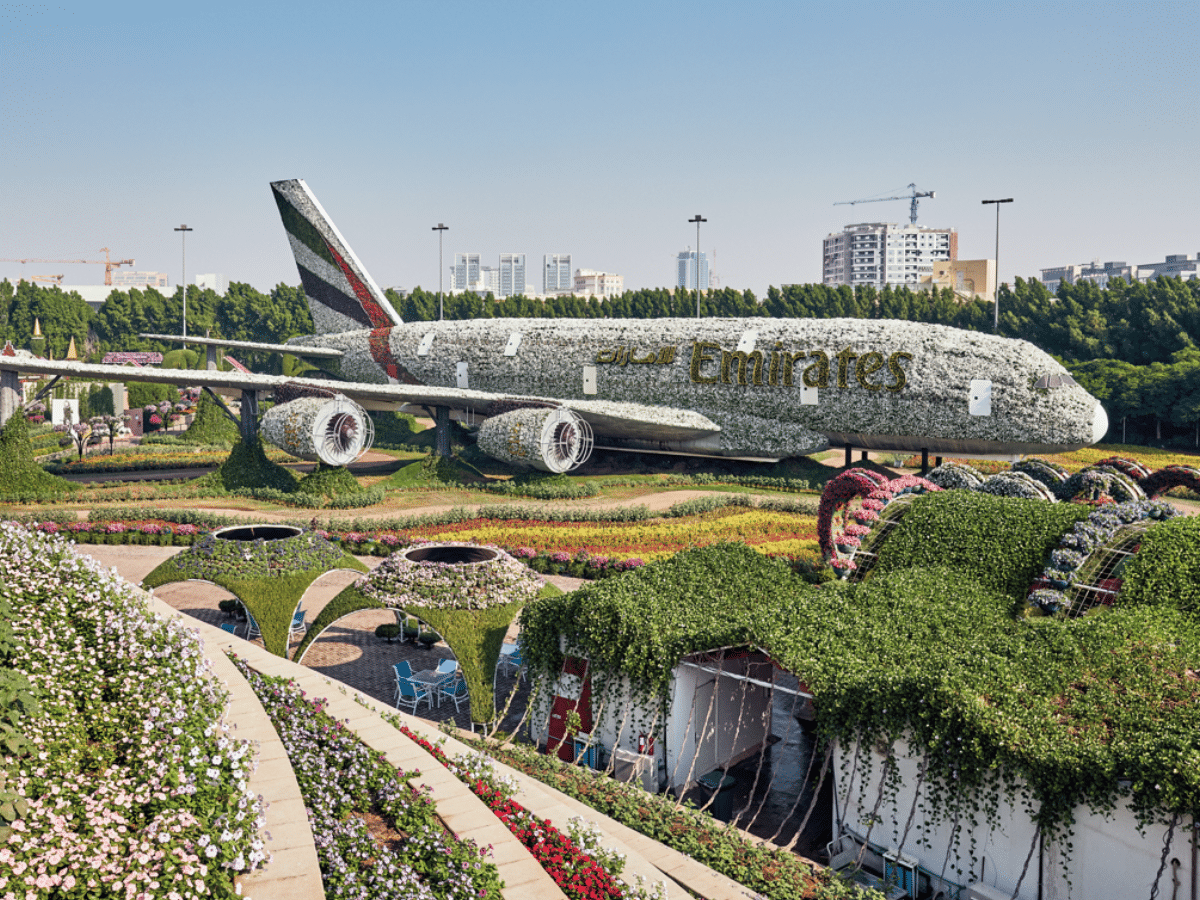


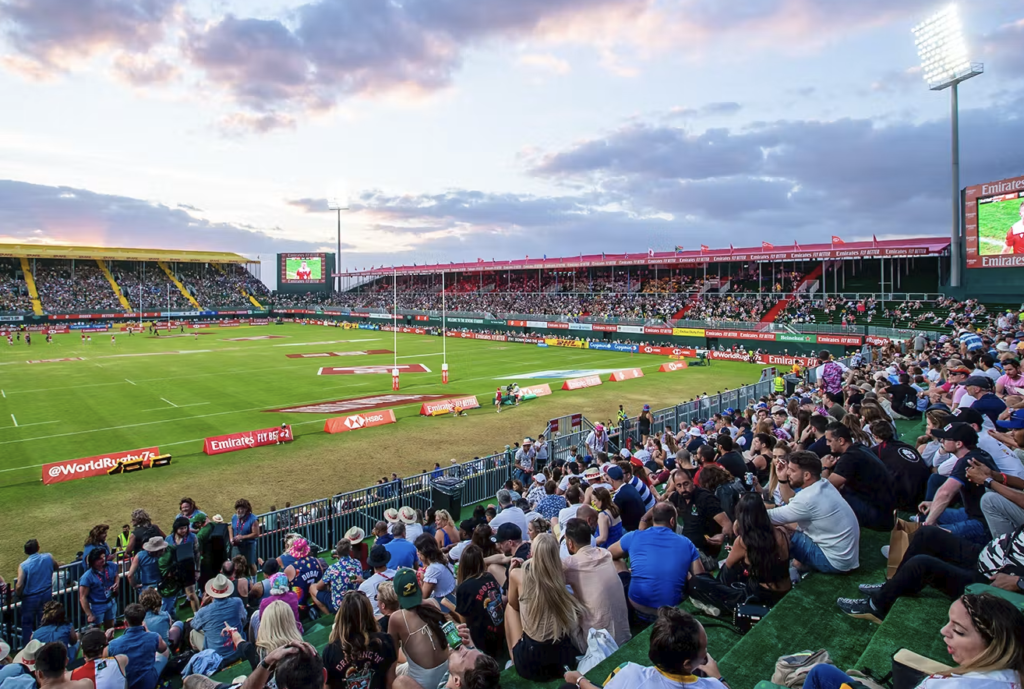
Emirates Dubai 7s is returning to The Sevens Stadium from November 27 to 29, with tickets now on sale for the three-day sports and entertainment festival.
The 2026 edition will bring together international rugby, amateur sports, live music and family entertainment, with organisers promising a bigger programme than previous years.
The festival attracted more than 88,000 visitors in 2025 and will again take place during the final weekend of the Dubai Fitness Challenge.
Ticket prices

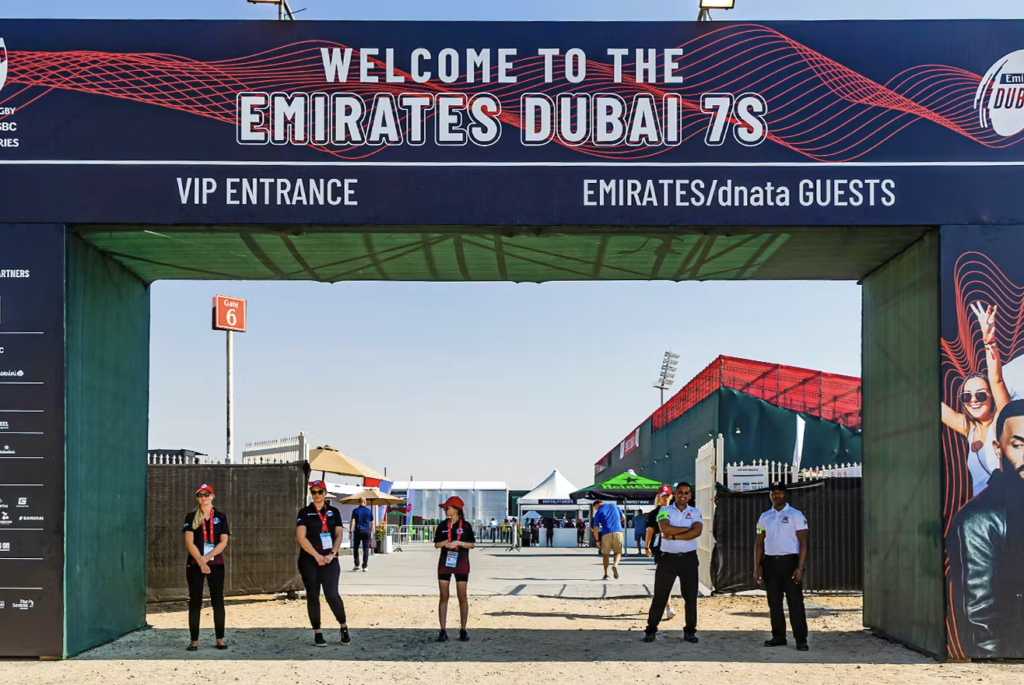
Ticket prices for General Admission and Hospitality have stayed the same for a third consecutive year.
Three-day General Admission tickets cost Dh595 per person, while the three-day Family Pass is Dh1,136 for two adults and two children.
Other ticket options

- Group pass: Dh446 per person for four or more adults
- Saturday or Sunday: Dh455
- Friday: Dh75
- Under 15s: Free
- People of Determination + carer: Dh375
Tickets can be purchased through the Emirates Dubai 7s website and app.
Bigger family attractions


Family entertainment will get a major boost this year as the UAE celebrates the Year of the Family.
The festival will feature its biggest-ever Kids’ Zone, including the UAE’s largest inflatable kids’ zone, along with a Ferris wheel and zipline. More attractions are expected to be announced ahead of the event.
Six sports and top rugby action

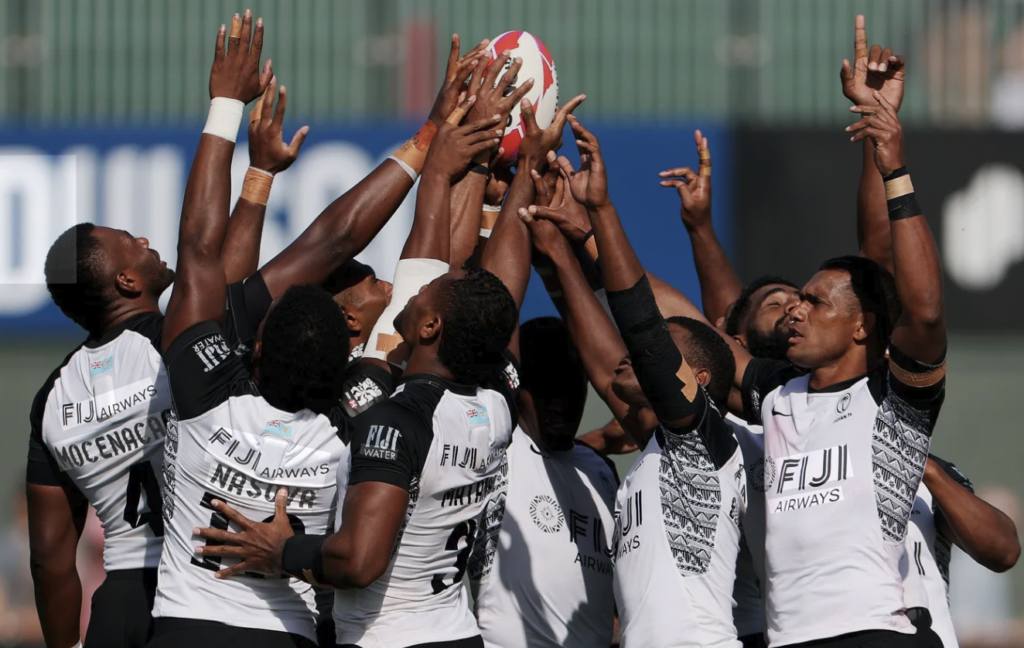
Alongside elite rugby, visitors can watch or take part in competitions across six sports — rugby, netball, cricket, WODON3 fitness, Rebound padel and Gaelic Football.
Gaelic Football will join the festival for the first time in 2026.
The Sevens Stadium will also host the opening round of the HSBC SVNS Series 2027, bringing the world’s leading rugby sevens players to Dubai.
The WODON3 Elite final will take place on Pitch 1 between HSBC SVNS matches, with competitors potentially performing in front of crowds of up to 20,000.
Music all weekend


Live entertainment will run throughout the festival, with local and international artists performing across three days.
Last year’s line-up included Tinie Tempah, Sean Paul and Fisher, while the 2026 headline acts will be announced later.
For a premium experience, The Sunroom returns with all-inclusive food and drinks, shaded seating, prime sporting views and dedicated access. Packages start from Dh1,925 per person.
With sport, music and family attractions packed into one weekend, Emirates Dubai 7s is gearing up for another big Dubai event.
Entertainment
Dubai launches ‘Dubai+’ family streaming platform to boost digital media and creative economy



Dubai Miracle Garden returns as UAE’s cooler season begins

Sultan Al Qasimi Attends Opening of 12th Sharjah Calligraphy Biennial