Connect with us

UAE

UAE celebrates Emirati Women’s Day with new vision for the future

Published

on

Spread the love

The UAE marks Emirati Women’s Day today (August 28), honouring the achievements and contributions of women who have played a central role in the nation’s development.

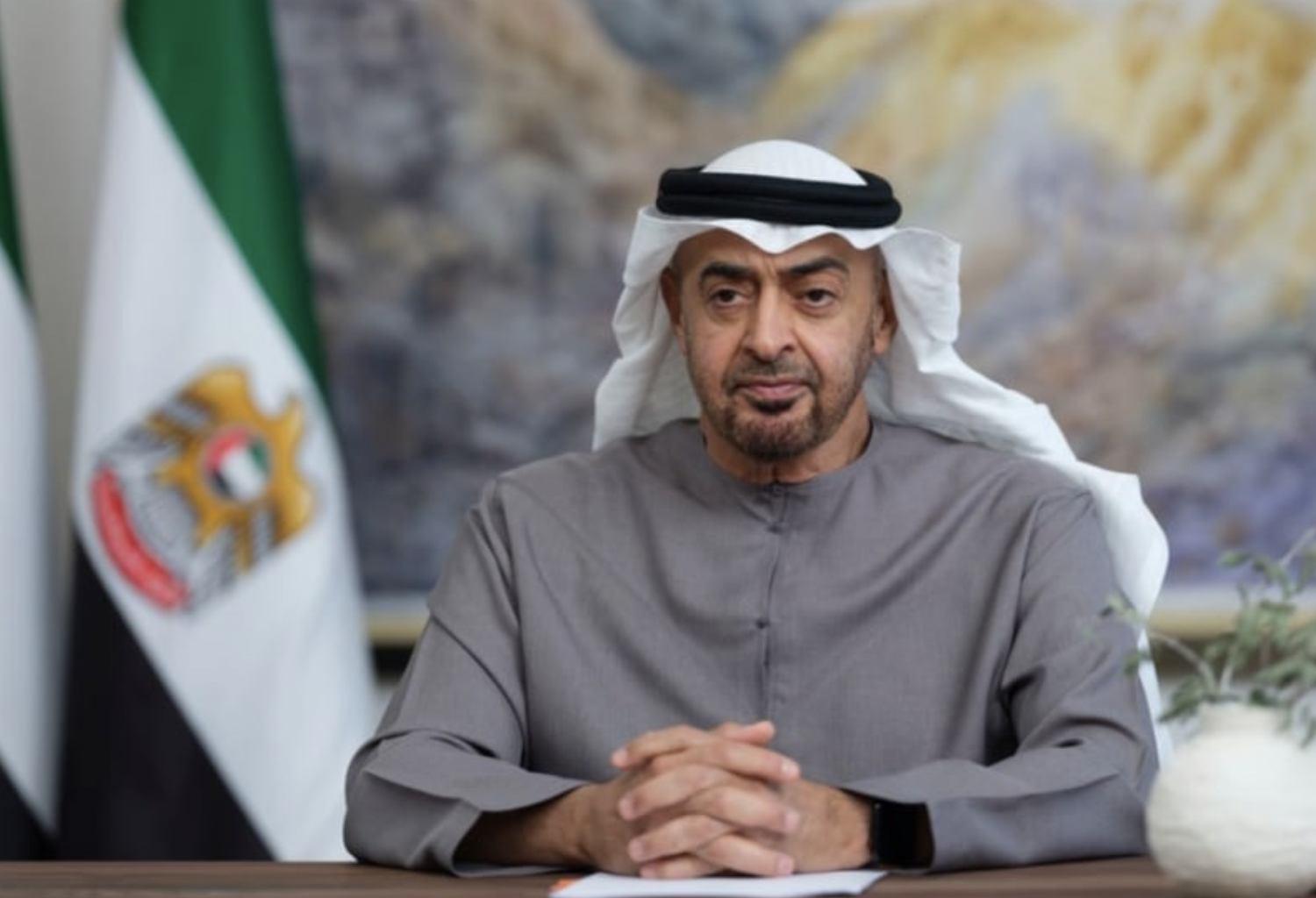
President His Highness Sheikh Mohamed bin Zayed Al Nahyan praised the vital role of women in strengthening communities and shaping progress. “The progress of the UAE has always been closely tied to the achievements of Emirati women,” he said, adding that the launch of the Mother of the Nation 50:50 Vision reaffirms the country’s commitment to building the future together, hand in hand.

This year’s celebration, held under the theme “Hand in Hand, We Celebrate 50 Years”, marks the 50th anniversary of the General Women’s Union (GWU), established by Sheikha Fatima bint Mubarak, the Mother of the Nation. Her efforts laid the foundation for women’s empowerment in the UAE, balancing modern aspirations with Arab and Islamic traditions.

Noura Khalifa Al Suwaidi, Secretary-General of GWU, described the day as a “cherished national occasion” that reflects both the wise leadership’s vision and half a century of achievements by Emirati women across education, business, government and community development.

Over the years, the UAE has introduced landmark reforms, including equal pay legislation, labour rights protections, and the UAE National Strategy for Women Empowerment 2023–2031. Today, women hold 50% of Federal National Council seats, make up 26% of ministerial positions, and lead major portfolios such as climate change, education and community development.

Their role extends across sectors; 71% of Emiratis in the public and private sectors are women, while in entrepreneurship, more than 25,000 Emirati businesswomen hold 50,000 licences with investments exceeding Dh60 billion. In STEM, women represent 46% of graduates and 50% of the UAE’s space sector workforce.

As the UAE celebrates this year’s Emirati Women’s Day, the occasion not only highlights women’s past achievements but also underscores the nation’s vision of shared progress and equal partnership in shaping the future.

With over 35 years of experience in journalism, copywriting, and PR, Michael Gomes is a seasoned media professional deeply rooted in the UAE’s print and digital landscape.

News

Dubai’s new grievance committee for government employees: What it means

Published

on

Spread the love

Dubai has introduced a new system that allows government employees to formally challenge certain workplace decisions, following a decree issued by His Highness Sheikh Mohammed bin Rashid Al Maktoum, Vice President and Prime Minister of the UAE and Ruler of Dubai.

The new framework, established under Decree No. (5) of 2026, creates a Central Grievances Committee that will review complaints from Dubai government staff regarding administrative decisions affecting their jobs.

What is the new committee?

The Central Grievances Committee is a body created to review appeals from government employees who believe an administrative decision affecting them was unfair or improperly handled.

A separate Grievance Adjudication Committee will examine the appeals and issue final decisions.

Who will be on the committee?

The committee will include:

  • A chairman and deputy chairman
  • Members with legal and human resources expertise
  • Representatives from:
    • The General Secretariat of the Executive Council
    • The Supreme Legislative Committee
    • The Dubai Government Human Resources Department

Members will be appointed by the chairman of Dubai’s Executive Council.

What decisions can employees challenge?

Employees may submit grievances against final administrative decisions affecting:

  • Their employment or legal status
  • Job roles
  • Working conditions

On what grounds can a complaint be filed?

Appeals can be made if an employee believes a decision involved:

  • Misapplication of the law
  • Failure to follow required procedures
  • Abuse of authority
  • Excessive disciplinary action
  • Lack of proper justification

How long do employees have to file a grievance?

Employees must submit their complaint within 14 working days after receiving written notice of the decision. Late submissions may still be accepted if there is a valid reason.

When can a complaint be rejected?

The committee may reject grievances if:

  • The issue falls outside its jurisdiction
  • The complaint is filed after the deadline
  • The matter has already been decided by the courts
  • The employee has no legal interest in the case

Are the committee’s decisions final?

Decisions issued by the Grievance Adjudication Committee will be final and binding on government entities. However, employees still retain the right to challenge decisions through the courts.

What else does the decree change?

The new decree replaces Executive Council Resolution No. (41) of 2015, which previously governed the grievances process for Dubai government employees.

The law will take effect once it is published in the Official Gazette.

Continue Reading

News

Dubai announces new law for outsourcing government services

Published

on

Spread the love


    In his capacity as the Ruler of Dubai, His Highness Sheikh Mohammed bin Rashid Al Maktoum, Vice President and Prime Minister of the UAE, has issued Law No. (5) of 2026 regulating the outsourcing of government services in Dubai.

    The new law aims to enhance the efficiency and quality of government services while making them more accessible to customers. It also seeks to strengthen collaboration between the public and private sectors, support Dubai’s strategic goals, and create more private-sector job opportunities for UAE nationals.

    What the new law says

    Under the law, outsourcing allows a contracted company to provide some or all government services on behalf of a government entity, based on agreed terms and conditions. The regulation aligns with global best practices to ensure transparency, efficiency, and improved service delivery.

    The law outlines the role of the Department of Finance in overseeing government service outsourcing, including setting the rules, procedures, and compliance requirements for such arrangements. Contractors must be licensed private for-profit or non-profit organisations authorised to operate in Dubai.

    Who is allowed to engage contractors?

    Government entities are allowed to engage multiple contractors for the same service, ensuring fair competition. Exclusive contracts are only permitted if a contractor is the sole bidder.

    The legislation also defines the contents and duration of outsourcing contracts, rules for termination, and protections for contractor assets. It includes provisions on violations and penalties, and allows contractors to assist in collecting fines related to service users who breach applicable regulations.

    However, contractors whose employees are granted judicial enforcement authority are prohibited from imposing fines or administrative penalties beyond those specified in the government entity’s regulations.

    Who will monitor performance?

    Government entities must also monitor and evaluate contractor performance regularly, using performance indicators aligned with their strategic objectives.

    In addition, contractors are required to employ at least one UAE national for every non-national employee, with salaries and incentives determined according to applicable regulations and contract terms.

    The law states that Law No. (12) of 2020 on Contracts and Warehouse Management in the Dubai Government will apply to contractor selection procedures and any matters not addressed in outsourcing contracts.

    Government entities and contractors have three years to align their operations with the provisions of the new law, which comes into force upon publication in the Official Gazette.


    Continue Reading

    Middle East

    NCEMA chairman reaffirms the UAE’s resilience, praises swift national response and awareness shown by citizens and residents

    Published

    on

    Spread the love

    The past two days have demonstrated the effectiveness of the UAE’s coordinated national response system, with authorities acting swiftly and in full alignment with established readiness standards.

    Ali Saeed Al Neyadi, Chairman of the National Emergency, Crisis and Disaster Management Authority (NCEMA), said developments were addressed with a high degree of professionalism and seamless coordination across all relevant entities.

    “Over the past two days, the UAE has witnessed a coordinated national response involving all relevant authorities,” Al Neyadi said, noting that actions were taken under approved national frameworks and precise operational procedures.

    Coordinated national response activated

    Al Neyadi confirmed that the National Emergency, Crisis and Disaster Management framework was activated from the outset, with operational readiness levels elevated based on continuous and comprehensive risk assessments.

    He said these measures ensured:

    • Protection of lives
    • Safeguarding of national assets
    • Uninterrupted continuity of essential services

    “What has been achieved reflects sustained institutional investment in preparedness, proactive planning, joint national exercises, and the development of resilient capabilities designed to respond effectively to a range of scenarios,” he added.

    Field teams recognised for professionalism

    The NCEMA Chairman recognised field teams who carried out their duties with professionalism and a strong sense of national responsibility.

    Their efforts, he noted, reflected:

    • High levels of preparedness
    • Disciplined coordination
    • Clearly defined operational roles

    He said the response reaffirmed the national system’s capability to act swiftly and in an organised manner under approved plans and precise procedures.

    Community awareness praised

    Al Neyadi also acknowledged the awareness and commitment shown by citizens and residents.

    “The cohesion, trust and cooperation demonstrated by the community reflect the spirit of responsibility that characterises the UAE,” he said.

    He added that the alignment between institutions and society remains a cornerstone of national preparedness and strengthens the country’s ability to navigate challenges with confidence and composure.

    Preparedness at the highest levels

    “This phase has once again demonstrated that the UAE possesses a robust and mature national readiness system operating under a clear governance framework and coordinated response structure at the highest levels,” he said.

    Authorities, he added, continue to monitor developments around the clock, conduct ongoing assessments and implement necessary measures to maintain the highest levels of preparedness.

    “The UAE is confident in emerging from this period stronger and more resilient, supported by the vision of its leadership, the strength of its institutions, and the awareness of its society.”

    Public urged to rely on official sources

    In closing, Al Neyadi emphasised that the safety, security and stability of the community remain an absolute national priority.

    He urged the public to:

    • Adhere to official guidance
    • Rely exclusively on approved sources for information
    • Refrain from sharing unverified content

    Authorities will continue to communicate updates transparently as developments unfold, he said.

    Source: Wam


    Continue Reading

    Popular

    Exit mobile version
    https://headline.ae/