

Crime
UAE issues stark warning on price fixing: ‘It’s a crime’











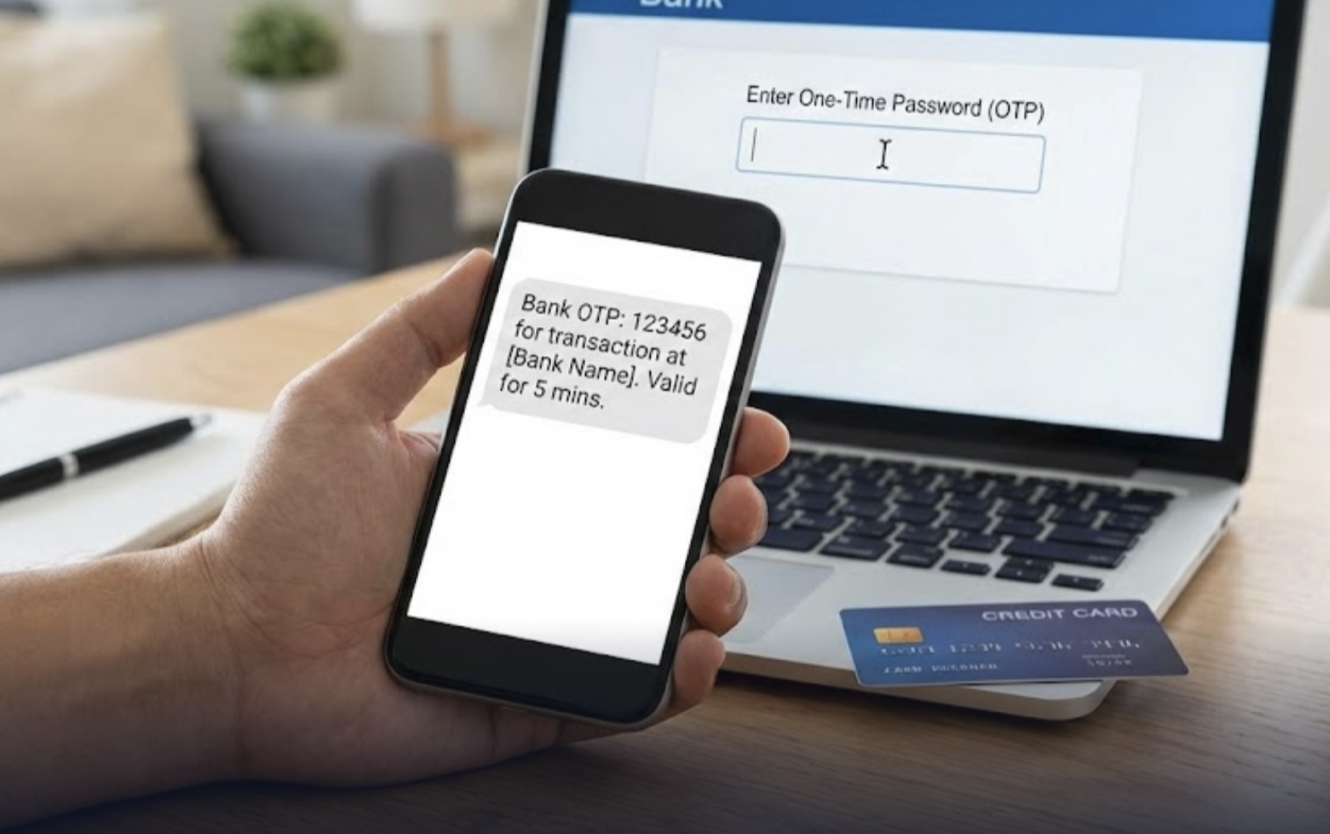
From convincing phone calls by fake bank officials to bogus shopping websites designed to steal credit card details, financial scams are growing increasingly sophisticated across the UAE.
In response, federal authorities, the Central Bank, and police forces are rolling out a multi-layered defence strategy designed to intercept fraud before it reaches consumers.
The approach focuses on three core pillars: making scams harder to execute, speeding up real-time detection, and providing direct avenues for victims to report crimes and recover losses.
Central Bank mandates


The Central Bank of the UAE (CBUAE) has significantly increased compliance requirements for all licensed financial institutions, shifting the burden of fraud detection directly onto banks.
- Phasing Out SMS OTPs: The CBUAE is pushing institutions away from single-factor, SMS-based one-time passwords, favouring biometric verification and dynamic app-based authentications to combat SIM-swap and phishing attacks.
- Anti-Fraud Hub: The regulator established the Central Bank Anti-Fraud Operations Centre (CAFOC) to enable real-time threat monitoring, rapid incident response, and instant data sharing across UAE financial entities.
- Strict monitoring: Banks are legally required to maintain continuous monitoring systems to flag suspicious transactions, combat social engineering, and immediately report unauthorised activities.
Safety for online shoppers


With cybercriminals increasingly targeting online shoppers, the UAE’s consumer protection framework now treats digital storefronts with the same legal scrutiny as physical retail.
- E-Commerce Regulations: Federal Decree-Law No. 14 of 2023 sets clear technical standards, legal liabilities, and data protection rules for digital trading platforms operating in the country.
- Tougher Anti-Counterfeit Penalties: Federal Decree-Law No. 42 of 2023 on Combating Commercial Fraud equips authorities to crack down on fraudulent sellers, corrupt goods, and misleading online commercial practices.
- Statutory Rights: Federal Law No. 15 of 2020 guarantees data privacy, fair dispute settlement, and monetary compensation for consumers facing fraudulent domestic transactions.
Where residents can report scams


Authorities urge residents never to absorb financial losses quietly. Several official channels provide dispute resolution and criminal reporting:
- Ministry of Economy and Tourism: Handles formal consumer disputes, misleading sales complaints, and requests for product recalls, facilitating amicable settlements or judicial referrals.
- Dubai Police e-Crime Platform: Provides a dedicated portal for reporting cybercrime, identity theft, and electronic banking fraud.
- Local Consumer Protection Departments: Each emirate maintains direct channels to investigate deceptive trade practices and unauthorised merchant activity.
Scam warning: Dubai Police recently warned against fraudulent Consumer Protection websites that lure users into downloading remote-access apps, allowing criminals to hijack devices and drain linked bank accounts.
Do’s and Don’ts to keep your accounts safe


While state-level defences continue to tighten, personal vigilance remains essential:
- Don’t share details: No bank or government entity will ever ask for your password, PIN, or multi-factor authentication code via phone, email, or WhatsApp.
- Don’t give remote access: Never download third-party software (such as AnyDesk or TeamViewer) at the request of an unsolicited caller.
- Do URL check: Check domain spellings carefully and ensure e-commerce platforms use verified, secure payment gateways before entering card numbers.
- Don’t wait, act immediately: If you suspect compromised details or notice an unauthorised charge, freeze your card via your banking app and notify your bank’s fraud unit without delay.




Businesses caught dealing in counterfeit, adulterated, or spoiled goods in the UAE now have just 24 hours to clear them off the shelves or face swift state intervention, under tough new commercial fraud regulations that have officially taken effect.
The new rules, outlined in Cabinet Resolution No. 107 of 2026 (the Executive Regulations of Federal Decree-Law No. 42 of 2023), significantly ramp up consumer protections. They grant authorities sweeping powers to raid premises, seize stock at the violator’s expense, issue public alerts, and order rapid product destruction.
The 24-hour countdown


Once the Ministry of Economy and Tourism or local authorities flag a non-compliant item, the clock starts ticking immediately. Suppliers must halt sales on the spot and execute four mandatory steps within 24 hours:
- Clear shelves and warehouses: Remove every affected batch from inventory.
- Alert supply chains: Notify downstream retailers and distributors to pull the products within the same 24-hour window.
- Recall active stock: Initiate steps to recover items already in circulation.
- Provide proof: Submit verified evidence to authorities confirming total withdrawal.
Miss the deadline? Expect the bill


Suppliers dragging their feet won’t stall enforcement.
Under Article 8, if a business fails to clear offending stock within 24 hours, government authorities will step in and clear markets and warehouses themselves within the following 48 hours, billing the non-compliant supplier for the entire operation.
Seizures, storage fees, and public name and shame


Authorities now hold expanded legal teeth to intervene early:
- Impounding stock: Suspected goods can be seized, locked in designated storage facilities, and held during lab testing, with all warehousing fees charged directly to the offender.
- Public consumer alerts: Regulators can publicly broadcast warnings naming the product type, description, and trademark to warn shoppers against dangerous goods.
Heavy penalties for violators


Ignorance is no longer an easy defence. Administrative penalties will hit anyone caught knowingly trading fraudulent goods, or anyone who should have reasonably known based on their industry expertise that the product posed a health and safety risk.
Regulators are paying particularly close attention to:
- High-risk goods: Medicines, organic foods, and agricultural supplies.
- Recycled hazards: Goods previously declared unfit for use that were reintroduced into the market.
- Profiteering & tampering: Counterfeit items bought for alteration, repackaging, or unlawful resale.
- Deceptive advertising: Products promoted with false claims regarding origin, ingredients, or quality standards.
Fast-track destruction: 15-day limit


Once a competent court or the Supreme Committee issues a formal ruling, authorities won’t let fake items linger in storage. Under Article 18, confiscated counterfeit and spoiled products must be destroyed within 15 working days, closing the door on unlawful resale.
For consumers, the revamped framework delivers stronger market surveillance and faster removal of hazardous goods. For traders, retailers, and distributors across the UAE, it sends a clear signal: compliance is non-negotiable, and slow reaction times will come with steep financial and legal costs.

Dubai-born HOP Events targets 25 cities in global expansion

New-look Abu Dhabi T10 raises the stakes with star-studded 2026 draft; Naseem, Hales, Amir and Shanaka among top picks


