

Health
UAE looks to rein in medicine prices as review begins, could patients finally see relief?











Health
Dubai’s strict new medical rules: Why doctors, clinics and influencers face tough social media limits


If you scroll through medical feeds in Dubai, you’ve probably seen your share of ‘miracle’ transformations, ‘magic’ fixes, and glowing influencer reviews. That era is coming to a hard stop.
The Dubai Health Authority (DHA) has rolled out sweeping new social media guidelines targeting every licensed doctor, clinic, and hospital promoting services across platforms like Instagram, TikTok, YouTube, Snapchat, Facebook, LinkedIn, and WhatsApp.
Here is a breakdown of what is changing, what is officially off-limits, and how it impacts anyone creating medical content in the emirate.
1. Hype words are banned


The DHA is tackling exaggerated claims that give patients unrealistic expectations. If you are promoting a procedure, you can no longer describe it with words like:
- Miraculous or magic
- The best, unique, or incomparable
- 100%, certain, or guaranteed success
- Zero side effects or immediate results
- Pioneer, famous, or exclusive
Any promo promising money-back guarantees, taking cheap shots at competitor clinics, or slamming government entities is strictly barred.
2. Influencers face direct accountability


Partnering with influencers won’t create a legal loophole. If an influencer features a clinic, treatment, or outcome, the content must be reviewed and signed off by the facility’s medical director before it goes live.
Even if an influencer shoots a reel on their personal phone inside a clinic or shares it to their private profile, the clinic itself is held legally responsible.
3. Strict rules on professional titles


Doctors and staff can only use the exact job titles printed on their official DHA licenses. Vague or buzzy marketing labels like Beauty Expert, Anti-Ageing Specialist, Cosmetic Specialist, or Cosmetologist are no longer permitted.
Additionally, the title Dr is reserved exclusively for physicians, dentists, and holders of recognised PhD degrees attested by the UAE Ministry of Education.
4. No surgery live-streams and tighter photo rules


The rules also clamp down on patient imagery:
- Operating Rooms: Filming or live-streaming promotional videos during minor or major surgeries, or while a patient is under anaesthesia, is completely banned.
- Before-and-After Shots: Photos must show the same patient, captured with the same camera lens, completely unedited, and paired with a clear disclaimer stating that results vary.
- Consent: Facilities must secure written consent before posting any patient’s image, video, or review (with parental consent mandatory for anyone under 18).
5. Separate accounts for visiting doctors


Doctors who divide their practice between Dubai and overseas can no longer mix their feeds. They are required to run a dedicated, Dubai-specific account that aligns fully with DHA standards, even when sharing content involving treatments done abroad.
6. Medical directors in the hot seat
Medical directors are now tasked with policing internal output. They must approve every social post mentioning the facility, archive content for unannounced DHA audits, designate moderators, and run regular staff training on what is legally acceptable.
The update forms part of the DHA’s wider 2022–2026 strategy to clean up digital medical marketing, respect local cultural values, and make sure patients get realistic, evidence-based healthcare information.

Food
Behind the UAE’s crackdown of food institutions: What it takes for a restaurant to get named, fined or closed

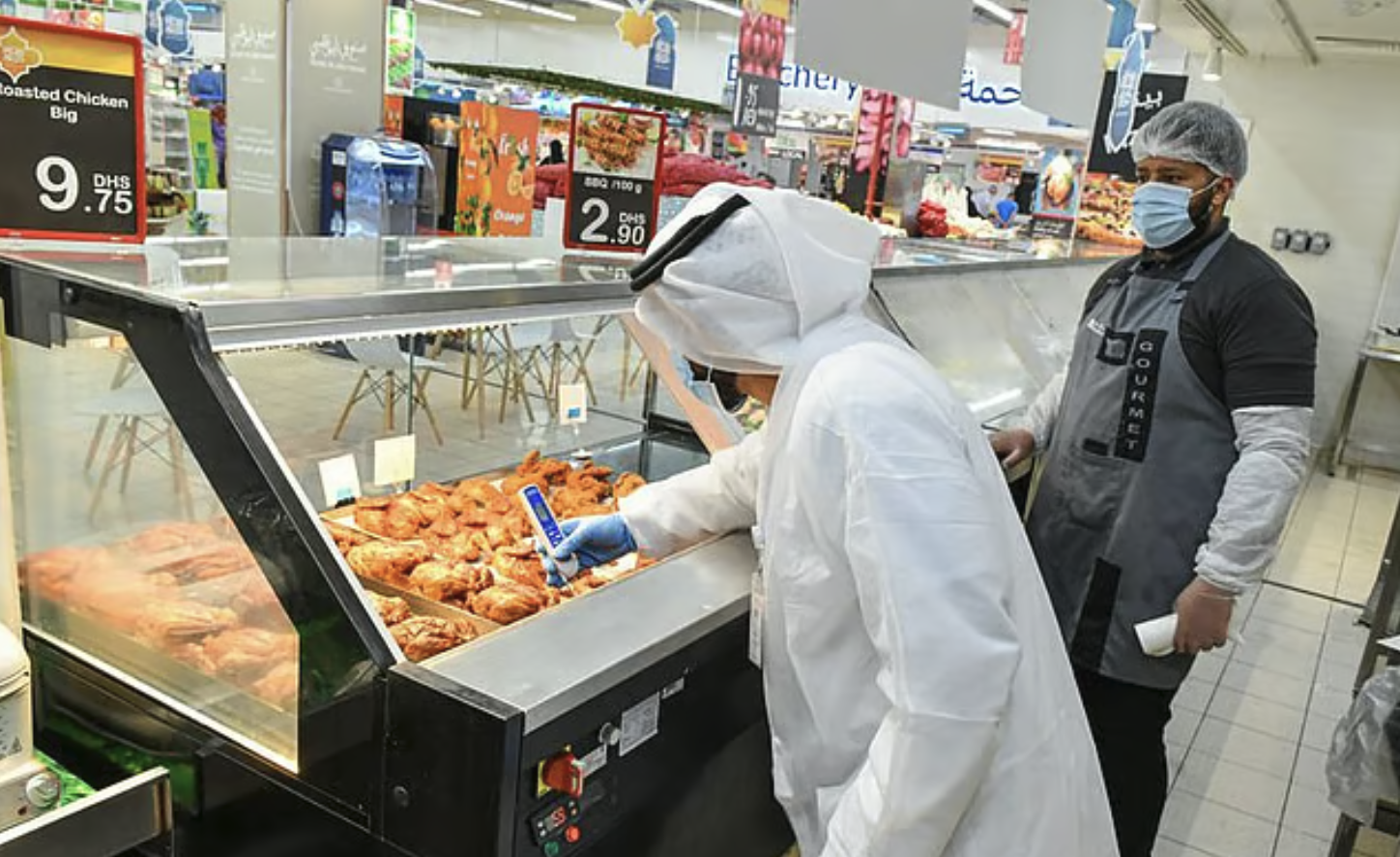
Very recently, the Abu Dhabi Agriculture and Food Safety Authority (ADAFSA) ordered the temporary administrative closure of Noble Catering Services in the Al Dhafra Region after identifying repeated food safety violations. The authority said it posed a risk to public health. The establishment was found to be in breach of laws concerning food, as well as related food safety regulations.
The closure is the latest in a growing series of enforcement actions taken against restaurants, catering companies and other food establishments across the UAE. In recent months, authorities have increasingly announced temporary closures, administrative fines and other penalties against businesses found to have committed serious or repeated food safety violations.
While such actions may give the impression that regulators are responding to a surge in unsafe food practices, the trend reflects something broader: A shift towards more transparent, risk-based inspections and stricter controls on a rapidly expanding hospitality sector.
Rather than signalling a widespread decline in food safety standards, officials say the public disclosure of enforcement actions is intended to protect residents, encourage compliance and strengthen confidence in the country’s food regulatory system.
The recent closures are not evidence of a sudden deterioration in food safety. Rather, they reflect a shift in how regulators enforce compliance and communicate risks to the public.
Naming and shaming


For years, restaurant inspections largely took place behind the scenes, with operators typically given opportunities to rectify shortcomings before facing stronger penalties. Today, however, authorities are increasingly making decisions public, naming businesses that fail to address repeated violations or are found to pose an immediate risk to public health. The change marks a new phase in the UAE’s food safety strategy, one where public accountability is becoming as important as regulatory compliance.
For example, in Abu Dhabi, ADAFSA took action against Amina Restaurant, citing serious food safety violations that threatened public health and repeated non-compliance despite previous warnings. Similarly, Index Restaurant in Mussafah Industrial Area was ordered to close after inspectors found repeated breaches of food safety regulations and determined that the establishment had failed to implement the corrective measures required following earlier inspections.
Beyond these individual cases, authorities have temporarily closed several cafeterias, cafés, butcheries and snack shops across Abu Dhabi and Al Ain.
The violations commonly cited include poor hygiene standards, unsafe food handling practices, improper storage of food at required temperatures and repeated failures to comply with food safety regulations despite receiving notices from inspectors.
A pattern, not isolated cases


Enforcement actions have recently affected a variety of businesses, from neighbourhood cafeterias and shawarma outlets to full-service restaurants and butcheries.
Authorities have cited establishments for violations including:
- Poor kitchen hygiene
- Pest infestations
- Improper food storage temperatures
- Cross-contamination between raw and cooked foods
- Expired or spoiled ingredients
- Failure to maintain cleaning records
- Employees not following food safety protocols
- Ignoring previous inspection notices
In many cases, authorities specifically stated that closures followed repeated violations and the failure to implement corrective measures after multiple inspections, rather than a single offence.
Is this a widespread crackdown?


In Abu Dhabi, yes. ADAFSA reported that:
- 69 food establishments were closed over 18 months.
- 55 closures occurred during 2025.
- 14 additional closures occurred during the first part of 2026.
- The authority also received more than 7,000 consumer complaints over that period, which helps guide inspections.
Closure is usually the last step


Food businesses generally move through several stages before being ordered to close.
The process typically includes:
- Routine inspection
- Identification of violations
- Warning or improvement notice
- Follow-up inspection
- Administrative fine
- Temporary closure if violations continue or public health is at immediate risk
Only where inspectors believe there is a direct threat to consumers can authorities immediately suspend operations.
Officials consistently emphasise that closures are designed to remove health risks—not to punish businesses.
Why now?
Several developments have converged.
1. Greater transparency
Perhaps the biggest change is that authorities are increasingly making enforcement public.
Instead of quietly issuing closure orders, agencies now publish the names of restaurants, photographs of premises and the reasons for action.
This serves several purposes:
- Informing consumers
- Encouraging industry-wide compliance
- Deterring repeat offenders
- Demonstrating regulatory accountability
The message is clear: food safety is becoming a matter of public record.
2. Post-pandemic food safety expectations


Covid-19 permanently changed expectations around hygiene.
Consumers today pay much closer attention to:
- Cleanliness
- Food handling
- Kitchen practices
- Employee hygiene
Governments have responded by strengthening inspection regimes and increasing monitoring of food establishments.
While today’s closures are not directly linked to COVID-19, the pandemic accelerated the emphasis on public health oversight.
3. Growing hospitality sector
The UAE’s restaurant market has expanded rapidly.
Every year, hundreds of new:
- Restaurants
- Cafes
- Cloud kitchens
- Bakeries
- Catering companies
enter the market.
More businesses inevitably mean:
- More inspections
- More complaints
- Greater variation in compliance standards
Regulators have therefore adopted more risk-based inspection systems.
4. Risk-based enforcement
Modern inspection programmes no longer inspect every business equally. Authorities instead prioritise establishments based on factors such as:
- Previous inspection history
- Number of customer complaints
- Type of food served
- Volume of customers
- Potential public health risk
Businesses with strong compliance records may be inspected less frequently, while repeat offenders receive closer scrutiny.
This allows inspectors to focus resources where risks are greatest.
Safety for diners


For diners, increased transparency provides greater confidence in the food system.
Public disclosure enables consumers to make informed choices while reassuring them that authorities are actively monitoring food businesses.
Importantly, officials stress that the overwhelming majority of licensed restaurants comply with food safety regulations. The establishments that are publicly named represent a relatively small proportion of the UAE’s extensive hospitality industry.
Authorities receive thousands of complaints every year from residents.
Common complaints include:
- Food poisoning
- Unclean premises
- Foreign objects in food
- Spoiled food
- Poor employee hygiene
Complaint data increasingly influences inspection priorities.
If multiple customers report similar issues about one establishment, inspectors may conduct unannounced visits.
Abu Dhabi leads public enforcement trend


Abu Dhabi has become the most visible example of this new approach.
The Abu Dhabi Agriculture and Food Safety Authority (ADAFSA) regularly publishes administrative closure decisions, explaining that the affected establishments posed risks to public health and had failed to correct violations despite repeated notices.
The authority has also introduced the Zadna Rating system, which provides consumers with a visible indication of a restaurant’s food safety performance, encouraging operators to compete on hygiene as well as food quality.
The Dubai approach


Dubai Municipality has long operated one of the region’s most sophisticated food inspection systems.
Rather than frequently announcing closures, Dubai has traditionally focused on:
- Regular inspections
- Food safety ratings
- Improvement notices
- Administrative penalties
Only significant violations or repeated failures generally become public.
The overall objective remains the same: prevention rather than punishment.
The recent closures should not be viewed simply as a crackdown on restaurants.
They represent the evolution of food regulation in a country positioning itself as a global tourism and hospitality destination. As the UAE attracts more international visitors, hosts major global events and expands its culinary sector, maintaining high food safety standards becomes both a public health necessity and an economic priority.

Dubai-born HOP Events targets 25 cities in global expansion

New-look Abu Dhabi T10 raises the stakes with star-studded 2026 draft; Naseem, Hales, Amir and Shanaka among top picks


