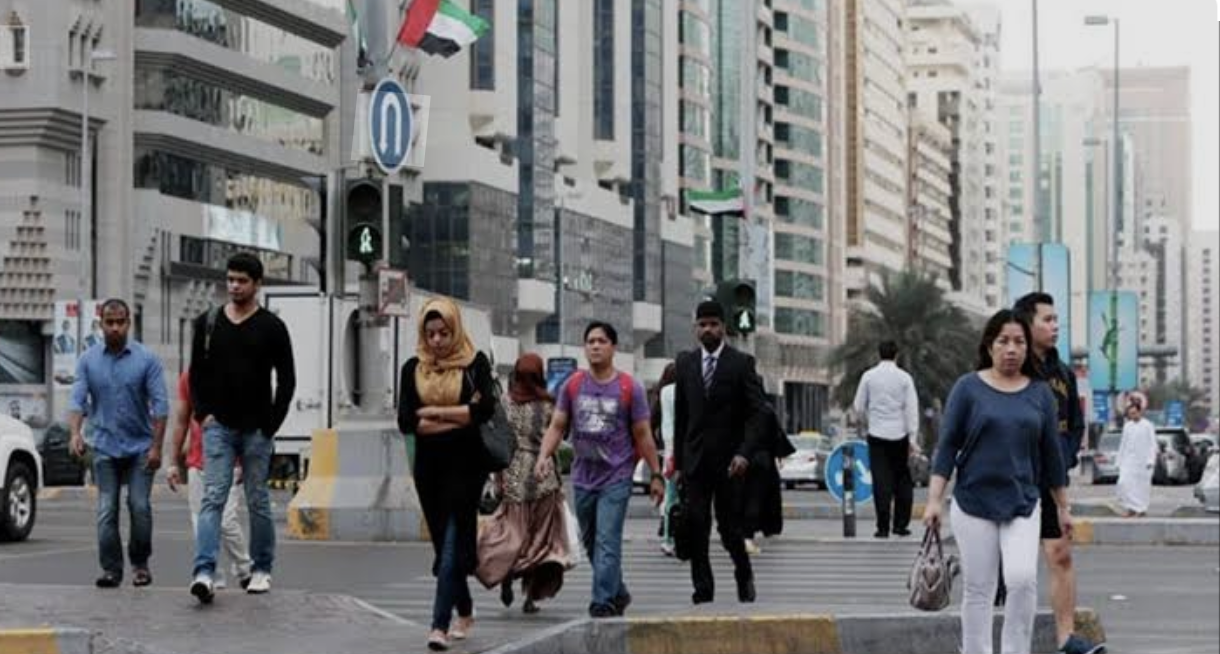
The National Emergency Crisis and Disaster Management Authority (NCEMA) has urged residents across the UAE to strictly follow safety instructions when warning sirens are activated.
The authority stressed that these alerts are issued only to protect lives.
Officials noted that some people have been leaving their homes or stopping their vehicles to film or take photos after hearing warning messages. NCEMA warned that this behaviour is dangerous and could put lives at risk.
“The warning is issued for your safety,” the authority said, urging everyone to move immediately to a safe location and stay there until an official all-clear announcement confirms the situation is safe.
What you should do
If you are at home: Stay indoors and move to a safe area immediately, away from windows and doors.
If you are driving: Continue to your destination, and once you arrive, go directly to the nearest safe shelter.
Do not stop to film, take photos, or gather in open areas.
NCEMA also warned that failing to follow official instructions could result in legal action.
Residents are encouraged to cooperate fully with safety directives to protect themselves and the wider community. They are required to follow instructions until an official “all clear” notification is issued for their area.
The ministry also warned that failure to comply with safety directives may result in legal action, urging the public to cooperate fully to ensure their own protection and the safety of the wider community.
With over 35 years of experience in journalism, copywriting, and PR, Michael Gomes is a seasoned media professional deeply rooted in the UAE’s print and digital landscape.
Dubai continues to attract professionals, families, and digital nomads seeking long-term apartment rentals, thanks to its strong economy, modern lifestyle, and world-class infrastructure.
However, for newcomers, finding the right apartment that fits both budget and lifestyle can feel overwhelming.
Here are some of the top areas in Dubai for long-term rentals, based on tenant preferences, amenities, and rental trends:
Think luxury
Dubai Marina Still one of the most in-demand expat hubs, prices vary a lot by tower, view, and furnishing. Typical rents: Studio: Dh55,000 – 110,000 1BR: Dh75,000 – 135,000 2BR: Dh110,000 – 200,000 3BR: Dh200,000 – 350,000
Market note: Median rent sits around Dh130,000 across unit types Waterfront views and newer towers push prices to the top end.
Palm Jumeirah (Palm Islands) This is a completely different tier—think luxury, beachfront, and limited supply. Typical annual rents: 1BR (apartments): Dh 140,000 – 200,000 2BR: Dh 250,000 – 350,000 3BR apartments: Dh 500,000 – 700,000
Best for families with quality living
Dubai Hills Estate: Green, peaceful, and family-focused. Popular for expat families, with top schools and long-term tenant stability.
Typical rents:
1BR: Dh80,000–120,000
2BR: Dh130,000–190,000
Jumeirah Village Circle (JVC): Affordable, community-driven living with parks and strong rental yields. Ideal for families seeking quiet suburban life.
Typical rents:
Studio: Dh45,000–65,000
1BR: Dh65,000–95,000
Best for professionals and city life
Business Bay: A central business hub with high demand, perfect for young professionals and entrepreneurs.
Typical rents:
Studio: Dh60,000–85,000
1BR: Dh85,000–130,000
Downtown Dubai: Premium urban lifestyle near offices, dining, and entertainment.
1BR: Dh110,000–180,000
2BR: Dh180,000–280,000
Dubai Marina: Vibrant waterfront living with high-rise apartments and strong rental appeal.
Studio: Dh70,000–95,000
1BR: Dh95,000–140,000
Best for affordable rentals and value
A practical choice for professionals working in tech or nearby zones. Known for quieter living and relatively lower rents.
International City Remains one of Dubai’s most budget-friendly areas, popular for first-time expats or singles. Typical rents:
Studio: Dh30,000–45,000
1BR: Dh45,000–65,000
Al Barsha Well-connected (especially via metro) and still offers decent value compared to newer developments. Typical rents:
1BR: Dh70,000–100,000
2BR: Dh100,000–150,000
Discovery Gardens
This is firmly in the ‘affordable but spacious’ category. This neighbourhood is popular with expats who want bigger apartments without Marina-level prices.
Typical annual rents:
Studio: Dh 30,000 – 55,000
1BR: Dh45,000 – 72,000
2BR: Dh65,000 – 110,000
3BR: Dh90,000 – 120,000
Market reality:
Average rents sit around Dh 54,000 – 68,000/year, depending on unit type
Studios start at Dh 47,000, while 2BR units can go up to Dh 110,000
Still one of the best ‘space-for-money’ areas in Dubai, with larger layouts than newer buildings
How it compares
Discovery Gardens: Budget-friendly + bigger units + metro access
Cheaper than JVC and much cheaper than Dubai Marina
Trade-off: Older buildings + less ‘premium’ feel
For expats prioritising affordability, older central neighbourhoods such as Al Karama, Bur Dubai, and Deira continue to offer relatively lower rents compared to newer communities.
On the fringe
Further savings can be found in areas like Al Qusais, Muhaisnah, and outer residential zones, where rents are more accessible, but often at the cost of longer commute times and fewer modern amenities.
Typical budget range (older areas):
Studio: Dh28,000–50,000
1BR: Dh45,000–75,000
Why Dubai is still ideal for long-term rentals
Flexible payment options (1–4 cheques or annual upfront)
High-quality amenities (gyms, pools, parking in most buildings)
Strong, expat-driven rental market
Wide mix of luxury, mid-range, and budget communities
How to choose if you’re new to the city
With rising rents, the decision often comes down to trade-offs:
Want energy and convenience? – Business Bay, Downtown, Marina
Want space and community living? – Dubai Hills, JVC
Want affordability? – Silicon Oasis, International City, Deira
In 2026, several residents are compromising on location to gain space or save 15–25% on rent, especially with hybrid work becoming common.
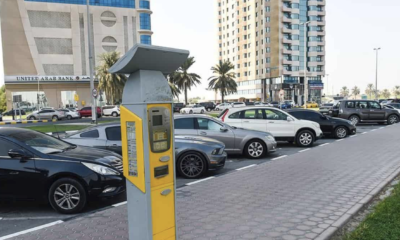
Paid parking has officially been rolled out in new sectors of Musaffah, as Q Mobility activates Phase 2 of its smart parking expansion plan.
Under the oversight of the Integrated Transport Centre, part of the Department of Municipalities and Transport, the move aims to ease congestion, improve traffic flow, and streamline urban mobility.
New paid parking zones in Musaffah
Sectors now covered include:
M7, M8, M9, M14, M15
Over 10,000 parking spaces activated
Dedicated bays for People of Determination
Parking fees & easy payment options
Standard parking: Dh2 per hour
Pay via:
Darb
TAMM
SMS & parking machines
Musaffah, a key industrial and commercial hub, faces heavy daily traffic. The new system is designed to:
Reduce parking chaos
Improve vehicle movement
Support safer roads
Enhance business accessibility
Authorities urge drivers to follow parking rules and use official payment channels to avoid fines.
Abu Dhabi renames toll gates
Meanwhile, drivers in Abu Dhabi will now notice clearer, location-based names for toll gates, as authorities rename all four Darb toll system gates to improve navigation across the capital.
The update is part of efforts to simplify road travel and help motorists better identify routes without confusion.
In a move set to make everyday shopping easier, the UAE Ministry of Economy and Tourism has introduced a new digital tool that lets residents compare prices of essential goods across major retailers.
Called the Essential Goods Prices Platform, the initiative is designed to boost transparency and help shoppers find the best deals on daily essentials.
What you can check
The platform covers more than 30 essential items in its first phase, including:
Cooking oils, rice, sugar, and bread
Eggs, dairy products, meat, poultry, and fish
Fresh fruits and vegetables
It gives users a clear snapshot of price ranges across supermarkets, making it easier to spot where your money goes further.
How it works
Prices are updated daily from major retailers
Users can compare minimum and maximum prices
Track differences between stores and locations
Build a custom shopping basket to find the cheapest option
It’s essentially like having a real-time price comparison tool before you even step into a store.
With the cost of living always a concern, this platform puts more control directly in the hands of consumers.
It helps:
Save money on weekly groceries
Promote fair competition among retailers
Prevent unjustified price increases
By making pricing more transparent, the UAE is aiming to protect consumer spending while keeping the retail market balanced.
This launch builds on ongoing efforts by the UAE Ministry of Economy and Tourism to monitor essential goods and ensure price stability.
Now, instead of that data staying behind the scenes, it’s being shared openly, giving residents the power to make smarter, more informed shopping decisions.