Lifestyle
Umm Suqeim Beach redevelopment: What Dubai residents can expect from the Dh500 million upgrade



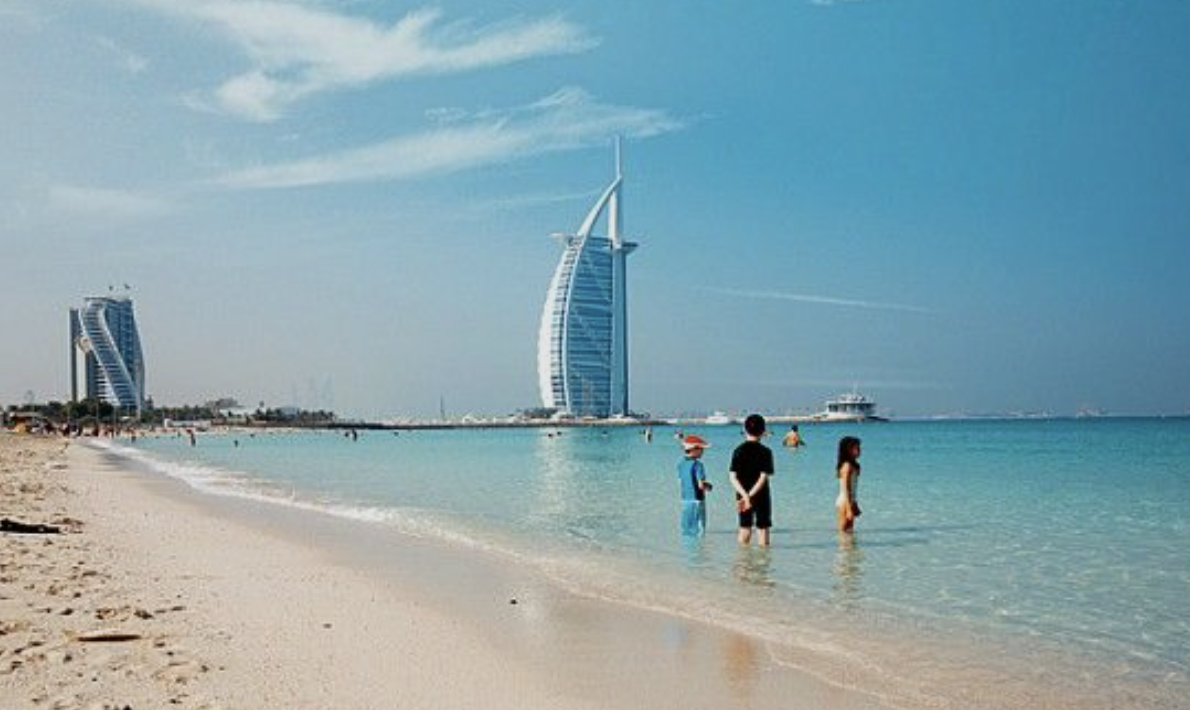
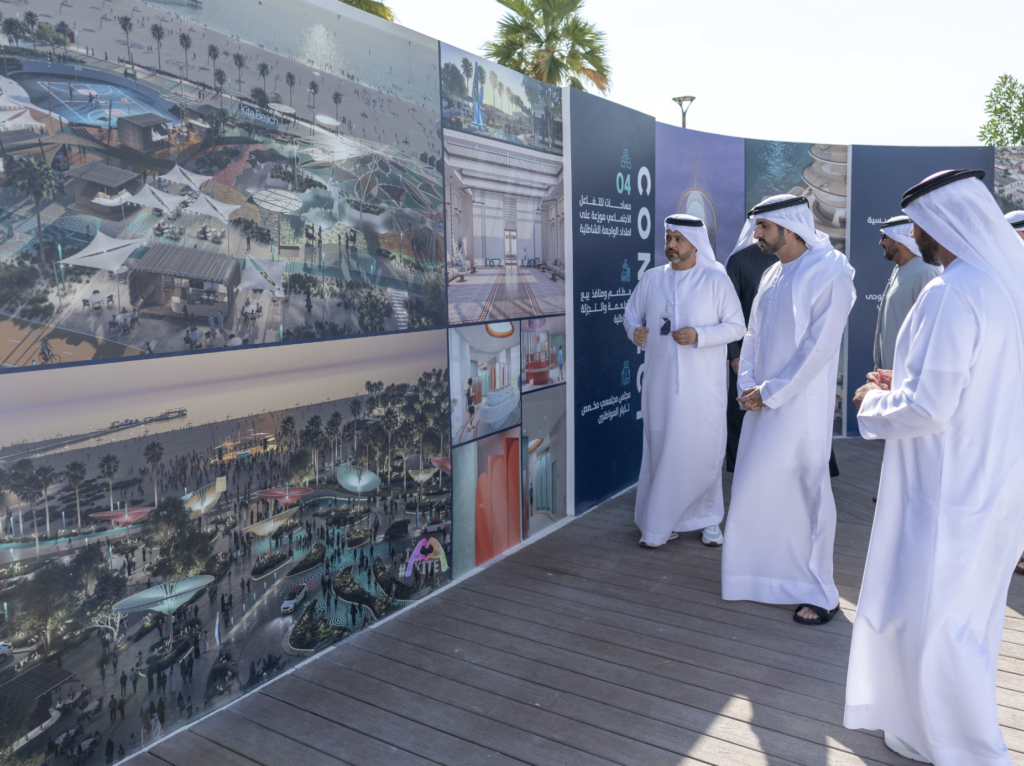
Dubai is set to transform Umm Suqeim Beach into a world-class waterfront destination after Sheikh Hamdan bin Mohammed bin Rashid Al Maktoum, Crown Prince of Dubai and Chairman of The Executive Council of Dubai, approved a Dh500 million master plan for its redevelopment.
The project, led by Dubai Municipality, is one of the emirate’s flagship beach development initiatives and aims to blend global design excellence with a distinctive Emirati identity, reinforcing Dubai’s position as a leading international tourism destination.
A future-ready beach destination
Spanning 3.1 kilometres and covering 445,000 square metres, the redevelopment will increase the beach area and developable spaces by 30 per cent. Smart lighting will illuminate 130,000 square metres of beachfront, enabling night swimming and extended evening activities.

Aligned with Dubai’s long-term vision
Sheikh Hamdan said the project reflects Dubai’s commitment to enhancing public spaces through innovative design, advanced urban planning and sustainable infrastructure, while prioritising quality of life for residents and visitors.
The Umm Suqeim Beach master plan supports the Dubai Quality of Life Strategy 2033 and the Dubai 2040 Urban Master Plan, focusing on sustainable waterfront development, healthy lifestyles and community wellbeing.
Extensive social, environmental and traffic studies were conducted, alongside community engagement, to ensure the project balances tourism growth with environmental protection and residential privacy.
Key features of the Umm Suqeim Beach redevelopment
- Capacity to welcome up to 6 million visitors annually
- 200% increase in parking, reaching approximately 2,400 spaces
- Six architecturally distinctive gateways reflecting local heritage
- Ten mobility hubs and 11 taxi pick-up and drop-off points
- Integrated cycling and e-scooter facilities
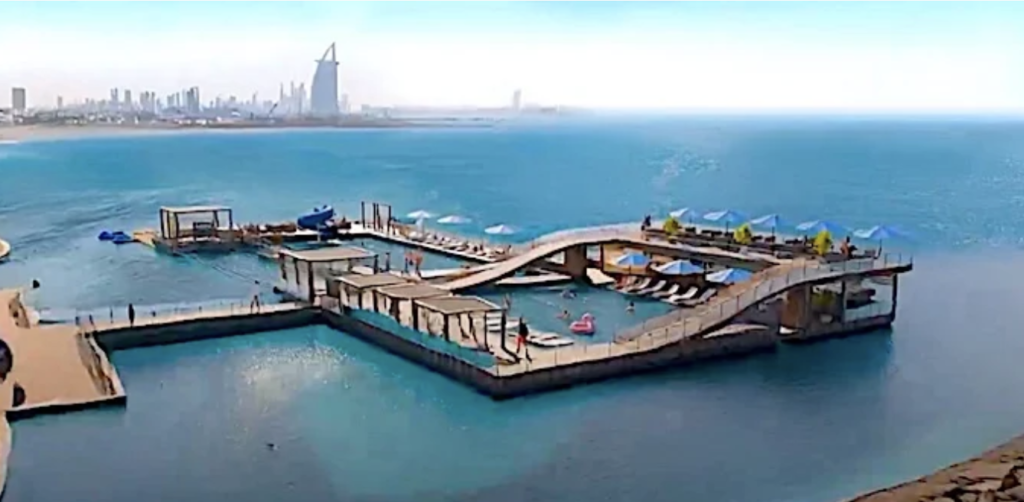
- A 38-metre observation tower inspired by Dubai’s maritime history
- Upgraded road access from Jumeirah Street with improved traffic flow

Sustainability and climate resilience
The project places strong emphasis on sustainability, including climate change adaptation measures such as a two-kilometre retaining wall, elevated beach levels, and an AI-powered smart facilities management system to enhance operational efficiency.
Boosting tourism and private sector participation
Dubai Municipality will actively engage private sector partners and investors, strengthening public-private partnerships and further supporting Dubai’s tourism economy.
Once completed, the redeveloped Umm Suqeim Beach is expected to become a globally recognised urban landmark, offering a destination that combines leisure, sport, culture and sustainability.





Health
Dubai’s strict new medical rules: Why doctors, clinics and influencers face tough social media limits


If you scroll through medical feeds in Dubai, you’ve probably seen your share of ‘miracle’ transformations, ‘magic’ fixes, and glowing influencer reviews. That era is coming to a hard stop.
The Dubai Health Authority (DHA) has rolled out sweeping new social media guidelines targeting every licensed doctor, clinic, and hospital promoting services across platforms like Instagram, TikTok, YouTube, Snapchat, Facebook, LinkedIn, and WhatsApp.
Here is a breakdown of what is changing, what is officially off-limits, and how it impacts anyone creating medical content in the emirate.
1. Hype words are banned


The DHA is tackling exaggerated claims that give patients unrealistic expectations. If you are promoting a procedure, you can no longer describe it with words like:
- Miraculous or magic
- The best, unique, or incomparable
- 100%, certain, or guaranteed success
- Zero side effects or immediate results
- Pioneer, famous, or exclusive
Any promo promising money-back guarantees, taking cheap shots at competitor clinics, or slamming government entities is strictly barred.
2. Influencers face direct accountability


Partnering with influencers won’t create a legal loophole. If an influencer features a clinic, treatment, or outcome, the content must be reviewed and signed off by the facility’s medical director before it goes live.
Even if an influencer shoots a reel on their personal phone inside a clinic or shares it to their private profile, the clinic itself is held legally responsible.
3. Strict rules on professional titles


Doctors and staff can only use the exact job titles printed on their official DHA licenses. Vague or buzzy marketing labels like Beauty Expert, Anti-Ageing Specialist, Cosmetic Specialist, or Cosmetologist are no longer permitted.
Additionally, the title Dr is reserved exclusively for physicians, dentists, and holders of recognised PhD degrees attested by the UAE Ministry of Education.
4. No surgery live-streams and tighter photo rules


The rules also clamp down on patient imagery:
- Operating Rooms: Filming or live-streaming promotional videos during minor or major surgeries, or while a patient is under anaesthesia, is completely banned.
- Before-and-After Shots: Photos must show the same patient, captured with the same camera lens, completely unedited, and paired with a clear disclaimer stating that results vary.
- Consent: Facilities must secure written consent before posting any patient’s image, video, or review (with parental consent mandatory for anyone under 18).
5. Separate accounts for visiting doctors


Doctors who divide their practice between Dubai and overseas can no longer mix their feeds. They are required to run a dedicated, Dubai-specific account that aligns fully with DHA standards, even when sharing content involving treatments done abroad.
6. Medical directors in the hot seat
Medical directors are now tasked with policing internal output. They must approve every social post mentioning the facility, archive content for unannounced DHA audits, designate moderators, and run regular staff training on what is legally acceptable.
The update forms part of the DHA’s wider 2022–2026 strategy to clean up digital medical marketing, respect local cultural values, and make sure patients get realistic, evidence-based healthcare information.

Odisha Wraps Up Three-Day UAE Investment Drive with Dh93.45B Proposals and 6,18,725 Employment Potential

Dubai drivers warned of delays due to Oud Metha Road bridge diversion this weekend