Connect with us

Business

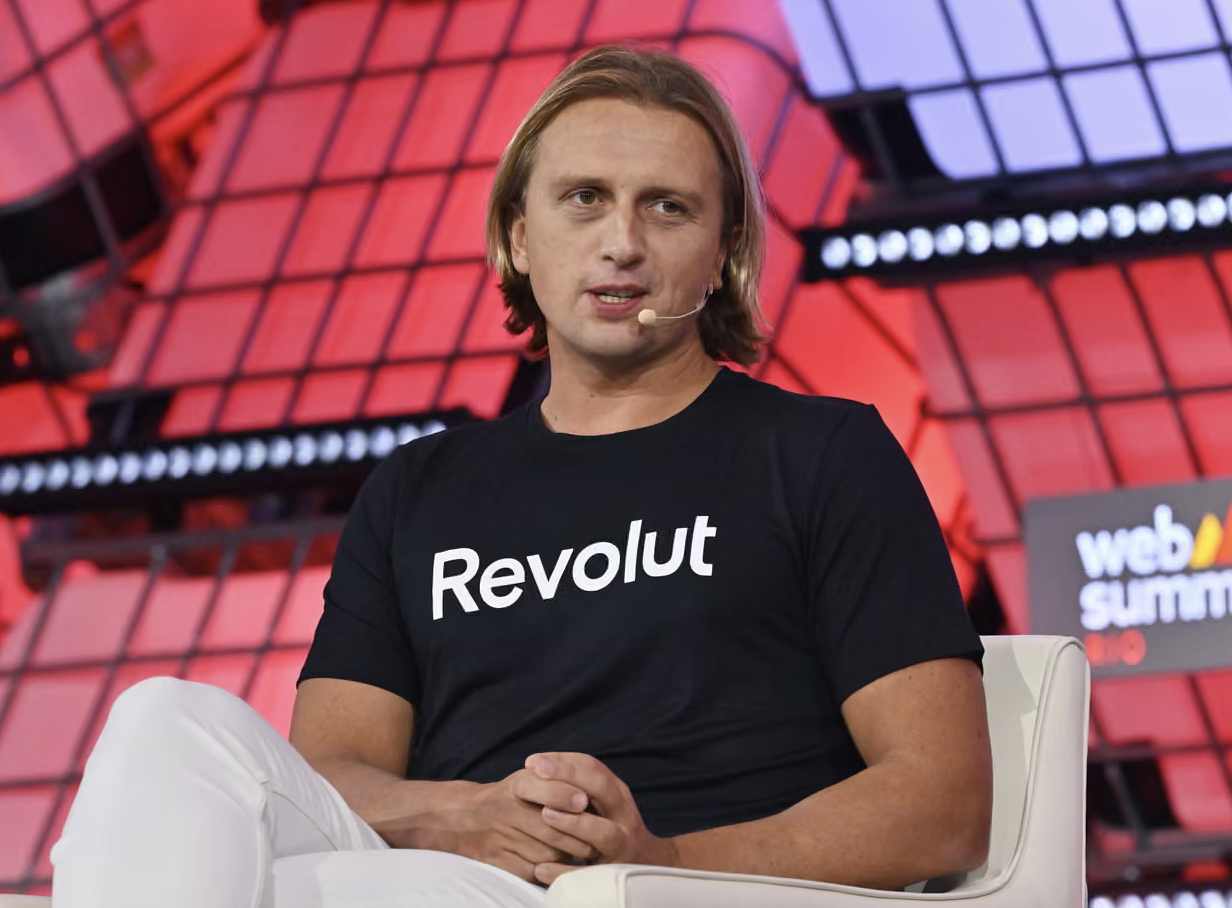
Why UK billionaire Nik Storonsky swapped London for the UAE

Published

on

Spread the love

When Nik Storonsky first built Revolut out of a small London co-working space in 2015, few could have predicted that it would become Europe’s most valuable fintech, or that its co-founder would one day relocate to the UAE, the rising capital of global finance and ambition.

This week, that move became official.
New filings with the UK’s Companies House confirm that Storonsky, a billionaire, disruptor, and still the driving force behind Revolut, has changed his country of residence from the UK to the UAE.

It’s a personal shift that carries bigger meaning: a symbol of how the world’s financial gravity is tilting toward the Gulf.

Leaving London’s legacy for Dubai’s dynamism

Storonsky’s relocation comes as the UK rethinks its economic landscape. The government’s decision to abolish the long-standing “non-domiciled” tax regime, once a major draw for global investors, has triggered a quiet but steady outflow of wealth and talent.

Why high-net-worth individuals prefer the UAE to the UK:

Zero income tax
Unmatched connectivity
World-class infrastructure
Growing reputation as a place where business and lifestyle intersect seamlessly.

From Russia to the UK

Born in Russia and now a British citizen, Storonsky cut ties with his Russian nationality after the invasion of Ukraine. For him, Dubai and Abu Dhabi offer both neutral ground and new ground, places to grow Revolut’s global ambitions while staying close to the action in Asia, Europe, and Africa.

According to official filings, Storonsky remained a UK resident until October 16, 2024. Now, his new chapter unfolds from the Emirates, though he is expected to keep one foot in London, where Revolut’s main office still operates and where he continues to push for a long-delayed UK banking licence.

The Gulf opportunity

Storonsky’s move also reflects Revolut’s growing interest in the region. In September, the Central Bank of the UAE granted the fintech a new licence to offer stored value and retail payment services, paving the way for a wider rollout of its digital banking products.

Revolut has since ramped up local hiring, deepened its partnerships, and even explored the acquisition of a UAE-based bank, a move that could make the Emirates its launchpad for expansion across the Middle East and beyond.

A tale of two cities

Even as he settles in the UAE, Storonsky hasn’t abandoned London. Revolut recently unveiled a new London headquarters and a £3 billion investment pledge, a statement of loyalty to the city where it all began. But in true entrepreneur fashion, Storonsky seems to be hedging his bets, maintaining London’s legacy while embracing Dubai’s dynamism.

With Revolut valued at $75 billion and analysts forecasting a potential doubling if it goes public, Storonsky’s financial future looks as bold as his relocation.

As the billionaire fintech founder settles into his new base in Dubai, one thing seems clear:
The story of Revolut’s next chapter, and perhaps of global finance itself, may no longer be written in London, but under the bright, forward-looking skyline of the Emirates.


With over 35 years of experience in journalism, copywriting, and PR, Michael Gomes is a seasoned media professional deeply rooted in the UAE’s print and digital landscape.

Business

Rupee hits record low: Should UAE residents send money now or wait?

Published

on

Spread the love

The Indian rupee has fallen to a record low, offering UAE-based expats one of the most favourable exchange rates in recent months for sending money home.

The Indian rupee was trading at around Rs25.93 per dirham, according to XE, while weakening to 95.25 against the US dollar.

For Indian residents in the UAE, the shift means more rupees per dirham, making it an attractive time to remit funds for expenses such as school fees, family support, or loan payments back home.

A Dh1,000 transfer could fetch around Rs25,930 (before fees), prompting increased activity at exchange houses, where customers often wait for such rate movements to make larger transfers.

The Reserve Bank of India has taken steps to stabilise the currency, including dollar sales through state-run banks, though the impact has been limited as global pressures persist.

What it means for expats

For UAE-based expats, the current exchange rate makes this a strong window to send money, especially for large transfers like school fees, property payments, or savings.

If you’ve been waiting for a better rate, this could be a good time to act. However, currencies can remain volatile, and small gains can be offset by exchange house fees. Some residents prefer to split transfers (send part now, part later) to balance risk.

Continue Reading

Announcements

How to get an industrial licence in Sharjah for just Dh1,000

Published

on

Spread the love

Sharjah offers a Dh1,000 industrial licence at the ‘Make it in the Emirates’ forum

New Sharjah initiative cuts the cost of starting industrial businesses

UAE entrepreneurs can launch factories in Sharjah for Dh1,000

Sharjah boosts manufacturing sector with new investor incentives

‘Make it in the Emirates’: Sharjah unveils low-cost industrial licence

Sharjah targets investors with fast-track industrial setup offer

Big opportunity for entrepreneurs as Sharjah lowers licence costs

Sharjah strengthens position as industrial hub with new initiatives

Sharjah is stepping up efforts to attract industrial investment, as the Sharjah Economic Development Department (SEDD) and Sharjah Foundation for Supporting Entrepreneurship take part in the latest edition of the Make it in the Emirates forum.

For entrepreneurs and expats looking to start or expand industrial ventures, one of the standout announcements is a special initiative offering instant industrial licences for just Dh1,000, covering all permitted industrial activities in the emirate.

Officials say the move is part of a broader strategy to simplify business setup, reduce costs, and accelerate project launches, making it easier for investors to enter the market.

Speaking at the forum, Hamad Ali Abdulla Al Mahmoud said the initiative reflects Sharjah’s commitment to building a diversified, knowledge-based economy, while supporting innovation and long-term growth in the industrial sector.

Beyond licensing, SEDD is also using the platform to connect with global manufacturers and industry leaders, aiming to build partnerships that support technology transfer and enhance the quality and global reach of Made in Sharjah products.

For business owners and aspiring founders, the initiative offers lower entry barriers, faster setup processes, and access to funding and support services.

How to apply for an industrial licence

Setting up an industrial business in Sharjah is becoming faster and more accessible. Here’s a simple breakdown of how to apply through the Sharjah Economic Development Department (SEDD):

1. Choose your activity
Select the industrial activity you want to operate. This licence covers a wide range of permitted manufacturing activities in Sharjah.

2. Submit your application
Apply through SEDD’s official website, service centres, or via initiatives promoted at the Make it in the Emirates forum.

3. Provide required documents
Typically includes:

  • Passport/Emirates ID copy
  • Business details
  • Initial approvals (if required for specific activities)

4. Get instant approval
The initiative offers fast-track processing, allowing many applications to be approved quickly.

5. Pay the fee
Pay the Dh1,000 licence fee, which covers all permitted industrial activities under this offer.

6. Start operations
Once approved, you can begin setting up your industrial project and access additional support services.

Entrepreneurs can also tap into funding, advisory, and training support through Sharjah Foundation for Supporting Entrepreneurship to help grow their business.

Continue Reading

Business

What new UAE anti-money laundering measures mean for businesses

Published

on

Spread the love

The UAE is strengthening its crackdown on financial crime, with the National Committee for Anti-Money Laundering and Combating the Financing of Terrorism and Proliferation Financing approving a new set of measures to boost transparency and enforcement.

Announced after its latest meeting, chaired by Khaled Mohamed Balama of the Central Bank of the UAE, the updates aim to strengthen how authorities detect, investigate, and prevent illicit financial activity.

A key highlight is a new national guide on financial intelligence and money laundering investigations, which improves coordination between agencies and introduces updated procedures for tracking and recovering assets, including those linked to virtual assets.

The committee also approved risk assessments across financial institutions, virtual asset providers, and non-financial sectors, enabling more targeted enforcement and oversight.

Stricter compliance for businesses

For businesses in the UAE, the new measures mean stricter compliance requirements but also a more stable and trusted operating environment.

Companies, especially in finance, real estate, and emerging sectors like virtual assets, will need to strengthen due diligence, improve internal controls, and align with updated risk assessments and reporting standards set in coordination with the Central Bank of the UAE.

While this may increase operational oversight and compliance costs in the short term, it enhances transparency, reduces exposure to financial crime risks, and reinforces the UAE’s reputation as a secure global business hub, ultimately boosting investor confidence and long-term growth opportunities.

Additional updates include revised national risk assessments on proliferation financing and non-profit organisations, reinforcing a risk-based approach to regulation.

While largely behind the scenes, these changes play a key role in maintaining the UAE’s position as a secure and trusted global financial hub, something that directly impacts businesses, investors, and the wider expat community.

Officials say the measures mark a more advanced phase in the country’s regulatory framework, with stronger coordination and improved readiness to address evolving financial risks.

Continue Reading

Popular

Exit mobile version
https://headline.ae/