Defending champions UAE Bulls have become the first founding franchise confirmed for the next era of the Abu Dhabi T10, reinforcing the team’s long-standing commitment to cricket’s fastest format.
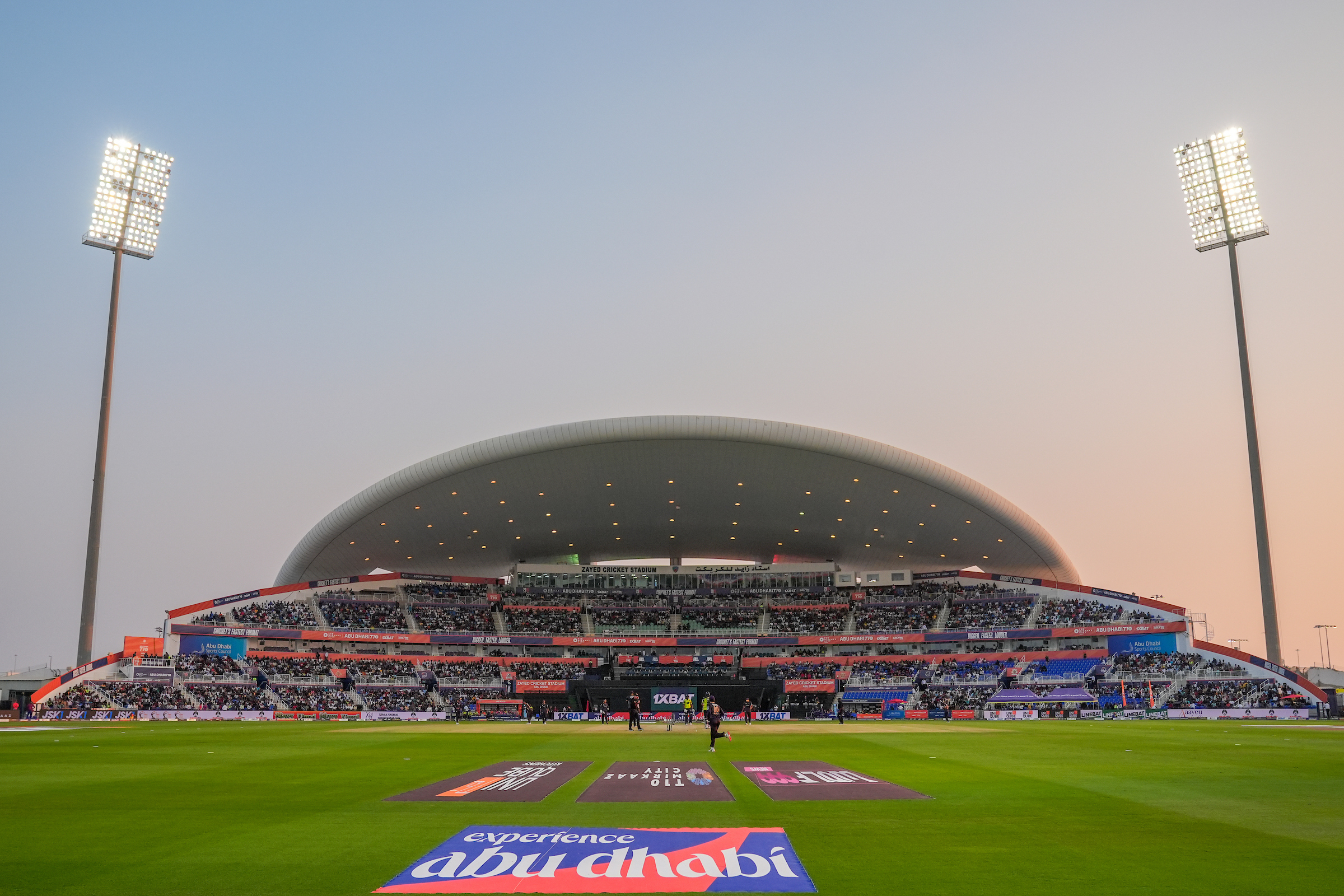
The announcement is the first of several franchise confirmations to come as Abu Dhabi T10 prepares for its 2026 edition, which will run from November 7 – 20 at the iconic Zayed Cricket Stadium in the UAE capital.
The UAE Bulls, who have been part of the T10 journey since the competition’s inception in 2017, have been confirmed as a founding franchise following the Deloitte Invitation to Bid process and will compete under the tournament’s new 10-year licence model. And the defending champions are already building towards their title defence, guided by internationally renowned Head Coach Andy Flower, with T20 great Dwayne Bravo continuing his involvement as bowling coach and mentor.
The confirmation comes as Abu Dhabi T10 enters a significant new chapter under the ownership and management of Abu Dhabi Cricket & Sports Hub (ADCSH), supported by the Abu Dhabi Sports Council (ADSC) and under the patronage of His Excellency Sheikh Nahyan bin Mubarak Al Nahyan, UAE Minister of Tolerance and Coexistence and Chairman of the Emirates Cricket Board.
The new structure is providing the tournament with stronger governance, long-term stability, and a platform for sustainable growth, while building on the pace, entertainment and global appeal that are now synonymous with T10 cricket.
For the UAE Bulls, the announcement also strengthens a relationship with the competition stretching back to its formative years when the team originally competed as the Delhi Bulls. Having rebranded, the UAE Bulls reached the final in 2024 before going one better in 2025, producing a dominant performance in the final to secure its first Abu Dhabi T10 title.
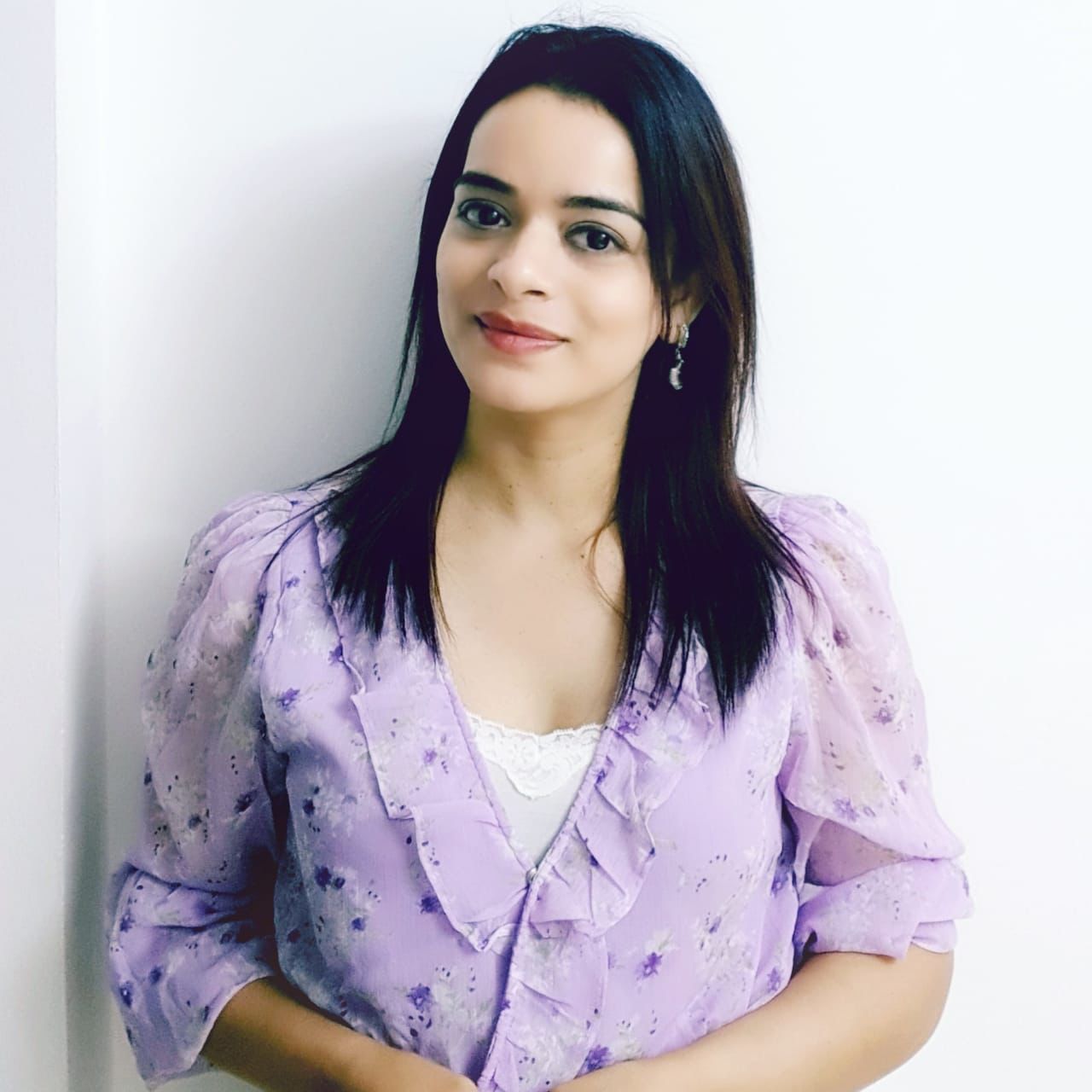
UAE Bulls Owner Neelesh Bhatnagar said the decision to commit to the competition’s next chapter reflected both its belief in the T10 product and confidence in the tournament’s future under its new stewardship.
“We have believed in T10 cricket and its potential from the beginning, so we are extremely proud that the UAE Bulls will be the first founding franchise confirmed for this exciting new chapter,” said Bhatnagar.
“The new institutional backing and long-term structure provide a solid foundation from which Abu Dhabi T10 can continue to grow in value, stature, and international appeal. Winning the title in 2025 was an incredibly special moment for everyone associated with the UAE Bulls, but we now see that achievement as the beginning of another journey. We are excited about what lies ahead and determined to play our part in the competition’s continued success.”
UAE Bulls Head Coach Andy Flower said his connection with Abu Dhabi T10 and the UAE Bulls had continued to strengthen over the years. “I’ve thoroughly enjoyed every visit to Abu Dhabi for the ADT10 over the years, and my connection with the Bulls has grown stronger throughout that time, particularly with the support and commitment Neelesh has shown towards the team,” said Flower.
“We have some very special memories from last season, and we’re excited to return as defending champions and be part of the relaunched Abu Dhabi T10.”
Matt Boucher, CEO of Abu Dhabi Cricket & Sports Hub and Abu Dhabi T10, welcomed confirmation of the UAE Bulls’ participation under the new structure, describing their long-standing association with the competition as an important asset as Abu Dhabi T10 moves forward.
“The UAE Bulls understand both the qualities that make T10 such a compelling format and the opportunity that exists to take the competition to another level,” said Boucher. “As we enter the tournament’s next innings, we value partners who share our ambition to build sustainably for the long term. The UAE Bulls have demonstrated that commitment over many years, and their confirmation as our first founding franchise is a fitting way to begin this next chapter.
“Our positioning of ‘Same Energy. New Ethos.’ captures exactly what we are seeking to achieve. We want to retain the excitement, intensity, and entertainment that audiences associate with Abu Dhabi T10 while introducing a structure and approach capable of supporting its ambitions for the decade ahead.”