Entertainment
Die Hard is a Christmas (terrorism) movie




[ad_1]
The following article contains spoilers for Die Hard.
‘Tis the season – for office holiday parties, being jolly and the annual battle over whether Die Hard is a Christmas movie. For years, a tongue-in-cheek debate has swirled around the violent action film, which was released in the US in July 1988, 35 years ago this year.
The movie is set on Christmas Eve at a skyscraper in Los Angeles, where Japanese conglomerate the Nakatomi Corporation is holding an office party for its staff and their family members. Detective John McClane (Bruce Willis) is a New York City cop whose spouse, Holly Gennaro, works for Nakatomi.
A group of apparent terrorists takes over the building and seizes the partygoers as hostages. Their leader, Hans Gruber (Alan Rickman), demands the release of several members of terrorist groups held prisoner around the world and safe passage from the US.
The twist that soon emerges is that Gruber, an East German and one-time terrorist himself, is really leading a group of thieves. They are using the hostage taking as cover to carry out a heist of several hundred million dollars in bearer bonds, intending to make off with the bonds while sacrificing the hostages in the process. McClane intervenes to save the day.
Forgotten in the “is it a Christmas film?” debate is the terrorism angle in the movie’s plot and what it has to say about the subject.
Fact and fiction
In 1988, the cold war was still on, although on the wane. It was years before September 11 2001, after which terrorism would dominate international agendas, as well as receive greater attention in films.
In Die Hard, Gruber demands that prisoners from the New Provo Front, Liberte de Quebec and the Asian Dawn Movement be released in exchange for the hostages. Although the three terrorist groups are fictional, all are clearly modelled after real entities.
The New Provo Front is the Provisional Irish Republican Army, Liberte de Quebec is a stand in for Front de liberation du Quebec and the Asian Dawn Movement resembles the Liberation Tigers of Tamil Eelam, often referred to as the Tamil Tigers. Gruber himself is mentioned as having once been a member of the Volksfrei, an apparent allusion to the Red Army Faction also known as the Baader-Meinhof Group.
While the pretend terrorists in Die Hard are clearly versions of real ones, they were somewhat out-of-date depictions. The film’s terrorists more readily resemble those active in the 1960s and 1970s, at least in relation to their motivation.
Political scientist David C. Rapoport, in his frequently challenged article The Four Waves of Modern Terrorism referred to international terrorism in this era as the New Left wave, because of the far-left ideological motivation of many of those engaged in political violence.
In that sense, Die Hard in 1988 served up one last taste of the 1970s. But why? The answer lies in the source material. The screenplay is based on a 1979 novel by Roderick Thorp called Nothing Lasts Forever.
In the novel, the terrorists, whose ranks include (in 1970s fashion) several women, are targeting a large corporate headquarters not because of greed but to expose the fictional Klaxon oil company’s support for the right-wing dictatorship in Chile, damaging the company in the process. These themes clearly had less resonance by the late 1980s when Die Hard was made, and the plot changed to transform the villains from far-left terrorists to an all-male collection of thieves.
Terrorism of the 1980s
By the time Die Hard first appeared in July 1988, the international terrorism landscape had become more varied and deadlier compared to the 1970s. Groups such as Shining Path and Hezbollah appeared earlier in the decade, and several high-profile and high-casualty attacks would occur throughout the 1980s.
The year Die Hard premiered, a terrorist group that would eventually become known as al-Qaeda was being organised in Afghanistan. This was part of what Rapoport viewed as a fourth terrorism wave connected to a religious motivation. Adding to the diverse and violent mix was state terrorism – political and ideological violence carried out by state agencies and often ignored in the focus on violence by non-state actors.
Indeed, just four days before Christmas 1988, a horrendous act of terrorism occurred: the bombing by Libyan government agents of Pan American Flight 103 over Lockerbie, Scotland in which 270 people, including 11 on the ground, died.
Actual terrorism may not have been present in the film, but it was in the world outside of the cinema at the time. In that sense, it is somewhat confounding that the film is now considered by many to be a Christmas classic. More than reminding viewers of the meaning of Christmas, Die Hard and the book it is based on remind us that political violence was enough of an ongoing reality to influence popular culture well before 9/11.
Author: Steve Hewitt – Associate Professor in North American History, University of Birmingham 

[ad_2]









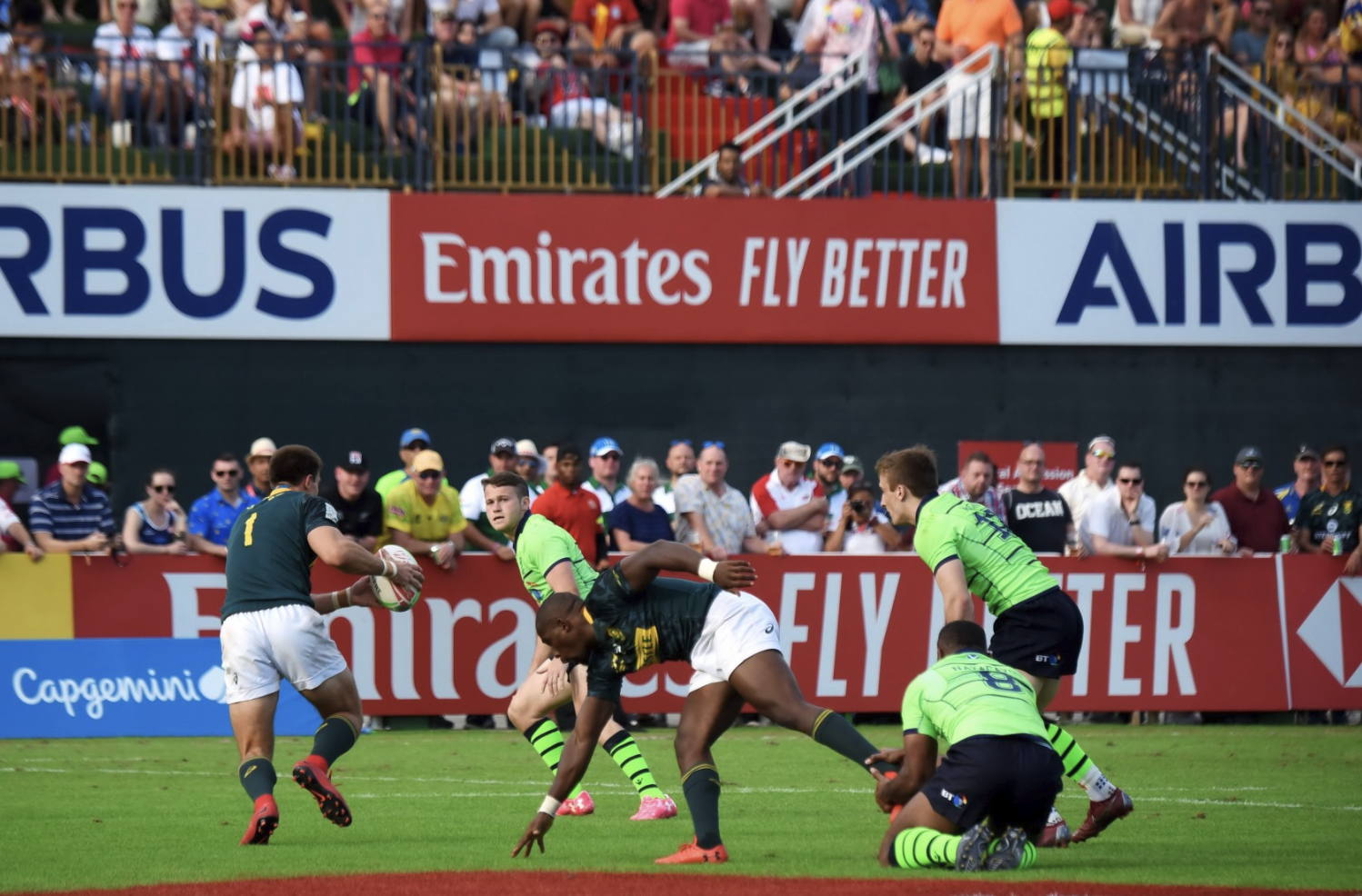
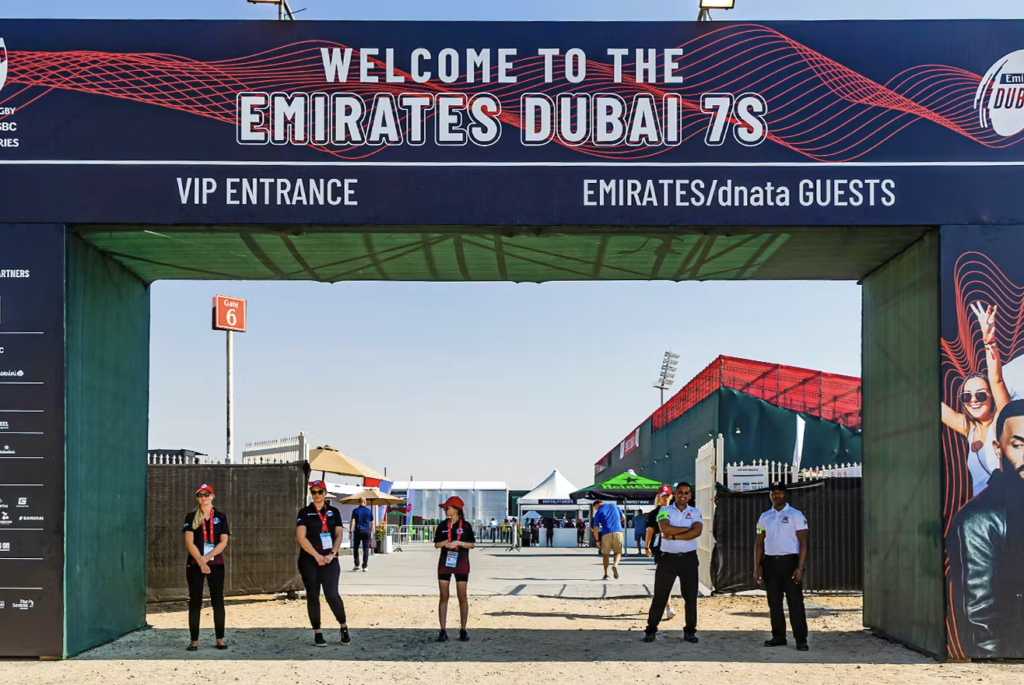
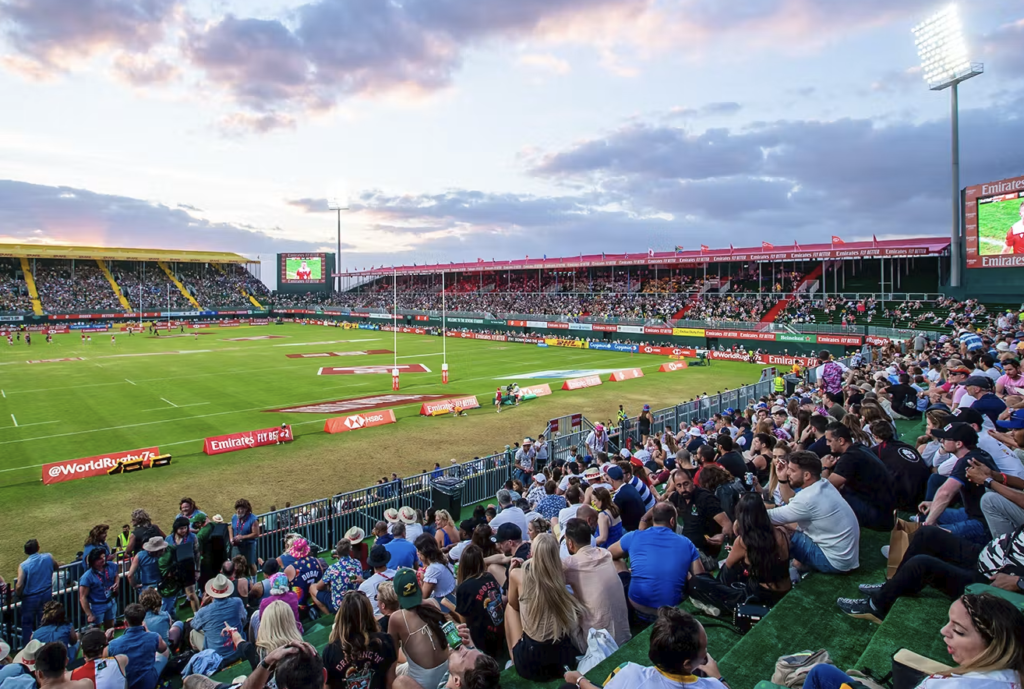
Emirates Dubai 7s is returning to The Sevens Stadium from November 27 to 29, with tickets now on sale for the three-day sports and entertainment festival.
The 2026 edition will bring together international rugby, amateur sports, live music and family entertainment, with organisers promising a bigger programme than previous years.
The festival attracted more than 88,000 visitors in 2025 and will again take place during the final weekend of the Dubai Fitness Challenge.
Ticket prices

Ticket prices for General Admission and Hospitality have stayed the same for a third consecutive year.
Three-day General Admission tickets cost Dh595 per person, while the three-day Family Pass is Dh1,136 for two adults and two children.
Other ticket options

- Group pass: Dh446 per person for four or more adults
- Saturday or Sunday: Dh455
- Friday: Dh75
- Under 15s: Free
- People of Determination + carer: Dh375
Tickets can be purchased through the Emirates Dubai 7s website and app.
Bigger family attractions


Family entertainment will get a major boost this year as the UAE celebrates the Year of the Family.
The festival will feature its biggest-ever Kids’ Zone, including the UAE’s largest inflatable kids’ zone, along with a Ferris wheel and zipline. More attractions are expected to be announced ahead of the event.
Six sports and top rugby action

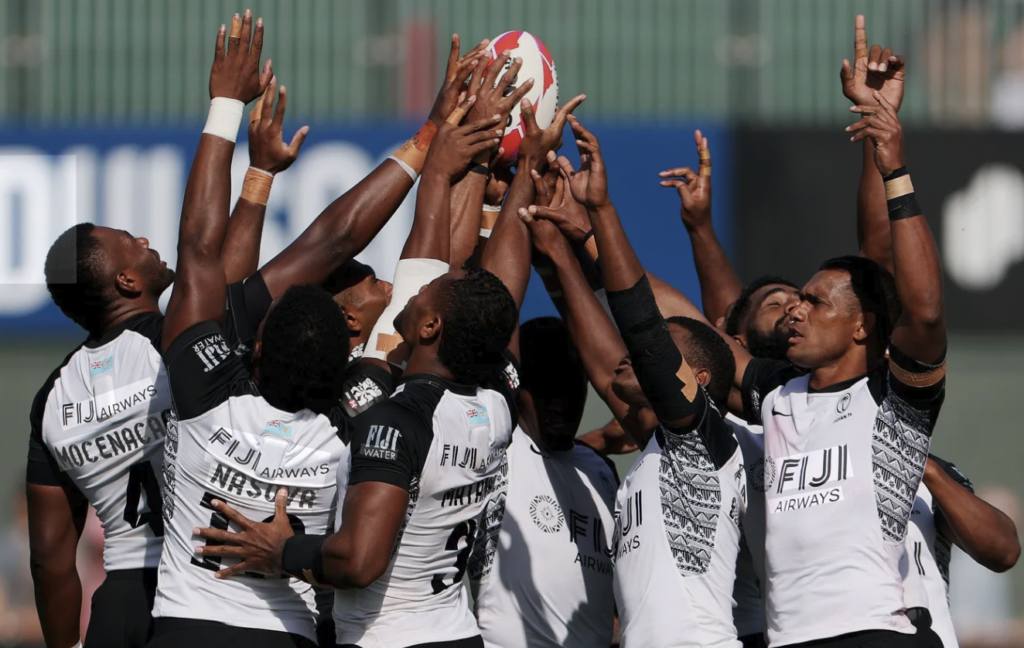
Alongside elite rugby, visitors can watch or take part in competitions across six sports — rugby, netball, cricket, WODON3 fitness, Rebound padel and Gaelic Football.
Gaelic Football will join the festival for the first time in 2026.
The Sevens Stadium will also host the opening round of the HSBC SVNS Series 2027, bringing the world’s leading rugby sevens players to Dubai.
The WODON3 Elite final will take place on Pitch 1 between HSBC SVNS matches, with competitors potentially performing in front of crowds of up to 20,000.
Music all weekend

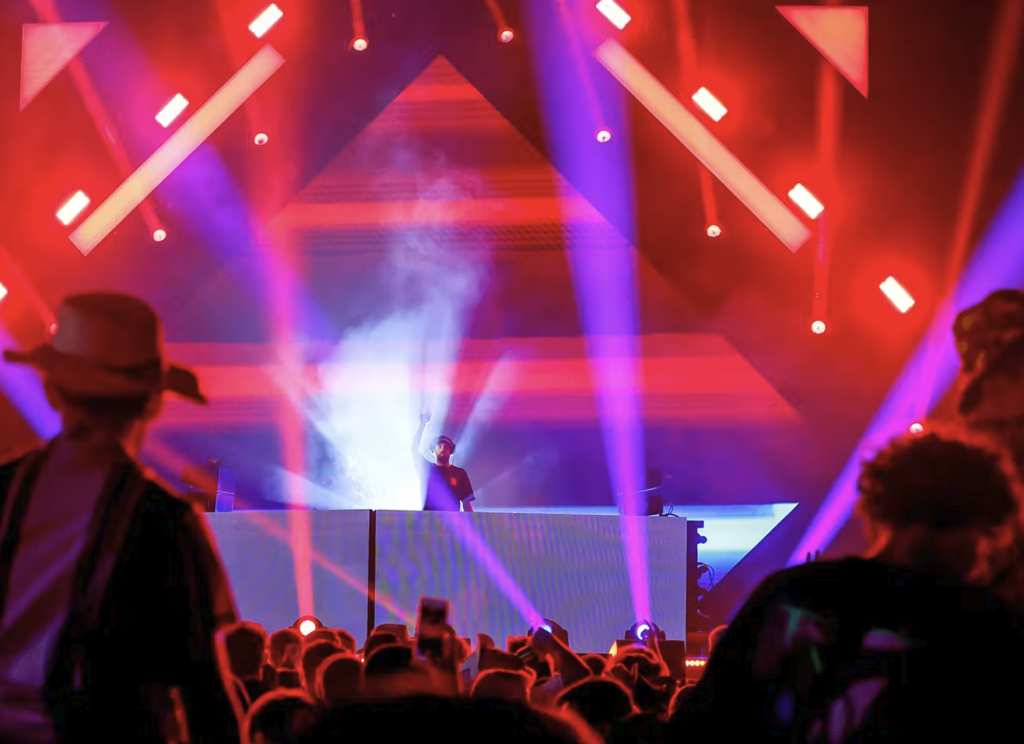
Live entertainment will run throughout the festival, with local and international artists performing across three days.
Last year’s line-up included Tinie Tempah, Sean Paul and Fisher, while the 2026 headline acts will be announced later.
For a premium experience, The Sunroom returns with all-inclusive food and drinks, shaded seating, prime sporting views and dedicated access. Packages start from Dh1,925 per person.
With sport, music and family attractions packed into one weekend, Emirates Dubai 7s is gearing up for another big Dubai event.
Entertainment
Dubai launches ‘Dubai+’ family streaming platform to boost digital media and creative economy




Yas Marina to stage first Abu Dhabi F1 Sprint as 2027 calendar expands

Football community mourns ex-Chelsea star’s son after tragic desert hike