Connect with us

News

Dubai issues new law on sharing accommodation, fines up to Dh1 million for violations

Published

on

Spread the love

Sheikh Mohammed bin Rashid Al Maktoum, Vice President and Prime Minister of the UAE and Ruler of Dubai, has issued Law No. (4) of 2026 to regulate the management and occupancy of shared housing in Dubai.

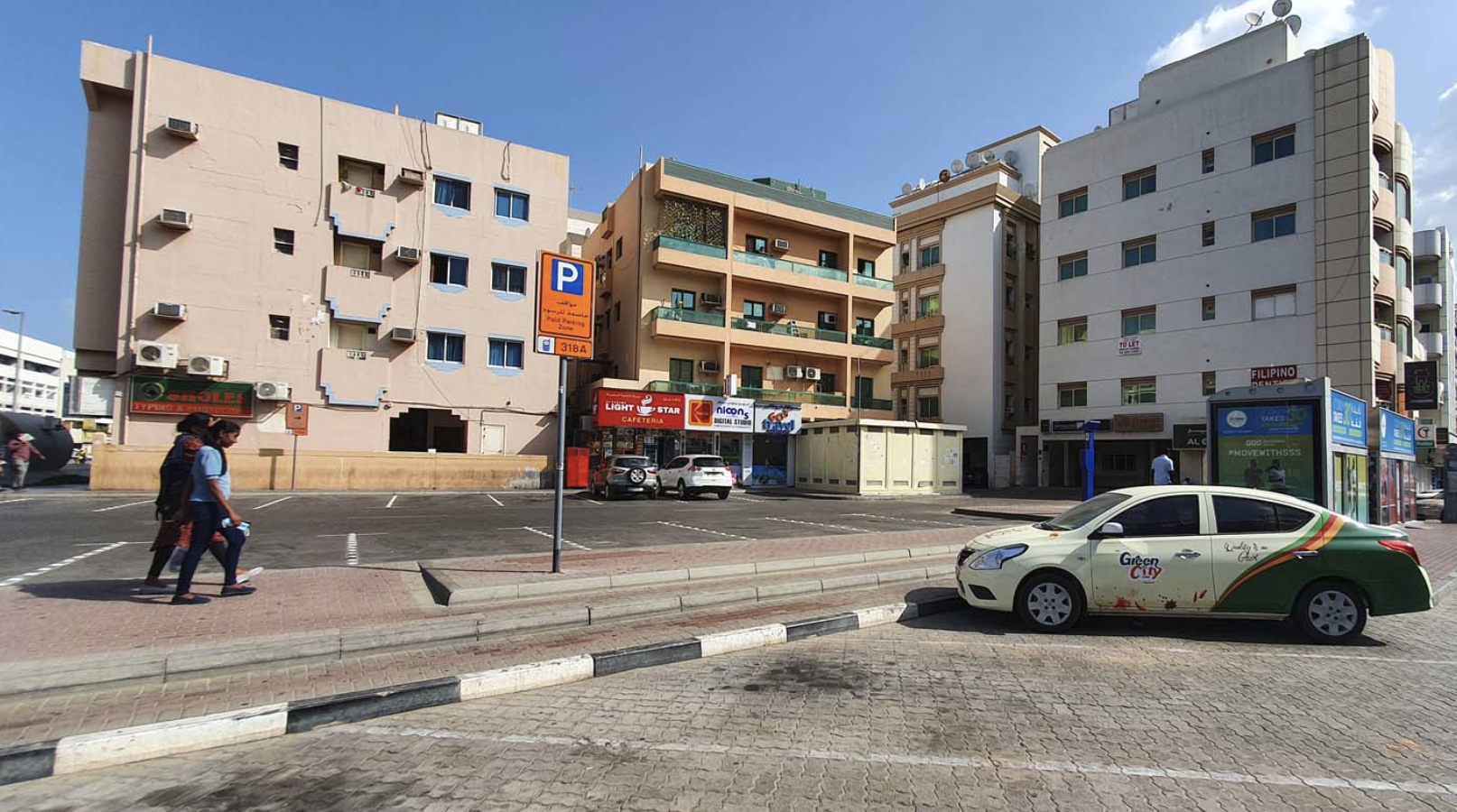
The new law applies across Dubai’s private development zones and free zones and sets clear rules for property owners, authorised operators, and tenants involved in shared housing arrangements.

What the law aims to do

The legislation is designed to organise shared housing in the emirate and address issues such as overcrowding and informal accommodation. The law aims to:

  • Protect the rights of property owners and residents
  • Ensure safe and healthy living conditions
  • Prevent overcrowding and illegal housing practices
  • Address building and land-use violations
  • Promote fair rental practices
  • Support the stability and appearance of Dubai’s real estate market

Permit required for shared housing

Under the law, no individual or entity may allocate a property unit for shared housing without obtaining an official permit.

Permits will be issued and renewed according to rules set by Dubai Municipality, in coordination with Dubai Land Department and other authorities.

Properties must meet specific technical and safety requirements, including:

  • Maximum occupancy limits
  • Minimum space per resident
  • Adequate shared facilities
  • Compliance with building, health, fire, sanitation, security, and electrical standards

Permit validity and renewal

  • Permits are valid for one year and may be renewed for similar periods.
  • At the owner’s request, a two-year permit may be issued.
  • Renewal applications must be submitted at least 30 days before expiry.

Leasing rules

The law states that only the property owner or an authorised establishment can lease a shared housing unit.

Tenants or other parties are not allowed to sublease any part of the unit, ensuring better oversight and compliance with regulations.

Heavy fines for violations

Violating the law can result in fines ranging from Dh500 to Dh500,000.

If the same violation is repeated within one year, the penalty will be doubled, up to a maximum of AED1 million.

Authorities may also impose additional measures, including:

  • Suspension of activity for up to six months
  • Cancellation of the permit
  • Revocation of the commercial licence
  • Disconnection of public utilities
  • Eviction orders for non-compliant units

Oversight and implementation

Dubai Municipality will set detailed conditions for shared housing, including maximum occupancy levels, required space per resident, and necessary facilities. The authority will also determine which areas in Dubai are permitted for shared housing, based on urban planning, population density, infrastructure capacity, and neighbourhood characteristics.

The law applies to companies licensed to manage or lease properties on behalf of owners, including those operating in special development zones and free zones. However, collective labour accommodation is excluded from its scope.

When the law takes effect

The law will come into force 180 days after its publication in the Official Gazette, and any conflicting provisions in other legislation will be annulled.

With over 35 years of experience in journalism, copywriting, and PR, Michael Gomes is a seasoned media professional deeply rooted in the UAE’s print and digital landscape.

Continue Reading
Advertisement
Click to comment

Leave a Reply

Your email address will not be published. Required fields are marked *

Crime

Abu Dhabi warns public about fraudulent SMS and iMessage phishing scams

Published

on

Spread the love

Abu Dhabi Customs has issued a warning to the public about fraudulent SMS and iMessage messages circulating that impersonate the authority and well-known shipping companies in an attempt to steal personal information.

According to the authority, scammers are sending messages that appear legitimate, often claiming there is a shipment issue, customs fee, or a request to update delivery details. These messages usually include malicious links designed to trick recipients into providing sensitive information such as personal data, banking details, or login credentials.

Abu Dhabi Customs urged the public not to interact with these messages or open any links, stressing that fraudsters sometimes use phone numbers or names that falsely suggest they are associated with official entities to gain people’s trust.

The authority advised customers to avoid sharing personal information with unknown parties and to rely only on official channels to access services, track shipments, or obtain customs-related information.

Abu Dhabi Customs also reaffirmed its commitment to maintaining high cybersecurity standards and protecting customer data, noting that it works with relevant authorities to monitor and address digital fraud attempts.

Members of the public are encouraged to report any suspicious messages impersonating Abu Dhabi Customs through official channels, helping authorities raise community awareness and reduce phishing attempts.

Continue Reading

News

Dubai: 24/7 truck movement permit extended until March 22

Published

on

Spread the love

Dubai’s Roads and Transport Authority (RTA), in coordination with Dubai Police, has extended the 24-hour truck movement permit across the emirate until the evening of Sunday, March 22.

The move allows trucks to use most roads in Dubai around the clock to support the logistics sector and ensure smooth supply chain operations across the city.

In a statement, the RTA said the decision aims to facilitate the movement of goods and maintain efficient delivery services, particularly during periods of increased logistical demand.

However, the authority clarified that the Airport Tunnel and Al Shindagha Tunnel are excluded from the decision. Traffic restrictions will remain in place in these locations to ensure road safety and maintain smooth traffic flow.

Officials said the temporary measure is intended to help transport operators maintain efficient distribution networks while minimising disruptions across the emirate’s road network.

Continue Reading

News

UAE says onion, tomato price hikes temporary as market monitoring intensifies

Published

on

Spread the love

Food items such as onions and tomatoes have seen price increases in recent days. Still, the UAE Ministry of Economy and Tourism has said the rise is temporary and linked to the ongoing regional crisis.

The ministry confirmed that additional quantities of these commodities have already been supplied to markets to stabilise supply and help prices return to normal levels soon.

Officials stressed that there is no cause for concern regarding the availability of essential goods, noting that markets across the UAE continue to have sufficient stock and multiple alternatives available to consumers.

Increased market inspections

To maintain price stability, the ministry has intensified monitoring efforts at points of sale across the country. Specialised inspection teams are conducting daily field inspections in coordination with economic development departments in all emirates.

The inspections aim to prevent unjustified price increases and ensure compliance with consumer protection laws and pricing policies.

Essential goods under price regulation

Authorities highlighted that strict pricing policies apply to nine key essential commodities, including:

  • Cooking oil
  • Eggs
  • Dairy products
  • Rice
  • Sugar
  • Poultry
  • Legumes
  • Bread
  • Wheat

Retailers cannot increase the prices of these goods without prior approval from the ministry and the national committee responsible for regulating essential commodity prices.

Strategic food reserves

The ministry also confirmed that the UAE maintains a strategic stockpile of essential goods sufficient to cover market demand for up to six months.

Officials said the reserves are distributed across the country through a carefully planned system, ensuring efficient supply chains and quick responses to market needs.

Shipping and supply operations are continuing normally through all entry points, helping maintain a steady flow of goods to local markets.

Minister inspects Al Aweer market

Meanwhile, Abdulla bin Touq Al Marri, Minister of Economy and Tourism and Chairman of the Supreme Committee for Consumer Protection, conducted a field inspection at the Al Aweer Central Fruit and Vegetable Market in Dubai.

During the visit, he toured retail outlets, wholesale stores, and commercial shops to ensure compliance with consumer protection laws and price transparency.

The minister stressed that any compromise on food availability or consumer rights is a red line, adding that authorities will take strict legal action against violations or unfair commercial practices.

He also confirmed that daily imports of fruits and vegetables at Al Aweer market remain normal, reflecting the UAE’s strong supply chains and the readiness of its strategic food reserves.

Thousands of inspections conducted

Since the start of the regional crisis, the ministry has conducted more than 7,100 inspection campaigns across markets nationwide.

These inspections resulted in:

  • 567 violations detected, mainly related to unjustified price increases
  • 449 warnings issued to traders and suppliers
  • Fines totalling Dh207,250 imposed

Authorities said monitoring campaigns will continue to intensify in the coming period to maintain market stability and protect consumers.

Continue Reading

Popular

Exit mobile version
https://headline.ae/