Connect with us

Business

Dubai retains top spot as global leader in Greenfield FDI

Published

on

Spread the love

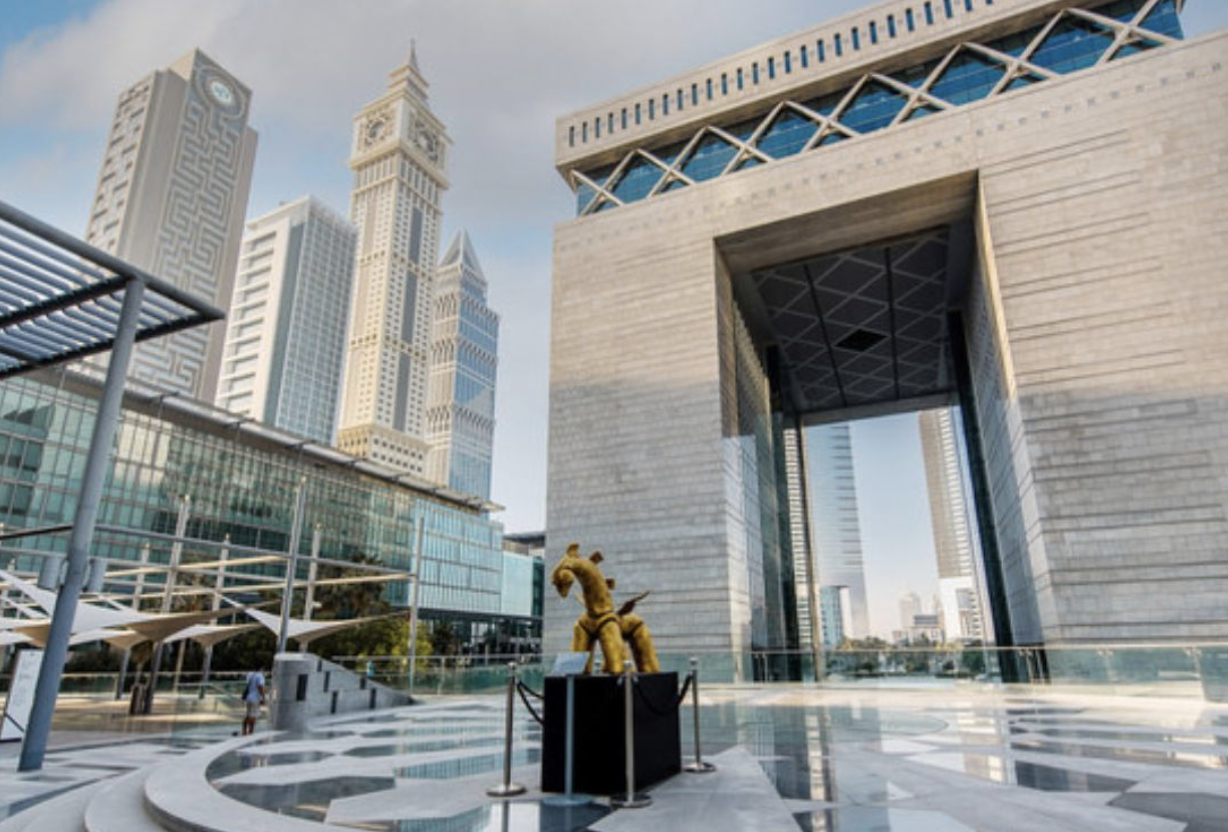
Dubai has once again cemented its status as the world’s No.1 destination for Greenfield Foreign Direct Investment (FDI) projects, maintaining its leading position for the fourth consecutive year, according to the latest data from Financial Times Ltd.’s ‘fDi Markets.’

In 2024, Dubai attracted an estimated Dh52.3 billion ($14.24 billion) in FDI capital, marking a 33.2% increase from Dh39.26 billion ($10.69 billion) in 2023. This represents the highest FDI value recorded for the emirate since 2020, underscoring its appeal as a prime global investment hub.

The emirate also achieved a new milestone by recording 1,117 Greenfield FDI projects in 2024, the highest in its history. In total, Dubai announced 1,826 FDI projects, an 11% increase from 2023, reinforcing its ability to attract international investment. The influx of FDI generated 58,680 new jobs in 2024, reflecting a 31% increase from the previous year and further demonstrating Dubai’s role as a major employment driver.

Strategic Vision and Investment Leadership

Dubai’s consistent FDI growth is the result of strategic economic planning, spearheaded by His Highness Sheikh Mohammed bin Rashid Al Maktoum, Vice President and Prime Minister of the UAE and Ruler of Dubai, and supported by Sheikh Hamdan bin Mohammed bin Rashid Al Maktoum, Crown Prince of Dubai.

The city’s investment policies align with the Dubai Economic Agenda D33, which aims to double the size of the emirate’s economy by 2033 and position it among the world’s top three urban economies.

Sheikh Hamdan stated, “Dubai’s ability to sustain its No.1 global ranking in Greenfield FDI attraction is a testament to its strategic vision and investor-centric approach. Despite global economic challenges, Dubai continues to offer a stable, forward-looking business environment that fosters long-term growth and innovation.”

What is Greenfield investment?
Greenfield investment (GI) refers to a type of foreign direct investment (FDI) where a company establishes operations in a foreign country. The company constructs new (green) facilities (sales office, manufacturing facility, etc.) cross-border from the ground up.

A Global Investment Magnet

Dubai’s ability to attract international capital is driven by its world-class infrastructure, investor-friendly regulations, and strategic geographic position. In 2024, the city ranked third globally in terms of job creation through inward FDI, up from fourth in 2023, while maintaining its top ranking in the Middle East and Africa (MEA). Key sectors contributing to this growth include business services, software and IT, real estate, financial services, and industrial equipment.

For the third consecutive year, Dubai was ranked No.1 globally in attracting Headquarter (HQ) FDI projects, securing 50 major HQ investments in 2024 alone. The city also saw a rise in investments across advanced sectors such as artificial intelligence (AI), cybersecurity, and e-commerce, further strengthening its position as a global technology and innovation hub.

Investment Confidence and Market Leadership

Helal Saeed Almarri, Director General of the Dubai Department of Economy and Tourism (DET), highlighted the emirate’s resilience in attracting capital. “Dubai’s ability to continuously draw foreign investment amid evolving global economic conditions is a reflection of its strong governance, strategic planning, and robust business ecosystem.”

According to ‘fDi Markets’ data, Dubai led in Greenfield FDI projects across multiple industries, including financial services, real estate, and technology. The emirate’s share of global FDI projects in Advanced Information Technologies (AIT) increased from 7.3% in 2023 to 8% in 2024, reinforcing its leadership in the digital economy.

Key Investment Sources and Sectors

Dubai’s top five FDI source countries accounted for 63% of total investment inflows in 2024, with India leading at 21.5%, followed by the US (13.7%), France (11%), the UK (10%), and Switzerland (6.9%).

The top sectors attracting FDI capital included hotels & tourism (14%), real estate (14%), software & IT services (9.2%), building materials (9%), and financial services (6.8%). Meanwhile, the most active sectors in terms of FDI projects were business services (19.2%), food & beverages (16.5%), and software & IT services (14.3%).

Future Outlook: Sustaining Growth Amid Global Shifts

Dubai’s outlook for FDI in 2025 remains positive despite global economic uncertainties. The emirate is expected to maintain its strong investment momentum, particularly in high-tech and innovation-driven sectors. With an investor-friendly regulatory environment and a focus on long-term economic stability, Dubai continues to attract major private equity and sovereign investors.

As the city advances toward its ambitious economic goals, Dubai remains a global benchmark for investment excellence, economic resilience, and business-friendly policies. Its ability to consistently deliver on its strategic vision ensures that it remains a top destination for international investment, trade, and innovation in the years ahead.

(Source: Wam)

With over 35 years of experience in journalism, copywriting, and PR, Michael Gomes is a seasoned media professional deeply rooted in the UAE’s print and digital landscape.

Continue Reading
Advertisement

Announcements

Ajman to launch new Rental Dispute Resolution Centre under 2026 law

Published

on

Spread the love

Ajman has announced the establishment of a new Rental Dispute Resolution Centre, aimed at streamlining landlord-tenant disputes and strengthening stability in the emirate’s real estate sector.

His Highness Sheikh Humaid bin Rashid Al Nuaimi, Supreme Council Member and Ruler of Ajman, has issued Law No. (1) of 2026, formally creating the centre and replacing the existing rental disputes committee.

Clearer, Faster Rental Dispute Resolution

The new law introduces transparent and clearly defined mechanisms for reviewing and adjudicating rental disputes, with the objective of:

  • Protecting the rights of landlords and tenants
  • Enhancing confidence in Ajman’s property market
  • Supporting a stable and attractive investment environment

Jurisdiction and Scope

The specialised centre will have authority over all rental-related disputes between landlords and tenants, including:

  • Residential and commercial properties
  • Properties located within free zones

Cases will be handled using procedures aligned with recognised legal and judicial standards, ensuring fairness and consistency.

Boosting Market Stability

Officials said the new centre is designed to:

  • Speed up dispute resolution
  • Reduce litigation timelines
  • Ensure swift and effective justice

The move is expected to contribute to social and economic stability in Ajman’s leasing and real estate sector, while reinforcing investor confidence.


Continue Reading

Business

Your face or palm could soon pay for purchases in the UAE

Published

on

Spread the love

Paying for everyday services in the UAE could soon be as simple as showing your face or palm.

The Central Bank of the UAE (CBUAE) has introduced the region’s first biometric payment solution, allowing users to make payments using facial recognition or palm biometrics, without cards, cash, or mobile phones.

The new system is currently being tested in a pilot phase at the Dubai Land Department, where customers authenticate payments through biometric scans in a controlled environment.

How Biometric Payments Work

The pilot enables:

  • Payments using face or palm recognition
  • No need for physical cards or smartphones
  • Faster, more secure transactions

The initiative is part of the CBUAE Sandbox Programme and Innovation Hub at the Emirates Institute of Finance, developed in collaboration with Network International and powered by PopID.

Focus on Security and User Experience

The Central Bank said the pilot is designed to assess security, efficiency, and operational readiness before any wider rollout. No timeline has yet been announced for expanding the system beyond the testing phase.

CBUAE officials say biometric payments could significantly enhance transaction security while improving customer convenience. Industry leaders also expect biometric technology to play a growing role in digital commerce and cashless payments globally.

A Step Towards Cashless Payments

The pilot reflects the UAE’s broader push towards financial innovation, smart services, and cashless payment systems, positioning the country at the forefront of next-generation payment technology in the region.


Continue Reading

Announcements

Dubai launches global challenge to build the world’s first fully robotic villa

Published

on

Spread the love

Dubai Municipality has launched a global challenge to construct the world’s first residential villa built entirely using robotic construction systems, reinforcing Dubai’s position as a global testbed for advanced building technologies.

The project will be delivered by a consortium of more than 25 local and international technology companies and academic institutions, led by Dubai Municipality. Officials say the initiative aims to develop scalable, next-generation construction models that boost productivity, sustainability, and quality.

The announcement was made during the launch of 04 ConTech Valley, Dubai’s new Construction Innovation and Research Centre, developed in partnership with Expo City Dubai.

Global ConTech Momentum

At the event, Dubai Municipality also unveiled the Global ConTech Report, which projects that global construction technology investment will exceed $30 billion by 2033, growing at 17.5% annually.

Key findings highlight:

  • Labour shortages are a major global challenge
  • Rising investment in robotics and additive manufacturing
  • Rapid adoption of AI, robotics, prefabrication, and infrastructure technologies

Building a Stronger Innovation Ecosystem

Dubai Municipality also launched the ConTech Working Group, in collaboration with Dubai Chambers, bringing together government, developers, contractors, investors, researchers, and tech firms to accelerate innovation across the sector.

70–70 Strategy for 2030

Dubai also launched the 70–70 Strategy, aiming to shift 70% of construction to off-site manufacturing and achieve 70% factory automation by 2030, driving higher efficiency and sustainability.

Continue Reading

Popular

Exit mobile version
https://headline.ae/