Connect with us

News

How these UAE cities are winning the war on mosquitoes with smart technology

Published

on

Spread the love

Abu Dhabi is taking mosquito control to the next level, using AI-powered smart traps that are transforming how the city monitors and manages mosquito populations, and the results are impressive.

Smarter, Cleaner, More Effective

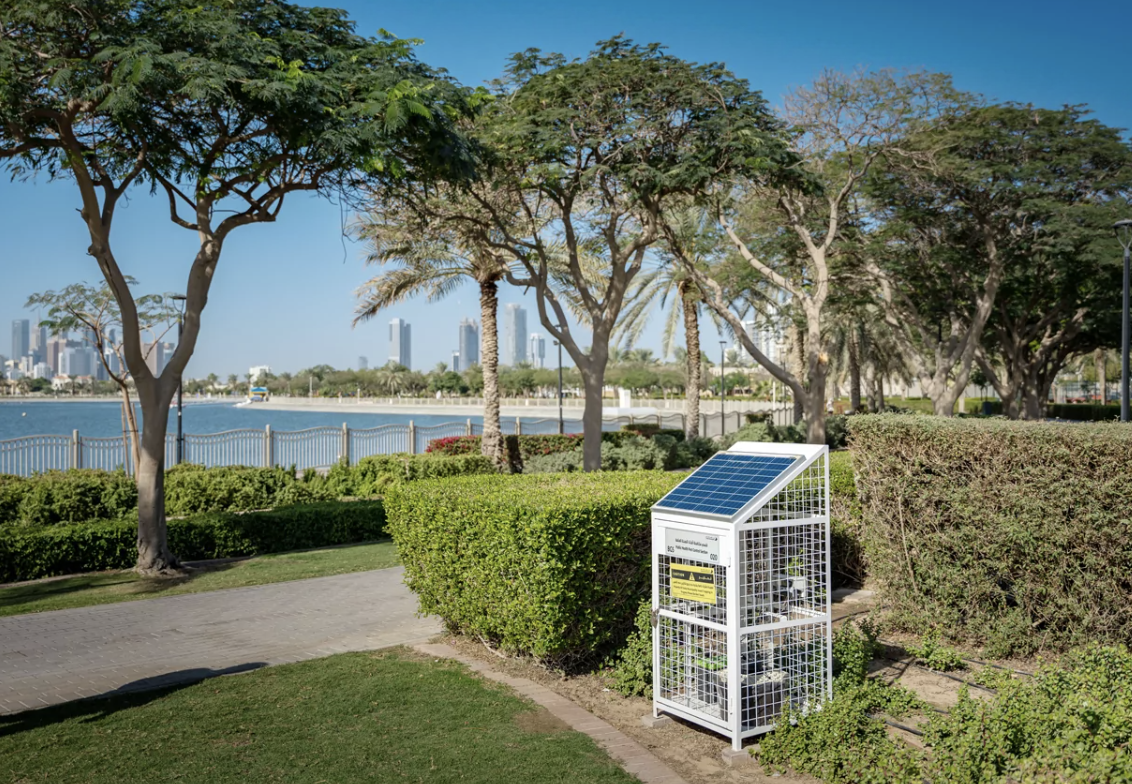
Unlike traditional mosquito traps, Abu Dhabi’s smart traps don’t rely on chemicals. Instead, they mimic human body emissions, releasing carbon dioxide and a chemical scent similar to human skin, to attract blood-seeking female mosquitoes. Once close, a fan draws the mosquitoes into a net, safely trapping them for analysis.

Each trap is equipped with high-precision sensors and wireless connectivity, allowing it to transmit real-time data, including the number of mosquitoes caught, temperature, humidity, and time, to a central cloud-based system.

AI at Work for Public Health

Using artificial intelligence, the data collected is instantly analysed via smart dashboards. This enables mosquito control teams to identify high-risk areas, peak activity times, and how environmental factors like heat and humidity influence mosquito behaviour, all without the need for on-ground chemical spraying.

Game-Changing Results

Since the smart trap network launched in 2020, Abu Dhabi has seen:

  • 400% increase in mosquito capture efficiency (from 60 mosquitoes per traditional trap to 240 per smart trap),
  • A 42% drop in identified breeding sites,
  • Significant improvement in tracking mosquito populations and seasonal trends.

Dubai has Also Installed Smart Traps to Protect Residents

Dubai had earlier this year rolled out smart traps to protect its residents from insect-borne risks.

237 Smart Traps Installed Across Dubai

Dubai Municipality recently announced the deployment of 237 smart traps in key locations across the emirate, forming part of its proactive efforts to improve public health and enhance pest control systems.

The traps have been strategically positioned in:

  • Residential and commercial neighbourhoods
  • Industrial zones
  • Markets and public parks
  • Areas near water bodies and public facilities

Powered by the Sun, Driven by Data

What makes these traps truly smart? They run on clean solar energy and provide real-time mosquito activity data. By continuously monitoring insect populations, Dubai’s pest control teams can respond more quickly and accurately, especially during the winter season, when mosquito reproduction spikes due to favorable conditions.

A Unified, Tech-Driven Public Health Strategy

Together, Abu Dhabi and Dubai are setting a regional benchmark in sustainable, tech-powered public health protection. While Abu Dhabi’s network has already led to a 400% improvement in mosquito capture efficiency and a 42% drop in breeding sites, Dubai’s new deployment complements the national push toward smarter, cleaner pest control.

By harnessing innovation and sustainability, the UAE is building safer cities, where data, AI, and clean energy play a key role in protecting public health.

Why It Matters

With climate change, urban expansion, and the rise of pesticide-resistant mosquito strains, smarter, sustainable solutions are essential for protecting public health.

With over 35 years of experience in journalism, copywriting, and PR, Michael Gomes is a seasoned media professional deeply rooted in the UAE’s print and digital landscape.

News

Dubai churches and temples shut temporarily, some shift to online services

Published

on

Spread the love

Several churches and places of worship across Dubai have announced temporary closures and suspension of in-person services starting April 3, following official directives prioritising public safety.

The move comes just ahead of important religious observances, including Easter services and Orthodox Palm Sunday on April 5.

Churches shift to online services

Prominent churches such as St. Thomas Orthodox Cathedral confirmed that all services will be held online in compliance with “strict instructions issued by UAE authorities.”

Similarly, St. Mary’s Catholic Church announced the closure of its premises to visitors while continuing to livestream select services, including Friday prayers.

The Mar Thoma Parish also stated that all “Passion Week” services will be conducted virtually.

However, St. Francis of Assisi Catholic Church confirmed that all masses are cancelled entirely, with no online streaming, urging parishioners to avoid visiting church grounds.

Meanwhile, St. Mina Coptic Orthodox Church suspended all services and activities, including its Friday liturgy, as a precautionary step.

Temples and Gurudwara follow suit

Beyond churches, other major religious centres, including the Guru Nanak Darbar Gurudwara and the Hindu temple in Dubai, have also announced closures until further notice, citing safety and security directives.

Community safety takes priority

Religious leaders across Dubai have emphasised that these measures are temporary but necessary, urging worshippers to follow official guidelines and avoid gatherings during this period.

While physical services are paused, many institutions are ensuring spiritual continuity through digital platforms, encouraging the community to stay connected remotely.

Continue Reading

News

Weekend road closures in Sharjah as Etihad rail work progresses

Published

on

Spread the love

UAE motorists should prepare for temporary disruptions as infrastructure works for the Etihad Rail project continue.

Authorities have announced that the exit from Maleha Road towards Emirates Road will be closed every weekend starting from 11pm on Saturday, April 4, until 5am on Monday, June 1. The closure is part of ongoing construction efforts tied to the UAE’s ambitious national railway network.

Drivers who frequently use this route are advised to plan and consider alternative roads to avoid delays, especially during late-night and early-morning hours.

The Etihad Rail project is set to transform transportation across the UAE by linking major cities, industrial zones, and ports. In the future, it will also connect the country to other Gulf Cooperation Council (GCC) nations, strengthening regional mobility and trade.

In a recent emergency response, Etihad Rail operated special passenger services to help residents and citizens travel when flights were suspended due to regional airspace closures. This demonstrated the railway’s potential as a reliable alternative transport option during crises.

Continue Reading

Health

UAE authorities issue mosquito alert: Residents urged to remove standing water after rains

Published

on

Spread the love

As rainy weather creates ideal conditions for mosquitoes, the authorities in Sharjah and Ajman have issued fresh guidelines to help residents prevent mosquito breeding and protect public health.

The main problem: Standing water

Authorities stressed that puddles and stagnant water are the biggest contributors to mosquito spread. Even small amounts, like water collected in containers, can quickly turn into breeding grounds.

Residents are being urged to:

Avoid contact with stagnant water
Regularly inspect homes and surroundings
Remove any standing water immediately
Keep drainage systems clean and functional

Don’t overlook gardens and green spaces

Your garden could be part of the problem if not maintained properly. The municipality recommends:

  • Trimming trees and dense shrubs
  • Avoiding overwatering plants
  • Keeping swimming pools clean and covered

Humid, shaded areas with thick vegetation are perfect spots for mosquitoes to thrive.

Common breeding hotspots

Watch out for everyday items that can collect water:

  • Flower pots
  • Old tyres
  • Abandoned containers
  • Waste and debris

Even something as small as a bottle cap can hold enough water for mosquitoes to multiply.

Free pest control support

To support residents, the municipality is offering a free pest control service. You can request assistance via:

  • Official website
  • Call centre: 993

Extra Safety Measures

Authorities also highlighted:

  • Covering water tanks
  • Preventing water buildup at construction sites
  • Following general cleanliness and safety standards

Community effort matters

The municipality emphasised that controlling mosquito spread is a shared responsibility. Small actions by residents can make a big difference in keeping neighbourhoods safe and healthy.

Continue Reading

Popular

Exit mobile version
https://headline.ae/