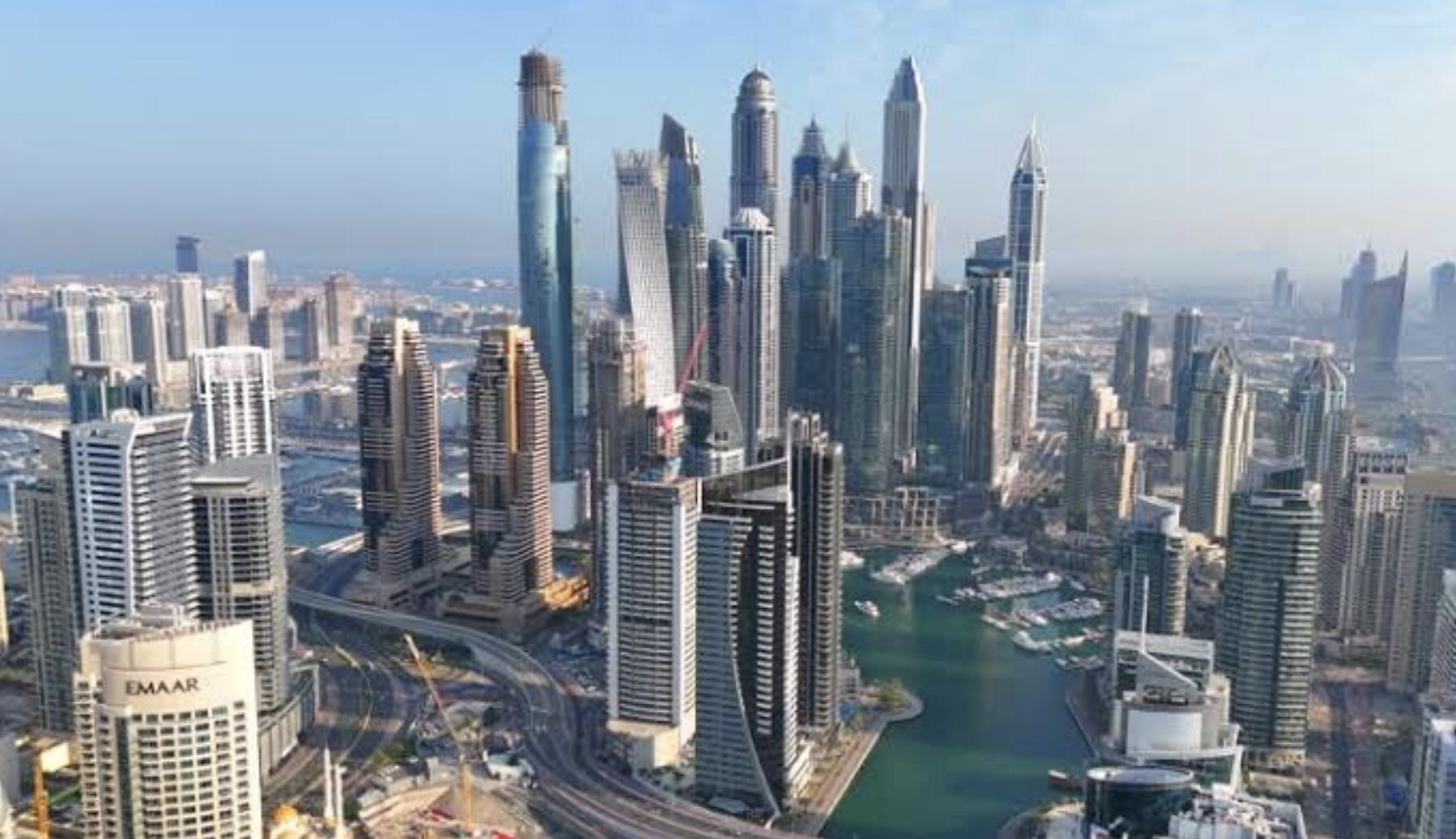
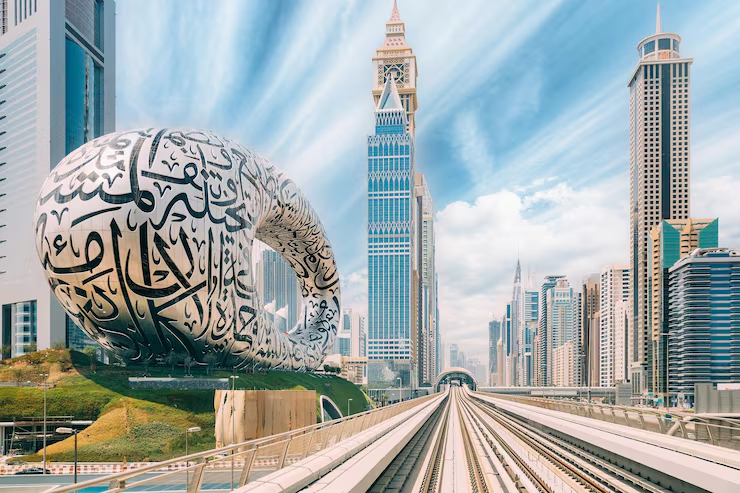
If you’ve been dreaming of owning a home in Dubai but weren’t sure where to start, the city just made it easier. A brand-new initiative, launched by the Dubai Land Department (DLD) and the Dubai Department of Economy and Tourism (DET), is offering residents a chance to step onto the property ladder with exclusive incentives and support.
Called the First-Time Home Buyer Programme, the initiative is open to all UAE residents aged 18 and above who don’t currently own a freehold home in Dubai. It offers early access to newly launched developments, special prices on homes valued up to Dh5 million, and custom mortgage solutions from leading local banks.
At its core, the programme is designed to make homeownership more accessible and attractive to both Emiratis and expats, encouraging long-term investment and helping residents put down real roots in the city.
Announced during a press conference at DLD, the launch was attended by senior officials, including Majid Al Marri, CEO of the Real Estate Registration Sector at DLD, and Hadi Badri, CEO of the Dubai Economic Development Corporation at DET, along with representatives from top developers and banks.
Here’s what you get as a first-time buyer in Dubai:
Priority access to upcoming property launches
Preferentialpricing on selected units up to Dh5 million
Tailored mortgages from banks, including Emirates NBD, Dubai Islamic Bank, Mashreq, and others
Major developers such as Emaar, DAMAC, Nakheel, Azizi, Binghatti, and Meraas are already on board, ensuring a wide selection of properties across the city.
Officials say the programme not only aims to help more residents become homeowners, but also supports Dubai’s long-term economic vision, as part of the Real Estate Strategy 2033 and the D33 Agenda.
“Dubai’s real estate market must reflect the diversity and ambition of its residents,” said Omar Bu Shehab, Director-General of DLD. “This programme opens the door for more people to invest in their futures here.”
Whether you’re a young professional thinking of buying your first apartment or a family looking to make Dubai your permanent base, the First-Time Home Buyer Programme could be your opportunity to finally make that move.
With over 35 years of experience in journalism, copywriting, and PR, Michael Gomes is a seasoned media professional deeply rooted in the UAE’s print and digital landscape.
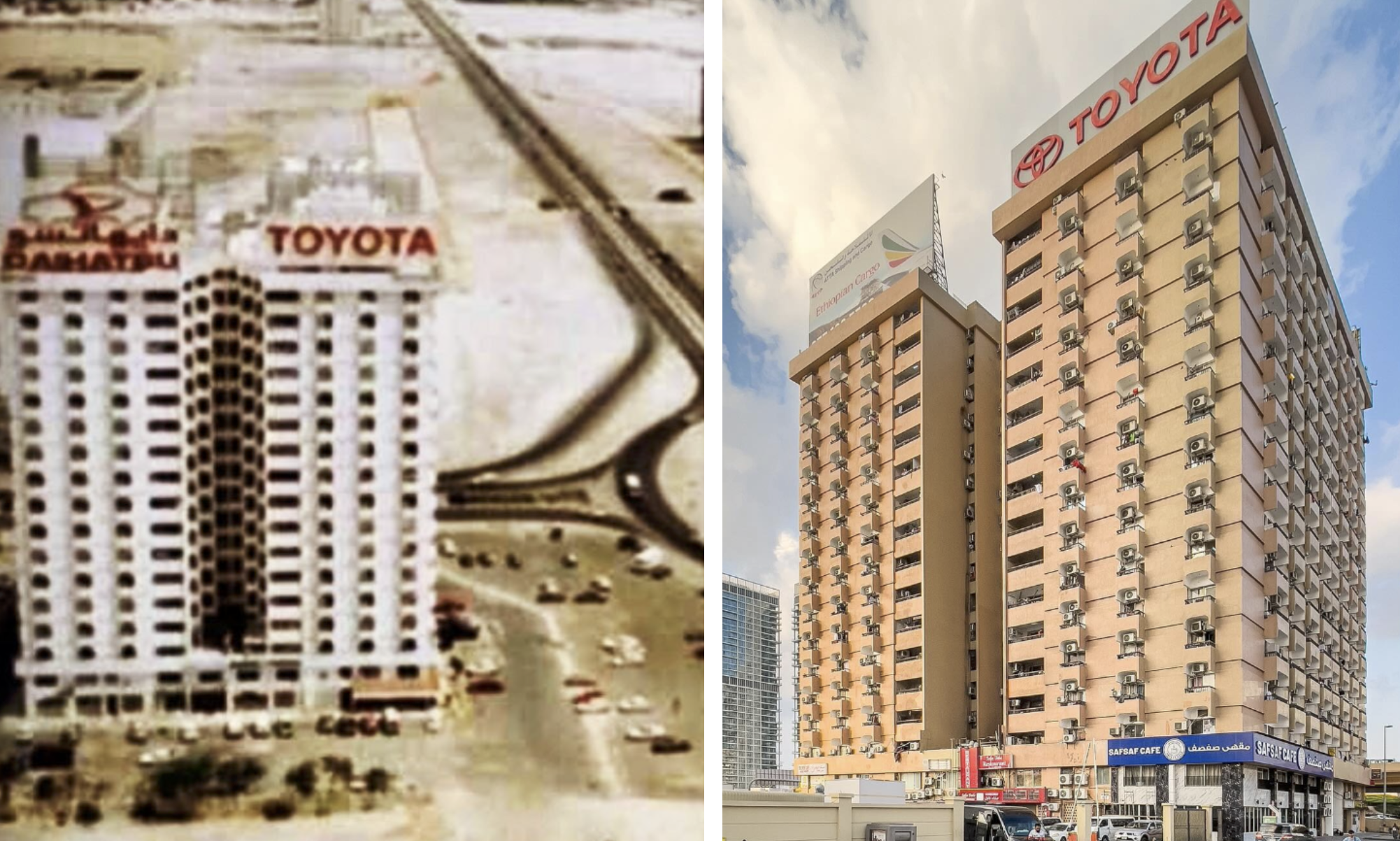
One of Dubai’s most recognisable landmarks on Sheikh Zayed Road is set to disappear, with the Toyota Building scheduled for demolition in 2027.
The confirmation comes from the real estate division managing the property, following recent social media videos showing residents moving out and sharing memories of their time in the building.
Tenants with existing rental contracts are understood to be able to remain in the property until December 2026. However, a specified timeline for the demolition has yet to be set according to reports.
A Sheikh Zayed Road landmark since the 1970s
Officially known as the Nasser Rashid Lootah Building, the 15-storey residential building was completed in 1974, at a time when Sheikh Zayed Road looked dramatically different from the densely developed skyline seen today.
Standing at around 65 metres tall, the building was among the first three structures to rise in the area around what was then known as the First Roundabout.
Over the decades, it became an unmistakable part of Dubai’s cityscape.
Why was it called the Toyota Building?
The building earned its famous nickname thanks to the large Toyota sign that once illuminated its rooftop.
The bright red Toyota logo was installed in 1981 and remained a familiar sight above Sheikh Zayed Road for almost four decades.
The sign was eventually removed in 2018 after the advertising agreement ended, briefly changing the appearance of the landmark.
But Dubai residents got a nostalgic surprise in June 2022, when Toyota UAE brought the iconic logo back, restoring one of the building’s most recognisable features after nearly four years.
A piece of old Dubai
The building has housed generations of residents in its one-, two- and three-bedroom apartments and has watched Dubai transform from a relatively low-rise city into the global metropolis it is today.
For many people who have lived in or travelled along Sheikh Zayed Road over the years, the Toyota Building has been more than just a residential property — its rooftop sign became part of the visual identity of the road.
With residents preparing to leave by the end of 2026 and demolition planned for 2027, another piece of old Dubai is set to make way for the city’s next chapter.
The demolition will mark the end of more than five decades for a building that became an unlikely icon of Dubai’s rapidly changing skyline.
Paying a year’s rent upfront could soon become a thing of the past for some Dubai tenants.
A new Rent Now, Pay Later service is expected to launch in Dubai in September, giving eligible renters the option of spreading their annual housing costs across up to 12 months with zero interest.
The initiative is being developed by the Dubai Land Department (DLD) in partnership with a local bank and is aimed at giving residents more flexibility when managing one of their biggest monthly expenses.
How will the Rent Now, Pay Later service work?
Under the proposed arrangement, a tenant would select a residential property as usual.
The participating bank would then pay the landlord the full annual rent upfront.
Instead of paying the entire amount at once, the tenant would repay the bank through flexible, interest-free instalments over a period of up to 12 months.
The model could effectively turn an annual rent commitment into a monthly payment arrangement, potentially making it easier for residents to manage their cash flow.
However, the scheme is still being developed, so several important details have yet to be announced.
Who will be eligible?
DLD and its banking partner have not yet released the full eligibility criteria.
Details covering applications, qualifying tenants and properties, repayment arrangements and how landlords will participate are expected to be announced when the service officially launches.
Until those rules are published, tenants should not assume that every Dubai rental property or resident will automatically qualify.
When will the new scheme launch?
The Rent Now, Pay Later service is expected to be introduced in September.
If implemented as planned, the initiative could make Dubai the first city to introduce this type of rental payment model as part of its residential rental market.
The scheme also builds on Dubai’s wider push to give tenants more flexibility in how they pay for housing.
Flexible rent payments
The new service follows DLD’s Flexi Rent initiative, announced in June.
That programme was designed to give tenants alternatives to traditional rental payment arrangements, including the ability to pay rent monthly, quarterly or twice a year.
During its first phase, DLD partnered with 12 real estate companies to provide more flexible arrangements for tenants.
Depending on the participating company and agreement, options included:
Monthly rental payments
Instalment plans extending up to 12 months
Grace periods
Adjusted payment schedules
In some cases, waivers on rental increases
The Flexi Rent initiative was made available to both new and existing tenants.
Could monthly rent become the new normal?
Dubai’s rental market has traditionally involved tenants paying rent through a limited number of large payments, making the timing of rental cheques a significant financial consideration for residents.
The combination of Flexi Rent and the proposed Rent Now, Pay Later service could give tenants more ways to spread those costs throughout the year.
The key difference is that the upcoming bank-backed scheme would allow the landlord to receive the annual rent upfront, while the tenant repays the bank over time.
That could offer a different solution to the traditional monthly-rent model.
More details to come
The proposed service remains under development, meaning the final terms could change before launch.
Tenants will need to wait for DLD and its banking partner to confirm the precise requirements, participating properties, application process and repayment conditions.
For now, however, the headline proposal is straightforward: Dubai renters could soon have the option to spread an annual rent bill over as many as 12 months without interest.
Dubai offers a wide range of residential communities, whether you’re looking for a family-friendly neighbourhood, a vibrant city lifestyle or an affordable apartment with good transport links.
From waterfront towers to suburban communities with parks and schools, here’s a guide to some of the most preferred places to rent an apartment in Dubai for the long term.
Dubai Hills Estate: Family-friendlyenvironment
Dubai Hills Estate has become one of the city’s most sought-after residential communities thanks to its green spaces, modern infrastructure and family-friendly environment.
Why renters choose Dubai Hills Estate
Spacious apartments and villas.
Parks, walking trails and playgrounds.
Reputable international schools nearby.
Dubai Hills Mall and healthcare facilities.
Peaceful surroundings with easy access to major roads.
It’s particularly popular with expat families looking for long-term stability and a high quality of life.
Business Bay: Best for professionals
Business Bay remains one of Dubai’s top rental hotspots for professionals working in the city’s commercial districts.
Why live in Business Bay?
Minutes from Downtown Dubai.
Excellent access to Sheikh Zayed Road and Dubai Metro.
Modern high-rise apartments.
Restaurants, cafés and nightlife.
Popular with young professionals, entrepreneurs and digital nomads.
Its central location makes commuting convenient while offering an energetic urban lifestyle.
Downtown Dubai: If you want city living
If you want to live in the heart of Dubai, Downtown Dubai offers premium apartments surrounded by iconic attractions.
Highlights include:
Walking distance to Dubai Mall and Burj Khalifa.
Luxury residential towers.
Excellent dining and entertainment.
Strong public transport connectivity.
Vibrant lifestyle throughout the year.
Downtown is ideal for residents who enjoy living close to business, shopping and leisure destinations.
Dubai Marina: Home with a view
Dubai Marina remains one of the emirate’s most popular neighbourhoods for long-term renters.
Why choose Dubai Marina?
Waterfront lifestyle.
Dubai Metro and Tram connectivity.
Wide selection of cafés and restaurants.
Marina Walk and beach access.
Modern apartments with premium amenities.
The area appeals to professionals and couples seeking convenience and an active social scene.
Jumeirah Village Circle (JVC): Value for money
JVC has grown into one of Dubai’s fastest-expanding residential communities.
Residents enjoy:
More affordable rents than many central areas.
Parks and landscaped streets.
Family-friendly atmosphere.
Schools, supermarkets and fitness centres.
New apartment developments with modern facilities.
It offers a balance between affordability and quality of life.
Dubai Silicon Oasis: Affordable living
Dubai Silicon Oasis is a popular choice for professionals, students and families looking for value.
Key advantages include:
Competitive rental prices.
Technology and business hub.
Schools, clinics and shopping centres.
Easy access to Sheikh Mohammed Bin Zayed Road.
Many buildings offer chiller-free apartments, helping reduce monthly utility costs.
The community combines residential, commercial and leisure facilities in one location.
International City: For budget renters
International City remains one of Dubai’s most affordable apartment markets.
Why it’s popular
Low rental prices.
Wide choice of studio and one-bedroom apartments.
Restaurants and supermarkets nearby.
Schools and healthcare facilities.
Convenient access to major roads.
It’s well suited to first-time renters, singles and those looking to keep housing costs low.
Al Barsha: Convenience for all
Al Barsha offers a central location without the premium prices found in Downtown Dubai.
Benefits include:
Close to Mall of the Emirates.
Good Metro connectivity.
Schools and healthcare facilities.
Wide range of apartment options.
Established residential community.
It remains a practical choice for families and working professionals alike.
What to consider before renting
Before signing a tenancy contract, consider:
Your monthly rental budget.
Distance to work or school.
Public transport and road access.
Nearby supermarkets, healthcare and schools.
Building amenities such as gyms, swimming pools and parking.
Utility costs, including whether the apartment is chiller-free.
Payment terms, as many landlords require rent in one to four cheques.
Which area is right for you?
Your ideal location depends on your lifestyle and priorities.
Best for families: Dubai Hills Estate, JVC
Best for professionals: Business Bay, Downtown Dubai, Dubai Marina
Best for affordable living: Dubai Silicon Oasis, International City, Al Barsha
With communities to suit every budget and lifestyle, Dubai continues to offer long-term renters a wide variety of options across the city.