Connect with us

Business

UAE bank to phase out SMS OTPs, app-based authentication introduced for online transactions

Published

on

Spread the love

A leading UAE bank will begin replacing SMS one-time passwords (OTPs) with a more secure, faster app-based authentication method for online transactions starting November 1.

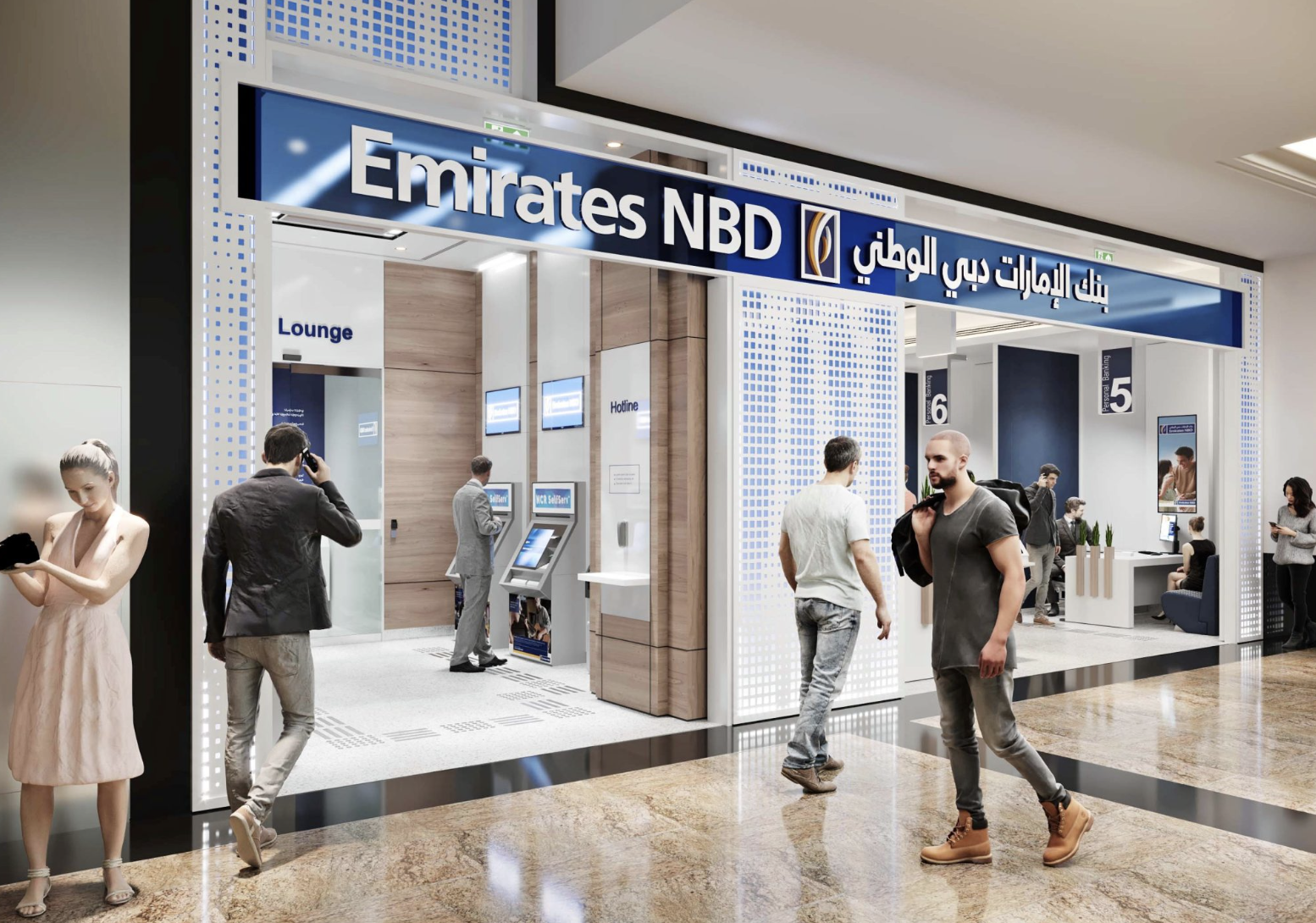
Dubai-based Emirates NBD bank said customers will soon receive push notifications on their mobile devices prompting them to approve transactions directly in the ENBD X app, eliminating the need for codes sent via SMS or email.

The shift is part of a sector-wide transition mandated by the Central Bank of the UAE, which has instructed banks to fully phase out SMS and email OTPs by March 2026.

“App-based authentication is both faster and safer. It minimises the risk of fraud linked to SIM-swap attacks, SMS interception and phishing scams,” the bank said.

Rollout in phases

The first phase, beginning 1 November, will cover account transfers and low-value alerts, reportedly including transactions of Dh100 or less. Push-based approvals for debit and credit card transactions will follow in later phases.

The bank has urged customers to update the ENBD X app, enable push notifications and activate biometric login to ensure smooth access once the new system is in place.

Why the change matters

SMS and email OTPs have long been a target for cyber-fraud. Criminals often exploit weak telecom security or trick customers into sharing OTPs.
App-based authentication instead verifies transactions inside a secured app bound to the customer’s registered device, often requiring a fingerprint or facial recognition scan before approval.

Industry experts say the new process improves security, speeds up approvals and reduces reliance on SMS networks, which can sometimes be delayed or blocked, especially for overseas users.

What customers should do

Emirates NBD advises its customers to take these steps:

  • Download or update the ENBD X app.
  • Register their mobile device and enable push notifications and biometrics.
  • Ensure their contact details are up to date with the bank.
  • Familiarise themselves with fallback options, such as Smart Pass or customer support lines, in case they lose their device or face issues while travelling.

The bank warned that customers who do not activate in-app authentication may face delays or disruptions in processing online payments, including peer-to-peer transfers, international remittances and card-linked online shopping transactions.


With over 35 years of experience in journalism, copywriting, and PR, Michael Gomes is a seasoned media professional deeply rooted in the UAE’s print and digital landscape.

Announcements

Ajman to launch new Rental Dispute Resolution Centre under 2026 law

Published

on

Spread the love

Ajman has announced the establishment of a new Rental Dispute Resolution Centre, aimed at streamlining landlord-tenant disputes and strengthening stability in the emirate’s real estate sector.

His Highness Sheikh Humaid bin Rashid Al Nuaimi, Supreme Council Member and Ruler of Ajman, has issued Law No. (1) of 2026, formally creating the centre and replacing the existing rental disputes committee.

Clearer, Faster Rental Dispute Resolution

The new law introduces transparent and clearly defined mechanisms for reviewing and adjudicating rental disputes, with the objective of:

  • Protecting the rights of landlords and tenants
  • Enhancing confidence in Ajman’s property market
  • Supporting a stable and attractive investment environment

Jurisdiction and Scope

The specialised centre will have authority over all rental-related disputes between landlords and tenants, including:

  • Residential and commercial properties
  • Properties located within free zones

Cases will be handled using procedures aligned with recognised legal and judicial standards, ensuring fairness and consistency.

Boosting Market Stability

Officials said the new centre is designed to:

  • Speed up dispute resolution
  • Reduce litigation timelines
  • Ensure swift and effective justice

The move is expected to contribute to social and economic stability in Ajman’s leasing and real estate sector, while reinforcing investor confidence.


Continue Reading

Business

Your face or palm could soon pay for purchases in the UAE

Published

on

Spread the love

Paying for everyday services in the UAE could soon be as simple as showing your face or palm.

The Central Bank of the UAE (CBUAE) has introduced the region’s first biometric payment solution, allowing users to make payments using facial recognition or palm biometrics, without cards, cash, or mobile phones.

The new system is currently being tested in a pilot phase at the Dubai Land Department, where customers authenticate payments through biometric scans in a controlled environment.

How Biometric Payments Work

The pilot enables:

  • Payments using face or palm recognition
  • No need for physical cards or smartphones
  • Faster, more secure transactions

The initiative is part of the CBUAE Sandbox Programme and Innovation Hub at the Emirates Institute of Finance, developed in collaboration with Network International and powered by PopID.

Focus on Security and User Experience

The Central Bank said the pilot is designed to assess security, efficiency, and operational readiness before any wider rollout. No timeline has yet been announced for expanding the system beyond the testing phase.

CBUAE officials say biometric payments could significantly enhance transaction security while improving customer convenience. Industry leaders also expect biometric technology to play a growing role in digital commerce and cashless payments globally.

A Step Towards Cashless Payments

The pilot reflects the UAE’s broader push towards financial innovation, smart services, and cashless payment systems, positioning the country at the forefront of next-generation payment technology in the region.


Continue Reading

Announcements

Dubai launches global challenge to build the world’s first fully robotic villa

Published

on

Spread the love

Dubai Municipality has launched a global challenge to construct the world’s first residential villa built entirely using robotic construction systems, reinforcing Dubai’s position as a global testbed for advanced building technologies.

The project will be delivered by a consortium of more than 25 local and international technology companies and academic institutions, led by Dubai Municipality. Officials say the initiative aims to develop scalable, next-generation construction models that boost productivity, sustainability, and quality.

The announcement was made during the launch of 04 ConTech Valley, Dubai’s new Construction Innovation and Research Centre, developed in partnership with Expo City Dubai.

Global ConTech Momentum

At the event, Dubai Municipality also unveiled the Global ConTech Report, which projects that global construction technology investment will exceed $30 billion by 2033, growing at 17.5% annually.

Key findings highlight:

  • Labour shortages are a major global challenge
  • Rising investment in robotics and additive manufacturing
  • Rapid adoption of AI, robotics, prefabrication, and infrastructure technologies

Building a Stronger Innovation Ecosystem

Dubai Municipality also launched the ConTech Working Group, in collaboration with Dubai Chambers, bringing together government, developers, contractors, investors, researchers, and tech firms to accelerate innovation across the sector.

70–70 Strategy for 2030

Dubai also launched the 70–70 Strategy, aiming to shift 70% of construction to off-site manufacturing and achieve 70% factory automation by 2030, driving higher efficiency and sustainability.

Continue Reading

Popular

Exit mobile version
https://headline.ae/