Connect with us

Education

UAE final exams kick off: Ministry outlines absence rules and support for students

Published

on

Spread the love

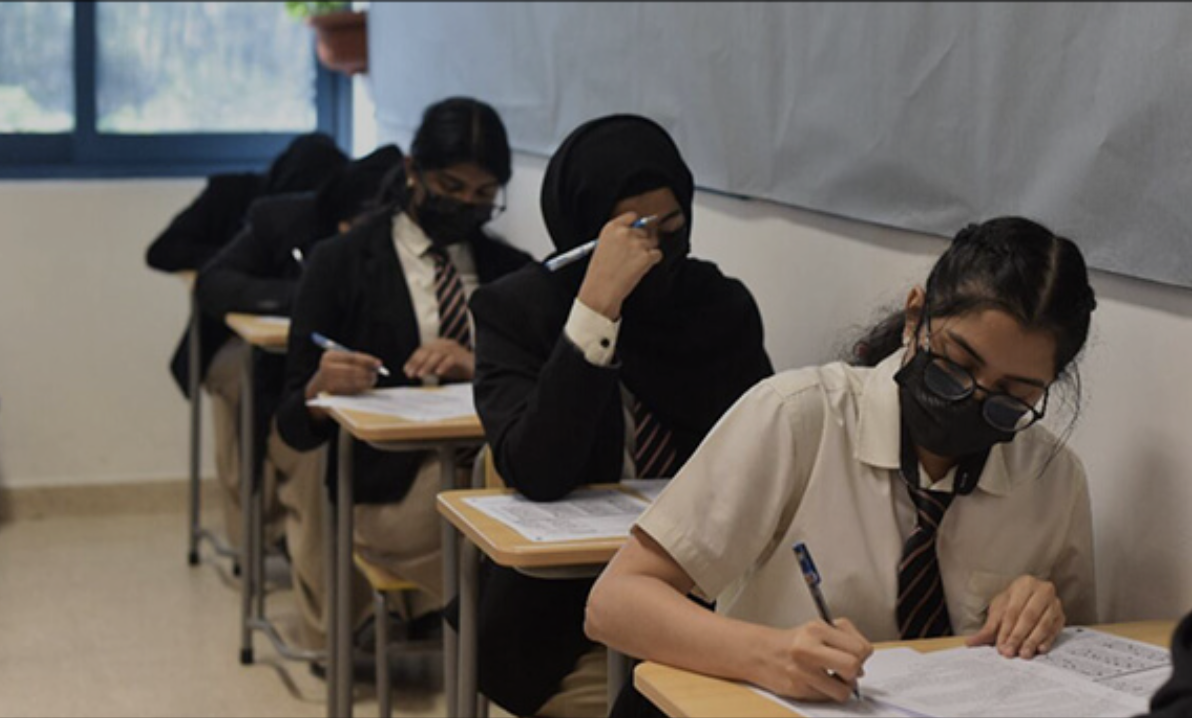
As final exams for the 2024-2025 academic year commence on Tuesday, June 10, across public and private schools following the national curriculum, the Ministry of Education has issued clear guidelines regarding student attendance and support measures. These crucial exams, for students in grades 3 through 12, will run until June 19.

When Can Students Be Excused from Exams? Seven Valid Reasons

The Ministry of Education has identified seven specific scenarios where students may be excused from attending their final exams. These valid excuses are detailed in an official absence form provided by the Student Performance Assessment Department.

To ensure an absence is officially accepted, students or guardians must submit the original excuse form to the exam committee head within two working days of the exam date, remembering to keep a copy for their records.

Here are the officially approved reasons for missing an exam:

  1. Exemption for Non-Muslim Students: Non-Muslim students are excused from taking Islamic Education exams.
  2. Medical Conditions: A valid absence requires an accredited medical report.
  3. Bereavement: Absences due to the passing of a first or second-degree relative.
  4. Official Government Summons: Supported by formal documentation from a government authority.
  5. Sudden Emergency Travel: For unforeseen travel necessities.
  6. Unexplained Absence: These cases are accepted only after review by the authorities.
  7. Other Clearly Stated Reasons: Any other reasons must be clearly explained by the student or guardian.

Important Note on Excuse Submission: For Grade 12 students, excuse forms are forwarded directly to the centralised Exam Results and Evaluation Centre. For grades 3 to 11, schools are responsible for retaining these forms on file. The acceptance or rejection of an excuse requires official signatures: the head of the evaluation centre for Grade 12 and the school principal for all lower grades.

Consequences of Unjustified Absence: Failure to submit a valid excuse within the stipulated two-day timeframe will result in the absence being marked as “unjustified” in the “Al Manhal” electronic system. Such unexcused absences can negatively affect a student’s final results, in line with Ministry regulations. These measures underscore the Ministry’s commitment to maintaining discipline and fairness during exams, while also showing understanding for genuine emergencies.

Ministry’s Extensive Preparations and Support for Exam Period

Alongside the exam guidelines, the Ministry has rolled out a comprehensive readiness campaign to ensure an optimal testing environment. The School Operations Sector has issued seven key directives to administrative and teaching staff, emphasising a holistic approach to student well-being and academic readiness:

  • Positive Role Modelling: Teachers are encouraged to demonstrate professionalism and emotional stability.
  • Supportive Environments: Ensuring calm, structured exam venues.
  • Educational Care: Providing psychological and emotional support to boost student confidence.
  • Logistical Readiness: Full preparation of all exam resources and venues.
  • Strict Adherence to Rules: Consistent enforcement of exam regulations for fairness.
  • Understanding Exam Importance: Highlighting exams as crucial for learning and character development.
  • Reinforcing Educational Mission: Reminding teachers of their vital role in shaping future generations.

These directives highlight the crucial role of teachers in fostering a supportive, focused, and equitable atmosphere, recognising that emotional stability significantly impacts academic performance.

Student Support Campaigns: Nurturing Mental Readiness

To further support students academically and mentally, the Ministry has released a motivational video on its social media platforms. Featuring a high school student, the video offers practical advice for managing exam stress and organising study effectively.

Students will begin their summer vacation on June 30, while teaching and administrative staff will commence theirs on July 14.

With over 35 years of experience in journalism, copywriting, and PR, Michael Gomes is a seasoned media professional deeply rooted in the UAE’s print and digital landscape.

Education

No medicines in school bags: UAE schools tighten health and safety rules

Published

on

Spread the love

If you’re a parent in the UAE, here’s an important update to keep on your radar.

Schools across the country are tightening controls around student health and safety, urging parents not to send any medication with their children during the school day, unless it’s necessary and officially approved.

The move applies to government and private schools following a Ministry of Education curriculum, and the message is clear: Unsupervised medication at school can be risky.

In notices sent out to parents, school administrations explained that allowing students to carry medicines could lead to serious health risks. These include incorrect dosages, improper use, or even students sharing medication with classmates. Schools are keen to avoid situations that could quickly turn into medical emergencies.

Exceptions With Rules

The ban isn’t a blanket one. Students with chronic conditions or specific medical needs are still allowed access to medication, but only under strict guidelines.

Parents must provide:

  • An official medical prescription from the treating doctor
  • Clear details, including the student’s name, medication type, dosage, and timing

Once approved, medications are:

  • Stored securely
  • Administered only by school management or qualified health staff

This ensures students receive their treatment safely and at the right time.

School administrators say the policy is part of a broader health and safety framework aimed at preventing emergencies and promoting awareness on campus.

Parents are being urged to fully cooperate with the new guidelines, highlighting the importance of strong school–family partnerships when it comes to student health.

Continue Reading

Education

Dubai parents warned about dangerous social media challenges in schools

Published

on

Spread the love

Parents of children enrolled in Dubai private schools are being urged to stay alert after education and health authorities raised concerns about dangerous social media trends circulating among students.

The Knowledge and Human Development Authority (KHDA), alongside the Dubai Health Authority (DHA), has issued an advisory warning parents about risky behaviours reported in some schools. These include choking, breath-holding, applying pressure to the neck or head, and participation in viral challenges.

One of the most concerning trends highlighted is the “Skull Breaker Challenge”, where two people deliberately kick the legs from under a third person, causing them to fall, often backwards, risking serious head or spinal injuries. The challenge previously gained attention on social media in 2020 and had prompted warnings from Dubai Police at the time.

KHDA stressed that while children may see these actions as jokes or harmless fun, they carry serious and immediate health risks. Students found participating in, encouraging, or recording such behaviour will face disciplinary action under their school’s behaviour policy. In more serious cases, matters may be referred to external authorities.

What parents should watch out for

Parents are encouraged to remain vigilant and look out for both physical and behavioural warning signs, including:

  • Marks, redness, or bruising around the neck
  • Headaches, dizziness, fainting, or bloodshot eyes
  • Sudden secrecy around online activity
  • Talking about viral challenges or risky games
  • Unexplained mood or behaviour changes
  • Wearing clothing that hides the neck area

Any concerns should prompt an immediate conversation with the child and contact with the school if worries persist.

Why are these activities dangerous

According to DHA, restricting breathing or blood flow to the brain can be fatal:

  • Brain damage can occur within seconds without oxygen
  • Irreversible damage may happen in under a minute
  • Oxygen deprivation can trigger seizures and heart rhythm disturbances
  • Pressure on the neck can damage airways and blood vessels
  • Multiple countries have reported deaths among children aged 7 to 17
  • There is no safe way to take part in these activities

What parents can do

KHDA is urging parents to:

  • Speak openly with children about the dangers of these behaviours
  • Reinforce that they are not games and can be life-threatening
  • Monitor online activity and be aware of peer influence
  • Contact the school or seek medical advice if they have immediate concerns

While schools are addressing the issue directly with students, KHDA emphasised that parent involvement is critical to reinforcing safety messages beyond the classroom.


Continue Reading

Education

Dubai RTA is trying school transport pooling: Here’s what it means for parents

Published

on

Spread the love

School runs in Dubai could soon get a lot easier for parents.

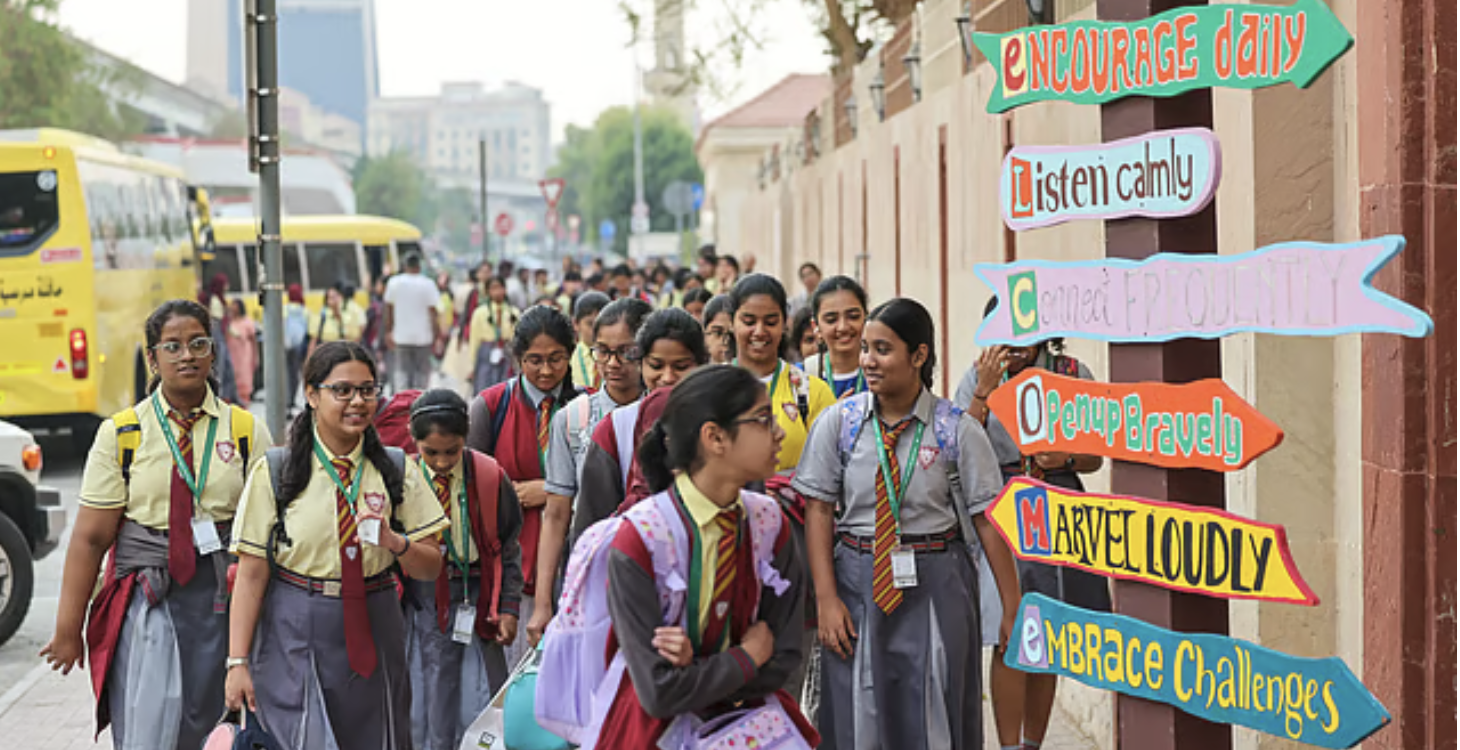
The Roads and Transport Authority (RTA) has announced a new school transport pooling pilot set to launch in early 2026, designed to reduce traffic around schools and offer families a safer, more convenient alternative to daily drop-offs and pick-ups.

The initiative, developed in collaboration with Yango Group and Urban Express Transport, will introduce shared school buses serving multiple schools within defined geographic zones. The goal is to reduce the growing reliance on private vehicles for school drop-offs and pickups, which has contributed to congestion during peak hours.

RTA says the move comes as more families rely on private cars for school runs, adding to congestion during peak hours. By encouraging shared transport, the authority hopes to ease pressure on busy school zones while keeping costs affordable for parents.

According to Ahmed Hashem Bahrozyan, CEO of RTA’s Public Transport Agency, the pilot will offer an affordable alternative to private school transport while improving traffic flow around school areas. He confirmed that the initiative will operate under strict safety and security standards, fully aligned with Dubai’s regulatory framework.

The shared bus model is also expected to shorten travel times, improve punctuality, and create a smoother start and end to the school day. At the same time, it supports Dubai’s push towards more sustainable and environmentally friendly transport options.

RTA said the pilot will be carefully assessed before any wider rollout, with feedback from families playing a key role. If successful, the initiative could reshape how school transport works in Dubai, making daily routines simpler, safer, and less stressful for parents and students.

Continue Reading

Popular

Exit mobile version
https://headline.ae/