Education
What UAE parents need to know about CBSE’s new three-language policy



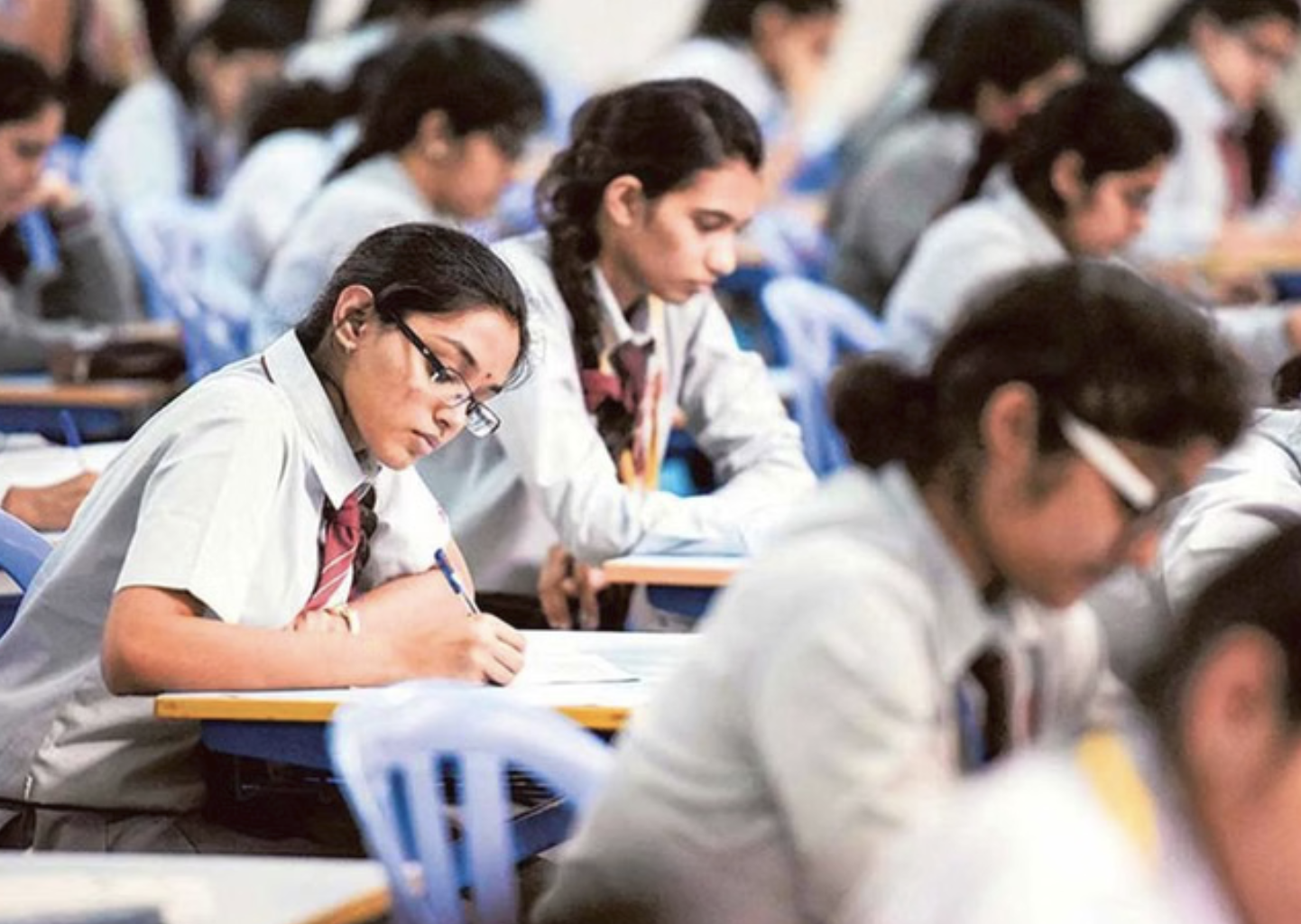




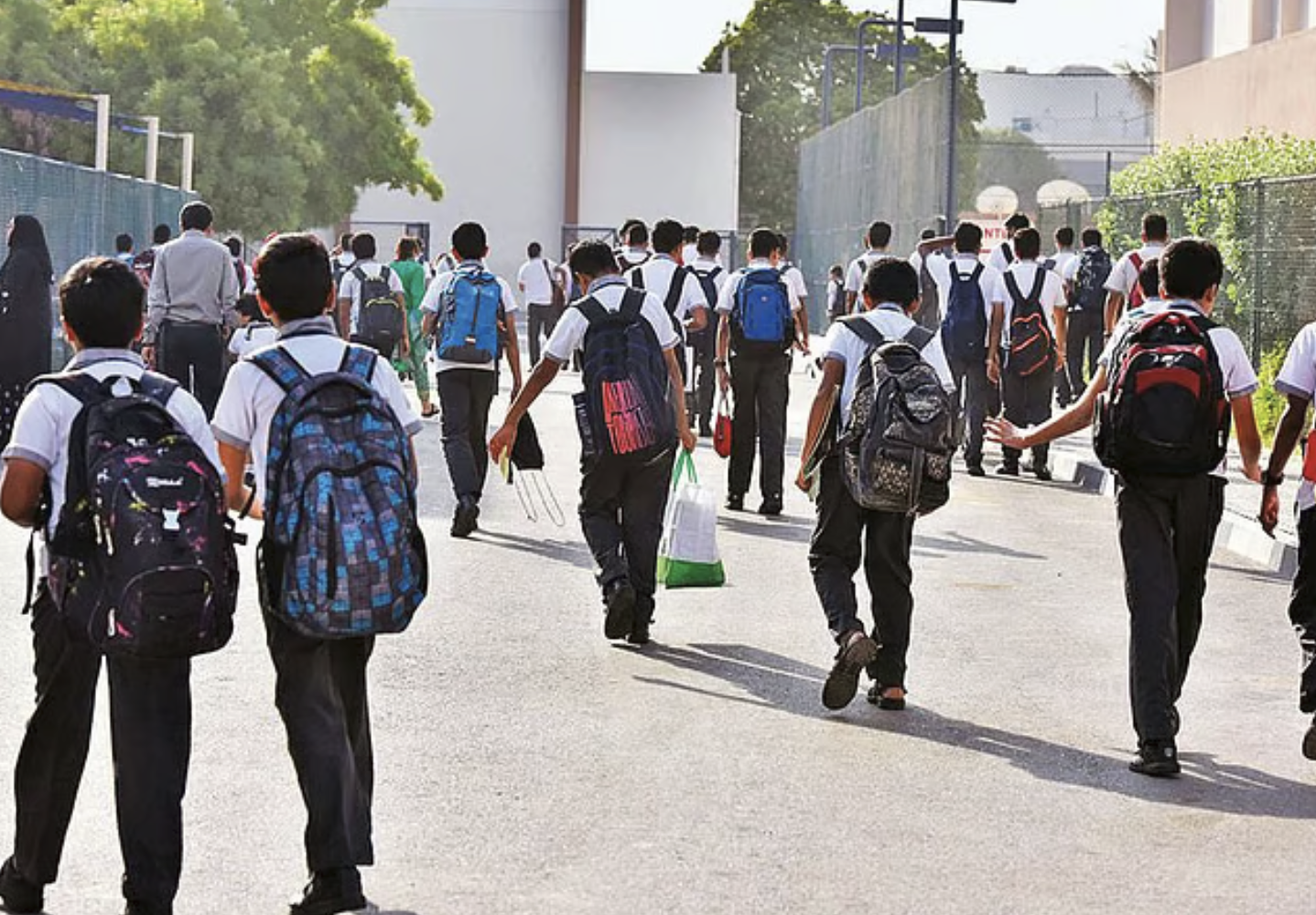
Students in UAE public schools, from Kindergarten to Grade 2, will not be given homework in the 2026-27 academic year, under a new Ministry of Education (MoE) policy.
The move aims to improve learning during school hours while creating a better balance between education and family life, the ministry said.
Instead of traditional homework, schools will encourage daily reading at home, with selected students encouraged to read with their parents at least once a day.
The approach is designed to strengthen children’s language and cognitive skills during their early years.
Less screen time for Grade 6


Grade 6 students will also see changes in the classroom. Screen use will be removed from subjects including Maths, Science, English and Arabic, with schools placing greater emphasis on group work and collaborative learning.
The MoE said it will continue assessing the effectiveness of digital tools in education.
Dubai Police ready for back-to-school


Meanwhile, Dubai Police have launched a back-to-school security and traffic plan to improve safety and ease congestion around schools.
The operation includes 253 patrols, 28 drones, mounted and bicycle patrols, and more than 200 student safety ambassadors.
A total of 775 police personnel will also engage directly with students, while awareness campaigns will be held with 16 government and private entities.
Authorities say keeping students safe is a shared responsibility involving police, schools, families and the wider community.


For years, the UAE’s aspiring musicians, producers, and songwriters have had to look abroad to turn their creative spark into a formal qualification. That changes this year.
In a major boost to the country’s growing creative economy, SAE University College Dubai is set to launch the city’s first accredited, three-year Bachelor of Music programme this September, blending hands-on studio craft with rigorous academic and industry training.
With admissions now open and scholarships worth up to Dh50,000 up for grabs, the move marks a pivotal moment for grassroots talent looking to make noise on the global stage.
What will the degree cover?


The full-time programme has been designed around the skills needed in today’s rapidly changing music industry.
Students will study a range of creative and technical subjects, including:
- Songwriting and composition
- Electronic music production
- Studio recording and production
- Live performance
- Stagecraft
- Creative musicianship
- Music business
- Entrepreneurship
Rather than focusing solely on classroom-based learning, the course will combine practical assignments with industry projects.
Students will also complete a major project before graduation, allowing them to develop a professional portfolio that can support their entry into the music industry.
Students will get access to professional studios


As part of the programme, students will have access to professional-standard recording facilities, music equipment and specialist software at SAE University College Dubai.
They will also work with academics and industry professionals throughout their studies.
The university has developed the programme alongside industry partners including Melody House, Muzikminds and Hungarian-American songwriter and music producer Miklos Malek.
What jobs can graduates pursue?


The degree is aimed at students who want to build careers across both the music business and the wider creative economy.
Potential career paths include:
- Music producer
- Songwriter or composer
- Audio engineer
- Performing artist
- Artist development professional
- Music supervisor
- Entertainment professional
- Content creator
- Music entrepreneur
The programme also places significant emphasis on business and entrepreneurship, reflecting the growing need for musicians to understand both the creative and commercial sides of the industry.
Why Dubai is investing in music education


The launch comes as the UAE seeks to expand its creative industries and increase their contribution to the national economy.
Under the UAE National Strategy for Cultural and Creative Industries, the country has set a target for the sector to contribute 5 per cent of GDP by 2031.
The regional music market is also expanding. According to figures cited by SAE University College, recorded music revenues across the Middle East and North Africa grew by 15.2 per cent in 2025.
The new degree therefore arrives at a time when opportunities across music, entertainment, digital content and other creative fields are growing across the region.
Applications are open


Students interested in joining the new Bachelor of Music programme can apply for the September 2026 intake if they meet the university’s admission requirements.
Those unable to join in September will have further opportunities, with intakes scheduled for February and May 2027.
Scholarships of up to Dh50,000 are available to eligible applicants.

Odisha Targets Export-Led Industrial Growth Through High-Level UAE Investment Outreach

Emirates Unveils Electric Privacy Screens in Premium Economy