Connect with us

Education

UAE Ministry of Education issues new code of conduct for public school staff

Published

on

Spread the love

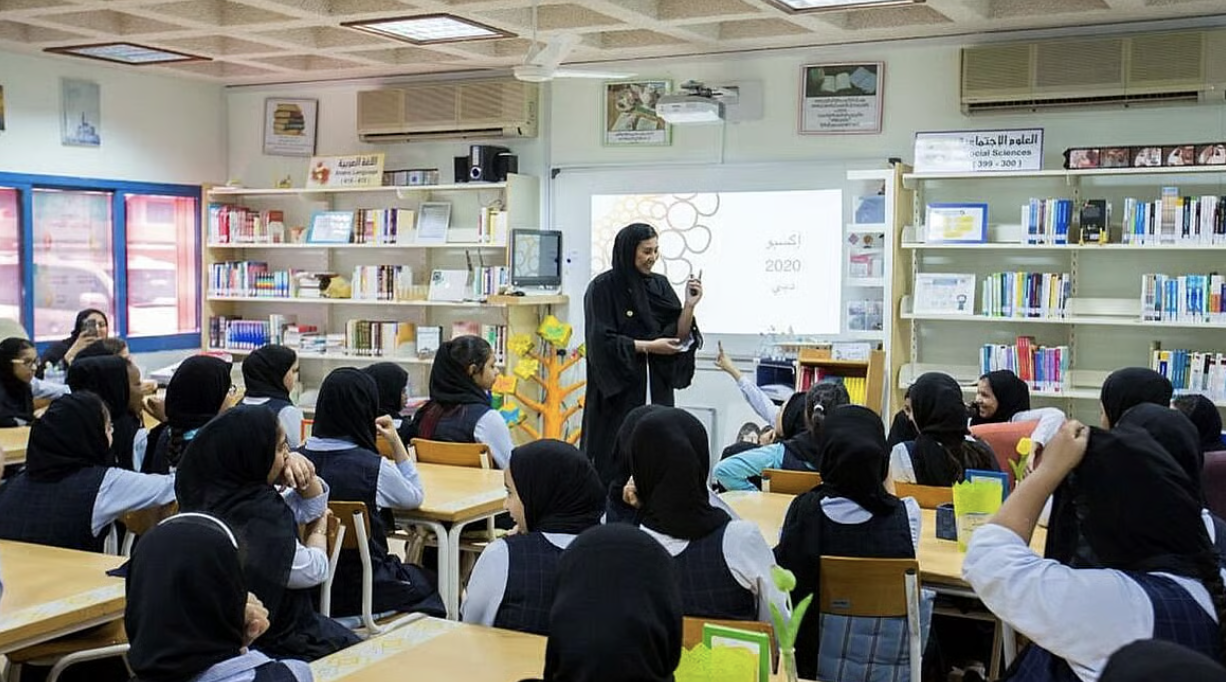
The UAE Ministry of Education has issued a comprehensive new guide on professional and behavioural violations for all staff working in public schools.

The framework categorises misconduct into four levels of severity, from minor infractions to “severe violations” that can result in dismissal or even legal action. The ministry said the move reinforces ethical and professional standards in schools, while supporting the role of teachers and staff in shaping future generations.

Private tutoring a ‘red line’

One of the most striking updates is the ban on private tutoring, which has been classified as a Level Four severe violation. Teachers giving lessons to their own students, or school staff and administrators facilitating such practices, could face dismissal.

The ministry said private tutoring is considered an abuse of professional duty and school resources, and it risks undermining the fairness of the learning environment.

Severe violations (Level Four)

Infractions that fall under this category include:

  • Giving private lessons to one’s own students or enabling them.
  • Exploiting school resources or professional relationships for personal gain.
  • Smoking within school premises.
  • Sharing student data with unauthorised parties.
  • Discrimination among staff members.
  • Spreading rumours or posting videos from school.
  • Forming inappropriate relationships with students, including improper electronic communication.
  • Any verbal or physical behaviour reflecting sexual misconduct or deviant tendencies.

Major violations (Level Three)

Examples include:

  • Concealing cases of physical or psychological harm to students.
  • Disclosing private information about parents.
  • Manipulating attendance records.
  • Negligence during exams or enabling cheating.
  • Mismanagement of financial resources.
  • Falsifying academic records for favouritism or personal gain.

Moderate and minor violations

  • Level Two: Accepting valuable gifts from parents, neglecting enforcement of the student behaviour code, sleeping during working hours, or repeated tardiness.
  • Level One: Exceeding administrative authority, disregarding the chain of command, or failing to wear proper identification during duty hours.

Professional values and ethics

The guide emphasises that school staff must act with honesty, integrity, accountability, and transparency, while upholding teamwork and prioritising institutional objectives.

By clearly defining expected conduct, the ministry said the new framework aims to strengthen the professional culture of public schools and align education standards with the UAE’s vision of global excellence.

With over 35 years of experience in journalism, copywriting, and PR, Michael Gomes is a seasoned media professional deeply rooted in the UAE’s print and digital landscape.

Education

No medicines in school bags: UAE schools tighten health and safety rules

Published

on

Spread the love

If you’re a parent in the UAE, here’s an important update to keep on your radar.

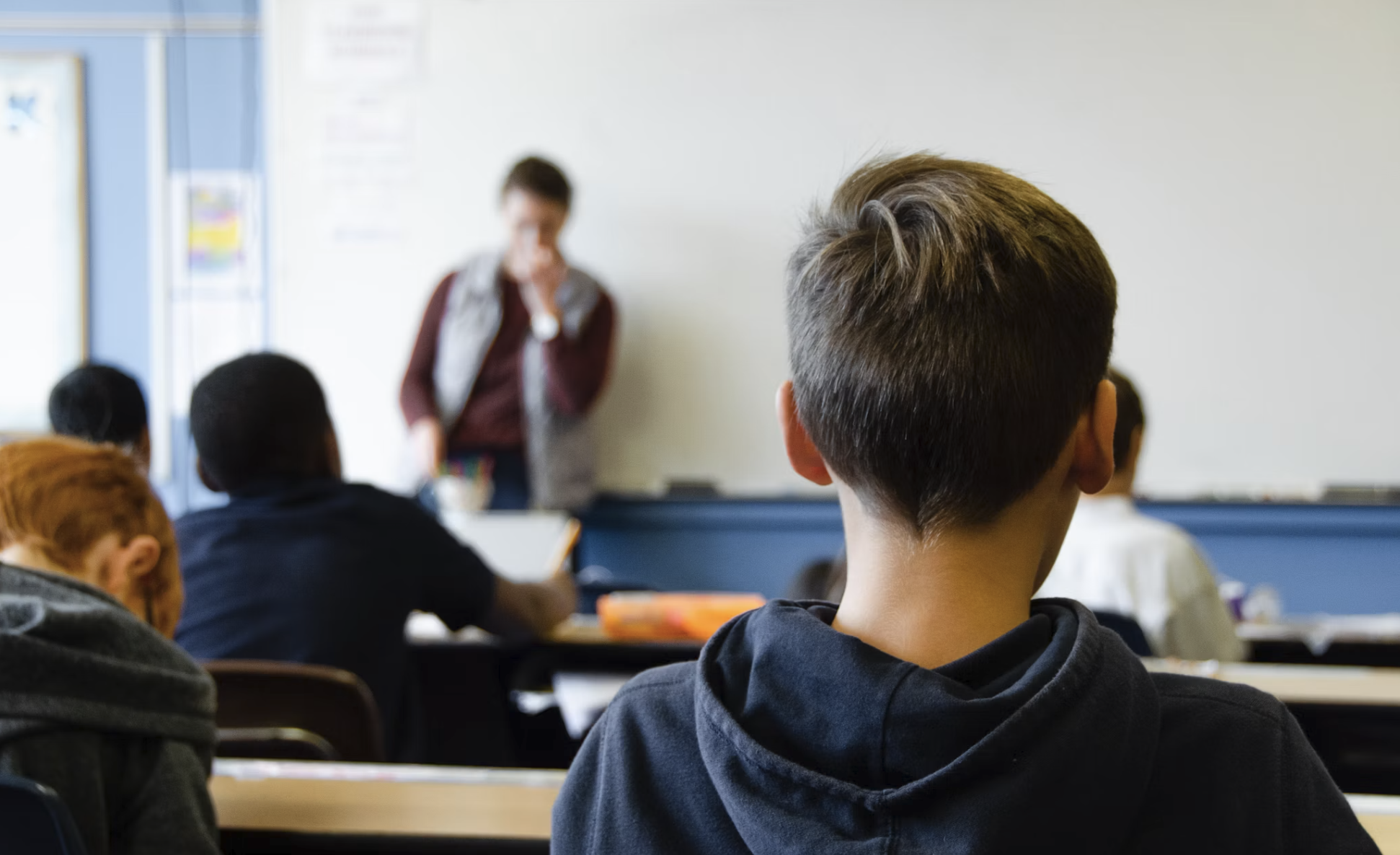
Schools across the country are tightening controls around student health and safety, urging parents not to send any medication with their children during the school day, unless it’s necessary and officially approved.

The move applies to government and private schools following a Ministry of Education curriculum, and the message is clear: Unsupervised medication at school can be risky.

In notices sent out to parents, school administrations explained that allowing students to carry medicines could lead to serious health risks. These include incorrect dosages, improper use, or even students sharing medication with classmates. Schools are keen to avoid situations that could quickly turn into medical emergencies.

Exceptions With Rules

The ban isn’t a blanket one. Students with chronic conditions or specific medical needs are still allowed access to medication, but only under strict guidelines.

Parents must provide:

  • An official medical prescription from the treating doctor
  • Clear details, including the student’s name, medication type, dosage, and timing

Once approved, medications are:

  • Stored securely
  • Administered only by school management or qualified health staff

This ensures students receive their treatment safely and at the right time.

School administrators say the policy is part of a broader health and safety framework aimed at preventing emergencies and promoting awareness on campus.

Parents are being urged to fully cooperate with the new guidelines, highlighting the importance of strong school–family partnerships when it comes to student health.

Continue Reading

Education

Dubai parents warned about dangerous social media challenges in schools

Published

on

Spread the love

Parents of children enrolled in Dubai private schools are being urged to stay alert after education and health authorities raised concerns about dangerous social media trends circulating among students.

The Knowledge and Human Development Authority (KHDA), alongside the Dubai Health Authority (DHA), has issued an advisory warning parents about risky behaviours reported in some schools. These include choking, breath-holding, applying pressure to the neck or head, and participation in viral challenges.

One of the most concerning trends highlighted is the “Skull Breaker Challenge”, where two people deliberately kick the legs from under a third person, causing them to fall, often backwards, risking serious head or spinal injuries. The challenge previously gained attention on social media in 2020 and had prompted warnings from Dubai Police at the time.

KHDA stressed that while children may see these actions as jokes or harmless fun, they carry serious and immediate health risks. Students found participating in, encouraging, or recording such behaviour will face disciplinary action under their school’s behaviour policy. In more serious cases, matters may be referred to external authorities.

What parents should watch out for

Parents are encouraged to remain vigilant and look out for both physical and behavioural warning signs, including:

  • Marks, redness, or bruising around the neck
  • Headaches, dizziness, fainting, or bloodshot eyes
  • Sudden secrecy around online activity
  • Talking about viral challenges or risky games
  • Unexplained mood or behaviour changes
  • Wearing clothing that hides the neck area

Any concerns should prompt an immediate conversation with the child and contact with the school if worries persist.

Why are these activities dangerous

According to DHA, restricting breathing or blood flow to the brain can be fatal:

  • Brain damage can occur within seconds without oxygen
  • Irreversible damage may happen in under a minute
  • Oxygen deprivation can trigger seizures and heart rhythm disturbances
  • Pressure on the neck can damage airways and blood vessels
  • Multiple countries have reported deaths among children aged 7 to 17
  • There is no safe way to take part in these activities

What parents can do

KHDA is urging parents to:

  • Speak openly with children about the dangers of these behaviours
  • Reinforce that they are not games and can be life-threatening
  • Monitor online activity and be aware of peer influence
  • Contact the school or seek medical advice if they have immediate concerns

While schools are addressing the issue directly with students, KHDA emphasised that parent involvement is critical to reinforcing safety messages beyond the classroom.


Continue Reading

Education

Dubai RTA is trying school transport pooling: Here’s what it means for parents

Published

on

Spread the love

School runs in Dubai could soon get a lot easier for parents.

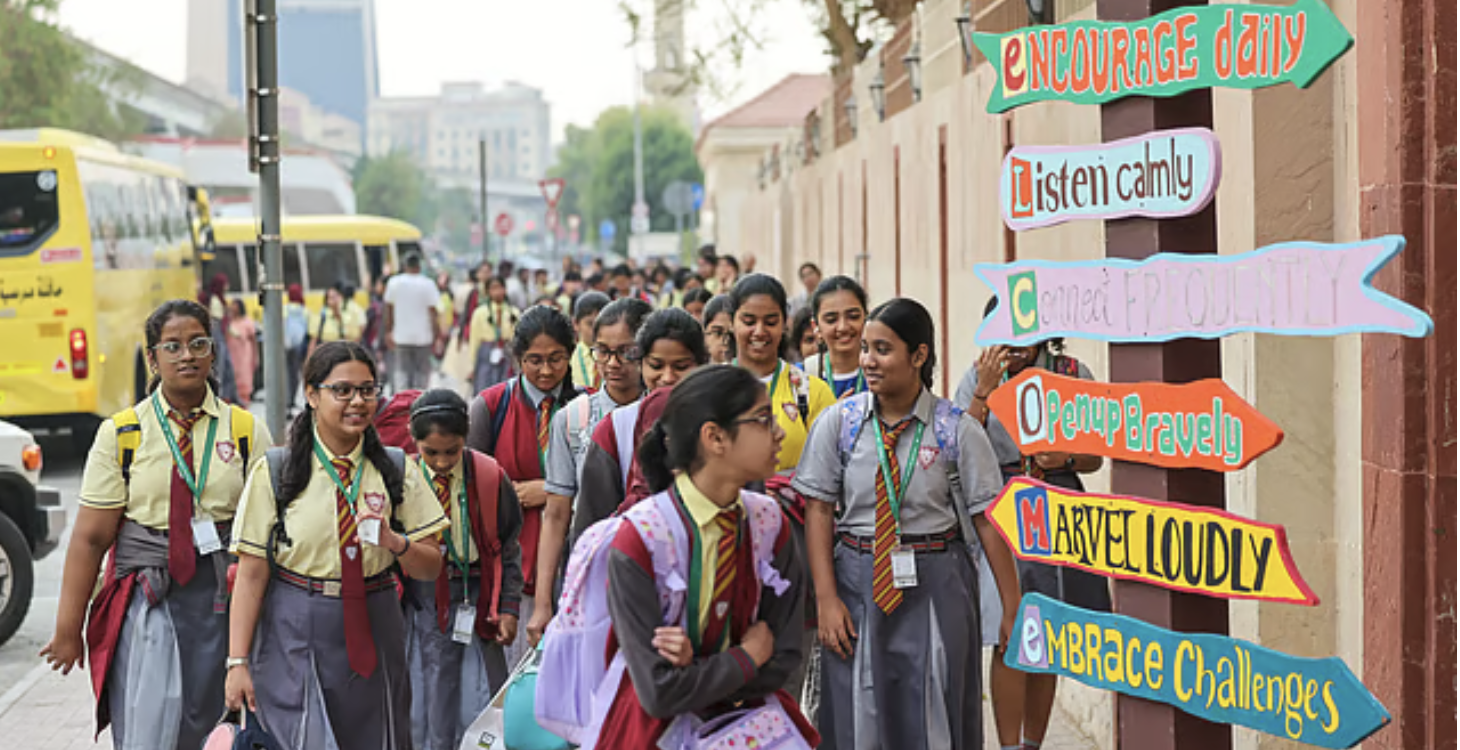
The Roads and Transport Authority (RTA) has announced a new school transport pooling pilot set to launch in early 2026, designed to reduce traffic around schools and offer families a safer, more convenient alternative to daily drop-offs and pick-ups.

The initiative, developed in collaboration with Yango Group and Urban Express Transport, will introduce shared school buses serving multiple schools within defined geographic zones. The goal is to reduce the growing reliance on private vehicles for school drop-offs and pickups, which has contributed to congestion during peak hours.

RTA says the move comes as more families rely on private cars for school runs, adding to congestion during peak hours. By encouraging shared transport, the authority hopes to ease pressure on busy school zones while keeping costs affordable for parents.

According to Ahmed Hashem Bahrozyan, CEO of RTA’s Public Transport Agency, the pilot will offer an affordable alternative to private school transport while improving traffic flow around school areas. He confirmed that the initiative will operate under strict safety and security standards, fully aligned with Dubai’s regulatory framework.

The shared bus model is also expected to shorten travel times, improve punctuality, and create a smoother start and end to the school day. At the same time, it supports Dubai’s push towards more sustainable and environmentally friendly transport options.

RTA said the pilot will be carefully assessed before any wider rollout, with feedback from families playing a key role. If successful, the initiative could reshape how school transport works in Dubai, making daily routines simpler, safer, and less stressful for parents and students.

Continue Reading

Popular

Exit mobile version
https://headline.ae/