
Entertainment
10 most interesting places in Vladimir Region



[ad_1]
One of Russia’s most ancient cities, once the center of an appanage principality, lies 200 km east of Moscow. In it and in the whole region around it, you can plunge into the rich, ancient history of Russia.
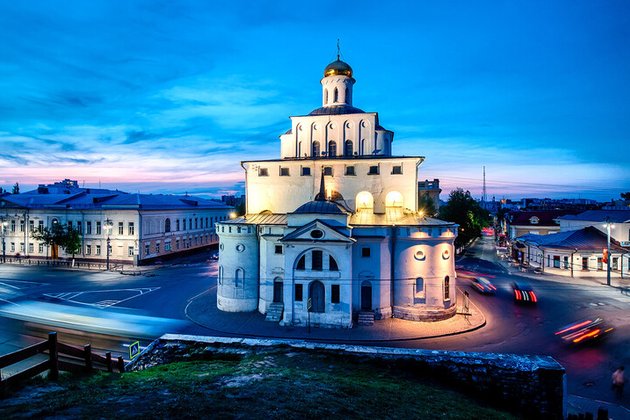
1. The Golden Gate in Vladimir
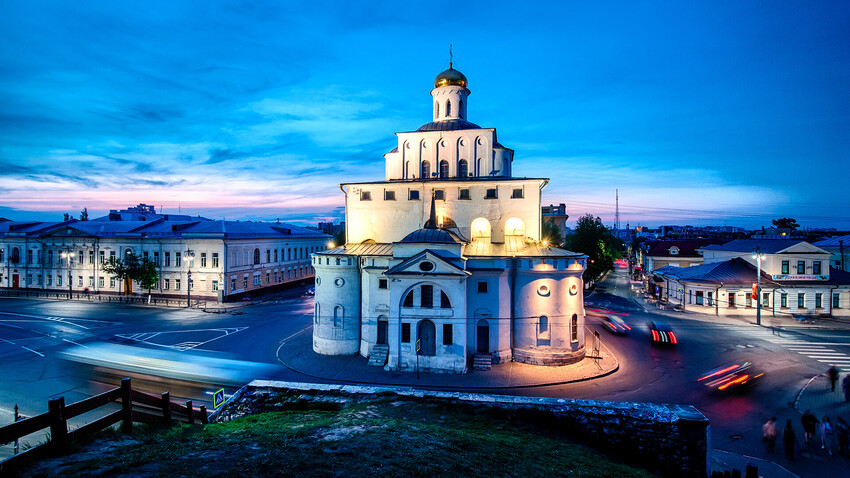

The Golden Gate in Vladimir
Danil Sergeev/Getty Images
Today, Vladimir is a rather small provincial city, although it is the capital of the whole region. But, in the 12th-14th centuries, it was the center of mighty North-Eastern Russia. The city was attacked by enemies many times and especially suffered from the Tatar-Mongol invasion. Once, there was a powerful fortress wall, but now, only mounds and the Golden Gate remain. It is believed that, earlier, the oak doors were covered with gilding, which is where the name came from. Inside, the gate is now a museum with a military and historical exposition and a very interesting diorama of the attack of the Tatar-Mongols on the city.
Read our guide to Vladimir here.
2. The Dormition Cathedral in Vladimir
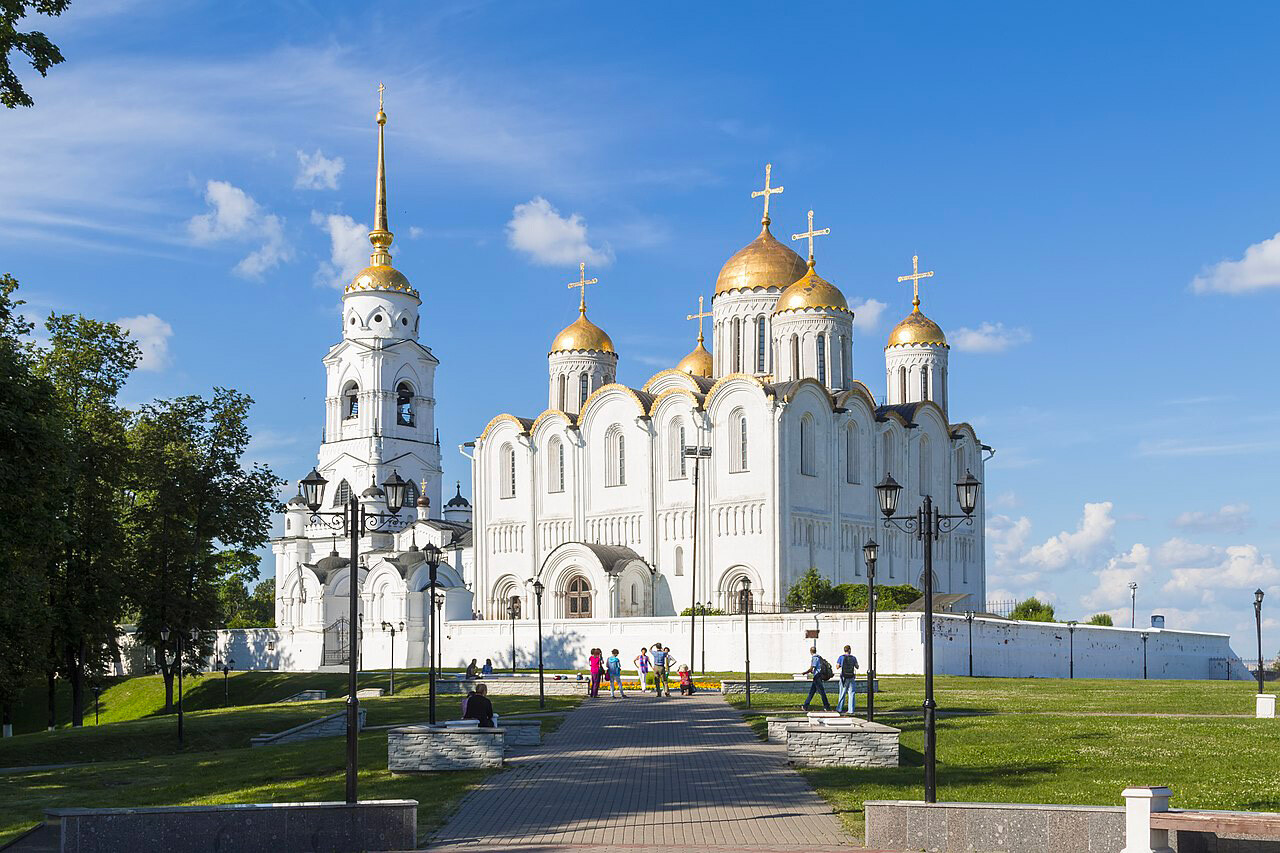

The Dormition Cathedral in Vladimir
Mike1979 Russia (CC BY-SA)
Rich and strong Russian princes lived in Vladimir and ruled their land from there. Each of them aspired to leave behind a luxurious temple. One of such monuments of pre-Mongol Rus’ was the Dormition Cathedral built by Prince Andrei Bogolyubsky in the 12th century. Later, after a great fire, it was restored and completed by his younger brother and new prince Vsevolod the Big Nest. The stone cathedral is on the UNESCO World Heritage List and impresses with its size, complex architecture and rich interior decoration. The walls of the cathedral used to be covered with colorful frescoes by the legendary Andrei Rublev.
3. Suzdal
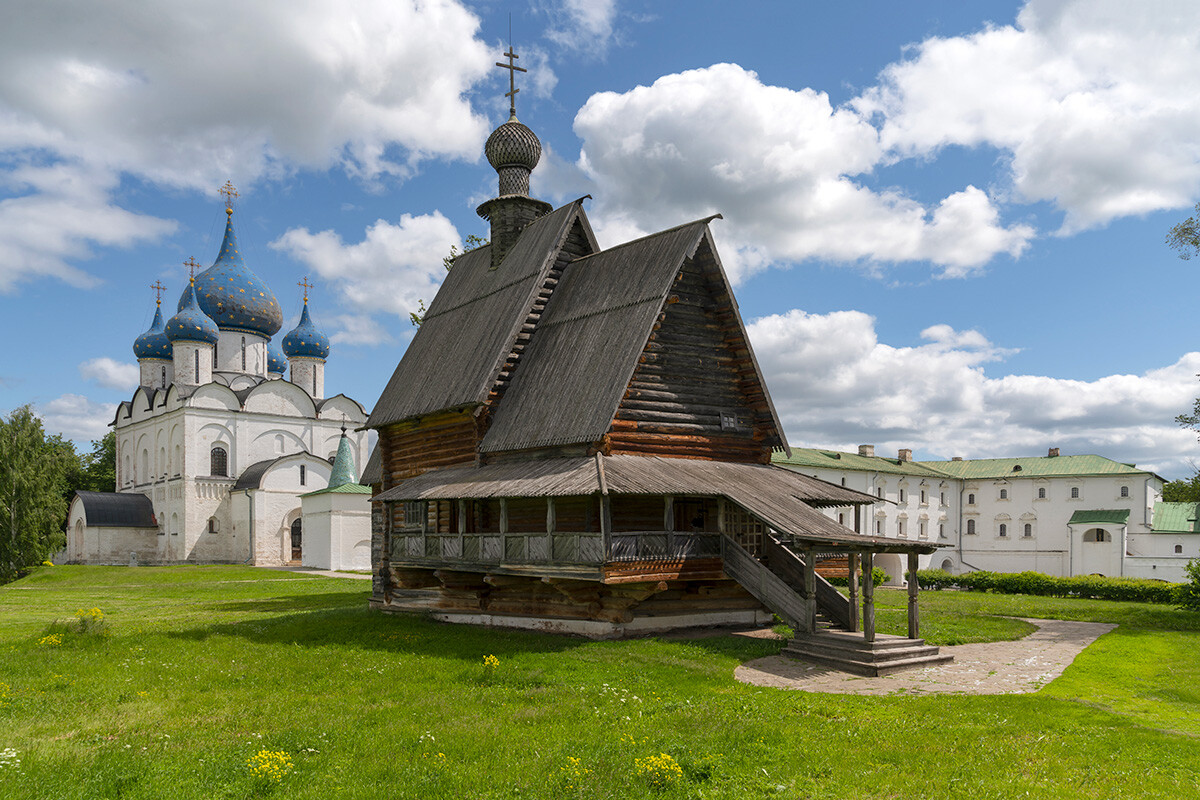

A wooden church in Suzdal Kremlin
Juliia Leonteva/Getty Images
The most cozy and gingerbread town in Russia, where all foreign tourists always go to get acquainted with the “real Russia”, as in fairy tales. Wooden houses, cafes serving liqueurs and dishes based on ancient recipes (e.g., cabbage soup cooked in an oven and buckwheat pancakes with pike caviar). One of the main attractions of Suzdal, in addition to its ancient kremlin, is the open-air museum of wooden architecture, where you can see unique wooden churches and houses of the 18th-19th centuries.
Read more about Suzdal here.
4. Church of the Intercession on the Nerl
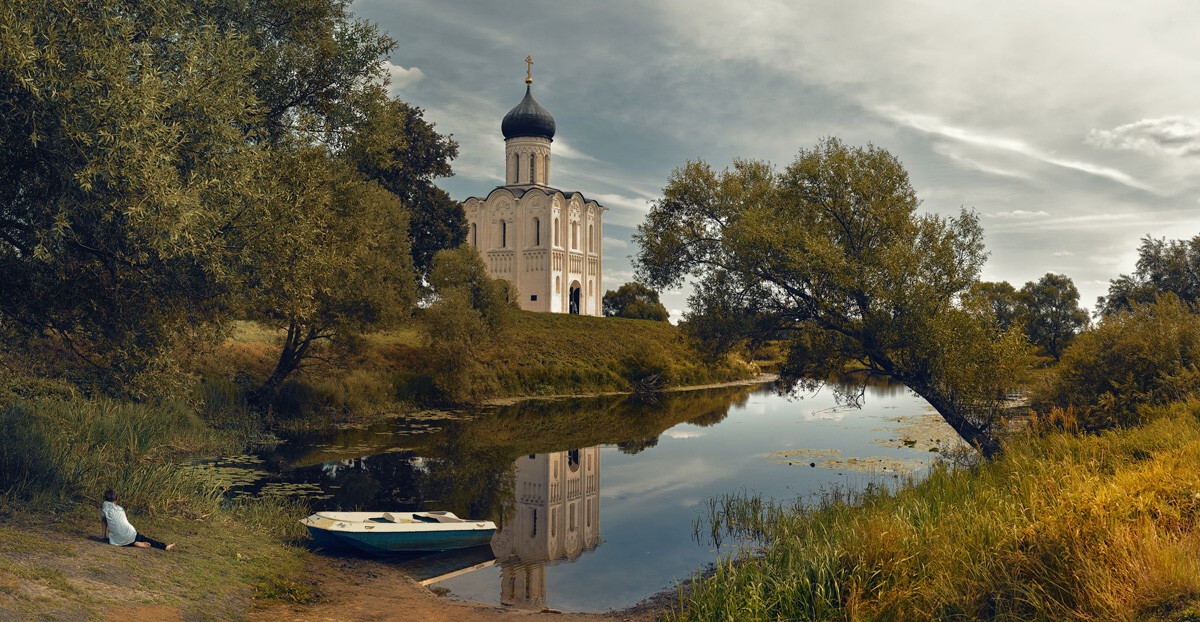

The Church of the Intercession on the Nerl
Getty Images
It is often called the most beautiful church in Russia. But, if there are many churches to compete for this title, the landscape around this church is truly fantastic. The white stone church was built in the 12th century in a lowland on a flood meadow. A hill was poured specially for it to protect it from water. On full spring days, the snow-white church is beautifully seen amidst the water. The original interior paintings have not survived, but you can see carved ornaments and bas-reliefs in the form of animals and King David.
5. Alexandrov
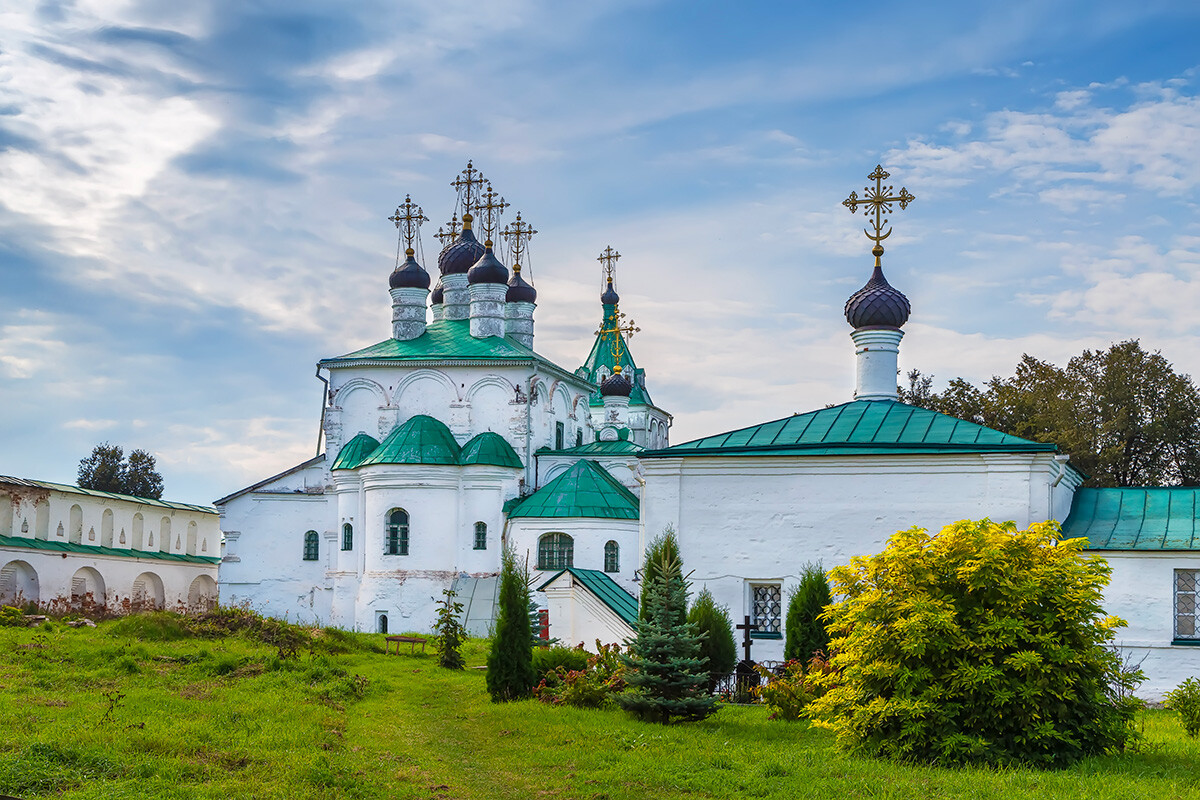
The Assumption Church in Alexandrov Kremlin
Borisb17/Getty Images
The fates of the country were once decided in this small town. It was here that Tsar Ivan the Terrible lived for 17 years after leaving Moscow. He ruled Russia from here (and organized the oprichnina here). The ‘Aleksandrovskaya Sloboda’ fortress replaced the Moscow Kremlin for the tsar and now you can see a reconstruction of the tsar court that used to be there. Among other exhibits, there is also a replica of Ivan’s ivory throne.
6. Gus-Khrustalny
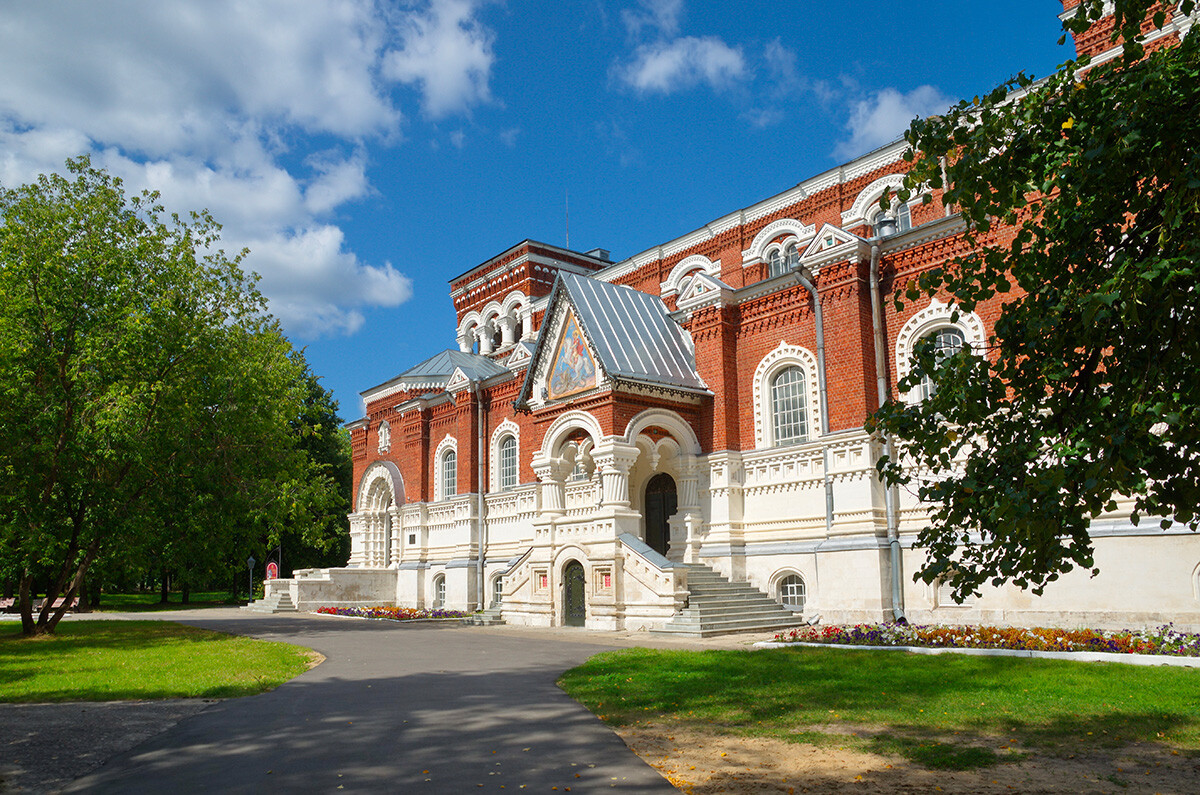

Museum of crystal in Gus Khrustalny
Legion Media
Gus-Khrustalny is usually referred to as the “glass capital” of Russia. In 1756, merchant Akim Maltsov built a glass factory on the Gus River. The Gus-Khrustalny crystal (which means ‘khrustalny’ in Russia) factory works even now, you can get there on an excursion. There is also a museum of crystal production and a lot of old red-brick buildings and wooden one-story houses in the city.
Read more about Gus-Khrustalny here.
7. Murom
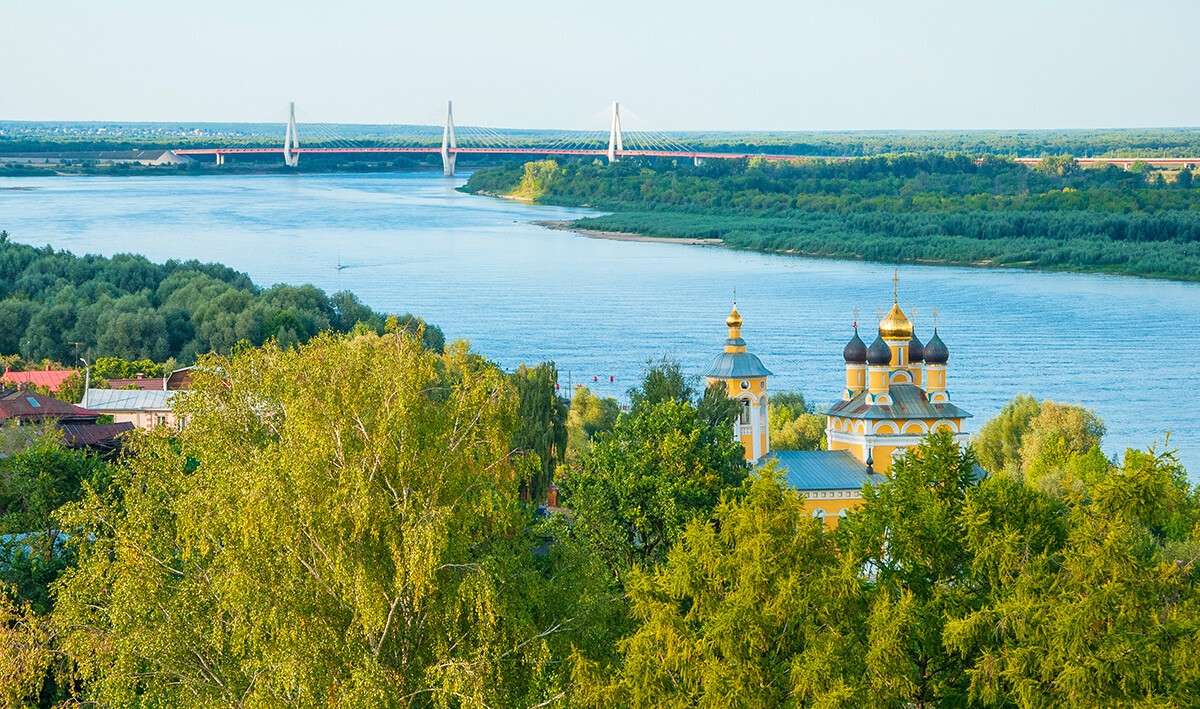

Top view of the Oka River, the bridge and the church of St. Nicholas in the ancient Russian city of Murom
Dance60/Getty Images
One of the oldest cities of Russia is the same age as the Russian statehood. The city on the picturesque bank of the Oka River also houses one of the oldest Russia’s monasteries, the Transfiguration monastery of the late 10th – early 11th centuries. Murom is also known as the birthplace of the bogatyr Ilya Muromets. Other famous tenants were Prince Peter and his wife Fevronia, this semi-legendary holy couple has a monument in the city. They are considered to be the guardians of love, family and fidelity in Russia.
8. Petushki
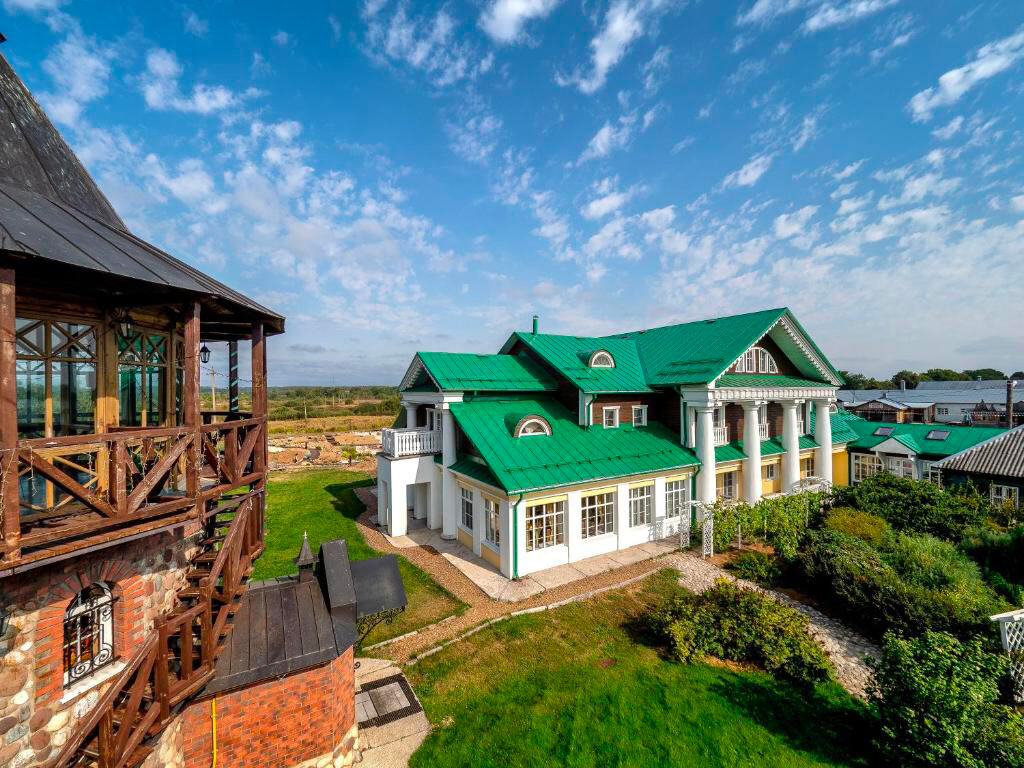

John Kopiski’s farm in Petushki
Petushki is worth a visit if only because it is the final departure point of the protagonist of the cult novel ‘Moscow-Petushki’ (‘Moscow to the End of the Line’). While on route, listen to the audiobook and enjoy Venedikt Erofeev’s Soviet alcoholic Odyssey. Petushki is a small town, now famous for its unusual resident, a British farmer named John Kopisky. For more than 30 years, he has had Russian citizenship, been married a Russian and a convert to Orthodoxy. There, in the middle of nowhere, he has created a whole agrotourist complex called ‘Bogdarnya’, where he makes cheese and treats his guests in his restaurant with a Russian flavor.
9. The Svyato-Vvedensky Island Monastery
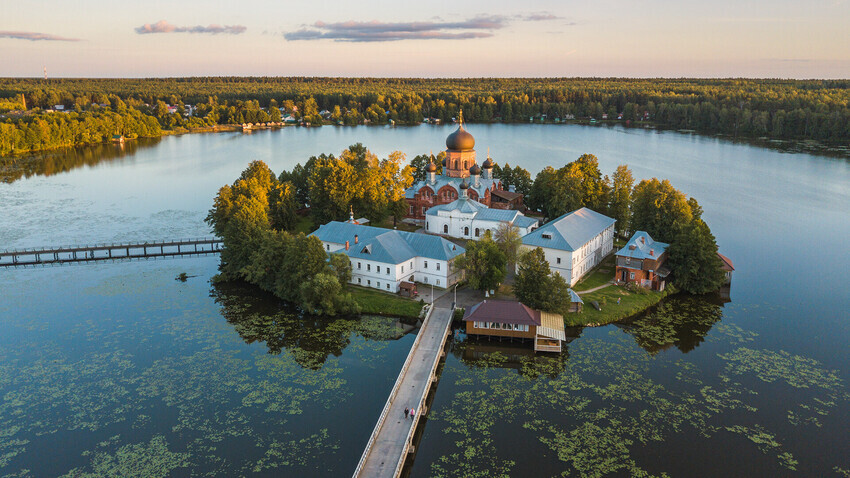
The Svyato-Vvedensky Island Monastery
Legion Media
Monks began to settle on a small island in the very center of Lake Vvedensky in the 17th century and, soon, founded a monastery – the Intercession Holy Vvedensky Island Monastery. During Soviet times, the monastery was used for a variety of needs: there was a warehouse and a movie theater. Today, it is a newly functioning, but now it is a convent.
10. Gorokhovets
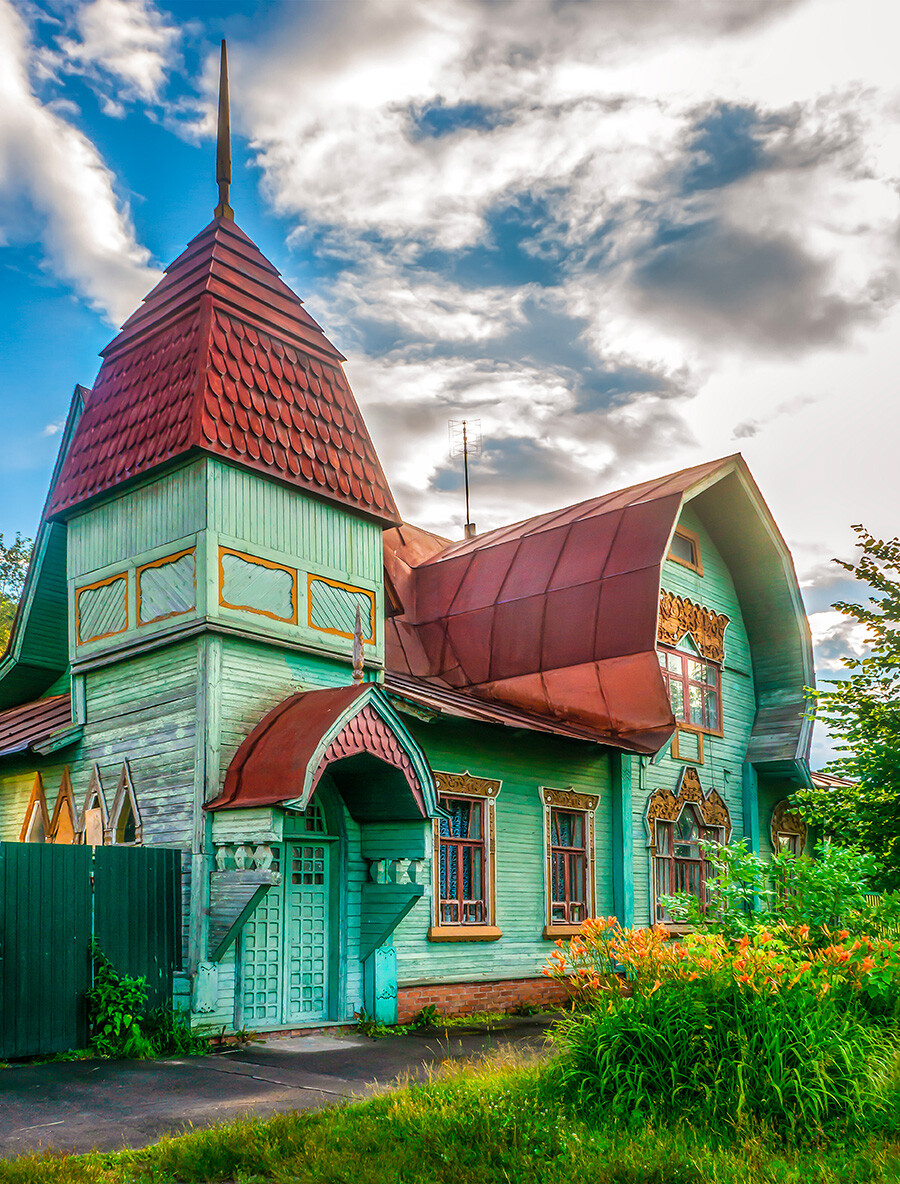

House with Mermaids in Gorokhovets
Gorokhovets is located on the very border with Nizhny Novgorod Region. Once, this town stood on the waterway from Moscow to Nizhny Novgorod, which was famous for its large-scale fair. Therefore, ships with goods always stopped in Gorokhovets and merchants built houses there and invested in the construction of churches. Many of them are real masterpieces of architecture. One of the most famous buildings in the town is merchant Fedor Prishletsov’s ‘terem’ – ‘The House with Mermaids’.
Dear readers,
Our website and social media accounts are under threat of being restricted or banned, due to the current circumstances. So, to keep up with our latest content, simply do the following:
- Subscribe to our Telegram channel
- Subscribe to our weekly email newsletter
- Enable push notifications on our website
- Install a VPN service on your computer and/or phone to have access to our website, even if it is blocked in your country
[ad_2]









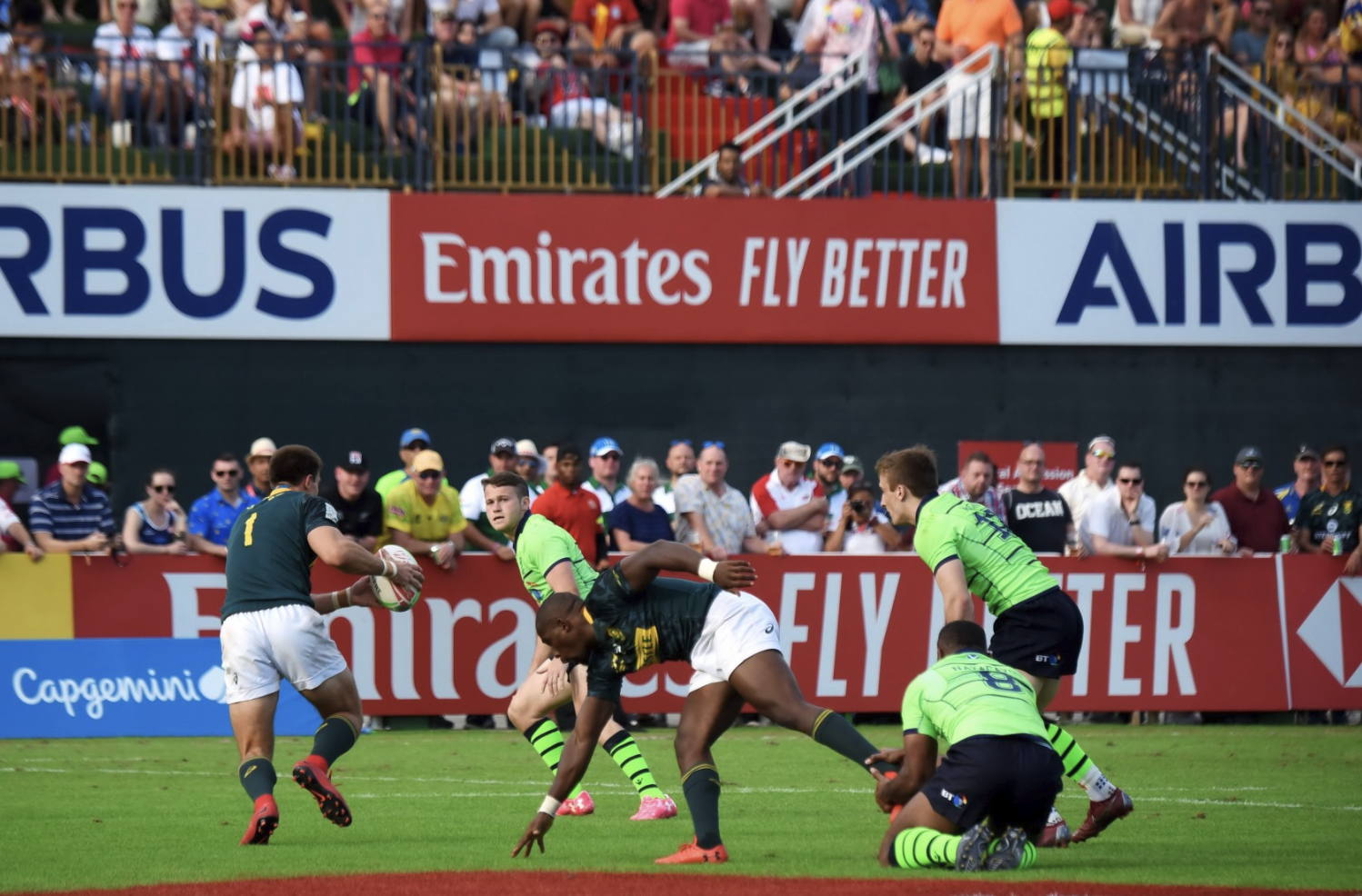
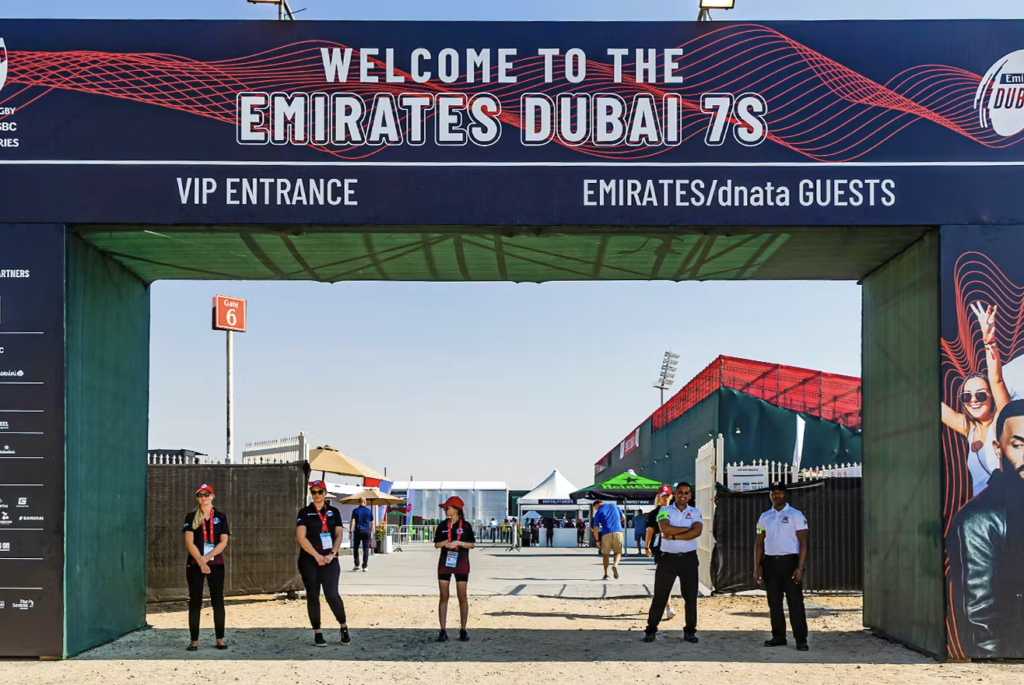
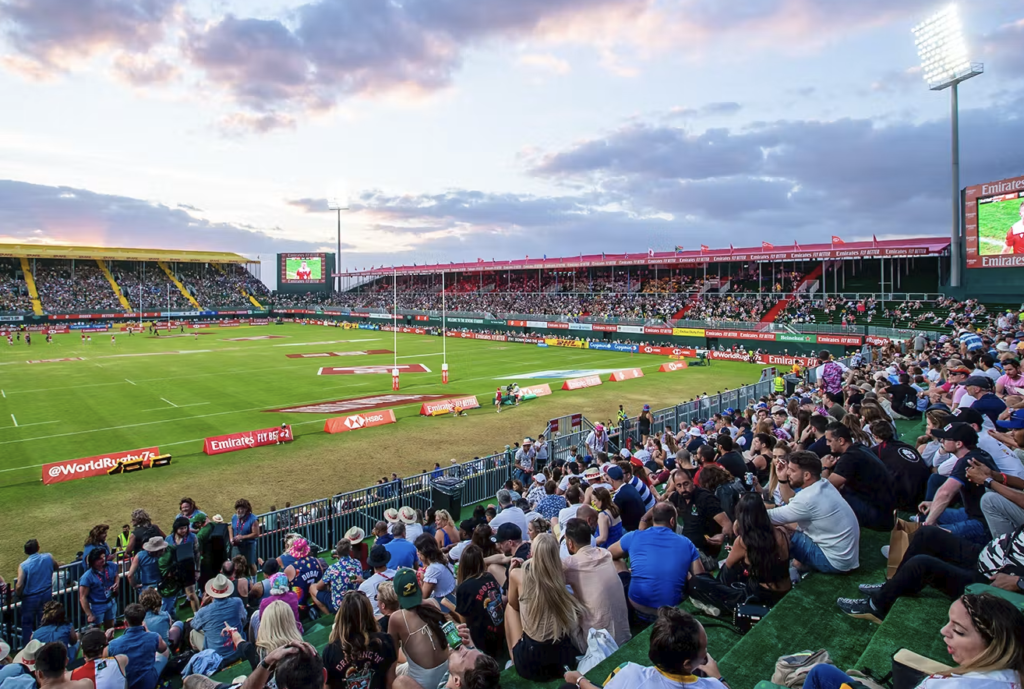
Emirates Dubai 7s is returning to The Sevens Stadium from November 27 to 29, with tickets now on sale for the three-day sports and entertainment festival.
The 2026 edition will bring together international rugby, amateur sports, live music and family entertainment, with organisers promising a bigger programme than previous years.
The festival attracted more than 88,000 visitors in 2025 and will again take place during the final weekend of the Dubai Fitness Challenge.
Ticket prices

Ticket prices for General Admission and Hospitality have stayed the same for a third consecutive year.
Three-day General Admission tickets cost Dh595 per person, while the three-day Family Pass is Dh1,136 for two adults and two children.
Other ticket options

- Group pass: Dh446 per person for four or more adults
- Saturday or Sunday: Dh455
- Friday: Dh75
- Under 15s: Free
- People of Determination + carer: Dh375
Tickets can be purchased through the Emirates Dubai 7s website and app.
Bigger family attractions


Family entertainment will get a major boost this year as the UAE celebrates the Year of the Family.
The festival will feature its biggest-ever Kids’ Zone, including the UAE’s largest inflatable kids’ zone, along with a Ferris wheel and zipline. More attractions are expected to be announced ahead of the event.
Six sports and top rugby action

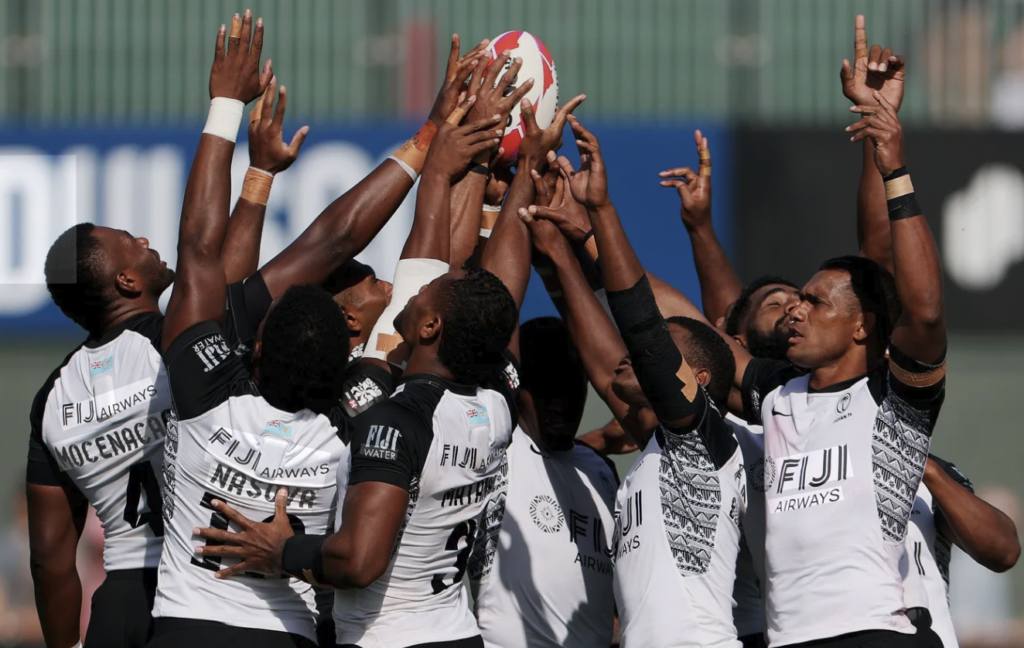
Alongside elite rugby, visitors can watch or take part in competitions across six sports — rugby, netball, cricket, WODON3 fitness, Rebound padel and Gaelic Football.
Gaelic Football will join the festival for the first time in 2026.
The Sevens Stadium will also host the opening round of the HSBC SVNS Series 2027, bringing the world’s leading rugby sevens players to Dubai.
The WODON3 Elite final will take place on Pitch 1 between HSBC SVNS matches, with competitors potentially performing in front of crowds of up to 20,000.
Music all weekend


Live entertainment will run throughout the festival, with local and international artists performing across three days.
Last year’s line-up included Tinie Tempah, Sean Paul and Fisher, while the 2026 headline acts will be announced later.
For a premium experience, The Sunroom returns with all-inclusive food and drinks, shaded seating, prime sporting views and dedicated access. Packages start from Dh1,925 per person.
With sport, music and family attractions packed into one weekend, Emirates Dubai 7s is gearing up for another big Dubai event.
Entertainment
Dubai launches ‘Dubai+’ family streaming platform to boost digital media and creative economy


Dubai Miracle Garden returns as UAE’s cooler season begins

Sultan Al Qasimi Attends Opening of 12th Sharjah Calligraphy Biennial