

News
35th World AI Show ends with achievers honoured in Dubai




Headline staff
Dubai, May 26, 2022:
The two-day 35th global edition of World AI Show & Awards, the longest running AI series, organized by Trecon, closed on a high note with the inaugural World AI Awards to recognise contributions in various fields on Thursday.
Held under the patronage of the Private Office of Sheikh Saeed Bin Ahmed Al Maktoum, a member of the royal family of Dubai, the World AI Show and Awards brought together the most powerful voices in the global AI and RPA space.
The second day of the World AI Show kick-started with a panel discussion on Women in AI. The confluence of global AI women leaders equivocally stressed the significance for women to prove their worth and get recognition on merit. There was a broader representation of views with panelists from the UAE, Germany, and Oman on stage.
James Connolly, the regional director of DarkTrace, spoke about using artificial intelligence to surgically respond to fast and furious attacks and the threat landscape in 2022.
Padam Kafle, the Aster Hospitals head of IT and Automation, touched on the growth in enterprise adoption of the 5G network. Kafle took the award for best project implementation under the best AI use-case award in the private sector on behalf of Aster.
Other sessions included topics such as ethical uses of AI, ways for successful rapid implementation, trends, and scaling the adoption of AI to deliver business outcomes.
A special award was handed out to Eng Fahad A Alhamed, the Founder and Chairman of the Saudi Cloud Computing Association, who was given the AI Visionary of the Year award.
Emirates NBD Bank had three innovations shortlisted in the banking category and the team representing faced some nervous moments before knowing that it was the model they created for ensuring compliance with financial regulations using a quantitative scoring system with scorecards to identify bottlenecks.
In addition, they have created a call center analytics that uses AI to predict consumer behavior, as well as a Multiplier effect that gives the next-best action and personalization for a better banking experience.
With his ENBD colleagues, Sachin Chandna received the best AI use case award private sector in the banking segment along with his head of customer intelligence who received the AI proponent of the year award in the private sector as well.

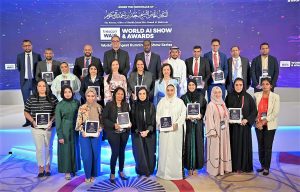
The inaugural World AI Awards winners pose with the jury members at the Jumeirah Emirates Towers in Dubai. Photo by Trescon
Startup World Cup
The opening day saw the UAE finalist being spotted for the Startup World Cup. Affinsys, a startup running AI solutions for banks, telecom and insurance companies, won after the jury took a live decision based on final pitches from the top contenders and voted for UAE’s representation among 60-plus countries from where the World Cup winner will receive $1 million funding.
The inaugural edition of the World AI Awards was hosted in top glory with many AI visionaries and true flag bearers of the MENA region receiving the award for their contribution in the field of artificial intelligence.
“Dubai has always welcomed talent and we always looking to create a better future, so it was only natural for us to be associated with this event,” said Hisham Al Gurg, CEO at the Private Office. “AI is the future and it is nice to see so many experts and leading companies at World AI Show & Awards.”
Winners of World AI Awards:
Best AI use-case in Private Sector:
Healthcare – Aliasgar Bohari, Zulekha Hospital
Education – Shameed Sait, GEMS Education
Banking – Sachin Chandna, Emirates NBD
Financial Services – Saurav Suman, The Family Office
Manufacturing – Wissam Al Adany, ADES Arabia Holding
Retail – Mustafa Hussein, IKEA, Saudi Arabia
Best Project Implementation – Padam Kafle, Aster Hospitals
Best AI use-case in Public Sector:
Healthcare – Dr Maryam Alsharaf, Emirates Health Services
Best Project Implementation – Dr Maryam Alsharaf, Emirates Health Services
Education – Saud Aldajah, Higher Colleges of Technology
Energy & Utilities – Awad El-Sidiq, Adnoc Distribution
Others
Best Young Role Model – Maya Hiba, Al Ramz Corporation
Best Value Chain – Raman Nathani, Rafed Pure Health
Most Popular Proponent of the Year – Sachin Chandna, Emirates NBD Bank
Visionary of the Year – Fahad Alhamed, Saudi Cloud Computing Association chairman











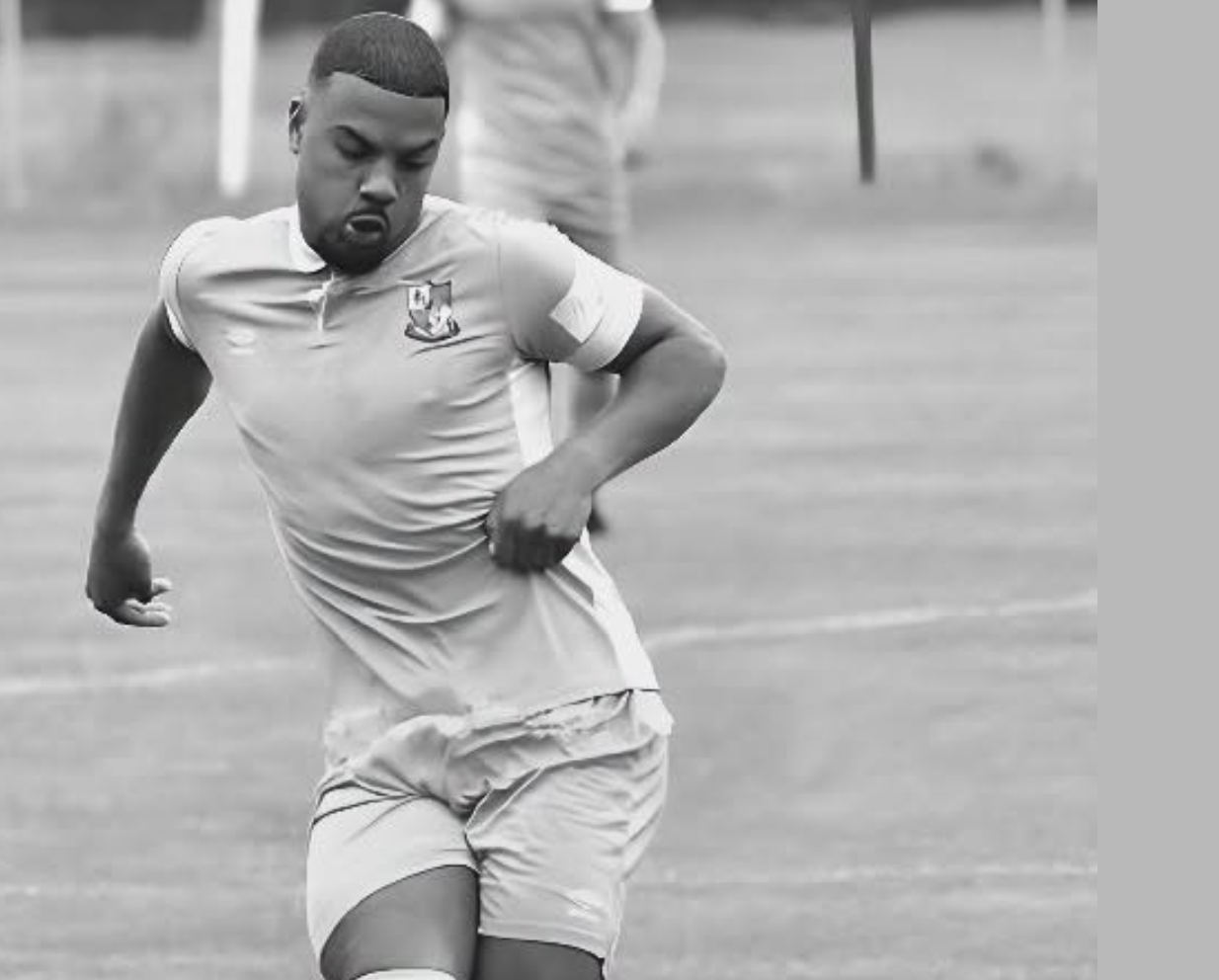
Tributes have poured in after the son of former Chelsea star Eddie Newton was found dead alongside his friend following a hike in the UAE, where temperatures soared to 50C.
Cassius Newton, 34, and his friend Aran Martinson, 33, were found by rescuers on July 18 after setting out on a hike in the mountainous Wadi Naqab region.
The pair, from Dorset and Essex respectively, both lived and worked in the UAE. Their bodies were discovered between 3km and 4km from their vehicle.
According to a report, Chelmsford area coroner Michelle Brown said their provisional causes of death included cardiac and respiratory arrest.
Cassius, a non-league footballer, was the son of former Chelsea midfielder and coach Eddie Newton, who spent more than a decade with the club.
His wife was in the UK when she became concerned after Cassius failed to contact her following the hike and reported him missing.
The two men had been living at a luxury resort in Ras Al Khaimah.
Tributes after desert tragedy


Tributes poured in after the deaths.
Aran’s wife described him as “incredibly driven, hardworking and ambitious”, saying he had recently begun a new chapter in his career and was excited about the future.
Blackfield & Langley Football Club paid tribute to their former player, saying: “It is with heavy hearts that we share the sad news of the passing of former player Cassius Newton; our thoughts and deepest sympathies are with his family and friends during this difficult time.”
National League club Eastleigh, where Cassius had previously played, said it was “deeply saddened” by his death.
Chelsea connection


Cassius’ father Eddie Newton played for Chelsea from 1990 to 2001 and famously scored in the club’s 1997 FA Cup final victory.
The former midfielder also represented Cardiff City, Birmingham City, Oxford United and Barnet.
After retiring as a player, Newton moved into coaching, working as assistant manager at MK Dons and West Brom before returning to Chelsea.
He later served as assistant manager under Roberto Di Matteo and Rafael Benítez.
(With inputs from BBC, The Sun)


UAE petrol prices rise again: New fuel rates for October revealed

Etihad Rail to launch 10 daily Dubai-Abu Dhabi passenger journeys


