

News
Abu Dhabi’s BAPS Mandir reopens with focus on unity and appreciation for UAE



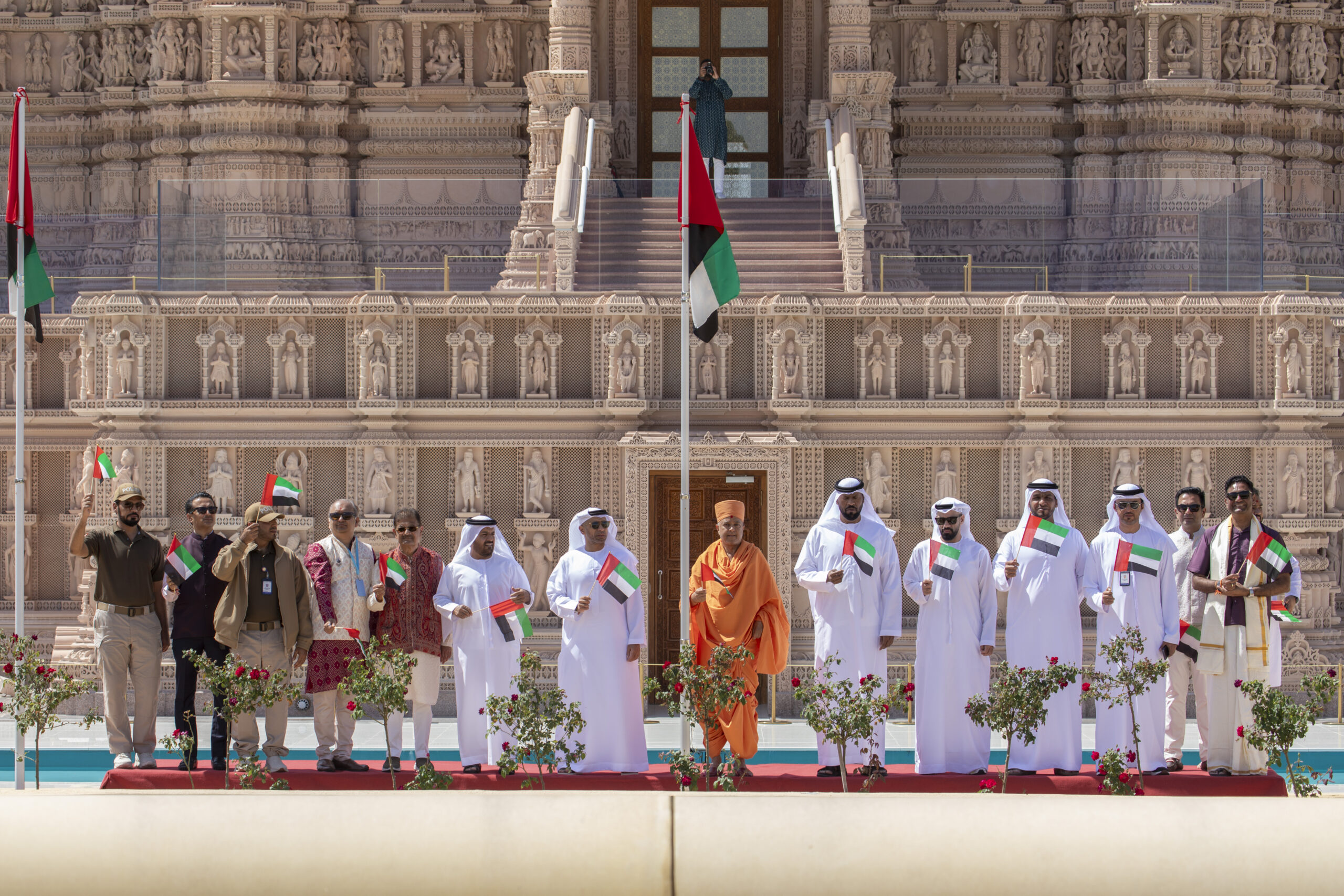
The BAPS Hindu Mandir in Abu Dhabi has reopened to the public, marking the occasion with a large-scale flag-raising ceremony that brought together more than 1,000 attendees in a show of unity and appreciation for the United Arab Emirates.

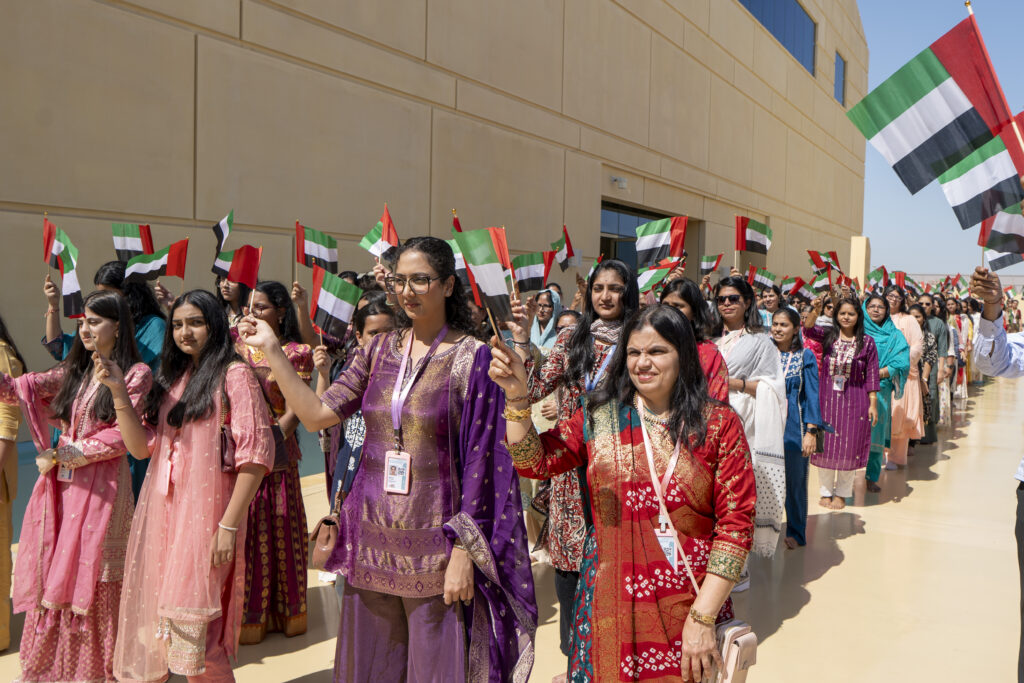
The temple resumed operations on April 14 in line with national safety and security guidelines. Its official reopening was commemorated on April 19 with a ceremony held in the mandir’s central courtyard, where community members, officials, and volunteers gathered to celebrate what organisers described as a moment of gratitude and solidarity.
To watch a video of the event, click here: https://www.instagram.com/reel/DXUPHuskxKs/?utm_source=ig_web_copy_link&igsh=NTc4MTIwNjQ2YQ==
Senior representatives from government and civic bodies attended the event, including officials from Abu Dhabi Police and the Department of Community Development. In remarks during the ceremony, Brigadier General Hamed Mohammed Al Harji, Head of the Joint Task Force, said the gathering reflected the UAE’s spirit of harmony and coexistence, and reaffirmed authorities’ commitment to community safety.

Brigadier General Al Harji thanked Brahmavihari Swami for inviting the joint task force to take part in the ceremony, describing the event as a powerful display of unity. He said the large and diverse turnout was “deeply moving,” reflecting the UAE’s core values of harmony and coexistence. Al Harji added that the occasion reaffirmed the task force’s ongoing commitment to safeguarding the community and ensuring its well-being remains in trusted hands.
Flag-waving procession
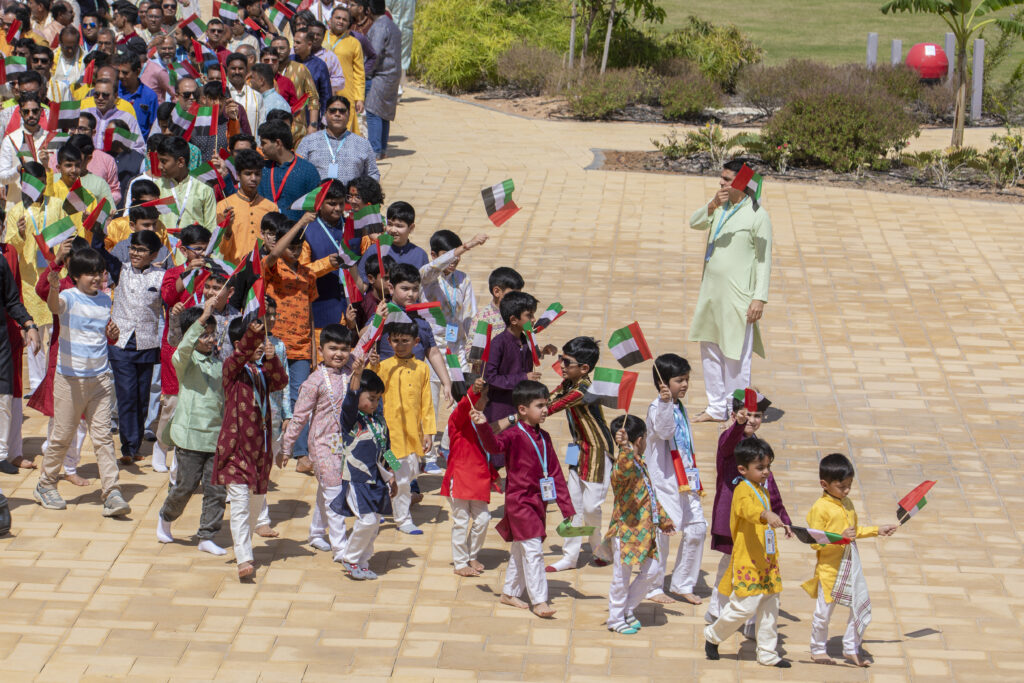
The event drew participants from a wide cross-section of the UAE’s Indian diaspora, with cultural groups representing regions such as Rajasthan, Odisha, Bengal, Maharashtra, and Andhra Pradesh, among other states. Attendees waved UAE flags and took part in a procession around the temple grounds, underscoring themes of inclusion and shared identity.
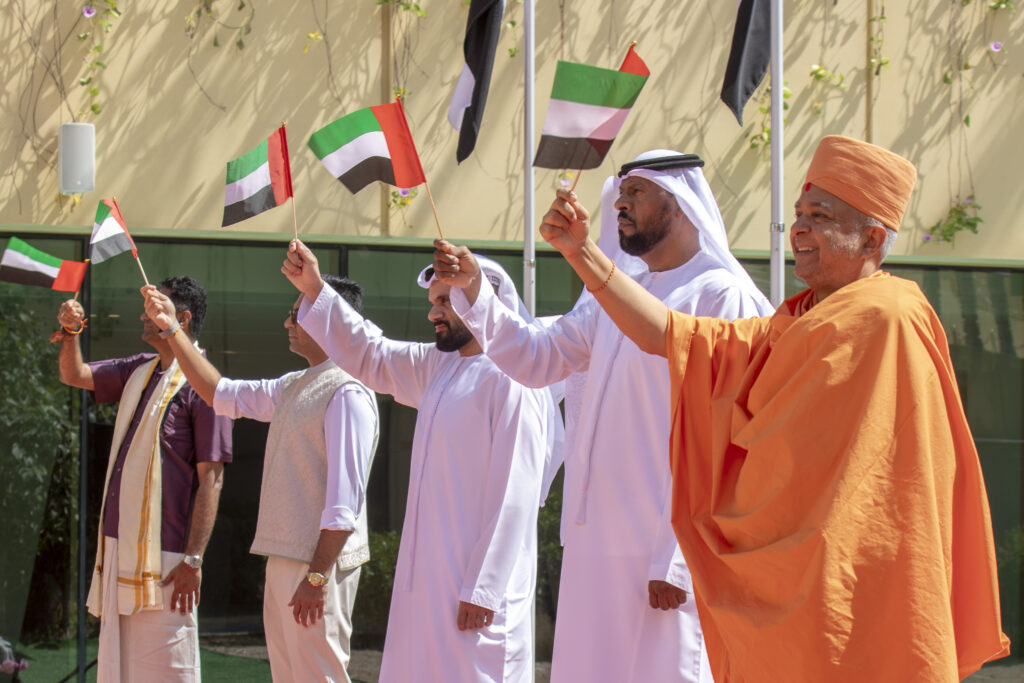
Swami Brahmaviharidas, head of the BAPS Hindu Mandir in Abu Dhabi, described the reopening as both a celebration and a moment of reflection. In his address, he praised the UAE’s leadership for fostering a sense of security and belonging among residents of diverse backgrounds.
“A country is not measured by the size of its land, wealth or population, but by the quality and character of its people and the vision of its leaders,” he said, expressing gratitude to the nation’s leadership for guiding the country through recent challenges.
Role of the temple
Temple officials also highlighted the role the mandir played during periods of global disruption, when travel restrictions left some individuals stranded. Volunteers organised support efforts that included food distribution, temporary accommodation and basic medical assistance, working in coordination with local authorities.
Mandir chairman Ashok Kotecha said the reopening signals a renewed commitment to community service. “We are honoured to be part of a nation that champions unity, compassion and peaceful coexistence,” he said.
The BAPS Hindu Mandir, which blends traditional Indian architecture with modern sustainability features, is positioned not only as a place of worship but also as a hub for cultural exchange and social outreach. As it resumes regular activities, leaders say its mission remains focused on service, inclusivity and strengthening community ties across the UAE.







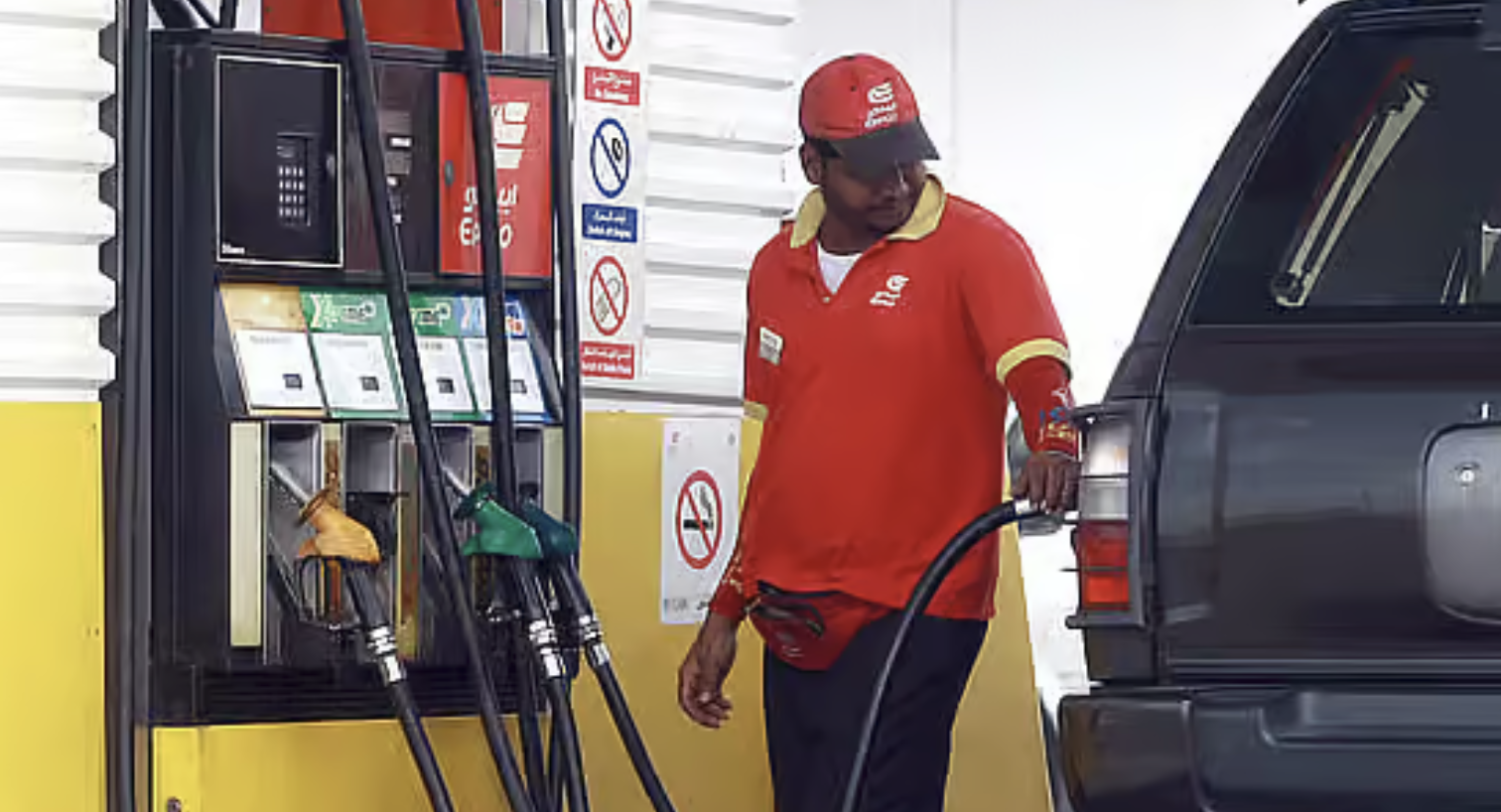
UAE motorists won’t have long to wait to find out whether fuel prices will increase in August, with the Fuel Price Committee set to announce the new rates on Thursday, July 31.
The revised petrol and diesel prices will take effect from August 1.
Will fuel prices go up?


After a welcome price cut in July, the outlook for August is less certain.
Global oil prices initially fell below $70 a barrel earlier this month, raising hopes of another reduction. However, prices have since rebounded sharply, clouding the picture for motorists.
Brent crude briefly climbed above $100 a barrel, while US benchmark WTI rose to nearly us$92. Abu Dhabi’s Murban crude also surged past us$105, reflecting renewed strength in global energy markets.
Because UAE fuel prices are based on average international oil prices over the month, the late-July rally could limit or even reverse last month’s cuts.
Current UAE fuel prices


Motorists are currently paying:
- Super 98: Dh3.40 per litre
- Special 95: Dh3.29 per litre
- E-Plus 91: Dh3.21 per litre
- Diesel: Dh3.60 per litre
These rates were introduced in July after global oil prices eased earlier in the summer.
How UAE fuel prices are set


The UAE reviews petrol and diesel prices every month based on average global crude oil and refined fuel prices.
The August rates will be announced on July 31 through official government channels and will come into effect the following day.





Will UAE petrol prices rise in August? Here’s what we know

UAE traffic fine: Why leaving your engine idling can cost you Dh500

Dubai Airports unveils smart gate pre-check for passengers


-
 Entertainment6 months ago
Dubai launches ‘Dubai+’ family streaming platform to boost digital media and creative economy
-

 News7 months ago
Etihad Rail reveals UAE passenger network: Faster, easier travel for residents from 2026
-

 Announcements6 months ago
Dubai unveils mega Dubai Food District, set to become one of the world’s largest food trade hubs