Entertainment
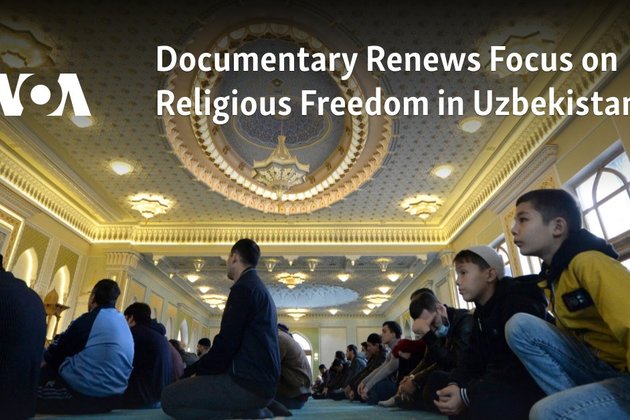
Documentary Renews Focus on Religious Freedom in Uzbekistan



[ad_1]
Washington – With his pardon of thousands of prisoners and removal of more than 18,000 citizens from a notorious blacklist after coming to office in 2016, President Shavkat Mirziyoyev raised hopes that religious freedom in Uzbekistan – the lingering source of criticism over the country’s human rights record – was set to improve after decades of repression.
Oqlanmagan – Unexonerated is a new documentary by the Oxus Society for Central Asian Affairs. It reveals that Uzbekistan still has a long way to go. The film also echoes some recommendations made by U.S. experts, who recently toured Uzbekistan to examine the issue at the invitation of the government.
Noah Tucker, who produced Oqlanmagan with a team in Uzbekistan, told VOA the film amplifies the voices “we do not normally hear, and confronts the broader public, the government of Uzbekistan and the international community with questions about whose suffering counts, whose pain is real and legible.”
Focusing on individuals unfairly labeled “extremists” under Islam Karimov, the republic’s former dictator who governed for more than a quarter of a century, the film describes an Islamic revival that began in Uzbekistan in the late 1980s, as a growing sense of national and Muslim identity fueled resistance to Soviet rule.
Following independence in 1991, things quickly went wrong. “Despite publicly embracing democracy and Islam, Karimov saw both movements as a threat to his continued power,” highlights the documentary. By 2000, Karimov had introduced wide-ranging restrictions on the free exercise of religion, saying they were needed to combat extremism and radicalism.
Oqlanmagan documents how authorities arrested “tens of thousands of practicing Muslims … forcing them to sign pre-written confessions that resulted in decades-long prison sentences on charges of terrorism and treason.” Many were subjected to torture and accused of attempting to overthrow the government.


US, UN Officials Hail Uzbekistan’s Repatriation of IS Families
Upon taking office in 2016, President Mirziyoyev acknowledged a pattern of systemic abuse, called for the release of religious prisoners, and abandoned the Karimov-era blacklist naming individuals who were suspected of extremism but had not committed any crime. Many expected the new administration to quickly exonerate all those who had been arbitrarily imprisoned.
Eight years later, however, the system still has not acted on thousands of cases that families see as unlawful convictions. In 2021, it adopted a law that reinforced religious restrictions reminiscent of the Karimov era.
Oqlanmagan features human rights activist Ahmadjon Madumarov, whose three sons were imprisoned on charges of membership in Hizb-ut-Tahrir, an organization that Tashkent bans as extremist but which is legal in the United States and Europe. Collectively, they served 60 years in prison, with their sentences repeatedly extended on vague pretexts.
For Madumarov, Karimov’s rule is synonymous with political repression and the isolation of Uzbekistan from the wider world.
Habibullo, one of the sons who spent more than 21 years behind bars, says he believes many were locked up because the regime saw them as critics.
Expert recommendations and how Tashkent sees the issue
In recent years, prominent reports by the U.S. Commission on International Religious Freedom and Ahmed Shaheed, the former U.N. special rapporteur on freedom of religion, have praised Mirziyoyev’s steps forward on religious freedom, while calling on authorities to release and rehabilitate remaining prisoners and do more to curtail the still wide-ranging powers of the security services.
Tashkent has reacted coldly to these assessments, insisting the country holds no religious or political prisoners.
But in January, Uzbekistan invited a group of U.S. experts to meet policymakers, religious leaders and civil society. The delegation told VOA that, in contrast to earlier visits to assess religious freedom in Uzbekistan, they felt free to interact with ordinary citizens.
During a January 29 discussion in Washington, the Uzbek ambassador to the U.S., Furqat Sidiqov, said his government is “committed to improving the human rights situation.”
‘This is a very important issue for us. We have a comprehensive, open, constructive dialogue with the United States. There’s not any issue that we cannot discuss,” he said.
Sidiqov argued that Tashkent takes steps not to please external actors but for the benefit of the nation.
Describing religious tolerance and openness as critical prerequisites for good governance, Sidiqov acknowledged, “Of course, there are issues and problems. It’s natural, but our approach is different now.”
Chris Seiple, a member of the delegation and president emeritus of the Institute for Global Engagement, sees Central Asia as a tough neighborhood that has “never had experience with an unregulated religious space.”
“In every single interview, even when the government was not in the room, human rights activists agreed on one thing: today versus the previous administration, it is incomparably better than before. Most of them also say that there are areas that, if improved, would enhance Uzbekistan’s security as a state and for its citizens,” Seiple said.
In his analysis, the government’s approach to religious freedom is driven by concerns about extremism and terrorism, even though the country has not suffered a terrorist attack since 2004. The most serious attack, which killed 16 and injured more than 100 in 1999, was blamed on the Islamist Movement of Uzbekistan, whose remnants are still reportedly active in Afghanistan.
Civil Society Struggles for Freedom in Central Asia
Nadine Maenza, president of the International Religious Freedom Secretariat and former chair of USCIRF, who also traveled to Uzbekistan, says citizens lack clarity from the state about how they can legally practice their faith.
Like other experts, she worries that intensifying control over the Muslim majority results in sporadic harassment. The government should “define religious extremism precisely in legal terms, ensuring that this definition is transparent and publicly available,” she suggested.
Maenza urges the Uzbek government to work with local and international legal experts to differentiate between peaceful religious expression and actions genuinely constituting a security threat.
Tucker, the producer of Oqlanmagan, observes that political leaders relying too heavily on security services often come up with the wrong policies. But like many in Uzbekistan, he believes that under Mirziyoyev, the country has been able to embrace Islam more openly than before. He encourages the administration not to abandon this process.
“The easiest way to [diminish] this is to claim that ordinary things people began to do as the result of reforms – growing beards, girls wearing hijab in schools, et cetera – is a sign of danger,” Tucker told VOA.
“This is another reason we made the film: to give the political establishment, the public, and the international community access to another source of information about what’s happening on the ground.”
[ad_2]







Entertainment
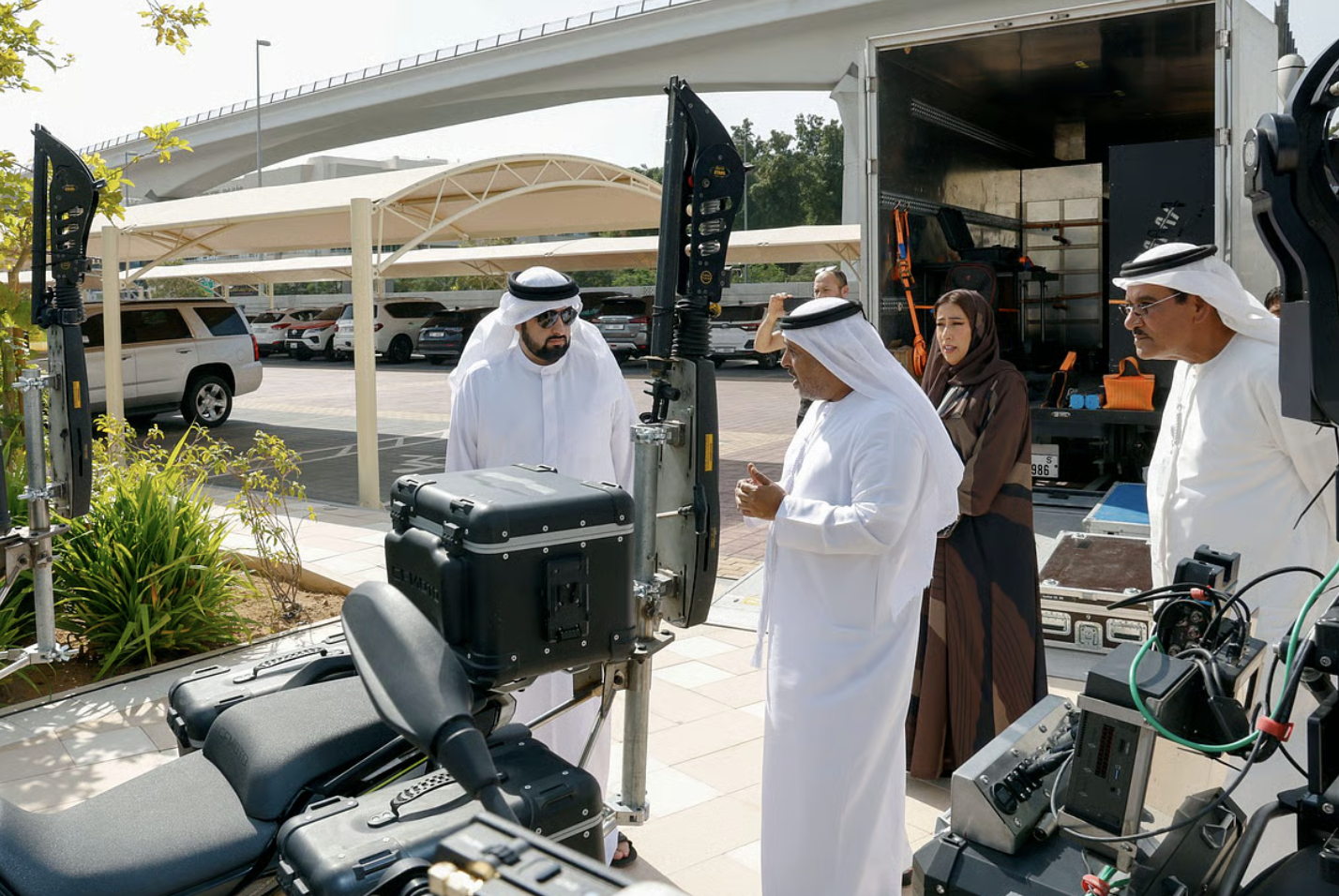
Dubai launches ‘Dubai+’ family streaming platform to boost digital media and creative economy




Entertainment
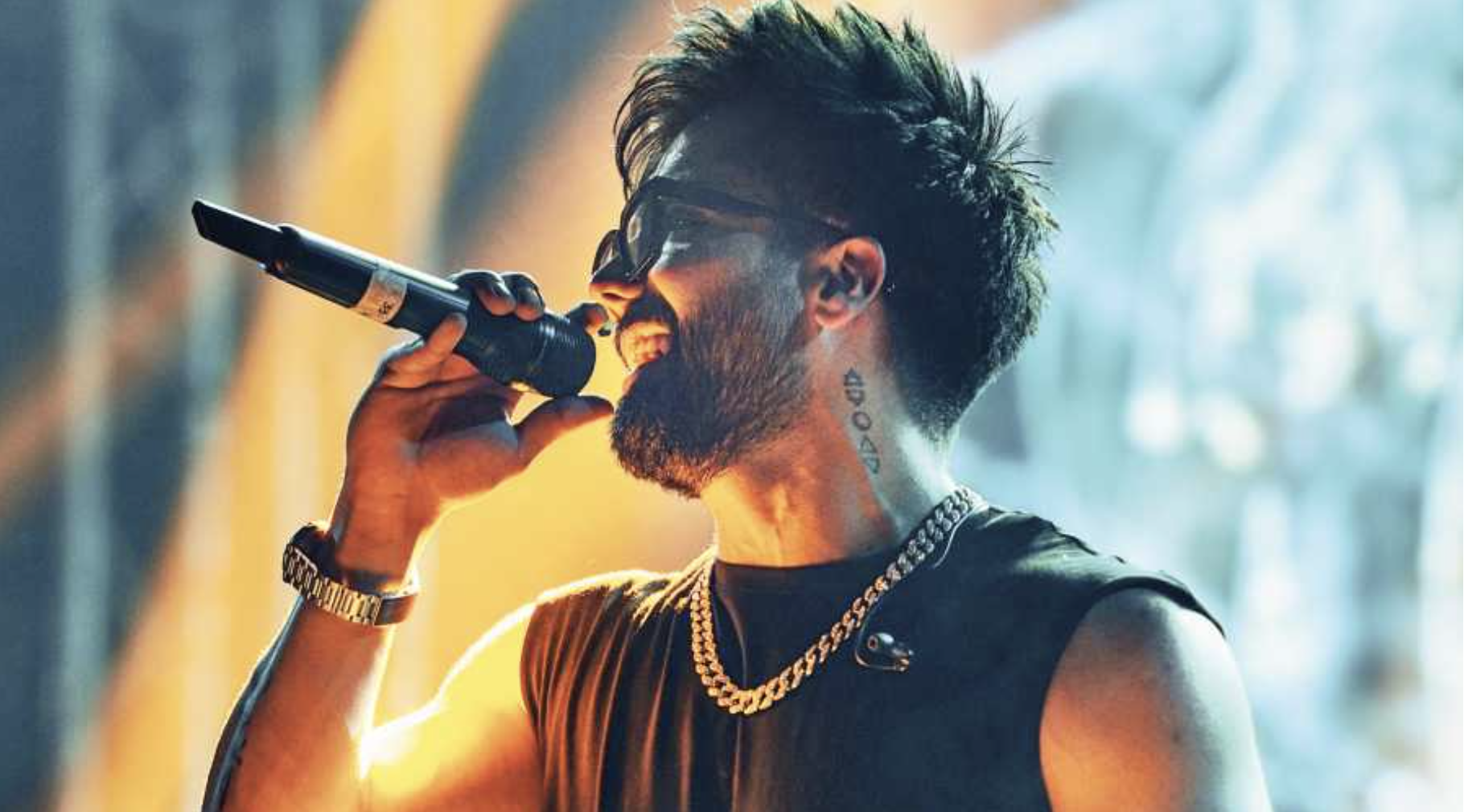
Canada Super 60 set to dazzle with star-studded concert line-up at Vancouver’s BC Place


Bank fraud in UAE: New measures in place to protect residents from money scams

What UAE drivers heading towards Sharjah University Road need to know