Connect with us

News

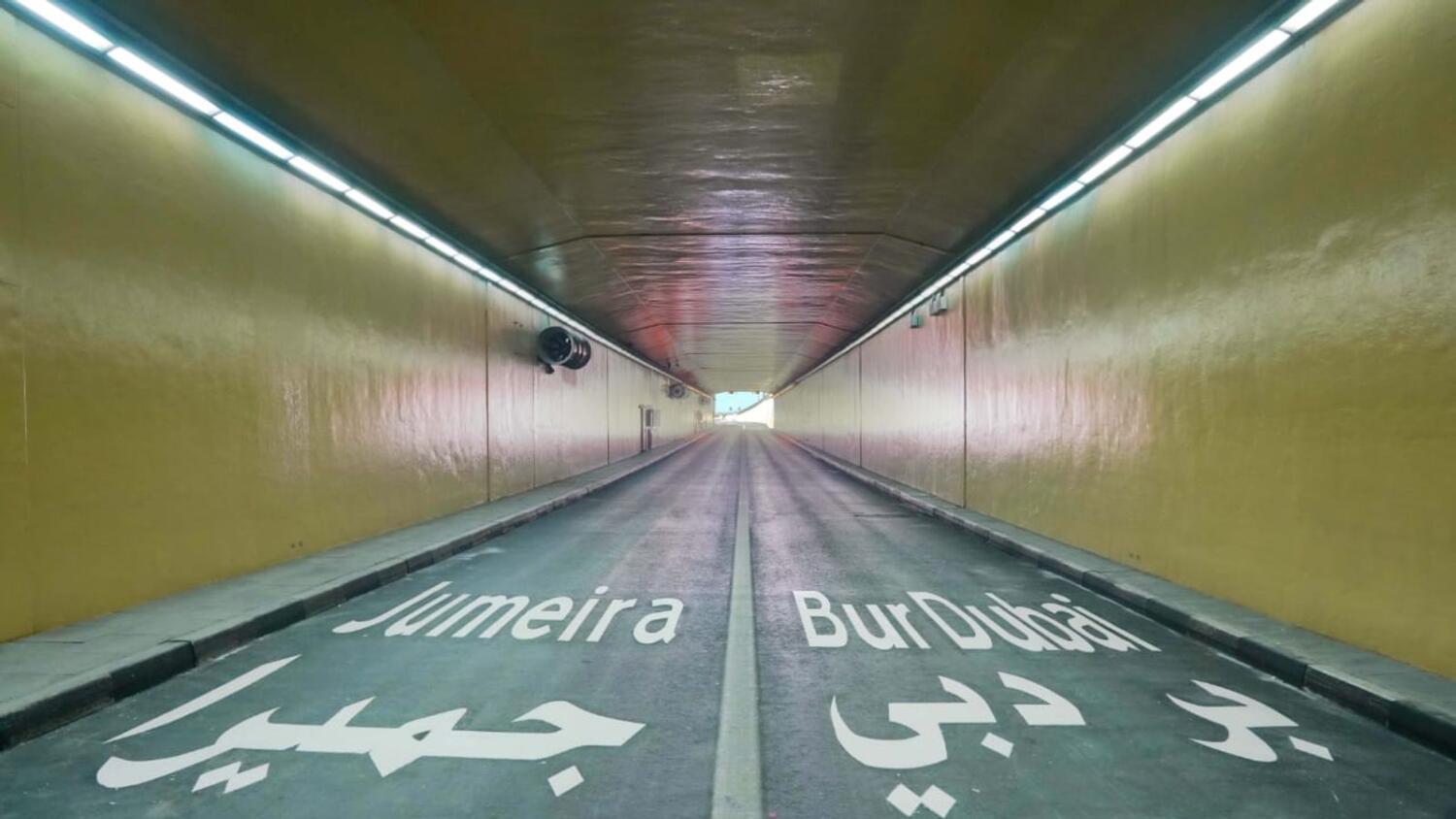
Shindagha Tunnel to be reopened on March 16

Published

on

Spread the love

Shindagha Tunnel will be reopened for traffic in the direction from Deira to Bur Dubai on March 16, Dubai’s Roads and Transport Authority (RTA) has announced. It’s being reopened as the work to connect the Infinity Bridge and the new bridges with the tunnel has been completed.

With the reopening of the tunnel and connecting it with the new bridges along the Shindagha Corridor, the road capacity will go up by 3,000 vehicles per hour. This will bring the total capacity of the corridor to 15,000 vehicles per hour.

Changes to the directional signs in the area have been made. This has been done so that there’s a smooth flow of traffic from Deira as the Shindagha Tunnel reopens. The RTA has asked drivers to follow speed limits and comply with the directional signs to their destinations as follows:

— The traffic movement towards the Falcon Junction must move rightwards at the 2-lane exit of the bridge (BR2).

— The traffic towards Jumeirah has to move leftwards at the single-lane exit of the bridge (BR1). It should cross the Falcon Junction through the three-lane northern bridge in the direction of Jumeriah.

— The traffic inbound from the roundabout over Shindagha Tunnel can go towards Deira by taking the free rightward lane heading to the Infinity Bridge or head directly to Bur Dubai and Jumeirah through Bridge (BR2) in the direction of the Falcon Junction.

— The traffic inbound from Al Mamzar, Al Khaleej Street and Omar bin Al Khattab Street can head to Bur Dubai and Jumeirah through the Infinity Bridge or Shindagha Tunnel.

— The traffic inbound from Palm Deira Metro Station and Corniche Street can head to the entry of Infinity Bridge through the upper deck of Corniche Street.

Announcements

India’s new passport fee rules explained: Who pays more and who gets discounts ?

Published

on

Spread the love

India will increase passport issuance and renewal fees by as much as 75% from 1 July, according to amendments to the Passport Rules notified by the Ministry of External Affairs (MEA).

The revision, announced through a gazette notification issued on 20 June, marks the first major increase in passport fees since 2012. The move comes a day after the Indian government clarified that a passport is primarily a travel document and should not be treated as proof of citizenship.

How much will a new passport cost?

Under the revised rates, a standard 36-page passport will cost Rs2,500 under the normal scheme, up from Rs1,500. Applications under the Tatkaal (expedited) scheme will rise from Rs3,500 to Rs5,000.

A 60-page passport will now cost Rs3,500 under the normal process and Rs6,000 under Tatkaal, compared with the current Rs2,000 and Rs4,000 respectively.

For Non-Resident Indians (NRIs), fees will also increase significantly, with a standard 36-page passport rising from $75 to $125 and a 60-page passport from $100 to $175.

Higher charges for lost or damaged passports

Applicants seeking a replacement for a lost or damaged 36-page passport will have to pay Rs5,000 under the normal scheme and Rs7,500 under Tatkaal, up from Rs3,000 and Rs5,000 respectively.

For a 60-page passport, the fee will rise to Rs6,000 under the normal process and Rs8,500 under Tatkaal.

What about children’s passports?

Passport fees for minors have also been revised upward.

For applicants below 18 years of age, a fresh 36-page passport will now cost Rs1,750 under the normal scheme and Rs4,250 under Tatkaal, compared with the current rates of Rs1,000 and Rs3,000.

The cost of replacing a lost or damaged passport for minors has also increased, with fees now set at Rs4,250 under the normal scheme and Rs6,750 under Tatkaal.

Changes to other passport-related services

The government has also increased charges for services such as Police Clearance Certificates (PCCs), Surrender Certificates, Global Entry Programme verification and other passport-related certificates.

The fee for these services will now be Rs750 under the normal scheme. For NRIs, the charge will be $40.

Any relief for applicants?

The revised framework introduces a 10% discount on fresh passport applications for children up to eight years of age and senior citizens aged above 60.

However, the concession will apply only to new passport applications and not to passport reissues.

Why does it matter?

The increase represents the first passport fee revision in 14 years and will affect millions of applicants in India and abroad. With fees rising across nearly all categories, the cost of obtaining or renewing a passport is set to become significantly higher from July 1.

Continue Reading

News

Filipino passport renewals in UAE to change as VFS centres shut down

Published

on

Spread the love

Filipinos in the UAE who need to renew or apply for a passport will soon have to follow a different process.

The Philippine Passport Renewal Centres (PaRC) operated by VFS Global in Dubai and Abu Dhabi will stop accepting applications after June 30, 2026. From July 1 onwards, all passport applications and renewals will be handled directly by the Philippine Embassy in Abu Dhabi and the Philippine Consulate General in Dubai.

The announcement was made by the Philippine missions in the UAE through their official social media channels.

What changes from July 1?

For nearly seven years, many Filipinos in the UAE have been able to complete passport renewals through VFS-operated Passport Renewal Centres, offering a convenient alternative to visiting diplomatic missions.

However, beginning July 1, applicants will once again need to book and process their passport services directly through the Philippine Embassy in Abu Dhabi or the Consulate General in Dubai.

The Philippine missions did not provide a reason for the closure of the VFS passport renewal centres.

What happens to unclaimed passports?

Applicants who completed their passport renewal process through the VFS centres on or before June 30 do not need to worry.

According to the advisory, all passports processed through the VFS Passport Renewal Centres, including those that have not yet been collected, will be available for pickup from the Philippine Embassy in Abu Dhabi or the Philippine Consulate General in Dubai starting July 1.

Officials have also urged applicants with ready passports awaiting collection to claim them as soon as possible.

Need assistance?

Filipinos with passport-related questions can contact the Philippine missions through the following channels:

Abu Dhabi

Phone: +971 50 813 7836

Dubai and Northern Emirates

Phone: +971 4 220 7800

Email

Applicants are encouraged to check directly with the embassy or consulate for the latest appointment and processing requirements before planning their visit.

Continue Reading

News

Dubai announces shorter government working hours for summer: Could private sector be next?

Published

on

Spread the love

Dubai government employees will once again enjoy shorter working hours and more flexible schedules this summer, thanks to the return of the Our Flexible Summer initiative.

Running from June 29 to September 10, the programme offers reduced working hours, flexible schedules and even three-day weekends for some government employees. 

The move is also likely to spark renewed debate about whether similar arrangements could eventually be adopted in the private sector. In an earlier AlArabiya report, experts suggested that Dubai’s flexible summer working model could pave the way for wider adoption of shorter workweeks across the UAE and potentially the broader GCC in the years ahead, although it may be a slow process.

Two flexible work models

Under the Our Flexible Summer initiative, government entities can choose between two different working schedules based on operational requirements.

The first group will work seven hours a day from Monday to Thursday, with a shorter four-and-a-half-hour workday on Fridays.

The second group will work eight hours a day from Monday to Thursday and enjoy a full day off every Friday, effectively creating a three-day weekend throughout the summer period.

In addition, government departments may introduce remote working arrangements where appropriate, depending on the nature of their operations and service requirements.

Focus on employee wellbeing

According to the Dubai Government Human Resources Department, the initiative is designed to enhance employee well-being without compromising productivity or service delivery.

Abdullah Ali bin Zayed Al Falasi, Director General of DGHR, said the programme has shown that flexible working arrangements can improve employee satisfaction while maintaining strong institutional performance.

He noted that creating people-focused workplaces remains a key priority for Dubai as it continues to develop modern government environments that support innovation, productivity and long-term sustainability.

By providing employees with more time for family, social commitments and personal wellbeing, Dubai aims to create a more attractive and future-ready workplace culture while maintaining high standards of public service.

Continue Reading

Popular

Exit mobile version
https://headline.ae/