News
Six currencies account for 90% of Arab transactions: AMF chief



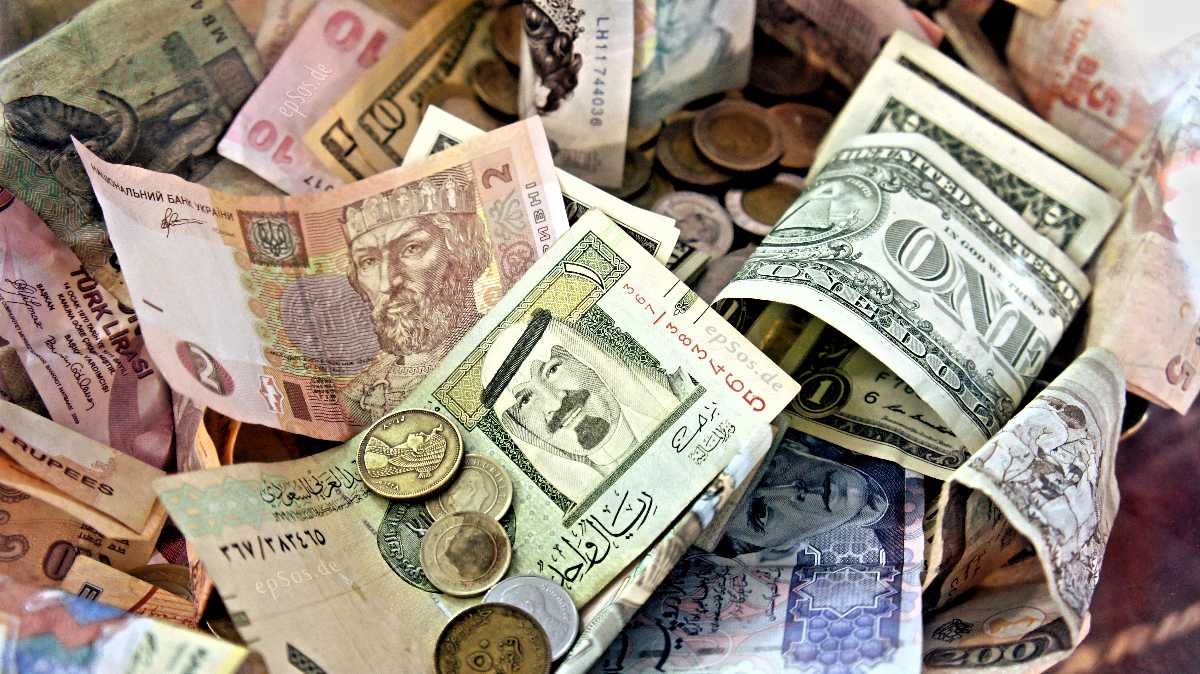
Six currencies account for 90 per cent of Arab transactions, which are the Emirati Dirham, the Saudi Riyal, the Egyptian Pound, the Jordanian Dinar, the US Dollar and the Euro, said Dr Abdulrahman bin Abdullah Al Hamidy, director-general and chairman of the Board of Executive Directors of the Arab Monetary Fund (AMF).
Al Hamidy pointed out that the ‘Buna Payment Platform’ is the first regional cross-border and multi-currency payment system that supports Arab transactions in investment, trade and financial transfers, and strengthens Arab integration through the use of Arab currencies in transactions, he told Wam.
The platform is progressing towards achieving its objectives and has forged alliances with Arab and international trade partners, he added, noting that a related agreement was signed with India, and the efforts are on to open new markets in Africa.


The platform has adopted a comprehensive strategy to link Arab financial markets with the Jordanian financial payment system recently joining the platform, which will encourage the use of the Jordanian Dinar in Arab transactions, he added.
The platform is an integrated system designed to provide clearing and settlement services for payments in Arab and international currencies, to enable financial and banking institutions in the Arab region and beyond, including central and commercial banks, to send and receive cross-border payments throughout the region and abroad in a safe, reliable and affordable manner, Al Hamidy further added.
The platform offers users modern payment solutions, in line with international standards and compliance requirements, to strengthen economic and financial integration in the Arab region and reinforce investment ties with commercial partners worldwide, he said in conclusion.
Buna is a cross-border payment system owned by the Arab Monetary Fund, aiming to enable financial institutions and central banks in the Arab region and beyond to send and receive payments in local currencies as well as key international currencies in a safe, cost- effective, risk-controlled, and transparent environment. Buna offers participants modern payment solutions that comply with international standards, principles, and compliance requirements.
Thanks to its cross-border payment system Buna contributes to exploring and strengthening opportunities for economic and financial integration in the Arab region and supporting investment ties with the global trading partners. Buna welcomes the inclusion of all banks that meet the criteria and conditions for participation, primarily the standards and procedures of compliance aspects.















Odisha Wraps Up Three-Day UAE Investment Drive with Dh93.45B Proposals and 6,18,725 Employment Potential

Dubai drivers warned of delays due to Oud Metha Road bridge diversion this weekend