

News
UAE v West Indies: Talking points on eve of ICC World Cup Qualifier


The UAE suffered a chastening 3-0 one-day international series whitewash to West Indies on the eve of the ICC World Cup Qualifier where both teams are slotted in different groups.
Ahead of the June 18 start in Zimbabwe, both teams naturally tried to count it as a learning experience, but UAE interim manager Mudassar Nazar took the boys out of the Sharjah Cricket Stadium early without addressing the media.
UAE lose the plot
It did not help that the third game finished two hours earlier than time, due to a collapse of the batting order which needs the most urgent attention. West Indies reached the target of 185 in 35.1 overs but lost six wickets in the process to some fighting performances by the UAE bowlers.
The couple of players who spoke during the prize distribution ceremonies over the course of the three matches could only talk about how they are soaking in the experience, because most of them are finding their way to the top. There was Ali Naseer who hit back-to-back 50s in the first two games – also his international career’s first, a steady bowling performance from Aayan Khan and Karthik Meiyappan as well as two wickets for the debutant in the third ODI, Muhammad Jawadullah.


Kevin Sinclair does a flip in his signature-style celebration on course to taking four wickets. Emirates Cricket
West Indies fly high
For West Indies, there was more validation to the revival of Brandon King as an opener which materialised by captain Shai Hope dropping down the order. King was adjudged Player of the Series. Kevin Sinclair, 23, took four wickets on Friday.
Along with two run-outs, he was instrumental as UAE lost eight wickets for the addition of 42 runs in less than 14 overs. Then Alick Athanaze, 24, served notice in the ODI format in blazing fashion. His 65 from 45 balls comprised the joint-fastest half-century by a debutant, matching India’s Krunal Pandya 26-ball effort against England.

Visitors show spunk and attitude
The heat made for challenging conditions and gave a stark reminder to the Asian Cricket Council officials, who are deliberating the hybrid model of staging the Asia Cup by Pakistan. The 2023 hosts are trying to accommodate India at a neutral venue at the latter’s insistence and Sri Lanka is winning the battle currently over the regular option of UAE.
“We are professionals and we have to adapt to every condition that we have in front of us,” said Darren Sammy, the West Indies coach. “In fact, we are trying to be where we were (as two-time world champions in the 1970s) and the road is very long. We need to first recognize our position, where we stand and then take one step at a time.
“Seven of the players heading to Zimbabwe were part of this squad. We tried a few things and achieved some things with a lot of positives. Getting to bowl the opposition out in two games given the conditions has given us a lot of confidence,” he said.
Former legendary all-rounder Carl Hooper has joined the team and he, too, exuberate positivity with his trademark swagger and calm confidence. “We are getting there one day at a time. The weather will be cold in Zimbabwe but we are also not playing much cricket. So coming here and challenging ourselves has been good for our preparations. We must adapt and accept the challenges that come our way.”
The UAE bowlers fought hard in the third ODI in defence of the 184-run total, here are the six wickets that the bowlers took last night.#UAEvWI pic.twitter.com/73G2R273tk
— UAE Cricket Official (@EmiratesCricket) June 10, 2023
Still needing direction
Meanwhile, in the local camp, coach Nazar has been left holding the rebuilding team after the departure of Robin Singh in March. The UAE were due to fly on Sunday, but there was no official communication until the time of writing this on late Saturday evening. The UAE squad will be the last to be announced out of the 10 teams in action.
Captain Muhammed Waseem and the recalled Rameez Shahzad had mixed fortunes with the bat, while Aryansh Sharma, Lovepreet Singh, Aayan Khan and Asif Khan failed to make an impression on the scoreboard. It was left to Ali Nasser to hit two back to back half-centuries in the first games to prop up some fighting total for the hosts to have a go at.
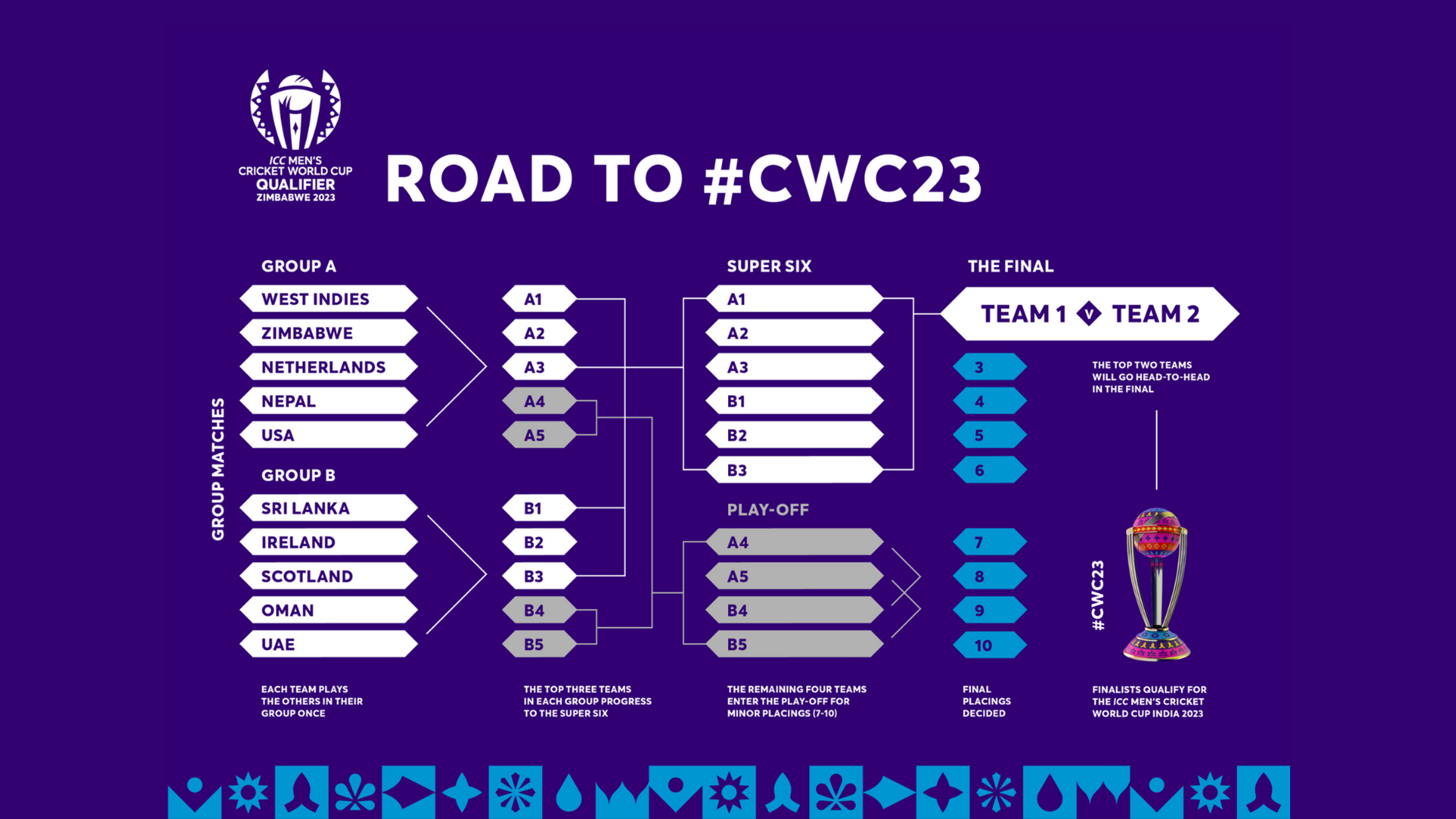
Nasser revealed to Headline UAE that he bats at No 8 on the domestic circuit. It was perplexing to see him continue to arrive at No 7 in the third ODI as well. The other senior player Rohan Mustafa also proved to be a hole in the top-five batting order that the UAE needs to still fix going into the Qualifier. Ten teams will whittle down to a Super Six stage before two teams make it to the grand stage. Based on this showing, Nazar’s UAE side has its task cut out if it wants to avoid disappearing without a trace.













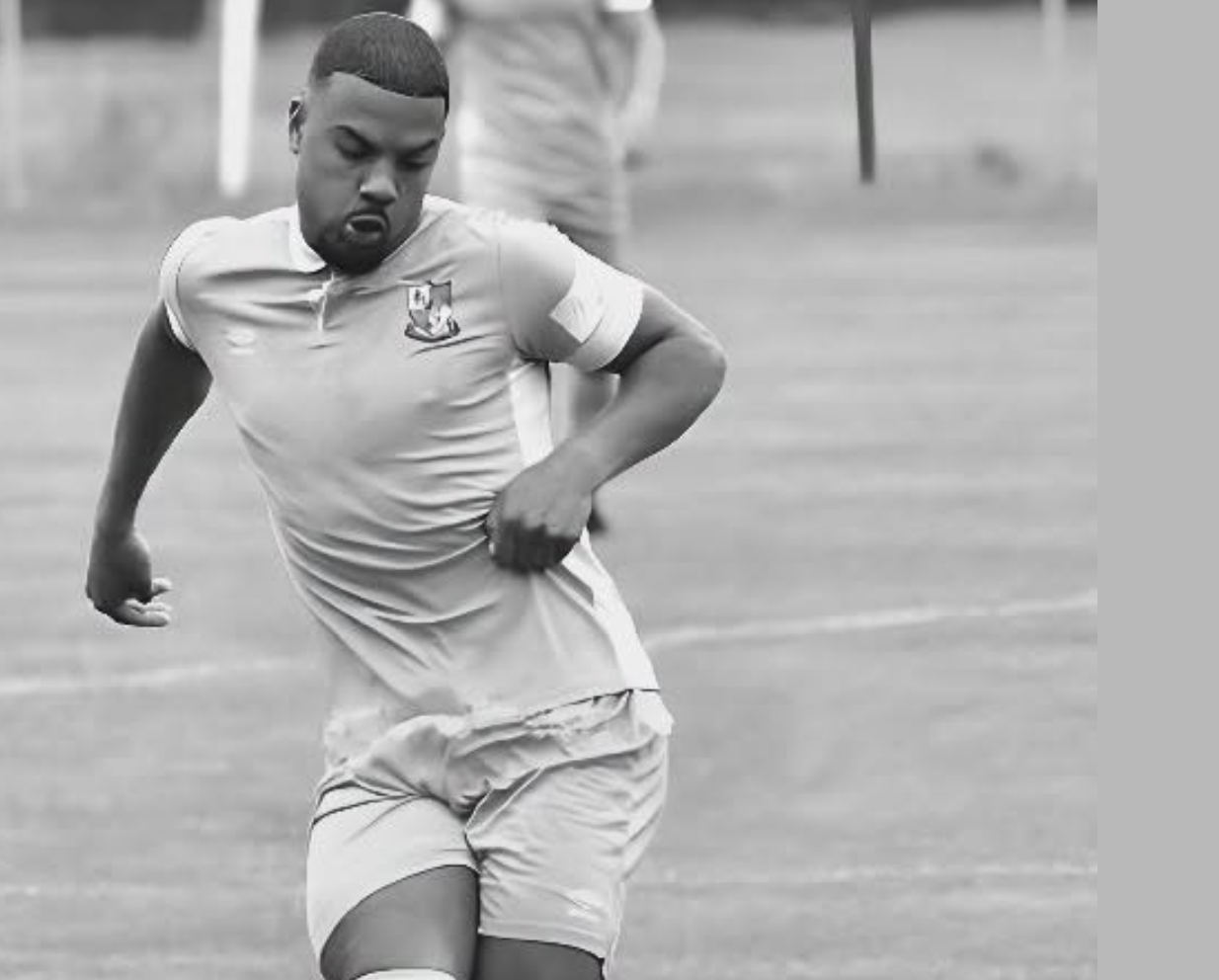
Tributes have poured in after the son of former Chelsea star Eddie Newton was found dead alongside his friend following a hike in the UAE, where temperatures soared to 50C.
Cassius Newton, 34, and his friend Aran Martinson, 33, were found by rescuers on July 18 after setting out on a hike in the mountainous Wadi Naqab region.
The pair, from Dorset and Essex respectively, both lived and worked in the UAE. Their bodies were discovered between 3km and 4km from their vehicle.
According to a report, Chelmsford area coroner Michelle Brown said their provisional causes of death included cardiac and respiratory arrest.
Cassius, a non-league footballer, was the son of former Chelsea midfielder and coach Eddie Newton, who spent more than a decade with the club.
His wife was in the UK when she became concerned after Cassius failed to contact her following the hike and reported him missing.
The two men had been living at a luxury resort in Ras Al Khaimah.
Tributes after desert tragedy


Tributes poured in after the deaths.
Aran’s wife described him as “incredibly driven, hardworking and ambitious”, saying he had recently begun a new chapter in his career and was excited about the future.
Blackfield & Langley Football Club paid tribute to their former player, saying: “It is with heavy hearts that we share the sad news of the passing of former player Cassius Newton; our thoughts and deepest sympathies are with his family and friends during this difficult time.”
National League club Eastleigh, where Cassius had previously played, said it was “deeply saddened” by his death.
Chelsea connection


Cassius’ father Eddie Newton played for Chelsea from 1990 to 2001 and famously scored in the club’s 1997 FA Cup final victory.
The former midfielder also represented Cardiff City, Birmingham City, Oxford United and Barnet.
After retiring as a player, Newton moved into coaching, working as assistant manager at MK Dons and West Brom before returning to Chelsea.
He later served as assistant manager under Roberto Di Matteo and Rafael Benítez.
(With inputs from BBC, The Sun)


Dubai-born HOP Events targets 25 cities in global expansion

New-look Abu Dhabi T10 raises the stakes with star-studded 2026 draft; Naseem, Hales, Amir and Shanaka among top picks


